Happiness & Flourishing
Eudaimonia: the art of living well
Across millennia, sages agree that lasting happiness flows not from external luxury, but from inner harmony, virtue, and connection.
19th century, India
Vedanta Philosophy
Let us not depend upon the world for pleasure.

5th century BCE, China
Classical Chinese Strategy
In peace, prepare for war. In war, prepare for peace.

1st century BCE, Rome
Roman Republican Humanism
We think a happy life consists in tranquility of mind.

4th–5th century CE, North Africa
Patristic Theology
So the Church too, like Mary, enjoys perpetual virginity and uncorrupted fecundity.

17th century, France
Jansenist Philosophy & Mathematics
As soon as the soul has been made to perceive that a thing can conduct it to that which it loves supremely, it must inevitably embrace it with joy.

2nd century CE, Rome
Roman Stoicism
Very little is needed to make a happy life.
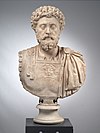
1st century CE, Rome
Roman Stoicism
Every pleasure defers to its last its greatest delights.
1st century CE, Hierapolis
Greek Stoicism
Those of our pleasures which come most rarely give the greatest delight.

5th century BCE, Athens
Classical Greek Philosophy
Contentment is natural wealth; luxury, artificial poverty.
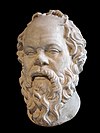
4th century BCE, Athens
Platonic Academy
My love, Alcibiades, which I hardly like to confess, would long ago have passed away, as I flatter myself, if I saw you loving your good things, or thinking that you ought to pass life in the enjoyment of them.

4th century BCE, Stagira
Peripatetic Philosophy
Now men seem, not unreasonably, to form their notions of the supreme good and of happiness from the lives of men.
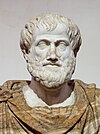
5th century BCE, China
Confucianism
Of all people, girls and servants are the most difficult to behave to. If you are familiar with them, they lose their humility. If you maintain a reserve towards them, they are discontented.

4th century BCE, China
Classical Taoism
Perfect happiness is keeping yourself alive, and only actionless action can have this affect.

5th century BCE, India
Buddhism
For a noble disciple, O householder, who wishes to have long life, it is not befitting that he should pray for long life or take delight in so doing. He should rather follow a path of life that is conducive to longevity.

13th century, Persia/Anatolia
Sufi Mysticism
If you are wholly perplexed and in straits,have patience, for patience is the key to joy.

19th century, Germany
Continental & Existential Philosophy
Pardon me, my friends, I have ventured to paint my happiness on the wall.

20th century, Algeria/France
Existentialism & Absurdism
To be happy, we must not be too concerned with others.

19th century, Denmark
Christian Existentialism
Most men pursue pleasure with such breathless haste that they hurry past it.

19th century, Germany
German Idealism & Pessimism
There is no more mistaken path to happiness than worldliness, revelry, high life.

17th century, Netherlands
Continental Rationalism
Peace is not an absence of war, it is a virtue, a state of mind, a disposition for benevolence, confidence, justice.

18th century, France
European Enlightenment
L'homme doit être content, dit-on; mais de quoi?

19th century, Russia
Russian Literature & Christian Ethics
The happiness of men consists in life. And life is in labor.

16th–17th century, England
English Renaissance Drama
Haunted by a detached perspective, Shakespeare, at the close of his career within the Sandman universe, confesses to exploiting his own life's joys and tragedies for the sake of his art.

19th century, Ireland
Aestheticism & Wit
Some cause happiness wherever they go; others whenever they go.

19th century, United States
American Realism & Satire
I am content to be a bric-a-bracker and a Ceramiker.

19th century, United States
American Transcendentalism
The purpose of life is not to be happy. It is to be useful, to be honorable, to be compassionate, to have it make some difference that you have lived and lived well.

Explore All 30 Cross-Civilizational Wisdom Pillars
Compare how humanity's greatest philosophers, poets, and sages across millennia addressed the foundational questions of human existence.
Resilience
Impermanence
Compassion
Self-Knowledge
Courage
Love & Devotion
Mortality & Legacy
Time & Presence
Solitude & Stillness
Truth & Honesty
Freedom & Autonomy
Purpose & Meaning
Gratitude & Contentment
Forgiveness & Mercy
Humility & Openness
Discipline & Mastery
Suffering & Transformation
Friendship & Community
Justice & Moral Duty
Hope & Perseverance
Creativity & Art
Leadership & Service
Nature & The Cosmos
Doubt & Inquiry
Ambition & Excellence
Patience & Timing
Integrity & Character
Change & Renewal
Mindfulness & Awareness