Link Copied!
Cicero Quotes (-106--43)
Philosopher, Politician





















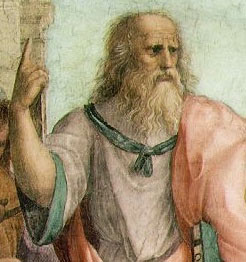







About Cicero
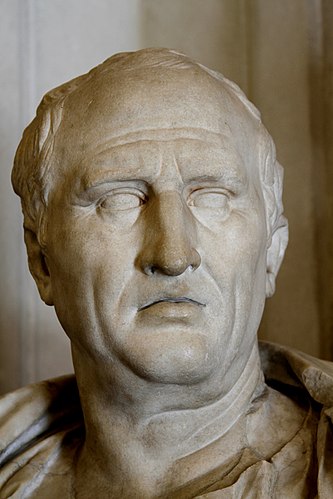
Marcus Tullius Cicero (3 January 106 BC – 7 December 43 BC), infrequently known by the anglicized name Tully in the Middle Ages and after, was a Roman philosopher, politician, lawyer, orator, political theorist, consul and constitutionalist. He came from a wealthy municipal family of the Roman equestrian order, and is widely considered one of Rome's greatest orators and prose stylists.
Best Cicero Quotes
Shortest
Earliest
Explore our curated collection of the most famous and impactful Cicero quotes.
“Laudandum adulescentem, ornandum, tollendum.”
“Si hortum in bibliotheca habes, deerit nihil.”
“Nec vero superstitione tollenda religio tollitur.”
“Honesta enim bonis viris, non occulta quaeruntur.”
“Morbi perniciosiores pluresque sunt animi quam corporis.”
“Malim equidem indisertam prudentiam quam stultitiam loquacem”
“O tempora! O mores!
• Variant: O the times! O, the customs!”
• Variant: O the times! O, the customs!”
“Nihil tam absurde dici potest, quod non dicatur ab aliquo philosophorum.”
“O di immortales! non intellegunt homines, quam magnum vectigal sit parsimonia. ”
“Nos autem beatam vitam in animi securitate et in omnium vacatione munerum ponimus.”
“In omnibus autem negotiis priusquam adgrediare, adhibenda est praeparatio diligens.”
“Sed ita a principio incohatum esse mundum, ut certis rebus certa signa praecurrerent.”
“Vi victa vis.
• Variant translation: Violence conquered by violence.”
• Variant translation: Violence conquered by violence.”

“Quidem concessum est rhetoribus ementiri in historiis ut aliquid dicere possint argutius.”
“Mala enim et impia consuetudo est contra deos disputandi, sive ex animo id fit sive simulate.”
“Nam et secundas res splendidiores facit amicitia et adversas partiens communicansque leviores.”
“Omnium rerum principia parva sunt.
• Variant translation: Everything has a small beginning.”
• Variant translation: Everything has a small beginning.”


“Equidem ad pacem hortari non desino; quae vel iniusta utilior est quam iustissimum bellum cum civibus.”
“Id quod est praestantissimum, maximeque optabile omnibus sanis et bonis et beatis, cum dignitate otium.”
“Reddite igitur, patres conscripti, ei vitam, cui ademistis. Vita enim mortuorum in memoria est posita vivorum.”
“ Dico igitur providentia deorum mundum et omnes mundi partes et initio constitutas esse et omni tempore administrari.”
“Quodsi ea mihi maxime inpenderet tamen hoc animo fui semper, ut invidiam virtute partam gloriam, non invidiam putarem.”
“M: Nam efficit hoc philosophia: medetur animis, inanes sollicitudines detrahit, cupiditatibus liberat, pellit timores.”
“Quam cum suavissima et maxima voce legisset, admirantibus omnibus "quanto" inquit "magis miraremini, si audissetis ipsum!"”
“Quid enim foedius auaritia, quid immanius libidine, quid contemptius timiditate, quid abiectius tarditate et stultitia dici potest?”
“Omnium autem rerum, ex quibus aliquid adquiritur, nihil est agri cultura melius, nihil uberius, nihil dulcius, nihil homine libero dignius.”
“Vera gloria radices agit atque etiam propagatur, ficta omnia celeriter tamquam flosculi decidunt nec simulatum potest quicquam esse diuturnum.”
“Historia vero testis temporum, lux veritatis, vita memoriae, magistra vitae, nuntia vetustatis, qua voce alia nisi oratoris immortalitati commendatur?”
“Sed tamen ira procul absit, cum qua nihil recte fieri nec considerate potest.
• Variant: In anger nothing right nor judicious can be done.”
• Variant: In anger nothing right nor judicious can be done.”
“Si responderint se impunitate proposita facturos, quod expediat, facinorosos se esse fateantur, si negent, omnia turpia per se ipsa fugienda esse concedant.”
“Illiberales autem et sordidi quaestus mercennariorum omnium, quorum operae, non quorum artes emuntur; est enim in illis ipsa merces auctoramentum servitutis.”
“cum vero id possis mutata velificatione assequi, stultum est eum tenere cum periculo cursum, quem ceperis, potius quam eo commutato quo velis tamen pervenire, sic,”
“Maximas res publicas ab adulescentibus labefactatas, a senibus sustentatas et restitutas reperietis. ... temeritas est videlicet florentis aetatis, prudentia senescentis.”
“Adsiduus usus uni rei deditus et ingenium et artem saepe vincit.
• Variant translation: Constant practice given to one matter often conquers both genius and art.”
• Variant translation: Constant practice given to one matter often conquers both genius and art.”
“Nonne, ut ignis in aquam conjectus, continuo restinguitur et refrigeratur, sic refervens falsum crimen in purissimam et castissimam vitam collatum, statim concidit et extinguitur?”
“Existunt etiam saepe iniuriae calumnia quadam et nimis callida sed malitiosa iuris interpretatione. Ex quo illud "summum ius summa iniuria" factum est iam tritum sermone proverbium.”
“Est profecto animi medicina, philosophia; cuius auxilium non ut in corporis morbis petendum est foris, omnibusque opibus viribus, ut nosmet ipsi nobis mederi possimus, elaborandum est.”
“Nam cum sint duo genera decertandi, unum per disceptationem, alterum per vim, cumque illud proprium sit hominis, hoc beluarum, confugiendum est ad posterius, si uti non licet superiore.”
“Opinionis enim commenta delet dies, naturae iudicia confirmat.
• Variant: For time destroys the fictions of error and opinion, while it confirms the determinations of nature and of truth.”
• Variant: For time destroys the fictions of error and opinion, while it confirms the determinations of nature and of truth.”
“''Etenim, iudices, cum omnibus virtutibus me adfectum esse cupio, tum nihil est quod malim quam me et esse gratum et videri. Haec enim est una virtus non solum maxima sed etiam mater virtutum omnium reliquarum.”
“Age et his vocabulis esse deos facimus quibus a nobis nominantur? At primum, quot hominum linguae, tot nomina deorum. Non enim, ut tu Velleius, quocumque veneris, sic idem in Italia, idem in Africa, idem in Hispania.”
“A: Dolorem existimo maximum malorum omnium.
M: Etiamne malus quam dedecus?
A: Non audeo id dicere equidem, et me pudet tam cito de sententia esse deiectam.
M: Magis esset pudendum, si in sententia permaneres.”
M: Etiamne malus quam dedecus?
A: Non audeo id dicere equidem, et me pudet tam cito de sententia esse deiectam.
M: Magis esset pudendum, si in sententia permaneres.”
“Quotus enim quisque philosophorum invenitur, qui sit ita moratus, ita animo ac vita constitutus, ut ratio postulat? qui disciplinam suam non ostentationem scientiae, sed legem vitae putet? qui obtemperet ipse sibi et decretis suis pareat?”
“And what can be more divine than the exhalations of the earth, which affect the human soul so as to enable her to predict the future ? And could the hand of time evaporate such a virtue? Do you suppose you are talking of some kind of wine or salted meat ?”
“Etenim, cum complector animo, quattuor reperio causas, cur senectus misera videatur: unam, quod avocet a rebus gerendis; alteram, quod corpus faciat infirmius; tertiam, quod privet fere omnibus voluptatibus; quartam, quod haud procul absit a morte.”
“At illa quanti sunt, animum, tamquam emeritis stipendiis libidinis, ambitionis, contentionis, inimicitiarum cupiditatum omnium, secum esse secumque, ut dicitur, vivere! Si vero habet aliquod tamquam pabulum studi atque doctrinae, nihil est otiosa senectute iucundius.”
“O di inmortales! ubinam gentium sumus? in qua urbe vivimus? quam rem publicam habemus? Hic, hic sunt in nostro numero, patres conscripti, in hoc orbis terrae sanctissimo gravissimoque consilio, qui de nostro omnium interitu, qui de huius urbis atque adeo de orbis terrarum exitio cogitent!”
“Prima enim sequentem honestum est in secundis tertiisque consistere. (3)
• Variant translation: If you aspire to the highest place, it is no disgrace to stop at the second, or even the third, place.”
• Variant translation: If you aspire to the highest place, it is no disgrace to stop at the second, or even the third, place.”
“since our leading men think themselves in a seventh heaven, if there are bearded mullets in their fish-ponds that will come to hand for food, and neglect everything else, do not you think that I am doing no mean service if I secure that those who have the power, should not have the will, to do any harm?”
“Post mortem quidem sensus aut optandus aut nullus est. Sed hoc meditatum ab adulescentia debet esse mortem ut neglegamus, sine qua meditatione tranquillo animo esse nemo potest. Moriendum enim certe est, et incertum an hoc ipso die. Mortem igitur omnibus horis impendentem timens qui poterit animo consistere?”
“What! You would convict me from my own words, and bring against me what I had said or written elsewhere. You may act in that manner with those who dispute by established rules. We live from hand to mouth, and say anything that strikes our mind with probability, so that we are the only people who are really at liberty."”

“Quid tandem erat causae, cur in senatum hesterno die tam acerbe cogerer? Solusne aberam, an non saepe minus frequentes fuistis, an ea res agebatur, ut etiam aegrotos deferri oporteret? Hannibal, credo, erat ad portas, aut de Pyrrhi pace agebatur, ad quam causam etiam Appium illum et caecum et senem delatum esse memoriae proditum est.”
“Nescire autem quid ante quam natus sis acciderit, id est semper esse puerum. Quid enim est aetas hominis, nisi ea memoria rerum veterum cum superiorum aetate contexitur? (120)
• Variant translation: To be ignorant of the past is to be forever a child.”
• Variant translation: To be ignorant of the past is to be forever a child.”
“Quo usque tandem abutere, Catilina, patientia nostra?
• Variant translation: "When, O Catiline, do you mean to cease abusing our patience?" by Charles Duke Yonge (M. Tullius Cicero. The Orations of Marcus Tullius Cicero, B. A. London. Henry G. Bohn, York Street, Covent Garden. 1856.)”
• Variant translation: "When, O Catiline, do you mean to cease abusing our patience?" by Charles Duke Yonge (M. Tullius Cicero. The Orations of Marcus Tullius Cicero, B. A. London. Henry G. Bohn, York Street, Covent Garden. 1856.)”

“Ita pulcherrima illa et maxime naturali carent amicitia per se et propter se expetita nec ipsi sibi exemplo sunt, haec vis amicitiae et qualis et quanta sit. Ipse enim se quisque diligit, non ut aliquam a se ipse mercedem exigat caritatis suae, sed quod per se sibi quisque carus est. Quod nisi idem in amicitiam transferetur, verus amicus numquam reperietur; est enim is qui est tamquam alter idem.”
“Denique isto bono utare, dum adsit, cum absit, ne requiras: nisi forte adulescentes pueritiam, paulum aetate progressi adulescentiam debent requirere. cursus est certus aetatis et una via naturae eaque simplex, suaque cuique parti aetatis tempestivitas est data, ut et infirmitas puerorum et ferocitas iuvenum et gravitas iam constantis aetatis et senectutis maturitas naturale quiddam habet, quod suo tempore percipi debeat.”
“ Nulla igitur in caelo nec fortuna nec temeritas nec erratio nec vanitas inest contraque omnis ordo veritas ratio constantia, quaeque his vacant ementita et falsa plenaque erroris, ea circum terras infra lunam, quae omnium ultima est, in terrisque versantur. caelestem ergo admirabilem ordinem incredibilemque constantiam, ex qua conservatio et salus omnium omnis oritur, qui vacare mente putat is ipse mentis expers habendus est.”
“Multorum autem odiis nullas opes posse obsistere, si antea fuit ignotum, nuper est cognitum. Nec vero huius tyranni solum, quem armis oppressa pertulit civitas ac paret cum maxime mortuo interitus declarat, quantum odium hominum valeat ad pestem, sed reliquorum similes exitus tyrannorum, quorum haud fere quisquam talem interitum effugit. Malus enim est custos diuturnitatis metus contraque benivolentia fidelis vel ad perpetuitatem.”
“Omnino, ut mihi quidem videtur studiorum omnium satietas vitae facit satietatem. Sunt pueritiae studia certa: num igitur ea desiderant adulescentes? Sunt ineuntis adulescentiae: num ea constans iam requirit aetas, quae media dicitur? Sunt etiam eius aetatis: ne ea quidem quaeruntur in senectute. Sunt extrema quaedam studia senectutis: ergo, ut superiorum aetatum studia occidunt, sic occidunt etiam senectutis; quod cum evenit, satietas vitae tempus maturum mortis affert.”
“Itaque adulescentes mihi mori sic videntur, ut cum aquae multitudine flammae vis opprimitur, senes autem sic, ut cum sua sponte nulla adhibita vi consumptus ignis exstinguitur; et quasi poma ex arboribus, cruda si sunt, vix evelluntur, si matura et cocta, decidunt, sic vitam adulescentibus vis aufert, senibus maturitas; quae quidem mihi tam iucunda est, ut, quo propius ad mortem accedam, quasi terram videre videar aliquandoque in portum ex longa navigatione esse venturus.”
“''Atque cum perturbationes animi miseriam, sedationes autem vitam efficiant beatam, duplexque ratio perturbationis sit, quod aegritudo et metus in malis opinatis, in bonorum autem errore laetitia gestiens libidoque versetur, quae omnia cum consilio et ratione pugnent, his tu tam gravibus concitationibus tamque ipsis inter se dissentientibus atque distractis quem vacuum solutum liberum videris, hunc dubitabis beatum dicere? atqui sapiens semper ita adfectus est; '''semper igitur sapiens beatus est.'''''”
“Hic ego non mirer esse quemquam, qui sibi persuadeat corpora quaedam solida atque individua vi et gravitate ferri mundumque effici ornatissimum et pulcherrimum ex eorum corporum concursione fortuita? Hoc qui existimat fieri potuisse, non intellego, cur non idem putet, si innumerabiles unius et viginti formae litterarum vel aureae vel qualeslibet aliquo coiciantur, posse ex is in terram excussis annales Enni, ut deinceps legi possint, effici; quod nescio an ne in uno quidem versu possit tantum valere fortuna.”
“Quibus enim oculis animi intueri potuit vester Plato fabricam illam tanti operis, qua construi a deo atque aedificari mundum facit; quae molitio, quae ferramenta, qui vectes, quae machinae, qui ministri tanti muneris fuerunt; quem ad modum autem oboedire et parere voluntati architecti aer, ignis, aqua, terra potuerunt; unde vero ortae illae quinque formae, ex quibus reliqua formantur, apte cadentes ad animum afficiendum pariendosque sensus? Longum est ad omnia, quae talia sunt, ut optata magis quam inventa videantur.”
“In primisque hominis est propria veri inquisitio atque investigatio. Itaque cum sumus necessariis negotiis curisque vacui, tum avemus aliquid videre, audire, addiscere cognitionemque rerum aut occultarum aut admirabilium ad beate vivendum necessarian! ducimus. Ex quo intellegitur, quod verum, simplex sincerumque sit, id esse naturae hominis aptissimum. Huic veri videndi cupiditati adiuncta est appetitio quaedam principatus, ut nemini parere animus bene informatus a natura velit nisi praecipienti aut docenti aut utilitatis causa iuste et legitime imperanti; ex quo magnitudo animi existit humanarumque rerum contemptio.”
“A: Quod est enim maius argumentum nihil eam prodesse quam quosdam perfectos philosophos turpiter vivere?
M: Nullum vero id quidem argumentum est. Nam ut agri non omnes frugiferi sunt qui coluntur [...] sic animi non omnes culti fructum ferunt. Atque, ut in eodem simili verser, ut ager quamvis fertilis sine cultura fructuosus esse non potest, sic sine doctrina animus; ita est utraque res sine altera debilis. Cultura autem animi philosophia est; haec extrahit vitia radicitus et praeparat animos ad satus accipiendos eaque mandat eis et, ut ita dicam, serit, quae adulta fructus uberrimos ferant.”
M: Nullum vero id quidem argumentum est. Nam ut agri non omnes frugiferi sunt qui coluntur [...] sic animi non omnes culti fructum ferunt. Atque, ut in eodem simili verser, ut ager quamvis fertilis sine cultura fructuosus esse non potest, sic sine doctrina animus; ita est utraque res sine altera debilis. Cultura autem animi philosophia est; haec extrahit vitia radicitus et praeparat animos ad satus accipiendos eaque mandat eis et, ut ita dicam, serit, quae adulta fructus uberrimos ferant.”
“How long will men dare to call anything expedient that is not right? Can odium and infamy be of service to any empire, which ought to be supported by glory and by the good-will of its allies? I was often at variance even with my friend Cato. He seemed to me to guard the treasury and the revenues too obstinately, to refuse everything to the farmers of the revenue, and many things to our allies; while we ought to be generous to our allies, and to deal with the farmers of the revenue as leniently as we individually do with our own tenants, especially as the union of orders to which such a course would conduce is for the well-being of the state.”
“Quod est aliud, patres conscripti, beneficium latronum, nisi ut commemorare possint iis se dedisse vitam, quibus non ademerint? Quod si esset beneficium, numquam, qui illum interfecerunt, a quo erant conservati, quos tu clarissimos viros soles appellare, tantam essent gloriam consecuti. Quale autem beneficium est, quod te abstinueris nefario scelere? Qua in re non tam iucundum mihi videri debuit non interfectum me a te quam miserum te id impune facere potuisse.
Sed sit beneficium, quandoquidem maius accipi a latrone nullum potuit; in quo potes me dicere ingratum? An de interitu rei publicae queri non debui, ne in te ingratus viderer?
• Variant translation:”
Sed sit beneficium, quandoquidem maius accipi a latrone nullum potuit; in quo potes me dicere ingratum? An de interitu rei publicae queri non debui, ne in te ingratus viderer?
• Variant translation:”
“Quibus enim nihil est in ipsis opis ad bene beateque vivendum, eis omnis aetas gravis est; qui autem omnia bona a se ipsi petunt, eis nihil potest malum videri quod naturae necessitas afferat. quo in genere est in primis senectus, quam ut adipiscantur omnes optant, eandem accusant adeptam; tanta est stultitiae inconstantia atque perversitas. obrepere aiunt eam citius quam putassent. primum quis coegit eos falsum putare? qui enim citius adulescentiae senectus quam pueritiae adulescentia obrepit? deinde qui minus gravis esset eis senectus, si octingentesimum annum agerent, quam si octogesimum? praeterita enim aetas quamvis longa, cum effluxisset, nulla consolatione permulcere posset stultam senectutem.”
“We know, that of all living beings man is the best formed, and, as the gods belong to this number, they must have a human form. ... I do not mean to say that the gods have body and blood in them; but I say that they seem as if they had bodies with blood in them. . . , Epicurus, for whom hidden things were as tangible as if he had touched them with his finger, teaches us that gods are not generally visible, but that they are intelligible; that they are not bodies having a certain solidity . . . but that we can recognize them by their passing images; that as there are atoms enough in the infinite space to produce such images, these are produced before us . . . and make us realize what are these happy, immortal beings.”
“At vero eos et accusamus et iusto odio dignissimos ducimus, qui blanditiis praesentium voluptatum deleniti atque corrupti, quos dolores et quas molestias excepturi sint, obcaecati cupiditate non provident, similique sunt in culpa, qui officia deserunt mollitia animi, id est laborum et dolorum fuga. et harum quidem rerum facilis est et expedita distinctio. nam libero tempore, cum soluta nobis est eligendi optio, cumque nihil impedit, quo minus id, quod maxime placeat, facere possimus, omnis voluptas assumenda est, omnis dolor repellendus. temporibus autem quibusdam et aut officiis debitis aut rerum necessitatibus saepe eveniet, ut et voluptates repudiandae sint et molestiae non recusandae. itaque earum rerum hic tenetur a sapiente delectus, ut aut reiciendis voluptatibus maiores alias consequatur aut perferendis doloribus asperiores repellat.”
“Est quidem vera lex recta ratio naturae congruens, diffusa in omnes, constans, sempiterna, quae vocet ad officium iubendo, vetando a fraude deterreat; quae tamen neque probos frustra iubet aut vetat nec improbos iubendo aut vetando movet. Huic legi nec obrogari fas est neque derogari ex hac aliquid licet neque tota abrogari potest, nec vero aut per senatum aut per populum solvi hac lege possumus, neque est quaerendus explanator aut interpres eius alius, nec erit alia lex Romae, alia Athenis, alia nunc, alia posthac, sed et omnes gentes et omni tempore una lex et sempiterna et immutabilis continebit, unusque erit communis quasi magister et imperator omnium deus, ille legis huius inventor, disceptator, lator; cui qui non parebit, ipse se fugiet ac naturam hominis aspernatus hoc ipso luet maximas poenas, etiamsi cetera supplicia, quae putantur, effugerit.”
“Si igitur meliora sunt ea quae natura quam illa quae arte perfecta sunt, nec ars efficit quicquam sine ratione, ne natura quidem rationis expers est habenda. Qui igitur convenit, signum aut tabulam pictam cum aspexeris, scire adhibitam esse artem, cumque procul cursum navigii videris, non dubitare, quin id ratione atque arte moveatur, aut cum solarium vel descriptum vel ex aqua contemplere, intellegere declarari horas arte, non casu, mundum autem, qui et has ipsas artes et earum artifices et cuncta conplectatur consilii et rationis esse expertem putare. [88] Quod si in Scythiam aut in Brittanniam sphaeram aliquis tulerit hanc, quam nuper familiaris noster effecit Posidonius, cuius singulae conversiones idem efficiunt in sole et in luna et in quinque stellis errantibus, quod efficitur in caelo singulis diebus et noctibus, quis in illa barbaria dubitet, quin ea sphaera sit perfecta ratione.”
“Here you have a man who desired to be king of the Roman people, and who accomplished his purpose. Whoever says that this desire was right, is mad; for he approves of the destruction of laws and of liberty, and deems their foul and detestable suppression glorious. But as for him who acknowledges that it is not right to usurp sovereign power in a state which was and which ought to be free, yet that it is expedient for him who can do so, by what remonstrance, or rather by what reproach, can I strive to draw him back from so grave an error? For (ye immortal gods!) can the basest and foulest parricide committed upon his country be expedient for any man, even though he who has made himself thus guilty be called parent by the citizens whom he has brought under the yoke? Expediency, then, ought to be measured by the right, and so indeed, that the two, though expressed by different names, may have to the ear the same sound. I do not accord with the opinion of the multitude who ask what can be more expedient than the possession of sovereign power; on the other hand, I find nothing more inexpedient for him who has obtained this power unjustly, when I begin to recall reason to things as they really are. For can anxieties, solicitudes, terrors by day and by night, a life crowded full of snares and of perils, be expedient for any one? Attius says,"The throne has many faithless, loyal few."”

Cicero Quotes by Topic
Find exactly what you are looking for by browsing this categorized list of Cicero quotes by topic.
Cicero on Life 8 quotes
“We think a happy life consists in tranquility of mind.”

Cicero on Death 6 quotes
“Undique enim ad inferos tantundem viæ est.
There are countless roads on all sides to the grave.”

Cicero on Ageing 4 quotes
View all 4 quotes on Ageing →Cicero on Time 2 quotes
View all 2 quotes on Time →Cicero on Writing style 2 quotes
View all 2 quotes on Writing style →What Cicero Said About Others
Discover personal opinions Cicero shared regarding contemporaries.
Cicero on Julius Caesar 2 quotes
“Wherever you are, remember that you are equally within the power of the conqueror."”
Cicero on Plutarch 2 quotes
“Cicero said loud-bawling orators were driven by their weakness to noise, as lame men to take horse.”

Cicero on Karl Popper
Cicero on Catiline
“He was intimate with many thoroughly wicked men; but he pretended to be entirely devoted to the most virtuous of the citizens. He had many things about him which served to allure men to the gratification of their passions; he had also many things which acted as incentives to industry and toil. The vices of lust raged in him; but at the same time he was conspicuous for great energy and military skill. Nor do I believe that there ever existed so strange a prodigy upon the earth, made up in such a manner of the most various, and different and inconsistent studies and desires.”
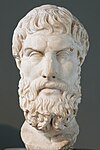
Cicero on Epicurus
“We know, that of all living beings man is the best formed, and, as the gods belong to this number, they must have a human form. ... I do not mean to say that the gods have body and blood in them; but I say that they seem as if they had bodies with blood in them. . . , Epicurus, for whom hidden things were as tangible as if he had touched them with his finger, teaches us that gods are not generally visible, but that they are intelligible; that they are not bodies having a certain solidity . . . but that we can recognize them by their passing images; that as there are atoms enough in the infinite space to produce such images, these are produced before us . . . and make us realize what are these happy, immortal beings.”
Quotes About Cicero
Gain deeper perspective through quotes about Cicero from others.
John Adams on Cicero
“As all the ages of the world have not produced a greater statesman and philosopher united in the same character, his authority should have great weight.”

H. P. Blavatsky on Cicero 4 quotes
“For, when Cicero tells us that he had seen the entire Iliad written on skin of such a miniature size, that it could easily be rolled up inside a nut-shell, and Pliny asserts that Nero had a ring with a small glass in it, through which he watched the performance of the gladiators at a distance—could audacity go farther? Truly, when we are told that Mauritius could see from the promontory of Sicily over the entire sea to the coast of Africa, with an instrument called nauscopite, we must either think that all these witnesses lied, or that the ancients were more than slightly acquainted with optics and magnifying glasses. p. 240”
Charles Dickens on Cicero
“If I could have known Cicero, and been his friend, and talked with him in his retirement at Tusculum (beau-ti-ful Tusculum l), I could have died contented.”

Aelius Donatus on Cicero
“As for Cicero, when he had heard some of the verses [of Virgil's Eclogues], his piercing judgement immediately perceived that these were productions of uncommon vigor, and ordered the whole eclogue to be recited from the beginning. Having familiarized himself with its every nuance, he declared it "the second great hope of Rome" [Magnae spes altera Romae], as if he himself were the first hope of the Latin language and Maro the second. These words Virgil later inserted in the Aeneid [12.168].”
Massimo Introvigne on Cicero
“Interestingly, Cicero saw the root of benevolence and charity in conscience, and in fact was the first scholar in history to use the word “conscience” (conscientia) in the moral sense we are familiar with. We can summarize his thought by stating that friendship is possible when two or more persons who have some common purposes in life systematically act towards each other with benevolence and charity (caritas, which is a non-erotic form of love), guided by conscience.”


Disputed Quotes
Quotes attributed to Cicero that are questionable.
“The first duty of a man is the seeking after and the investigation of truth.”
“For as lack of adornment is said to become some women, so this subtle oration, though without embellishment, gives delight.”
Misattributed Quotes
Quotes mistakenly credited to Cicero
“The following three quotes are sometimes wrongly attributed to Cicero. In fact, they come from a novel about Cicero by Taylor Caldwell, and are not found in any of Cicero's actual writings.”
“Study carefully, the character of the one you recommend, lest their misconduct bring you shame.”
“"Do not blame Caesar, blame the people of Rome who have so enthusiastically acclaimed and adored him and rejoiced in their loss of freedom and danced in his path and gave him triumphal processions. Blame the people who hail him when he speaks in the Forum of the 'new, wonderful good society' which shall now be Rome, interpreted to mean 'more money, more ease, more security, more living fatly at the expense of the industrious.'"”
“Diem adimere aegritudinem hominibus.”
“"The evil was not in bread and circuses, per se, but in the willingness of the people to sell their rights as free men for full bellies and the excitement of the games which would serve to distract them from the other human hungers which bread and circuses can never appease."”
“Corruptissima re publica plurimae leges.”
About Cicero
Marcus Tullius Cicero (3 January 106 BC – 7 December 43 BC), infrequently known by the anglicized name Tully in the Middle Ages and after, was a Roman philosopher, politician, lawyer, orator, political theorist, consul and constitutionalist. He came from a wealthy municipal family of the Roman equestrian order, and is widely considered one of Rome's greatest orators and prose stylists.