Link Copied!
Seneca the Younger Quotes (-4-65)
Philosopher

























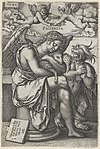


About Seneca the Younger
Lucius Annaeus Seneca (c. 4 BC – A.D. 65), often known simply as Seneca, or Seneca the Younger, was a Roman Stoic philosopher, statesman, dramatist, and humorist. He was the son of Seneca the Elder.
Best Seneca the Younger Quotes
Shortest
Earliest
Explore our curated collection of the most famous and impactful Seneca the Younger quotes.

“You must die erect and unyielding.”

“Marcet sine adversario virtus.”
“Satius est supervacua scire quam nihil.”

“bonus iudex damnat inprobanda, non odit.”
“Magnus gubernator et scisso navigat velo.”
“Confragosa in fastigium dignitatis via est.”

“Nihil aliud esse ebrietatem quam voluntariam insaniam.”
“Accept in an unruffled spirit that which is inevitable.”

“''Tamdiu, discendum est, quemadmodum vivas, quamdiu vivas.”
“I am endeavouring to live every day as if it were a complete life.”
“Brevissima ad divitias per contemptum divitiarum via est.”
“Qui grate beneficium accipit, primam eius pensionem solvit.”
“You do not know where death awaits you; so be ready for it everywhere.”
“sic cum inferiore vivas quemadmodum tecum superiorem velis vivere.”
“Nulli potest secura vita contingere qui de producenda nimis cogitat.”


“Magna pars hominum est quae non peccatis irascitur, sed peccantibus.”
“Magna pars libertatis est bene moratus venter et contumeliae patiens.”
“Non exiguum temporis habemus, sed multum perdidimus. Satis longa vita.”
“If you set a high value on liberty, you must set a low value on everything else.”
“You will thus understand that what you fear is either insignificant or short-lived.”

“Would you really know what philosophy offers to humanity? Philosophy offers counsel.”
“Nam illa tumultu gaudens non est industria sed exagitatae mentis concursatio.”
“But he has no fear; unconquered he looks down from a lofty height upon his sufferings.”
“qualis quisque sit scies, si quemadmodum laudet, quemadmodum laudetur aspexeris.”
“These actions are not essentially difficult; it is we ourselves that are soft and flabby.”


“Aut potentior te aut inbecillior laesit: si inbecillior, parce illi, si potentior, tibi.”
“Is it for this purpose that we are strong—that we may have light burdens to bear?”

“[Mucius] might have accomplished something more successful in that camp, but never anything more brave.”

““You must go now, fellow-soldiers, to yonder place, whence there is no ‘must’ about your returning!””
“Quem mihi dabis qui aliquod pretium tempori ponat, qui diem aestimet, qui intellegat se cotidie mori?”
“Would not anyone who is a man have his slumbers broken by a war-trumpet rather than by a chorus of serenaders?”
“Ante senectutem curavi ut bene viverem, in senectute ut bene moriar; bene autem mori est libenter mori.”
“Why should I not regard this as desirable—not because the fire, burns me, but because it does not overcome me?”
“scelere velandum est scelus.
• Alternate translation: One crime has to be concealed by another.”
• Alternate translation: One crime has to be concealed by another.”

“Cogi qui potest nescit mori.
• Alternate translation: Who can be compelled does not know how to die.”
• Alternate translation: Who can be compelled does not know how to die.”
“Quemadmodum perniciosior est hostis fugientibus, sic omne fortuitum incommodum magis instat cedenti et averso.”
“mens regnum bona possidet.
• Alternate translation: A good mind possesses a kingdom. (translator unknown).”
• Alternate translation: A good mind possesses a kingdom. (translator unknown).”
“No man has ever been so far advanced by Fortune that she did not threaten him as greatly as she had previously indulged him.”
“In hoc enim fallimur, quod mortem prospicimus: magna pars eius iam praeterit; quidquid aetatis retro est mors tenet.”
“Lay hold of today’s task, and you will not need to depend so much upon tomorrow’s. While we are postponing, life speeds by.”
“Irascetur aliquis: tu contra beneficiis prouoca; cadit statim simultas ab altera parte deserta; nisi paria non pugnant.”
“Nusquam est qui ubique est. Vitam in peregrinatione exigentibus hoc evenit, ut multa hospitia habeant, nullas amicitias.”
“We are weak, watery beings standing in the midst of unrealities; therefore let us turn our minds to the things that are everlasting.”
“The primary indication, to my thinking, of a well-ordered mind is a man’s ability to remain in one place and linger in his own company.”
“Iniqua nunquam regna perpetuo manent.
• Alternate translation: Authority founded on injustice is never of long duration.”
• Alternate translation: Authority founded on injustice is never of long duration.”
“Mortem misericors saepe pro vita dabit.
• Alternate translation: Mercy often means giving death, not life. (trans. Emily Wilson)”
• Alternate translation: Mercy often means giving death, not life. (trans. Emily Wilson)”
“Omnis enim ex infirmitate feritas est.
• Alternate translation: All cruelty springs from weakness. (translator unknown)”
• Alternate translation: All cruelty springs from weakness. (translator unknown)”
“Sola virtus praestat gaudium perpetuum, securum; etiam si quid obstat, nubium modo intervenit, quae infra feruntur nec umquam diem vincunt.”
“Mens impudicam facere, non casus, solet.
• Alternate translation: Impurity is caused by attitude, not events. (trans. Emily Wilson)”
• Alternate translation: Impurity is caused by attitude, not events. (trans. Emily Wilson)”
“Press on, therefore, as you have begun; perhaps you will be led to perfection, or to a point which you alone understand is still short of perfection.”
“No man can suffer both severely and for a long time; Nature, who loves us most tenderly, has so constituted us as to make pain either endurable or short.”
“Most men ebb and flow in wretchedness between the fear of death and the hardships of life; they are unwilling to live, and yet they do not know how to die.”
“Iniqua raro maximis virtutibus fortuna parcit ; nemo se tuto diu periculis offerre tam crebris potest; quem saepe transit casus, aliquando invenit.”
“qui genus iactat suum, aliena laudat.
• Alternate translation: He who boasts of his descent, praises the deeds of another (translator unknown).”
• Alternate translation: He who boasts of his descent, praises the deeds of another (translator unknown).”
“The customs of that most criminal nation have gained such strength that they have now been received in all lands. The conquered have given laws to the conquerors.”
“Virtue runs no risk of becoming contemptible by being exposed to view, and it is better to be despised for simplicity than to be tormented by continual hypocrisy.”

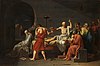
“Socrates was ennobled by the hemlock draught. Wrench from Cato's hand his sword, the vindicator of liberty, and you deprive him of the greatest share of his glory.”
“Very often the things that cost nothing cost us the most heavily; I can show you many objects the quest and acquisition of which have wrested freedom from our hands.”
“Numquam me in re bona mali pudebit auctoris.
• Alternate translation: I shall never be ashamed to go to a bad author for a good quotation.”
• Alternate translation: I shall never be ashamed to go to a bad author for a good quotation.”
“Qui non vetat peccare cum possit, iubet.
• Alternate translation: He who does not prevent a crime, when he can, encourages it. (translator unknown).”
• Alternate translation: He who does not prevent a crime, when he can, encourages it. (translator unknown).”
“Ignis aurum probat, miseria fortes uiros.
• Alternate translation: Fire is the test of gold; adversity, of strong men. (translator unknown).”
• Alternate translation: Fire is the test of gold; adversity, of strong men. (translator unknown).”
“Curae leues locuntur, ingentes stupent.
• Alternate translation: We give voice to our trivial cares, but suffer enormities in silence”
• Alternate translation: We give voice to our trivial cares, but suffer enormities in silence”
“Whoever complains about the death of anyone, is complaining that he was a man. Everyone is bound by the same terms: he who is privileged to be born, is destined to die.”
“quae fuit durum pati, meminisse dulce est.
• Alternate translation: Things that were hard to bear are sweet to remember. (translator unknown).”
• Alternate translation: Things that were hard to bear are sweet to remember. (translator unknown).”
“I commend you and rejoice in the fact that you are persistent in your studies, and that, putting all else aside, you make it each day your endeavour to become a better man.”
“He maintained this attitude up to the very end, and no man ever saw Socrates too much elated or too much depressed. Amid all the disturbance of Fortune, he was undisturbed.”
“And what is freedom, you ask? It means not being a slave to any circumstance, to any constraint, to any chance; it means compelling Fortune to enter the lists on equal terms.”
“postea noli rogare quod inpetrare nolueris.
• Alternate translation: Do not ask for what you will wish you had not got. (translator unknown).”
• Alternate translation: Do not ask for what you will wish you had not got. (translator unknown).”
“But no wall can be erected against Fortune which she cannot take by storm; let us strengthen our inner defences. If the inner part be safe, man can be attacked, but never captured.”
“Socrates is reported to have replied, when a certain person complained of having received no benefit from his travels: “It serves you right! You travelled in your own company!””
“Cui prodest scelus, is fecit.
• Alternate translation: Who profits by a sin has done the sin.
• Alternate translation: He who profits by crime commits it.”
• Alternate translation: Who profits by a sin has done the sin.
• Alternate translation: He who profits by crime commits it.”
“It is disgraceful, instead of proceeding ahead, to be carried along, and then suddenly, amid the whirlpool of events, to ask in a dazed way: “How did I get into this condition?””
“Great also are the souls of the defenders—men who know that, as long as the path to death lies open, the blockade is not complete, men who breathe their last in the arms of liberty.”
“For what else are you busied with except improving yourself every day, laying aside some error, and coming to understand that the faults which you attribute to circumstances are in yourself?”
“And we cannot change this order of things; but what we can do is to acquire stout hearts, worthy of good men, thereby courageously enduring chance and placing ourselves in harmony with Nature.”
“quemadmodum gladius neminem occidit: occidentis telum est.
• Alternate translation: A sword never kills anybody; it is a tool in the killer's hand. (translator unknown).”
• Alternate translation: A sword never kills anybody; it is a tool in the killer's hand. (translator unknown).”
“ars prima regni est posse invidiam pati.
• Alternate translation: To be able to endure odium is the first art to be learned by those who aspire to power (translator unknown).”
• Alternate translation: To be able to endure odium is the first art to be learned by those who aspire to power (translator unknown).”
“Two elements must therefore be rooted out once for all—the fear of future suffering, and the recollection of past suffering; since the latter no longer concerns me, and the former concerns me not yet.”

“Denique inter omnes convenit nullam rem bene exerceri posse ab homine occupato, non eloquentiam, non liberales disciplinas, quando districtus animus nihil altius recipit, sed omnia velut inculcata respuit.”
“It would be some consolation for the feebleness of ourselves and our works, if all things should perish as slowly as they come into being; but as it is, increases are of sluggish growth, but the way to ruin is rapid.”

“No one ever saw Cato change, no matter how often the state changed: he kept himself the same in all circumstances—in the praetorship, in defeat, under accusation, in his province, on the platform, in the army, in death.”
“Meanwhile, hold fast to this thought, and grip it close: yield not to adversity; trust not to prosperity; keep before your eyes the full scope of Fortune’s power, as if she would surely do whatever is in her power to do.”

“Quemadmodum Attalus noster dicere solebat, 'malitia ipsa maximam partem veneni sui bibit'. Illud venenum quod serpentes in alienam perniciem proferunt, sine sua continent, non est huic simile: hoc habentibus pessimum est.”
“Do you ask me whom I have conquered? Neither the Persians, nor the far-off Medes, nor any warlike race that lies beyond the Dahae; not these, but greed, ambition, and the fear of death that has conquered the conquerors of the world.”
“It would be some consolation for the feebleness of our selves and our works, if all things should perish as slowly as they come into being; but as it is, increases are of sluggish growth, but the way to ruin is rapid.”
“Then it is that the height of unhappiness is reached, when men are not only attracted, but even pleased, by shameful things, and when there is no longer any room for a cure, now that those things which once were vices have become habits.”
“Illi mors gravis incubat
Qui notus nimis omnibus
Ignotus moritur sibi
• Alternate translation: Death weighs on him who is known to all, but dies unknown to himself. (The Philisophical Life by James Miller).”
Qui notus nimis omnibus
Ignotus moritur sibi
• Alternate translation: Death weighs on him who is known to all, but dies unknown to himself. (The Philisophical Life by James Miller).”
“'''Tu me' inquis 'mones? iam enim te ipse monuisti, iam correxisti? ideo aliorum emendationi vacas?' Non sum tam improbus ut curationes aeger obeam, sed, tamquam in eodem valetudinario iaceam, de communi tecum malo colloquor et remedia communico.''”
“numquam vacat lascivire districtis, nihilque tam certum est quam otii vitia negotio discuti.
• Alternate translation: Nothing is so certain as that the evils of idleness can be shaken off by hard work. (translator unknown).”
• Alternate translation: Nothing is so certain as that the evils of idleness can be shaken off by hard work. (translator unknown).”
“Perhaps its destruction has been brought about only that it may be raised up again to a better destiny. Oftentimes a reverse has but made room for more prosperous fortune. Many structures have fallen only to rise to a greater height.”

“errant consilia nostra, quia non habent quo derigantur; ignoranti quem portum petat nullus suus ventus est.
• Alternate translation: If one does not know to which port one is sailing, no wind is favorable. (translator unknown).”
• Alternate translation: If one does not know to which port one is sailing, no wind is favorable. (translator unknown).”
“At quanto ego de illis melius existimo! ipsi quoque haec possunt facere, sed nolunt. Denique quem umquam ista destituere temptantem? cui non faciliora apparuere in actu? Non quia difficilia sunt non audemus, sed quia non audemus difficilia sunt.”
“They have been spoken by Plato, spoken by Zeno, spoken by Chrysippus or by Posidonius, and by a whole host of Stoics as numerous as excellent. I shall show you how men can prove their words to be their own: it is by doing what they have been talking about.”

“This spirit thrusts itself forward, confident of commendation and esteem. It is superior to all, monarch of all it surveys; hence it should be subservient to nothing, finding no task too heavy, and nothing strong enough to weigh down the shoulders of a man.”
““They are slaves,” people declare. Nay, rather they are men. “Slaves!” No, comrades. “Slaves!” No, they are unpretentious friends. “Slaves!” No, they are our fellow-slaves, if one reflects that Fortune has equal rights over slaves and free men alike.”
“Thus no fortune, no external circumstance, can shut off the wise man from action. For the very thing which engages his attention prevents him from attending to other things. He is ready for either outcome: if it brings goods, he controls them; if evils, he conquers them.”

“Oculis de homine non credo, habeo melius et certius lumen quo a falsis uera diiudicem: animi bonum animus inueniat.
• Alternate translation: I do not distinguish by the eye, but by the mind, which is the proper judge of the man. (translator unknown).”
• Alternate translation: I do not distinguish by the eye, but by the mind, which is the proper judge of the man. (translator unknown).”
““It is nothing—a trifling matter at most; keep a stout heart and it will soon cease”; then in thinking it slight, you will make it slight. Everything depends on opinion; ambition, luxury, greed, hark back to opinion. It is according to opinion that we suffer.”

“There stood Mucius, despising the enemy and despising the fire, and watched his hand as it dripped blood over the fire on his enemy’s altar, until Porsenna, envying the fame of the hero whose punishment he was advocating, ordered the fire to be removed against the will of the victim.”
“Sera parsimonia in fundo est.
• Alternate translation: Thrift comes too late when you find it at the bottom of your purse. (translator unknown)
• Alternate translation: It is too late to be thrifty when the bottom has been reached. (translator unknown).”
• Alternate translation: Thrift comes too late when you find it at the bottom of your purse. (translator unknown)
• Alternate translation: It is too late to be thrifty when the bottom has been reached. (translator unknown).”
“Clothe yourself with a hero’s courage, and withdraw for a little space from the opinions of the common man. Form a proper conception of the image of virtue, a thing of exceeding beauty and grandeur; this image is not to be worshipped by us with incense or garlands, but with sweat and blood.”

“Illud autem ante omnia memento, demere rebus tumultum ac videre quid in quaque re sit: scies nihil esse in istis terribile nisi ipsum timorem.
• Alternate translation: You will understand that there is nothing dreadful in this except fear itself. (translator unknown).”
• Alternate translation: You will understand that there is nothing dreadful in this except fear itself. (translator unknown).”
“I cannot help believing that Mucius was all the more lucky because he manipulated the flames as calmly as if he were holding out his hand to the manipulator. He had wiped out all his previous mistakes; he finished the war unarmed and maimed; and with that stump of a hand he conquered two kings.”
““Of all these experiences that seem so frightful, none is insuperable. Separate trials have been over- come by many: fire by Mucius, crucifixion by Regulus, poison by Socrates, exile by Rutilius, and a sword-inflicted death by Cato; therefore, let us also overcome something.””
“Would you not think him an utter fool who wept because he was not alive a thousand years ago? And is he not just as much of a fool who weeps because he will not be alive a thousand years from now? It is all the same; you will not be, and you were not. Neither of these periods of time belongs to you.”
“Alexander, king of Macedon, began to study geometry; unhappy man, because he would thereby learn how puny was that earth of which he had seized but a fraction! Unhappy man, I repeat, because he was bound to understand that he was bearing a false title. For who can be “great” in that which is puny?”

“What else is there which you would regret to have taken from you? Friends? But who can be a friend to you? Country? What? Do you think enough of your country to be late to dinner? The light of the sun? You would extinguish it, if you could; for what have you ever done that was fit to be seen in the light?”

“We put down mad dogs; we kill the wild, untamed ox; we use the knife on sick sheep to stop their infecting the flock; we destroy abnormal offspring at birth; children, too, if they are born weak or deformed, we drown. Yet this is not the work of anger, but of reason – to separate the sound from the worthless.”
“rursus prosperum ac felix scelus virtus vocatur; sontibus parent boni, ius est in armis, opprimit leges timor.
• Alternate translation: Successful and fortunate crime is called virtue. (translator unknown)
• Alternate translation: Might makes right. (translator unknown).”
• Alternate translation: Successful and fortunate crime is called virtue. (translator unknown)
• Alternate translation: Might makes right. (translator unknown).”
“Allow me, excellent Lucilius, to utter a still bolder word: if any goods could be greater than others, I should prefer those which seem harsh to those which are mild and alluring, and should pronounce them greater. For it is more of an accomplishment to break one’s way through difficulties than to keep joy within bounds.”
“Our minds must have relaxation: rested, they will rise up better and keener. Just as we must not force fertile fields (for uninterrupted production will quickly exhaust them), so continual labor will break the power of our minds. They will recover their strength, however, after they have had a little freedom and relaxation.”
“Eo animo quidque debetur quo datur, nec quantum sit sed a quali profectum voluntate perpenditur.
• Alternate translation: The spirit in which a thing is given determines that in which the debt is acknowledged; it's the intention, not the face-value of the gift, that's weighed. (translator unknown).”
• Alternate translation: The spirit in which a thing is given determines that in which the debt is acknowledged; it's the intention, not the face-value of the gift, that's weighed. (translator unknown).”
“Nulla res citius in odium venit quam dolor, qui recens consolatorem invenit et aliquos ad se adducit, inveteratus vero deridetur, nec inmerito.
• Translation: Nothing becomes so offensive so quickly as grief. When fresh it finds someone to console it, but when it becomes chronic, it is ridiculed and rightly.”
• Translation: Nothing becomes so offensive so quickly as grief. When fresh it finds someone to console it, but when it becomes chronic, it is ridiculed and rightly.”
“For this reason those who are tossed about at sea, who proceed uphill and downhill over toilsome crags and heights, who go on campaigns that bring the greatest danger, are heroes and front-rank fighters; but persons who live in rotten luxury and ease while others toil, are mere turtle-doves safe only because men despise them.”
“What profit is there in crossing the sea and in going from one city to another? If you would escape your troubles, you need not another place but another personality. Perhaps you have reached Athens, or perhaps Rhodes; choose any state you fancy, how does it matter what its character may be? You will be bringing to it your own.”
“Quemadmodum omnium rerum, sic litterarum quoque intemperantia laboramus: non vitae sed scholae discimus.
• Alternate translation: Not for life, but for school do we learn. (translator unknown)
• Alternate translation: We are taught for the schoolroom, not for life. (translator unknown).”
• Alternate translation: Not for life, but for school do we learn. (translator unknown)
• Alternate translation: We are taught for the schoolroom, not for life. (translator unknown).”
“So the wise man will develop virtue, if he may, in the midst of wealth, or, if not, in poverty; if possible, in his own country—if not, in exile; if possible, as a commander—if not, as a common soldier; if possible, in sound health—if not, enfeebled. Whatever fortune he finds, he will accomplish therefrom something noteworthy.”
“And this is the vote which [Cato] casts concerning them both: “If Caesar wins, I slay myself; if Pompey, I go into exile.” What was there for a man to fear who, whether in defeat or in victory, had assigned to himself a doom which might have been assigned to him by his enemies in their utmost rage? So he died by his own decision.”
“Armies have endured all manner of want, have lived on roots, and have resisted hunger by means of food too revolting to mention. All this they have suffered to gain a kingdom, and—what is more marvellous—to gain a kingdom that will be another’s. Will any man hesitate to endure poverty, in order that he may free his mind from madness?”
“"Licet," inquit, "omnia in unius dicionem concesserint, custodiantur legionibus terrae, classibus maria, Caesarianus portas miles obsideat; Cato qua exeat habet; una manu latam libertati viam faciet. Ferrum istud, etiam civili bello purum et innoxium, bonas tandem ac nobiles edet operas: libertatem, quam patriae non potuit, Catoni dabit.”
“Quare deus optimum quemque aut mala valetudine aut luctu aut aliis incommodis adficit? quia in castris quoque periculosa fortissimis imperantur: dux lectissimos mittit qui nocturnis hostes adgrediantur insidiis aut explorent iter aut praesidium loco deiciant. Nemo eorum qui exeunt dicit 'male de me imperator mervit', sed 'bene iudicavit'.”
“Contra primus itaque causas pugnare debemus; causa autem iracundiae opinio iniuriae est, cui non facile credendum est. Ne apertis quidem manifestisque statim accedendum; quaedam enim falsa ueri speciem ferunt. Dandum semper est tempus: ueritatem dies aperit.
• Alternate translation: Time discovers truth. (translator unknown).”
• Alternate translation: Time discovers truth. (translator unknown).”
“... the only contestant who can confidently enter the lists is the man who has seen his own blood, who has felt his teeth rattle beneath his opponent’s fist, who has been tripped and felt the full force of his adversary’s charge, who has been downed in body but not in spirit, one who, as often as he falls, rises again with greater defiance than ever.”
“Plus tamen tibi et viva vox et convictus quam oratio proderit; in rem praesentem venias oportet, primum quia homines amplius oculis quam auribus credunt, deinde quia longum iter est per praecepta, breve et efficax per exempla.
• Alternate translation: Teaching by precept is a long road, but short and beneficial is the way by example.”
• Alternate translation: Teaching by precept is a long road, but short and beneficial is the way by example.”
“Let words proceed as they please, provided only your soul keeps its own sure order, provided your soul is great and holds unruffled to its ideals, pleased with itself on account of the very things which displease others, a soul that makes life the test of its progress, and believes that its knowledge is in exact proportion to its freedom from desire and its freedom from fear.”

“Imagine that nature is saying to us: “Those things of which you complain are the same for all. I cannot give anything easier to any man, but whoever wishes will make things easier for himself.” In what way? By equanimity. You must suffer pain, and thirst, and hunger, and old age too, if a longer stay among men shall be granted you; you must be sick, and you must suffer loss and death.”
“Patrium deus habet adversus bonos viros animum et illos fortiter amat et "Operibus," inquit, "doloribus, damnis exagitentur, ut verum colligant robur." Languent per inertiam saginata nec labore tantum sed motu et ipso sui onere deficiunt. Non fert ullum ictum inlaesa felicitas; at cui assidua fuit cum incommodis suis rixa, callum per iniurias duxit nec ulli malo cedit sed etiam si cecidit de genu pugnat.”
“Do you desire another case? Take that of the younger Marcus Cato, with whom Fortune dealt in a more hostile and more persistent fashion. But he withstood her, on all occasions, and in his last moments, at the point of death, showed that a brave man can live in spite of Fortune, can die in spite of her. His whole life was passed either in civil warfare, or under a political regime which was soon to breed civil war.”

“It is to this law that our souls must adjust themselves, this they should follow, this they should obey. Whatever happens, assume that it was bound to happen, and do not be willing to rail at Nature. That which you cannot reform, it is best to endure, and to attend uncomplainingly upon the God under whose guidance everything progresses; for it is a bad soldier who grumbles when following his commander.”
“Hoc habent pessimum animi magna fortuna insolentes: quos laeserunt et oderunt.
• Alternate translation: Men whose spirit has grown arrogant from the great favour of fortune have this most serious fault – those whom they have injured they also hate. (translation by John W. Basore)
• Alternate translation: Whom they have injured they also hate. (translator unknown).”
• Alternate translation: Men whose spirit has grown arrogant from the great favour of fortune have this most serious fault – those whom they have injured they also hate. (translation by John W. Basore)
• Alternate translation: Whom they have injured they also hate. (translator unknown).”
“Facis rem optimam et tibi salutarem, si, ut scribis, perseveras ire ad bonam mentem, quam stultum est optare, cum possis a te impetrare. Non sunt ad caelum elevandae inarms nee exorandus aedituus, ut nos ad aurem simulacri, quasi magis exaudiri possimus, admittat; Prope est a te deus, tecum est, intus est. Ita dico, Lucili: sacer intra nos spiritus sedet, malorum bonorumque nostrorum observator et custos...”
“Scire debet quid petat ille, qui sagittam vult mittere, et tunc derigere ac moderari manu telum. Errant consilia nostra, quia non habent, quo derigantur. Ignoranti, quem portum petat, nullus suus ventus est. Necesse est multum in vita nostra casus possit, quia vivimus casu. Quibusdam autem evenit, ut quaedam scire se nesciant. Quemadmodum quaerimus saepe eos, cum quibus stamus, ita plerumque finem summi boni ignoramus adpositum.”
“Show me that the good in life does not depend upon life’s length, but upon the use we make of it; also, that it is possible, or rather usual, for a man who has lived long to have lived too little. Say to me when I lie down to sleep: “You may not wake again!” And when I have waked: “You may not go to sleep again!” Say to me when I go forth from my house: “You may not return!” And when I return: “You may never go forth again!””

“I may become a poor man; I shall then be one among many. I may be exiled; I shall then regard myself as born in the place to which I shall be sent. They may put me in chains. What then? Am I free from bonds now? Behold this clogging burden of a body, to which nature has fettered me! “I shall die,” you say; you mean to say “I shall cease to run the risk of sickness; I shall cease to run the risk of imprisonment; I shall cease to run the risk of death.””
“If you see a man who is unterrified in the midst of dangers, untouched by desires, happy in adversity, peaceful amid the storm, who looks down upon men from a higher plane, and views the gods on a footing of equality, will not a feeling of reverence for him steal over you, will you not say: “This quality is too great and too lofty to be regarded as resembling this petty body in which it dwells? A divine power has descended upon that man.””
“Pyrrhus: Lex nulla capto parcit aut poenam impedit.
Agamemnon: Quod non vetat lex, hoc vetat fieri pudor.
Pyr: Quodcumque libuit facere victori licet.
Agam.: Minimum decet libere cui multum licet.
• Alternate translation:
Pyrrhus: No law demands mercy to prisoners
Agamemnon: Though the law forbids it not, yet decency forbids it.
Pyrrhus: The victor is at liberty to do whatever he likes.
Agamemnon: To whom much is allowed, it is least suitable to act wantonly.”
Agamemnon: Quod non vetat lex, hoc vetat fieri pudor.
Pyr: Quodcumque libuit facere victori licet.
Agam.: Minimum decet libere cui multum licet.
• Alternate translation:
Pyrrhus: No law demands mercy to prisoners
Agamemnon: Though the law forbids it not, yet decency forbids it.
Pyrrhus: The victor is at liberty to do whatever he likes.
Agamemnon: To whom much is allowed, it is least suitable to act wantonly.”
“There is no reason why poverty should call us away from philosophy—no, nor even actual want. For when hastening after wisdom, we must endure even hunger. Men have endured hunger when their towns were besieged, and what other reward for their endurance did they obtain than that they did not fall under the conqueror’s power? How much greater is the promise of the prize of everlasting liberty, and the assurance that we need fear neither God nor man! Even though we starve, we must reach that goal.”

“Ideo pueris et sententias ediscendas damus et has quas Graeci chrias vocant, quia complecti illas puerilis animus potest, qui plus adhuc non capit. Certi profectus viro captare flosculos turpe est et fulcire se notissimis ac paucissimis vocibus et memoria stare: sibi iam innitatur. Dicat ista, non teneat; turpe est enim seni aut prospicienti senectutem ex commentario sapere. 'Hoc Zenon dixit': tu quid? 'Hoc Cleanthes': tu quid? Quousque sub alio moveris? impera et dic quod memoriae tradatur, aliquid et de tuo profer.”
“Tell me what to avoid, what to seek, by what studies to strengthen my tottering mind, how I may rebuff the waves that strike me abeam and drive me from my course, by what means I may be able to cope with all my evils, and by what means I can be rid of the calamities that have plunged in upon me and those into which I myself have plunged. Teach me how to bear the burden of sorrow without a groan on my part, and how to bear prosperity without making others groan; also, how to avoid waiting for the ultimate and inevitable end, and to beat a retreat of my own free will, when it seems proper to me to do so.”
“Optimum est pati quod emendare non possis.
• Translation: It is best to bear what cannot be changed.
• Alternate translation: It is best to endure what you cannot change. Translated by Twitter user Melanie Antao in a tweet from July 3, 2012. Archived from the original on November 23, 2022.”
• Translation: It is best to bear what cannot be changed.
• Alternate translation: It is best to endure what you cannot change. Translated by Twitter user Melanie Antao in a tweet from July 3, 2012. Archived from the original on November 23, 2022.”
“I should prefer to be free from torture; but if the time comes when it must be endured, I shall desire that I may conduct myself therein with bravery, honour, and courage. Of course I prefer that war should not occur; but if war does occur, I shall desire that I may nobly endure the wounds, the starvation, and all that the exigency of war brings. Nor am I so mad as to crave illness; but if I must suffer illness, I shall desire that I may do nothing which shows lack of restraint, and nothing that is unmanly. The conclusion is, not that hardships are desirable, but that virtue is desirable, which enables us patiently to endure hardships.”
“Or, if you enjoy living with Greeks also, spend your time with Socrates and with Zeno: the former will show you how to die if it be necessary; the latter how to die before it is necessary. Live with Chrysippus, with Posidonius: they will make you acquainted with things earthly and things heavenly; they will bid you work hard over something more than neat turns of language and phrases mouthed forth for the entertainment of listeners; they will bid you be stout of heart and rise superior to threats. The only harbour safe from the seething storms of this life is scorn of the future, a firm stand, a readiness to receive Fortune’s missiles full in the breast, neither skulking nor turning the back.”
“Whether we believe the Greek poet, "it is sometimes even pleasant to be mad", or Plato, "he who is master of himself has knocked in vain at the doors of poetry"; or Aristotle, "no great genius was without a mixture of insanity"; the mind cannot express anything lofty and above the ordinary unless inspired. When it despises the common and the customary, and with sacred inspiration rises higher, then at length it sings something grander than that which can come from mortal lips. It cannot attain anything sublime and lofty so long as it is sane: it must depart from the customary, swing itself aloft, take the bit in its teeth, carry away its rider and bear him to a height whither he would have feared to ascend alone.”
“Nec multis verbis nec circumitu longo, quod sit summum bonum, colliges1; digito, ut ita dicam, demonstrandum est nec in multa spargendum. Quid enim ad rem pertinet in particulas illud diducere, cum possis dicere: summum bonum est, quod honestum est? Et quod magis admireris: unum bonum est, quod honestum est, cetera falsa et bona sunt. Hoc si persuaseris tibi et virtutem adamaveris, amare enim parum est, quicquid illa contigerit, id tibi, qualecumque aliis videbitur, faustum felixque erit. Et torqueri, si modo iacueris ipso torquente securior, et aegrotare, si non male dixeris fortunae, si non cesseris morbo, omnia denique, quae ceteris videntur mala, et mansuescent et in bonum abibunt, si super illa eminueris.”
“Non privatim solum sed publice furimus. Homicidia conpescimus et singulas caedes: quid bella et occisarum gentium gloriosum scelus? Non avaritia, non crudelitas modum novit. Et ista quamdiu furtim et a singulis fiunt minus noxia minusque monstrosa sunt: ex senatus consultis plebisque scitis saeva exercentur et publice iubentur vetata privatim. Quae clam commissa capite luerent, tum quia paludati fecere laudamus. Non pudet homines, mitissimum genus, gaudere sanguine alterno et bella gerere gerendaque liberis tradere, cum inter se etiam mutis ac feris pax sit. Adversus tam potentem explicitumque late furorem operosior philosophia facta est et tantum sibi virium sumpsit quantum iis adversus quae parabatur acceserat.”
“At any rate, if you wish to sift doubtful meanings of this kind, teach us that the happy man is not he whom the crowd deems happy, namely, he into whose coffers mighty sums have flowed, but he whose possessions are all in his soul, who is upright and exalted, who spurns inconstancy, who sees no man with whom he wishes to change places, who rates men only at their value as men, who takes Nature for his teacher, conforming to her laws and living as she commands, whom no violence can deprive of his possessions, who turns evil into good, is unerring in judgment, unshaken, unafraid, who may be moved by force but never moved to distraction, whom Fortune when she hurls at him with all her might the deadliest missile in her armoury, may graze, though rarely, but never wound.”
“You see that man can endure toil: Cato, on foot, led an army through African deserts. You see that thirst can be endured: he marched over sun-baked hills, dragging the remains of a beaten army and with no train of supplies, undergoing lack of water and wearing a heavy suit of armour; always the last to drink of the few springs which they chanced to find. You see that honour, and dishonour too, can be despised: for they report that on the very day when Cato was defeated at the elections, he played a game of ball. You see also that man can be free from fear of those above him in rank: for Cato attacked Caesar and Pompey simultaneously, at a time when none dared fall foul of the one without endeavouring to oblige the other. You see that death can be scorned as well as exile: Cato inflicted exile upon himself and finally death, and war all the while.”

“We are all chained to fortune: the chain of one is made of gold, and wide, while that of another is short and rusty. But what difference does it make? The same prison surrounds all of us, and even those who have bound others are bound themselves; unless perchance you think that a chain on the left side is lighter. Honors bind one man, wealth another; nobility oppresses some, humility others; some are held in subjection by an external power, while others obey the tyrant within; banishments keep some in one place, the priesthood others. All life is slavery. Therefore each one must accustom himself to his own condition and complain about it as little as possible, and lay hold of whatever good is to be found near him. Nothing is so bitter that a calm mind cannot find comfort in it. Small tablets, because of the writer's skill, have often served for many purposes, and a clever arrangement has often made a very narrow piece of land habitable. Apply reason to difficulties; harsh circumstances can be softened, narrow limits can be widened, and burdensome things can be made to press less severely on those who bear them cleverly.”
Seneca the Younger Quotes by Topic
Find exactly what you are looking for by browsing this categorized list of Seneca the Younger quotes by topic.
Seneca the Younger on Life 12 quotes
View all 12 quotes on Life →Seneca the Younger on Death 10 quotes
“Non amittuntur sed præmittuntur.
They are not lost but sent before.”
Seneca the Younger on Time 5 quotes
“Volat ambiguis Mobilis alis hora.
The swift hour flies on double wings.”

Seneca the Younger on Love 4 quotes
View all 4 quotes on Love →Seneca the Younger on Ageing 4 quotes
View all 4 quotes on Ageing →What Seneca the Younger Said About Others
Discover personal opinions Seneca the Younger shared regarding contemporaries.
Seneca the Younger on Parmenides
“If I accede to Parmenides there is nothing left but the One; if I accede to Zeno, not even the One is left.”

Seneca the Younger on Zeno of Elea
“If I accede to Parmenides there is nothing left but the One; if I accede to Zeno, not even the One is left.”

Quotes About Seneca the Younger
Gain deeper perspective through quotes about Seneca the Younger from others.
Source on Seneca the Younger
“I will tell you: that perfect man, who has attained virtue, never cursed his luck, and never received the results of chance with dejection; he believed that he was citizen and soldier of the universe, accepting his tasks as if they were his orders. Whatever happened, he did not spurn it, as if it were evil and borne in upon him by hazard; he accepted it as if it were assigned to be his duty. “Whatever this may be,”he says, “it is my lot; it is rough and it is hard, but I must work diligently at the task.””
Robin Campbell on Seneca the Younger 2 quotes
“[Seneca] would have denounced the opinion to which most philosophers, tacitly or otherwise, have come round in the last half-century, that it is no part of the business of philosophy to turn people into better persons, as tantamount to desertion or lèse-majesté.”
Richard Mott Gummere on Seneca the Younger
“He is refreshingly undogmatic, incomplete, and at times even senile. We cannot rightly accuse him of all the moralizing and dogmatism which spoiled the objective accuracy of medieval Science before Roger Bacon. Nor can we blame him for assuming that imprisoned air is the main agency in earthquakes, or for not knowing that the rainbow's colors are the result of decomposition of white light instead of a seeming color which does not really exist, or for believing that lightning melts metals and freezes wine, or that the sun is supported by exhalations from the earth. In his assumption, however, that comets may have orbits which carry them beyond the zodiac, that there is an evolutionary process in the world, and that rings round the sun are often the result of atmospheric conditions, he is sound. But after all, how accurate were the astronomers before Galileo, the physicists before Newton, or the biologists before Darwin? Seneca's guesses are as good as those of any other speculator before the discoveries of modern Science.”
Michel de Montaigne on Seneca the Younger
“Seneca's virtue shows forth so live and vigorous in his writings, and the defense is so clear there against some of these imputations, as that of his wealth and excessive spending, that I would not believe any testimony to the contrary.”

John Morley on Seneca the Younger
“Then there is none of the ancient moralists to whom the modern, from Montaigne, Charron, Ralegh, Bacon, downwards, owe more than to Seneca. Seneca has no spark of the kindly warmth of Horace; he has not the animation of Plutarch; he abounds too much in the artificial and extravagant paradoxes of the Stoics. But, for all that, he touches the great and eternal commonplaces of human occasion—friendship, health, bereavement, riches, poverty, death—with a hand that places him high among the wise masters of life. All through the ages men, tossed in the beating waves of circumstance, have found more in the essays and letters of Seneca than in any other secular writer, words of good counsel and comfort.”

Disputed Quotes
Quotes attributed to Seneca the Younger that are questionable.
“Luck is what happens when preparation meets opportunity.”
Misattributed Quotes
Quotes mistakenly credited to Seneca the Younger
About Seneca the Younger
Lucius Annaeus Seneca (c. 4 BC – A.D. 65), often known simply as Seneca, or Seneca the Younger, was a Roman Stoic philosopher, statesman, dramatist, and humorist. He was the son of Seneca the Elder.