William Shakespeare Quotes (1564-)
Actor, Writer, Poet


Time

Women

Tears

Wives

Fear

Mother Nature

Marriage

Mothers
Cleopatra

Law
Physician

Grief
Maiden

Words

Anatole France
Sleep
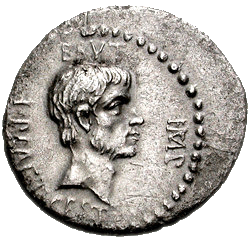
Marcus Junius Brutus

Music

Jesus

Eating
Ovid

Cowardice

Women in war

Kissing

Neil Gaiman

Eyes

Pompey

Friendship

Elizabeth I of England

Sorrow

Ageing

Judgment

Man

Beauty

Foolishness

Truth

Merriment

Wit

Courtship

Flowers
Honor

Defamation
-100px.png)
English proverbs (alphabetically by proverb)

Destiny
Conscience

Medicine
Dreams

News

Fortune

Fate
Night

Anger
Patience

Faces

Courage

Prayer

Action

Contentment
Treason

Soldiers

World
Horses
Justice

Rape
Dishonesty

Lying
Greatness
Memory

Devil

Pride
Books
Hair

Christianity
Sin

Trees
Silence
Ambition
Welcome
Names

Speech
Larks
Pity

Sun
Talk

Intemperance

Storm
King

Heaven
Reason

Enemies
Honesty

Mail
Gentlemen
Temptation
Insanity
Homicide

Nature

Mercy
Theft

Flattery

Morning

Comparisons

Life

Birds
Imagination

Chastity

Authority
Wounds
Adversity

Stars

Clothing

Appetite
-100px.jpg)
Grave (burial)

Doubt

Public speaking

Mind

Youth
Childhood
Ingratitude

Tongues

Change
Despair

Oaths
Fairies
Ghosts
Hypocrisy

Judges

Blushing
Suicide

Envy

Luck

Comedy

Fruit
Perfume

Danger

Linguistics

Doves
Desire

Work

Customs
Swans

Poetry

Monarchy

Husbands
Discretion

Singing

Crime
Knowledge

Epitaphs

Profanity
Deity

Peace
Goodness
Gratitude

Travel

Tyranny

Jealousy
Ceremony
Moon

Shadows
Eloquence

Laughter
Courtesy

Summer
Necessity
Grace
Weasels

Punishment

May
Roses

Cruelty
Service

Glory

Joy
Choice
Chickens

Poverty
Fishing
Hawks

Fish

Painting

Hope

Money
Preaching

Argument
Hell

Language

Infant

Gifts

Advice

Breast

Wisdom

The public

Fashion

Valor
-100px.jpg)
V for Vendetta (film)

Artillery

Barbers
Disease

Expectations

Human sexual activity
Thought

Trust

Causality
Snow

Holidays

Pregnancy

Criticism

Marigolds

Cheek
Melancholy

Abhorrence

Popularity

Secrecy
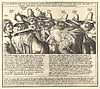
Conspiracy

Dance
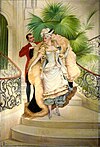
Gentleness
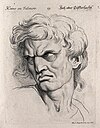
Hatred

Hunger

Repentance

Begging
Quarreling
Ravens

Swallows

Love

Fame
Vanity

Bribery

Equality
Success
Physiognomy
Winter
Husbandry

Hands
Fancies
God
Philanthropy
Illness

Innocence

Cannibalism in literature

Studying

Heart
Challenge

Twilight
Teachers

Killed in action

Astronomy

Delight
Shoemaking

Future

Exile

Smiling
Prison

Death

April

Lust

Home

Storytelling

Journalism
Praise

Villain

Help

Shame

Gossip

Peafowl

Cuckoos

Reform
Mockery

Conceit

Learning

Violets

Candles
Curiosity

Deafness

Confidence

Society
Crows

Education

Fire
Immortality

Kindness

Soul

Holiness

Government
Hearing
Mistakes
Angels
Ignorance
Architecture

Day

Politics
Adultery
Charity

Consideration
Voice

Dentistry

Cheerfulness
Owls

Sunrise

Play
Mischief
Eagles

Confession
Chance
Rumors

Antinatalism

Liberty
Perfection

Good and evil

Story

Poets

Revenge

Hospitality

Promises
Dolphins

Wealth

Growth

Plums

Prudence

Crown

Discord

Crocodile tears

Flatulence

Cockatrice

Doom

Looting
Tailors

Stolen kisses

England

Soliloquy

Gemstone

Philosophical pessimism

Cuckold

Feet

Sympathy

Appearance
Frogs

Debt
Slavery
Prophecy
Duty

Sincerity
Prosperity

Rebellion
Accident

Libraries
Forgiveness
Philosophy

Blessings

Carpentry
Inns

Wind

Modesty

Obedience

Herbs
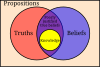
Belief
Sound

Vegetable

Dragons

Alphabet

Children

Bats

Nile

Quotations
-100px.jpg)
Index (publishing)
Grass

Lilies

Redistribution of income and wealth

Earth

Sunset

Wishes
Dignity

Water
-100px.jpg)
Redemption (theology)
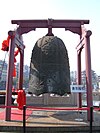
Bells

Clouds

Hungary

Simians

Flag
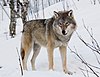
Wolves
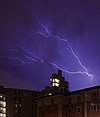
Electricity

Authors
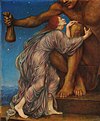
Greed
Guilt

Pansies

Worship

Butchers

Meeting

Paradox
Temperance

Valentine's Day
Manners
Self-awareness

Sicily

Happiness

Opinion

War and peace
-100px.jpg)
Will (philosophy)
Pain

Censure
Ballads
Perseverance
Ink
Falcons
Contemplation

Art

Contempt

Covetousness
Mermaids
Strength

Religion

Lions

Weather
Hornbook

Comfort

Bricklayers
Fidelity

Patriotism

Italy

Bravery

Beetles
Miracles

Fur

Misanthropy
Shipwreck
Order
Conquest
Nobility
Elysium

Students
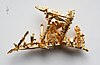
Gold

European robin

Faith

Symbols

Rivers

Judaism
-100px.jpg)
Aurora (mythology)

Blond

Poison

Superstition

Policy
Indulgence
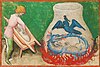
Alchemy
Darkness
Cannibalism
Cooking

Hound

Strangeness

Nightingales

Monologue
-100px.jpg)
The Sandman (comic book)

Unity
Auspicious

Human

Salad
Quicksand

Cities

Past

Sapphire

Egypt
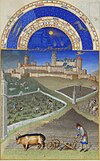
March

Uncertainty

Oceans
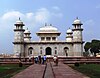
Tomb

Sweetness

Monuments

Mars

Furniture

Rain

Admiration

Cattle
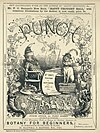
Satire

Eggs
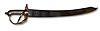
Cutlass

Rogue

Purity

Invention
Anger management

Rats

Regret

Sea

India
Failure

Freedom

Question

Cleanliness
Foppery

Proverbs
Dust

Feminism
Undertakers

Yew

Denmark
Citation
Sky

Counting

Depression

Leisure
Pies

Fraud

Suffering

Bugonia
-100px.png)
Race (human categorisation)

Boats

Present

Trade

Baboons
Employment

Instinct
Oracle

Sauce

Remorse
January
Pattern

Lombardy

Rome

Sexuality
Spoon

Lips
Boating

Mouths
Thrushes

Brotherhood

Selfishness

Injury

Listening

Resignation

Beef

Harvest

Business
Roast beef
Impatience

Experience

Independence

Nothingness

Otters

Misers

Awkwardness

Comet
-100px.jpg)
Spring (season)

Dew
Fools

Sports

Remedy

Vocation

Identity

Mice

Discourse

Porcupine
Glowworms

Clay

Christmas
Blindness
Pens

Mountain

Artist

Blacksmith

Midnight

Pleasure

Iron
Hats

Affection

Daffodils
Virginity

Companionship
Emerald

Welsh people

Air

Health

Amphibian
Cunning
Hiding
Religious views on love

Leopards

Copper
Mastiff

Perjury

Elephants
Meat

Betrayal

Islands
Wren
Seafood
Insect suffering
Sadness

Salmon
Violence

Ostriches

Autonomy

Streams
Echo

Fingers

Disappointment
-100px.jpg)
Neptune (mythology)
Camels

Amusement
Disgrace

Moths

Welsh language
-100px.jpg)
Habit (psychology)

Self

Knock knock jokes

Chaos

Strawberries
Genius
Partridge

Wedding
Necrophilia

December
Scandals

Poppies
Infamy

Phoenix
Unicorns

Courtiers

Light

Funeral

Conspiracy theories

Never

Facial expression

Navigation

Meditation

Luxury
Omen

Holy Land

Theatre
Muses
Sundial mottos
Idleness

Oysters

Darkling

Dowry
Geese
Warrior

Hawthorn
-100px.jpg)
Outcast (person)

Drugs
Economics

Control
Revolution

Masculinity

Tomorrow
Moderation
Sulfur
Roman Empire

Ownership

Honeysuckle

Spiritual intelligence

Reading

Mathematics and mysticism
Idiot
-100px.jpg)
Jupiter (mythology)
Religious text

Bores

Quackery

Song
Yeoman
Whales
Usury

Eternity
Societal collapse
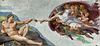
Creationism

Misogyny

Cupid

Siblings

Halloween

Prince
-100px.png)
Enlightenment (spiritual)

Abuse

Now

Dimples

Earthquake

Voyeurism

Printing

Cardamine pratensis

Ships

Pastoral

Biological sex

Visions

Animals

Bees

Homelessness
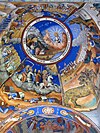
Apocalypse

Ultimate fate of the universe

Oxymoron
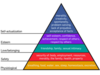
Need

Mourning

Dildo
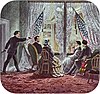
Assassination
Self-deception

Lawyers

Cunnilingus
Hedonism

Antisemitism
Planet

River Severn

Mantua
Trumpery
Wild animal suffering

Hare

Fortified wine
About William Shakespeare
William Shakespeare (26 April 1564 (baptised) – 23 April 1616) was an English poet, playwright, and actor, widely regarded as the greatest writer in the English language and the world's pre-eminent dramatist.
Best William Shakespeare Quotes
Shortest
Earliest
Explore our curated collection of the most famous and impactful William Shakespeare quotes.
“Off with his head!”
- William Shakespeare, Richard III

Richard, Act III, scene iv.
Wikiquote: "William Shakespeare" (William Shakespeare Quotes, Richard III (1592–3))
Wikiquote: "William Shakespeare" (William Shakespeare Quotes, Richard III (1592–3))
“A man can die but once.”
- William Shakespeare, Henry IV, Part 2
Feeble, Act III, scene ii.
Wikiquote: "William Shakespeare" (William Shakespeare Quotes, Henry IV, Part 2 (1597-8))
Wikiquote: "William Shakespeare" (William Shakespeare Quotes, Henry IV, Part 2 (1597-8))
“Beware the ides of March.”
- William Shakespeare, Julius Caesar
Soothsayer, Act I, scene ii.
Wikiquote: "William Shakespeare" (William Shakespeare Quotes, Julius Caesar (1599))
Wikiquote: "William Shakespeare" (William Shakespeare Quotes, Julius Caesar (1599))
“We have seen better days.”
- William Shakespeare, Timon of Athens
Flavius, Act IV, scene ii.
Wikiquote: "William Shakespeare" (William Shakespeare Quotes, Timon of Athens (1605))
Wikiquote: "William Shakespeare" (William Shakespeare Quotes, Timon of Athens (1605))
“Nothing can come of nothing.”
- William Shakespeare, King Lear
Lear, Act I, scene i.
Wikiquote: "William Shakespeare" (William Shakespeare Quotes, King Lear (1605–6))
Wikiquote: "William Shakespeare" (William Shakespeare Quotes, King Lear (1605–6))
“All that glisters is not gold.”
- William Shakespeare, The Merchant of Venice
Prince of Morocco, reading Portia's note, Act II, scene vii; this is the source of the popular paraphrase "All that glitters is not gold."
Wikiquote: "William Shakespeare" (William Shakespeare Quotes, The Merchant of Venice (1596–7))
Wikiquote: "William Shakespeare" (William Shakespeare Quotes, The Merchant of Venice (1596–7))
“Lord, what fools these mortals be!”
- William Shakespeare, A Midsummer Night's Dream
Puck, Act III, scene ii.
Wikiquote: "William Shakespeare" (William Shakespeare Quotes, A Midsummer Night's Dream (1595))
Wikiquote: "William Shakespeare" (William Shakespeare Quotes, A Midsummer Night's Dream (1595))
“If music be the food of love, play on.”
- William Shakespeare, Twelfth Night
Orsino, Act I, scene i.
Wikiquote: "William Shakespeare" (William Shakespeare Quotes, Twelfth Night (1601))
Wikiquote: "William Shakespeare" (William Shakespeare Quotes, Twelfth Night (1601))
“What cannot be eschewed must be embraced”
“What light through yonder window breaks?”
- William Shakespeare, Romeo and Juliet

Romeo, Act II, scene ii.
Wikiquote: "William Shakespeare" (William Shakespeare Quotes, Romeo and Juliet (1595))
Wikiquote: "William Shakespeare" (William Shakespeare Quotes, Romeo and Juliet (1595))
“Uneasy lies the head that wears a crown.”
- William Shakespeare, Henry IV, Part 2
King Henry, Act III, scene i.
Wikiquote: "William Shakespeare" (William Shakespeare Quotes, Henry IV, Part 2 (1597-8))
Wikiquote: "William Shakespeare" (William Shakespeare Quotes, Henry IV, Part 2 (1597-8))
“A horse! A horse! My kingdom for a horse!”
- William Shakespeare, Richard III
Richard, Act V, scene iv.
Wikiquote: "William Shakespeare" (William Shakespeare Quotes, Richard III (1592–3))
Wikiquote: "William Shakespeare" (William Shakespeare Quotes, Richard III (1592–3))
“O Romeo, Romeo! wherefore art thou Romeo?”
- William Shakespeare, Romeo and Juliet
Juliet, Act II, scene ii.
Wikiquote: "William Shakespeare" (William Shakespeare Quotes, Romeo and Juliet (1595))
Wikiquote: "William Shakespeare" (William Shakespeare Quotes, Romeo and Juliet (1595))
“To be or not to be, that is the question.”
- William Shakespeare, Hamlet
Hamlet, Act III, scene i.
Wikiquote: "William Shakespeare" (William Shakespeare Quotes, Hamlet (1600–1))
Wikiquote: "William Shakespeare" (William Shakespeare Quotes, Hamlet (1600–1))
“Cry 'Havoc!,' and let slip the dogs of war.”
- William Shakespeare, Julius Caesar
Antony, Act III, scene i.
Wikiquote: "William Shakespeare" (William Shakespeare Quotes, Julius Caesar (1599))
Wikiquote: "William Shakespeare" (William Shakespeare Quotes, Julius Caesar (1599))
“The course of true love never did run smooth.”
- William Shakespeare, A Midsummer Night's Dream
Lysander, Act I, scene i.
Wikiquote: "William Shakespeare" (William Shakespeare Quotes, A Midsummer Night's Dream (1595))
Wikiquote: "William Shakespeare" (William Shakespeare Quotes, A Midsummer Night's Dream (1595))
“Misery acquaints a man with strange bedfellows.”
- William Shakespeare, The Tempest
Trinculo, Act II, scene ii.
Wikiquote: "William Shakespeare" (William Shakespeare Quotes, The Tempest (1611))
Wikiquote: "William Shakespeare" (William Shakespeare Quotes, The Tempest (1611))
English Translation: "I give to my wife my second best bed with the furniture."
Original (Old English): "I gyve unto my wief my second best bed with the furniture"
“I gyve unto my wief my second best bed with the furniture”
Original (Old English): "I gyve unto my wief my second best bed with the furniture"
“It is a wise father that knows his own child.”
- William Shakespeare, The Merchant of Venice
Launcelot Gobbo, Act II, scene ii.
Wikiquote: "William Shakespeare" (William Shakespeare Quotes, The Merchant of Venice (1596–7))
Wikiquote: "William Shakespeare" (William Shakespeare Quotes, The Merchant of Venice (1596–7))
“Let me not to the marriage of true minds
Admit impediments.”
Admit impediments.”
- William Shakespeare, Sonnets
“The barge she sat in, like a burnish'd throne,
Burnt on the water.”
Burnt on the water.”
- William Shakespeare, Antony and Cleopatra
Enobarbus, Act II, scene ii.
Wikiquote: "William Shakespeare" (William Shakespeare Quotes, Antony and Cleopatra (1606))
Wikiquote: "William Shakespeare" (William Shakespeare Quotes, Antony and Cleopatra (1606))

“Golden lads and girls all must,
As chimney-sweepers, come to dust.”
As chimney-sweepers, come to dust.”
- William Shakespeare, Cymbeline
Guiderius, Act IV, scene ii.
Wikiquote: "William Shakespeare" (William Shakespeare Quotes, Cymbeline (1610))
Wikiquote: "William Shakespeare" (William Shakespeare Quotes, Cymbeline (1610))
“'The fool doth think he is wise, but the wise man knows himself to be a fool.'”
- William Shakespeare, As You Like It
Touchstone, Act V, scene i
Wikiquote: "William Shakespeare" (William Shakespeare Quotes, As You Like It (1599–1600))
Wikiquote: "William Shakespeare" (William Shakespeare Quotes, As You Like It (1599–1600))
“Now is the winter of our discontent
Made glorious summer by this sun of York.”
Made glorious summer by this sun of York.”
- William Shakespeare, Richard III
Richard, Act I, scene i.
Wikiquote: "William Shakespeare" (William Shakespeare Quotes, Richard III (1592–3))
Wikiquote: "William Shakespeare" (William Shakespeare Quotes, Richard III (1592–3))
“Some are born great, some achieve greatness, and some have greatness thrust upon 'em.”
- William Shakespeare, Twelfth Night
Malvolio, Act II, scene v.
Wikiquote: "William Shakespeare" (William Shakespeare Quotes, Twelfth Night (1601))
Wikiquote: "William Shakespeare" (William Shakespeare Quotes, Twelfth Night (1601))
“What's in a name? That which we call a rose,
By any other name would smell as sweet.”
By any other name would smell as sweet.”
- William Shakespeare, Romeo and Juliet
Juliet, Act II, scene ii.
Wikiquote: "William Shakespeare" (William Shakespeare Quotes, Romeo and Juliet (1595))
Wikiquote: "William Shakespeare" (William Shakespeare Quotes, Romeo and Juliet (1595))
“The better part of valour is discretion; in the which better part I have saved my life.”
- William Shakespeare, Henry IV, Part 1
Falstaff, Act V, scene iv.
Wikiquote: "William Shakespeare" (William Shakespeare Quotes, Henry IV, Part 1 (1597-8))
Wikiquote: "William Shakespeare" (William Shakespeare Quotes, Henry IV, Part 1 (1597-8))
“That deep torture may be called a hell,
When more is felt than one hath power to tell.”
When more is felt than one hath power to tell.”
“Cowards die many times before their deaths;
The valiant never taste of death but once.”
The valiant never taste of death but once.”
- William Shakespeare, Julius Caesar
Caesar, Act II, scene ii.
Wikiquote: "William Shakespeare" (William Shakespeare Quotes, Julius Caesar (1599))
Wikiquote: "William Shakespeare" (William Shakespeare Quotes, Julius Caesar (1599))
“We are such stuff
As dreams are made on; and our little life
Is rounded with a sleep.”
As dreams are made on; and our little life
Is rounded with a sleep.”
- William Shakespeare, The Tempest
Prospero, Act IV, scene i.
Wikiquote: "William Shakespeare" (William Shakespeare Quotes, The Tempest (1611))
Wikiquote: "William Shakespeare" (William Shakespeare Quotes, The Tempest (1611))
“Crabbed age and youth cannot live together:
Youth is full of pleasure, age is full of care”
Youth is full of pleasure, age is full of care”
The Passionate Pilgrim: A Madrigal; there is some doubt about the authorship of this.
Wikiquote: "William Shakespeare" (William Shakespeare Quotes)
Wikiquote: "William Shakespeare" (William Shakespeare Quotes)
“Beauty itself doth of itself persuade
The eyes of men without an orator.”
The eyes of men without an orator.”
“Love looks not with the eyes, but with the mind,
And therefore is wing'd Cupid painted blind.”
And therefore is wing'd Cupid painted blind.”
- William Shakespeare, A Midsummer Night's Dream
Helena, Act I, scene i.
Wikiquote: "William Shakespeare" (William Shakespeare Quotes, A Midsummer Night's Dream (1595))
Wikiquote: "William Shakespeare" (William Shakespeare Quotes, A Midsummer Night's Dream (1595))
“Reputation is an idle and most false imposition; oft got without merit and lost without deserving.”
- William Shakespeare, Othello
Iago, Act II, scene iii.
Wikiquote: "William Shakespeare" (William Shakespeare Quotes, Othello (1603–4))
Wikiquote: "William Shakespeare" (William Shakespeare Quotes, Othello (1603–4))
“Time's glory is to calm contending kings,
To unmask falsehood, and bring truth to light.”
To unmask falsehood, and bring truth to light.”
“On a day — alack the day! —
Love, whose month is ever May,
Spied a blossom passing fair
Playing in the wanton air”
Love, whose month is ever May,
Spied a blossom passing fair
Playing in the wanton air”
Sonnets to Sundry Notes of Music, II. Not to be confused with The Sonnets; this poem is not a sonnet
Wikiquote: "William Shakespeare" (William Shakespeare Quotes)
Wikiquote: "William Shakespeare" (William Shakespeare Quotes)
“If to do were as easy as to know what were good to do, chapels had been churches, and poor men’s cottages princes’ palaces.”
- William Shakespeare, The Merchant of Venice
Portia, Act I, scene ii.
Wikiquote: "William Shakespeare" (William Shakespeare Quotes, The Merchant of Venice (1596–7))
Wikiquote: "William Shakespeare" (William Shakespeare Quotes, The Merchant of Venice (1596–7))
“Men at some time are masters of their fates:
The fault, dear Brutus, is not in our stars,
But in ourselves, that we are underlings.”
The fault, dear Brutus, is not in our stars,
But in ourselves, that we are underlings.”
- William Shakespeare, Julius Caesar
Cassius, Act I, scene ii.
Wikiquote: "William Shakespeare" (William Shakespeare Quotes, Julius Caesar (1599))
Wikiquote: "William Shakespeare" (William Shakespeare Quotes, Julius Caesar (1599))
“All the world's a stage,
And all the men and women merely players:
They have their exits and their entrances;
And one man in his time plays many parts.”
And all the men and women merely players:
They have their exits and their entrances;
And one man in his time plays many parts.”
- William Shakespeare, As You Like It
Jaques, Act II, scene vii.
Wikiquote: "William Shakespeare" (William Shakespeare Quotes, As You Like It (1599–1600))
Wikiquote: "William Shakespeare" (William Shakespeare Quotes, As You Like It (1599–1600))
“Good frend for Jesus sake forbeare
To digg the dust encloased heare
Blese be the man that spares these stones
And curst be he that moves my bones”
To digg the dust encloased heare
Blese be the man that spares these stones
And curst be he that moves my bones”
“Friends, Romans, countrymen, lend me your ears;
I come to bury Caesar, not to praise him.
The evil that men do lives after them;
The good is oft interred with their bones.”
I come to bury Caesar, not to praise him.
The evil that men do lives after them;
The good is oft interred with their bones.”
- William Shakespeare, Julius Caesar
Antony, Act III, scene ii.
Wikiquote: "William Shakespeare" (William Shakespeare Quotes, Julius Caesar (1599))
Wikiquote: "William Shakespeare" (William Shakespeare Quotes, Julius Caesar (1599))
“Shall I compare thee to a summer's day?
Thou art more lovely and more temperate:
Rough winds do shake the darling buds of May,
And summer's lease hath all too short a date”
Thou art more lovely and more temperate:
Rough winds do shake the darling buds of May,
And summer's lease hath all too short a date”
- William Shakespeare, Sonnets
“What a piece of work is a man!
How noble in reason, how infinite in faculty!
In form and moving how express and admirable!
In action how like an angel,
in apprehension how like a god!”
How noble in reason, how infinite in faculty!
In form and moving how express and admirable!
In action how like an angel,
in apprehension how like a god!”
- William Shakespeare, Hamlet
Hamlet, Act II, scene ii.
Wikiquote: "William Shakespeare" (William Shakespeare Quotes, Hamlet (1600–1))
Wikiquote: "William Shakespeare" (William Shakespeare Quotes, Hamlet (1600–1))
“Full fathom five thy father lies;
Of his bones are coral made;
Those are pearls that were his eyes;
Nothing of him that doth fade,
But doth suffer a sea-change
Into something rich and strange.”
Of his bones are coral made;
Those are pearls that were his eyes;
Nothing of him that doth fade,
But doth suffer a sea-change
Into something rich and strange.”
- William Shakespeare, The Tempest
Ariel, Act I, scene ii.
Wikiquote: "William Shakespeare" (William Shakespeare Quotes, The Tempest (1611))
Wikiquote: "William Shakespeare" (William Shakespeare Quotes, The Tempest (1611))
“Neither a borrower nor a lender be;
For loan oft loses both itself and friend,
And borrowing dulls the edge of husbandry.
This above all: to thine ownself be true.
And it must follow, as the night the day,
Thou canst not then be false to any man.”
For loan oft loses both itself and friend,
And borrowing dulls the edge of husbandry.
This above all: to thine ownself be true.
And it must follow, as the night the day,
Thou canst not then be false to any man.”
- William Shakespeare, Hamlet
Polonius, Act I, scene iii.
Wikiquote: "William Shakespeare" (William Shakespeare Quotes, Hamlet (1600–1))
Wikiquote: "William Shakespeare" (William Shakespeare Quotes, Hamlet (1600–1))
“I am a Jew. Hath not a Jew eyes? Hath not a Jew hands, organs, dimensions, senses, affections, passions; fed with the same food, hurt with the same weapons, subject to the same diseases, heal'd by the same means, warm'd and cool'd by the same winter and summer, as a Christian is? If you prick us, do we not bleed? If you tickle us, do we not laugh? If you poison us, do we not die? And if you wrong us, shall we not revenge?”
- William Shakespeare, The Merchant of Venice
Shylock, Act III, scene i.
Wikiquote: "William Shakespeare" (William Shakespeare Quotes, The Merchant of Venice (1596–7))
Wikiquote: "William Shakespeare" (William Shakespeare Quotes, The Merchant of Venice (1596–7))
“Tomorrow, and tomorrow, and tomorrow,
Creeps in this petty pace from day to day,
To the last syllable of recorded time;
And all our yesterdays have lighted fools
The way to dusty death. Out, out, brief candle!
Life's but a walking shadow, a poor player
That struts and frets his hour upon the stage,
And then is heard no more. It is a tale
Told by an idiot, full of sound and fury,
Signifying nothing.”
Creeps in this petty pace from day to day,
To the last syllable of recorded time;
And all our yesterdays have lighted fools
The way to dusty death. Out, out, brief candle!
Life's but a walking shadow, a poor player
That struts and frets his hour upon the stage,
And then is heard no more. It is a tale
Told by an idiot, full of sound and fury,
Signifying nothing.”
- William Shakespeare, Macbeth
Macbeth, Act V, scene v.
Wikiquote: "William Shakespeare" (William Shakespeare Quotes, Macbeth (1606))
Wikiquote: "William Shakespeare" (William Shakespeare Quotes, Macbeth (1606))
William Shakespeare Quotes by Topic
Find exactly what you are looking for by browsing this categorized list of William Shakespeare quotes by topic.
William Shakespeare on Time 31 quotes
“There's a time for all things.”
William Shakespeare, The Comedy of Errors (c. 1592-1594), Act II, scene 2, line 66
Compare The Bible, Ecclesiastes 3:1: To everything there is a season, and a time to every purpose under the heaven.
Wikiquote: "Time" (S)
Compare The Bible, Ecclesiastes 3:1: To everything there is a season, and a time to every purpose under the heaven.
Wikiquote: "Time" (S)
William Shakespeare on Marriage 25 quotes
“A world-without-end bargain.”
- William Shakespeare, S)
William Shakespeare, Love's Labour's Lost (c. 1595-6), Act V, scene 2, line 799.
Wikiquote: "Marriage" (Quotes, S)
Wikiquote: "Marriage" (Quotes, S)
William Shakespeare on Law 24 quotes
“We are for law; he dies.”
William Shakespeare, Timon of Athens (date uncertain, published 1623), Act III, scene 5, line 86.
Wikiquote: "Law" (S)
Wikiquote: "Law" (S)
William Shakespeare on Grief 24 quotes
“For grief is crowned with consolation.”
William Shakespeare, Antony and Cleopatra (1600s), Act I, scene 2, line 173.
Wikiquote: "Grief" (Quotes)
Wikiquote: "Grief" (Quotes)
William Shakespeare on Words 23 quotes
“Words pay no debts, give her deeds.”
- William Shakespeare, S)
William Shakespeare, Troilus and Cressida (c. 1602), Act III, scene 2, line 58.
Wikiquote: "Words" (Quotes, S)
Wikiquote: "Words" (Quotes, S)
William Shakespeare on Sleep 22 quotes
“I let fall the windows of mine eyes.”
William Shakespeare on Music 22 quotes
“And it will discourse most eloquent music.”
William Shakespeare, Hamlet (1600-02), Act III, scene 2, line 374. ("Excellent music" in Knight's ed.).
Wikiquote: "Music" (Hoyt's New Cyclopedia Of Practical Quotations:
Quotes reported in Hoyt's New Cyclopedia Of Practical Quotations (1922), p. 535-41.)
Wikiquote: "Music" (Hoyt's New Cyclopedia Of Practical Quotations:
Quotes reported in Hoyt's New Cyclopedia Of Practical Quotations (1922), p. 535-41.)
William Shakespeare on Eating 21 quotes
“Unquiet meals make ill digestions.”
William Shakespeare on Cowardice 20 quotes
“A plague of all cowards, I say.”
William Shakespeare on Kissing 20 quotes
“I'll take that winter from your lips.”
- William Shakespeare, Hoyt's New Cyclopedia Of Practical Quotations
William Shakespeare, Troilus and Cressida (c. 1602), Act IV, scene 5, line 23.
Wikiquote: "Kissing" (Quotes, Hoyt's New Cyclopedia Of Practical Quotations:
Quotes reported in Hoyt's New Cyclopedia Of Practical Quotations (1922), p. 416-19.)
Wikiquote: "Kissing" (Quotes, Hoyt's New Cyclopedia Of Practical Quotations:
Quotes reported in Hoyt's New Cyclopedia Of Practical Quotations (1922), p. 416-19.)
William Shakespeare on Eyes 20 quotes
“A lover's eyes will gaze an eagle blind.”
William Shakespeare, Love's Labour's Lost (c. 1595-6), Act IV, scene 3, line 334.
Wikiquote: "Eyes" (S)
Wikiquote: "Eyes" (S)
William Shakespeare on Friendship 19 quotes
“Friendship's full of dregs.”
William Shakespeare, Timon of Athens (date uncertain, published 1623), Act I, scene 2, line 240.
Wikiquote: "Friendship" (S)
Wikiquote: "Friendship" (S)
William Shakespeare on Sorrow 19 quotes
“Down, thou climbing sorrow.”
- William Shakespeare, William Shakespeare)
William Shakespeare, King Lear (1608), Act II, scene 4, line 57.
Wikiquote: "Sorrow" (Quotes, William Shakespeare)
Wikiquote: "Sorrow" (Quotes, William Shakespeare)
William Shakespeare on Ageing 19 quotes
“An old man is twice a child.”
- William Shakespeare, Hoyt's New Cyclopedia Of Practical Quotations
William Shakespeare, Hamlet (1600-02), Act II, scene 2, line 404.
Wikiquote: "Ageing" (Quotes, Hoyt's New Cyclopedia Of Practical Quotations:
Quotes reported in Hoyt's New Cyclopedia Of Practical Quotations (1922), p. 12-17.)
Wikiquote: "Ageing" (Quotes, Hoyt's New Cyclopedia Of Practical Quotations:
Quotes reported in Hoyt's New Cyclopedia Of Practical Quotations (1922), p. 12-17.)
William Shakespeare on Judgment 19 quotes
“Forbear to judge, for we are sinners all.”
William Shakespeare, Henry VI, Part II (c. 1590-91), Act III, scene 3, line 31.
Wikiquote: "Judgment" (S)
Wikiquote: "Judgment" (S)
William Shakespeare on Man 18 quotes
“Every man is odd.”
William Shakespeare, Troilus and Cressida (c. 1602), Act IV, scene 5, line 42
Wikiquote: "Man" (Quotes:
Sorted alphabetically by author or source, I - Z)
Wikiquote: "Man" (Quotes:
Sorted alphabetically by author or source, I - Z)
William Shakespeare on Beauty 17 quotes
“Beauty doth varnish age.”
William Shakespeare, Love's Labour's Lost (c. 1595-96), Act IV, scene 3, line 244
Wikiquote: "Beauty" (S)
Wikiquote: "Beauty" (S)
William Shakespeare on Foolishness 17 quotes
“Fools are not mad folks.”
William Shakespeare on Truth 17 quotes
“My man's as true as steel.”
William Shakespeare, Romeo and Juliet (1597), Act II, scene 4, line 209. Troilus and Cressida, Act III, scene 2, line 166.
Wikiquote: "Truth" (S)
Wikiquote: "Truth" (S)
William Shakespeare on Merriment 17 quotes
“As merry as the day is long.”
William Shakespeare, Much Ado About Nothing (1598-99), Act II, scene 1, line 45.
Wikiquote: "Merriment" (Quotes)
Wikiquote: "Merriment" (Quotes)
William Shakespeare on Wit 17 quotes
“They have a plentiful lack of wit.”
William Shakespeare on Courtship 17 quotes
“A heaven on earth I have won by wooing thee.”
William Shakespeare, All's Well That Ends Well (1600s), Act IV, scene 2, line 66.
Wikiquote: "Courtship" (Quotes)
Wikiquote: "Courtship" (Quotes)
William Shakespeare on Flowers 17 quotes
“I am that flower,—That mint.—That columbine.”
- William Shakespeare, Specific types, Columbine
William Shakespeare, Love's Labor Lost, Act V, scene 2, line 661.
Wikiquote: "Flowers" (Quotes, Specific types, Columbine (Aquilegia Canadensis), Hoyt's New Cyclopedia Of Practical Quotations:
Quotes reported in Hoyt's New Cyclopedia Of Practical Quotations (1922), p. 124.)
Wikiquote: "Flowers" (Quotes, Specific types, Columbine (Aquilegia Canadensis), Hoyt's New Cyclopedia Of Practical Quotations:
Quotes reported in Hoyt's New Cyclopedia Of Practical Quotations (1922), p. 124.)
William Shakespeare on Honor 16 quotes
“And pluck up drowned honour by the locks.”
William Shakespeare on Defamation 16 quotes
“Virtue itself 'scapes not calumnious strokes.”
- William Shakespeare, S)
William Shakespeare on English proverbs (alphabetically by proverb) 15 quotes
“Westward-ho!”
William Shakespeare, Twelfth Night (c. 1601-02), Act III, scene 1, line 146; reported as a proverb in Hoyt's New Cyclopedia Of Practical Quotations (1922), p. 643.
Wikiquote: "English proverbs (alphabetically by proverb)" (Hoyt's New Cyclopedia Of Practical Quotations:
Quotes reported as proverbs in Hoyt's New Cyclopedia Of Practical Quotations (1922), p. 639-43., Proverbs and Popular Phrases:
(Alphabetically arranged by text of quote).)
Wikiquote: "English proverbs (alphabetically by proverb)" (Hoyt's New Cyclopedia Of Practical Quotations:
Quotes reported as proverbs in Hoyt's New Cyclopedia Of Practical Quotations (1922), p. 639-43., Proverbs and Popular Phrases:
(Alphabetically arranged by text of quote).)
William Shakespeare on Destiny 15 quotes
“What a falling-off was there!”
William Shakespeare, Hamlet (1600-02), Act I, scene 5, line 47.
Wikiquote: "Destiny" (Quotes:
Alphabetized by author or source )
Wikiquote: "Destiny" (Quotes:
Alphabetized by author or source )
William Shakespeare on Conscience 14 quotes
“They are our outward consciences.”
William Shakespeare on Medicine 14 quotes
“When I was sick, you gave me bitter pills.”
- William Shakespeare, Hoyt's New Cyclopedia Of Practical Quotations
William Shakespeare, The Two Gentlemen of Verona (1590s), Act II, scene 4, line 149.
Wikiquote: "Medicine" (Quotes, Hoyt's New Cyclopedia Of Practical Quotations:
Quotes reported in Hoyt's New Cyclopedia Of Practical Quotations (1922), p. 502-04.)
Wikiquote: "Medicine" (Quotes, Hoyt's New Cyclopedia Of Practical Quotations:
Quotes reported in Hoyt's New Cyclopedia Of Practical Quotations (1922), p. 502-04.)
William Shakespeare on Dreams 14 quotes
“I have had a dream, past the wit of man to say what dream it was.”
William Shakespeare on News 13 quotes
“I drown'd these news in tears.”
William Shakespeare, Henry VI, Part III (c. 1591), Act II, scene 1, line 104.
Wikiquote: "News" (Quotes)
Wikiquote: "News" (Quotes)
William Shakespeare on Fortune 13 quotes
“And rail'd on Lady Fortune in good terms.”
William Shakespeare, As You Like It (c.1599-1600), Act II, scene 7, line 16.
Wikiquote: "Fortune" (Quotes)
Wikiquote: "Fortune" (Quotes)
William Shakespeare on Fate 13 quotes
“But, O vain boast! Who can control his fate?”
William Shakespeare on Patience 12 quotes
“Sufferance is the badge of all our tribe.”
William Shakespeare, The Merchant of Venice (late 1590s), Act I, scene 3, line 111.
Wikiquote: "Patience" (S)
Wikiquote: "Patience" (S)
William Shakespeare on Faces 12 quotes
“Thus is his cheek the map of days outworn.”
- William Shakespeare, Hoyt's New Cyclopedia Of Practical Quotations
William Shakespeare, Sonnet LXVIII.
Wikiquote: "Faces" (Quotes, Hoyt's New Cyclopedia Of Practical Quotations:
Quotes reported in Hoyt's New Cyclopedia Of Practical Quotations (1922), p. 250-52.)
Wikiquote: "Faces" (Quotes, Hoyt's New Cyclopedia Of Practical Quotations:
Quotes reported in Hoyt's New Cyclopedia Of Practical Quotations (1922), p. 250-52.)
William Shakespeare on Courage 12 quotes
“O, the blood more stirs To rouse a lion than to start a hare!”
William Shakespeare on Action 11 quotes
“What's done can't be undone.”
William Shakespeare on Faults 11 quotes
“Faults that are rich are fair.”
William Shakespeare, Timon of Athens (date uncertain, published 1623), Act I, scene 2, line 13.
Wikiquote: "Faults" (Quotes)
Wikiquote: "Faults" (Quotes)
William Shakespeare on Contentment 11 quotes
“Our content Is our best having.”
William Shakespeare on Treason 11 quotes
English Translation: "And you, Brutus! Then fall, Caesar!"
Original (Latin): "Et tu Brute! Then fall, Cæsar!"
“Et tu Brute! Then fall, Cæsar!”
Original (Latin): "Et tu Brute! Then fall, Cæsar!"
William Shakespeare on Soldiers 11 quotes
“Arm'd at point exactly, cap-à-pie.”
William Shakespeare on World 11 quotes
“Mad world. Mad kings. Mad composition.”
William Shakespeare on Horses 11 quotes
“He doth nothing but talk of his horse.”
William Shakespeare on Justice 11 quotes
“He shall have merely justice and his bond.”
William Shakespeare, The Merchant of Venice (late 1590s), Act IV, scene 1, line 339.
Wikiquote: "Justice" (S)
Wikiquote: "Justice" (S)
William Shakespeare on Rape 11 quotes
“You are both decipher'd For villains mark'd with rape.”
William Shakespeare on Dishonesty 10 quotes
“A quicksand of deceit.”
William Shakespeare, Henry VI, Part III (c. 1591), Act V, scene 4, line 26
Wikiquote: "Dishonesty" (S)
Wikiquote: "Dishonesty" (S)
William Shakespeare on Greatness 10 quotes
“Greatness knows itself.”
William Shakespeare on Devil 10 quotes
“He will give the devil his due.”
William Shakespeare, Henry IV, Part I (c. 1597), Act I, scene 2, line 132. Dryden. Epilogue to the Duke of Guise
Wikiquote: "Devil" (Quotes)
Wikiquote: "Devil" (Quotes)
William Shakespeare on Pride 10 quotes
“My pride fell with my fortunes.”
William Shakespeare on Books 10 quotes
“We turn'd o'er many books together.”
William Shakespeare, The Merchant of Venice (late 1590s), Act IV, scene 1, line 156.
Wikiquote: "Books" (S)
Wikiquote: "Books" (S)
William Shakespeare on Hair 10 quotes
“Alas, poor chin! many a wart is richer.”
- William Shakespeare, Hoyt's New Cyclopedia Of Practical Quotations
William Shakespeare, Troilus and Cressida (c. 1602), Act I, scene 2, line 154.
Wikiquote: "Hair" (Quotes, Hoyt's New Cyclopedia Of Practical Quotations:
Quotes reported in Hoyt's New Cyclopedia Of Practical Quotations (1922), p. 347-49.)
Wikiquote: "Hair" (Quotes, Hoyt's New Cyclopedia Of Practical Quotations:
Quotes reported in Hoyt's New Cyclopedia Of Practical Quotations (1922), p. 347-49.)
William Shakespeare on Christianity 10 quotes
“It is spoke as Christians ought to speak.”
William Shakespeare, The Merry Wives of Windsor (c. 1597; published 1602), Act I, scene 1, line 103.
Wikiquote: "Christianity" (The twentieth century, Hoyt's New Cyclopedia Of Practical Quotations:
Quotes reported in Hoyt's New Cyclopedia Of Practical Quotations (1922), p. 115-116.)
Wikiquote: "Christianity" (The twentieth century, Hoyt's New Cyclopedia Of Practical Quotations:
Quotes reported in Hoyt's New Cyclopedia Of Practical Quotations (1922), p. 115-116.)
William Shakespeare on Sin 10 quotes
“Some sins do bear their privilege on earth.”
William Shakespeare on Trees 10 quotes
“Slips of yew Sliver'd in the moon's eclipse.”
- William Shakespeare, Specific types, Hoyt's New Cyclopedia Of Practical Quotations
William Shakespeare, Macbeth (1605), Act IV, scene 1, line 27.
Wikiquote: "Trees" (Quotes, Specific types, Hoyt's New Cyclopedia Of Practical Quotations:
Quotes reported in Hoyt's New Cyclopedia Of Practical Quotations (1922), p. 921.)
Wikiquote: "Trees" (Quotes, Specific types, Hoyt's New Cyclopedia Of Practical Quotations:
Quotes reported in Hoyt's New Cyclopedia Of Practical Quotations (1922), p. 921.)
William Shakespeare on Ambition 9 quotes
“Ambition's debt is paid.”
William Shakespeare, Julius Cæsar (1599), Act III, scene 1, line 83
Wikiquote: "Ambition" (Hoyt's New Cyclopedia Of Practical Quotations:
Quotes reported in Hoyt's New Cyclopedia Of Practical Quotations (1922), p. 20-21.)
Wikiquote: "Ambition" (Hoyt's New Cyclopedia Of Practical Quotations:
Quotes reported in Hoyt's New Cyclopedia Of Practical Quotations (1922), p. 20-21.)
William Shakespeare on Welcome 9 quotes
“His worth is warrant for his welcome.”
William Shakespeare, The Two Gentlemen of Verona (1590s), Act II, scene 4, line 102.
Wikiquote: "Welcome" (Quotes)
Wikiquote: "Welcome" (Quotes)
William Shakespeare on Names 9 quotes
“When we were happy we had other names.”
- William Shakespeare, Hoyt's New Cyclopedia Of Practical Quotations
William Shakespeare, ''King John, Act V, scene 4, line 7.
Wikiquote: "Names" (Quotes, Hoyt's New Cyclopedia Of Practical Quotations:
Quotes reported in Hoyt's New Cyclopedia Of Practical Quotations (1922), p. 541-43.)
Wikiquote: "Names" (Quotes, Hoyt's New Cyclopedia Of Practical Quotations:
Quotes reported in Hoyt's New Cyclopedia Of Practical Quotations (1922), p. 541-43.)
William Shakespeare on Speech 9 quotes
“A heavy heart bears not a humble tongue.”
William Shakespeare, Love's Labour's Lost (c. 1595-6), Act V, scene 2, line 747.
Wikiquote: "Speech" (S)
Wikiquote: "Speech" (S)
William Shakespeare on Larks 9 quotes
“It was the lark, the herald of the morn.”
- William Shakespeare, Hoyt's New Cyclopedia Of Practical Quotations
William Shakespeare, Romeo and Juliet (1597), Act III, scene 5, line 6.
Wikiquote: "Larks" (Quotes, Hoyt's New Cyclopedia Of Practical Quotations:
Quotes reported in Hoyt's New Cyclopedia Of Practical Quotations (1922), p. 427-28.)
Wikiquote: "Larks" (Quotes, Hoyt's New Cyclopedia Of Practical Quotations:
Quotes reported in Hoyt's New Cyclopedia Of Practical Quotations (1922), p. 427-28.)
William Shakespeare on Pity 9 quotes
“Tear-falling pity dwells not in his eye.”
William Shakespeare on Sun 9 quotes
“Men shut their doors against a setting sun.”
William Shakespeare, Timon of Athens (date uncertain, published 1623), Act I, scene 2, line 129
Wikiquote: "Sun" (Quotes)
Wikiquote: "Sun" (Quotes)
William Shakespeare on Talk 9 quotes
“Talk with a man out at a window—a proper saying.”
William Shakespeare, Much Ado About Nothing (1598-99), Act IV, scene 1, line 190.
Wikiquote: "Talk" (Quotes)
Wikiquote: "Talk" (Quotes)
William Shakespeare on Intemperance 9 quotes
“Every inordinate cup is unblessed and the ingredient is a devil.”
William Shakespeare, Othello (c. 1603), Act II, scene 3, line 309.
Wikiquote: "Intemperance" (Quotes)
Wikiquote: "Intemperance" (Quotes)
William Shakespeare on Storm 9 quotes
“Blow wind, swell billow, and swim bark! The storm is up, and all is on the hazard.”
William Shakespeare, Julius Cæsar (1599), Act V, scene 1, line 67.
Wikiquote: "Storm" (Quotes: [[File:B._Peeters_-_Schipbreuk_op_een_rotskust_-_E37_-_Cultural_Heritage_Agency_of_the_Netherlands_Art_Collection.jpg|thumb|
Bonaventura Peeters: Storm (1650)]])
Wikiquote: "Storm" (Quotes: [[File:B._Peeters_-_Schipbreuk_op_een_rotskust_-_E37_-_Cultural_Heritage_Agency_of_the_Netherlands_Art_Collection.jpg|thumb|
Bonaventura Peeters: Storm (1650)]])
William Shakespeare on Reason 8 quotes
“Every why hath a wherefore.”
William Shakespeare, The Comedy of Errors (1592-94), Act II, scene 2, line 44.
Wikiquote: "Reason" (S)
Wikiquote: "Reason" (S)
William Shakespeare on Enemies 8 quotes
“A thing devised by the enemy.”
William Shakespeare on Honesty 8 quotes
“No legacy is so rich as honesty.”
William Shakespeare, All's Well That Ends Well (1600s), Act III, scene 5, line 13.
Wikiquote: "Honesty" (S)
Wikiquote: "Honesty" (S)
William Shakespeare on Mail 8 quotes
“Let me hear from thee by letters.”
William Shakespeare, The Two Gentlemen of Verona (1590s), Act I, scene 1, line 57.
Wikiquote: "Mail" (Quotes)
Wikiquote: "Mail" (Quotes)
William Shakespeare on Gentlemen 8 quotes
“An affable and courteous gentleman.”
William Shakespeare, The Taming of the Shrew (c. 1593-94), Act I, scene 2, line 98.
Wikiquote: "Gentlemen" (S)
Wikiquote: "Gentlemen" (S)
William Shakespeare on Temptation 8 quotes
“To beguile many and be beguil'd by one.”
William Shakespeare on Insanity 8 quotes
“Fetter strong madness in a silken thread.”
- William Shakespeare, Hoyt's New Cyclopedia Of Practical Quotations
William Shakespeare, Much Ado About Nothing (1598-99), Act V, scene 1, line 25.
Wikiquote: "Insanity" (Quotes, Hoyt's New Cyclopedia Of Practical Quotations:
Quotes reported in Hoyt's New Cyclopedia Of Practical Quotations (1922), p. 396-97.)
Wikiquote: "Insanity" (Quotes, Hoyt's New Cyclopedia Of Practical Quotations:
Quotes reported in Hoyt's New Cyclopedia Of Practical Quotations (1922), p. 396-97.)
William Shakespeare on Homicide 8 quotes
“No place, indeed, should murder sanctuarize.”
- William Shakespeare, S)
William Shakespeare on Nature 8 quotes
“How hard it is to hide the sparks of Nature!”
William Shakespeare, Cymbeline (1611), Act III, scene 3, line 79.
Wikiquote: "Nature" (Hoyt's New Cyclopedia Of Practical Quotations:
Quotes reported in Hoyt's New Cyclopedia Of Practical Quotations (1922), p. 544-48.)
Wikiquote: "Nature" (Hoyt's New Cyclopedia Of Practical Quotations:
Quotes reported in Hoyt's New Cyclopedia Of Practical Quotations (1922), p. 544-48.)
William Shakespeare on Mercy 8 quotes
“Mercy but murders, pardoning those that kill.”
William Shakespeare, Romeo and Juliet (1597), Act III, scene 1, line 202
Wikiquote: "Mercy" (Quotes:
Alphabetized by author , Hoyt's New Cyclopedia Of Practical Quotations:
Quotes reported in Hoyt's New Cyclopedia Of Practical Quotations (1922), p. 509-10.)
Wikiquote: "Mercy" (Quotes:
Alphabetized by author , Hoyt's New Cyclopedia Of Practical Quotations:
Quotes reported in Hoyt's New Cyclopedia Of Practical Quotations (1922), p. 509-10.)
William Shakespeare on Theft 8 quotes
“In limited professions there's boundless theft.”
- William Shakespeare, Q-Z)
William Shakespeare, Timon of Athens (date uncertain, published 1623), Act IV, scene 3, line 430.
Wikiquote: "Theft" (Quotes, Q-Z)
Wikiquote: "Theft" (Quotes, Q-Z)
William Shakespeare on Reputation 8 quotes
“I have offended reputation, A most unnoble swerving.”
William Shakespeare, Antony and Cleopatra (1600s), Act III, scene 11, line 49.
Wikiquote: "Reputation" (Quotes)
Wikiquote: "Reputation" (Quotes)
William Shakespeare on Flattery 8 quotes
“O, that men's ears should be To counsel deaf, but not to flattery!”
William Shakespeare, Timon of Athens (date uncertain, published 1623), Act I, scene 2, line 256.
Wikiquote: "Flattery" (Quotes)
Wikiquote: "Flattery" (Quotes)
William Shakespeare on Morning 8 quotes
“An hour before the worshipp'd sun Peer'd from the golden window of the east.”
William Shakespeare, Romeo and Juliet (1597), Act I, scene 1, line 125.
Wikiquote: "Morning" (Quotes)
Wikiquote: "Morning" (Quotes)
William Shakespeare on Constancy 8 quotes
“He that parts us shall bring a brand from heaven, And fire us hence like foxes.”
William Shakespeare on Comparisons 7 quotes
“Hyperion to a satyr.”
- William Shakespeare, Hoyt's New Cyclopedia Of Practical Quotations
William Shakespeare, Hamlet (1600-02), Act I, scene 2, line 140.
Wikiquote: "Comparisons" (Quotes, Hoyt's New Cyclopedia Of Practical Quotations:
Quotes reported in Hoyt's New Cyclopedia Of Practical Quotations (1922), p. 125-27.)
Wikiquote: "Comparisons" (Quotes, Hoyt's New Cyclopedia Of Practical Quotations:
Quotes reported in Hoyt's New Cyclopedia Of Practical Quotations (1922), p. 125-27.)
William Shakespeare on Life 7 quotes
“Thy life's a miracle.”
William Shakespeare, King Lear (1608), Act IV, scene 6, line 55.
Wikiquote: "Life" (S, William Shakespeare on Life)
Wikiquote: "Life" (S, William Shakespeare on Life)
William Shakespeare on Birds 7 quotes
"A little bird told me," popularized by Shakespeare, has roots stretching back to ancient Greek fables and the Bible, representing information gleaned from a secret source.
“A little bird told me.”
- William Shakespeare, Birds, generally, S)
William Shakespeare, Henry IV, Part 2 (1597–8). Last lines. See also Mahomet's pigeon, the "pious lie", Life of Mahomet in Library of Useful Knowledge, note p. 19. Aristophanes, Aves. See Robinson's Antiquities, Greek, bk. 3, ch. 15, ad init. Ecclesiastes 10:20. Reported in Hoyt's New Cyclopedia of Practical Quotations (1922), p. 70
Wikiquote: "Birds" (Quotes, Birds, generally, S)
Wikiquote: "Birds" (Quotes, Birds, generally, S)
William Shakespeare on Imagination 7 quotes
“In my mind's eye, Horatio.”
William Shakespeare on Chastity 7 quotes
“As chaste as unsunn'd snow.”
William Shakespeare on Authority 7 quotes
“There is no fettering of authority.”
William Shakespeare, All's Well That Ends Well (1600s), Act II, scene 3, line 248.
Wikiquote: "Authority" (S)
Wikiquote: "Authority" (S)
William Shakespeare on Carefulness 7 quotes
“I am sure, care's an enemy to life.”
- William Shakespeare, Hoyt's New Cyclopedia Of Practical Quotations
William Shakespeare, Twelfth Night (c. 1601-02), Act I, scene 3, line 2.
Wikiquote: "Carefulness" (Quotes, Hoyt's New Cyclopedia Of Practical Quotations:
Quotes reported in Hoyt's New Cyclopedia Of Practical Quotations (1922), p. 90.)
Wikiquote: "Carefulness" (Quotes, Hoyt's New Cyclopedia Of Practical Quotations:
Quotes reported in Hoyt's New Cyclopedia Of Practical Quotations (1922), p. 90.)
William Shakespeare on Wounds 7 quotes
“He in peace is wounded, not in war.”
William Shakespeare on Adversity 7 quotes
“Adversity's sweet milk, philosophy.”
William Shakespeare on Stars 7 quotes
“These blessed candles of the night.”
- William Shakespeare, S)
William Shakespeare, The Merchant of Venice (late 1590s), Act V, scene 1, line 220.
Wikiquote: "Stars" (Quotes, S)
Wikiquote: "Stars" (Quotes, S)
William Shakespeare on Clothing 7 quotes
“The soul of this man is his clothes.”
William Shakespeare, All's Well That Ends Well (1600s), Act II, scene 5, line 45.
Wikiquote: "Clothing" (L, S)
Wikiquote: "Clothing" (L, S)
William Shakespeare on Appetite 7 quotes
“Or cloy the hungry edge of appetite?”
William Shakespeare on Grave (burial) 7 quotes
“Taking the measure of an unmade grave.”
William Shakespeare, Romeo and Juliet (1597), Act III, scene 3, line 70.
Wikiquote: "Grave (burial)" (Quotes)
Wikiquote: "Grave (burial)" (Quotes)
William Shakespeare on Doubt 7 quotes
“No hinge nor loop, To hang a doubt on.”
William Shakespeare on Public speaking 7 quotes
“Be not thy tongue thy own shame's orator.”
William Shakespeare, The Comedy of Errors (1592-1594), Act III, scene 2, line 10.
Wikiquote: "Public speaking" (Quotes)
Wikiquote: "Public speaking" (Quotes)
William Shakespeare on Haste 7 quotes
“Swifter than arrow from the Tartar's bow.”
William Shakespeare, A Midsummer Night's Dream (c. 1595-96), Act III, scene 2, line 101.
Wikiquote: "Haste" (Quotes)
Wikiquote: "Haste" (Quotes)
William Shakespeare on Mind 7 quotes
“For 'tis the mind that makes the body rich.”
William Shakespeare, The Taming of the Shrew (c. 1593-94), Act IV, scene 3, line 174.
Wikiquote: "Mind" (Hoyt's New Cyclopedia Of Practical Quotations:
Quotes reported in Hoyt's New Cyclopedia Of Practical Quotations (1922), p. 513-16.)
Wikiquote: "Mind" (Hoyt's New Cyclopedia Of Practical Quotations:
Quotes reported in Hoyt's New Cyclopedia Of Practical Quotations (1922), p. 513-16.)
William Shakespeare on Youth 7 quotes
“My salad days; When I was green in judgment.”
William Shakespeare on Childhood 7 quotes
“It is a wise father that knows his own child.”
William Shakespeare, The Merchant of Venice (late 1590s), Act II, scene 2, line 80.
Wikiquote: "Childhood" (Quotes)
Wikiquote: "Childhood" (Quotes)
William Shakespeare on Ingratitude 7 quotes
“What, would'st thou have a serpent sting thee twice?”
William Shakespeare, The Merchant of Venice (late 1590s), Act IV, scene 1, line 69.
Wikiquote: "Ingratitude" (Quotes)
Wikiquote: "Ingratitude" (Quotes)
William Shakespeare on Tongues 7 quotes
“Many a man's tongue shakes out his master's undoing.”
William Shakespeare, All's Well That Ends Well (1600s), Act II, scene 4, line 23.
Wikiquote: "Tongues" (Quotes)
Wikiquote: "Tongues" (Quotes)
William Shakespeare on Change 7 quotes
“I am not so nice, To change true rules for old inventions.”
William Shakespeare, The Taming of the Shrew (c. 1593-94), Act III, scene 1, line 80
Wikiquote: "Change" (S: le:Leonard Nimoy as Spock 1967.jpg|thumb|Change is the essential process of all existence. ~ Spock ]])
Wikiquote: "Change" (S: le:Leonard Nimoy as Spock 1967.jpg|thumb|Change is the essential process of all existence. ~ Spock ]])
William Shakespeare on Despair 7 quotes
“For nothing canst thou to damnation add Greater than that.”
William Shakespeare, Othello (c. 1603), Act III, scene 3, line 372.
Wikiquote: "Despair" (Quotes:
Alphabetized by author , Hoyt's New Cyclopedia Of Practical Quotations:
Quotes reported in Hoyt's New Cyclopedia Of Practical Quotations (1922), p. 189-90.)
Wikiquote: "Despair" (Quotes:
Alphabetized by author , Hoyt's New Cyclopedia Of Practical Quotations:
Quotes reported in Hoyt's New Cyclopedia Of Practical Quotations (1922), p. 189-90.)
William Shakespeare on Oaths 7 quotes
“What fool is not so wise To lose an oath to win a paradise?”
William Shakespeare, Love's Labour's Lost (c. 1595-6), Act IV, scene 3, line 72.
Wikiquote: "Oaths" (Quotes)
Wikiquote: "Oaths" (Quotes)
William Shakespeare on Fairies 7 quotes
“Set your heart at rest: The fairyland buys not the child of me.”
William Shakespeare, A Midsummer Night's Dream (c. 1595-96), Act II, scene 1, line 121.
Wikiquote: "Fairies" (Quotes)
Wikiquote: "Fairies" (Quotes)
William Shakespeare on Ghosts 7 quotes
“Is this a dagger which I see before me, The handle toward my hand?”
William Shakespeare, Macbeth (1605), Act II, scene 1, line 33
Wikiquote: "Ghosts" (Quotes:
Alphabetically by author name.)
Wikiquote: "Ghosts" (Quotes:
Alphabetically by author name.)
William Shakespeare on Hypocrisy 7 quotes
“O, what may man within him hide, Though angel on the outward side!”
William Shakespeare, Measure for Measure (1603), Act III, scene 2, line 285.
Wikiquote: "Hypocrisy" (S)
Wikiquote: "Hypocrisy" (S)
William Shakespeare on Judges 7 quotes
“Heaven is above all yet, there sits a judge, That no king can corrupt.”
William Shakespeare on Blushing 7 quotes
“Lay by all nicety and prolixious blushes, That banish what they sue for.”
William Shakespeare, Measure for Measure (1603), Act II, scene 4, line 162.
Wikiquote: "Blushing" (Quotes)
Wikiquote: "Blushing" (Quotes)
William Shakespeare on Suicide 7 quotes
“He that cuts off twenty years of life Cuts off so many years of fearing death.”
William Shakespeare on Envy 7 quotes
“No metal can, No, not the hangman's axe, bear half the keenness Of thy sharp envy.”
William Shakespeare, The Merchant of Venice (late 1590s), Act IV, scene 1, line 124.
Wikiquote: "Envy" (S)
Wikiquote: "Envy" (S)
William Shakespeare on Luck 6 quotes
“By the luckiest stars.”
William Shakespeare, All's Well That Ends Well (1600s), Act I, scene 3, line 252.
Wikiquote: "Luck" (Quotes:
Alphabetized by author )
Wikiquote: "Luck" (Quotes:
Alphabetized by author )
William Shakespeare on Farewell 6 quotes
“Farewell, and stand fast.”
- William Shakespeare, Hoyt's New Cyclopedia Of Practical Quotations
William Shakespeare, Henry IV, Part I (c. 1597), Act II, scene 2, line 75.
Wikiquote: "Farewell" (Quotes, Hoyt's New Cyclopedia Of Practical Quotations:
Quotes reported in Hoyt's New Cyclopedia Of Practical Quotations (1922), p. 260-61.)
Wikiquote: "Farewell" (Quotes, Hoyt's New Cyclopedia Of Practical Quotations:
Quotes reported in Hoyt's New Cyclopedia Of Practical Quotations (1922), p. 260-61.)
William Shakespeare on Comedy 6 quotes
“There's the humour of it.”
William Shakespeare, The Merry Wives of Windsor (c. 1597; published 1602), Act I, scene 1. (Inserted by Theobald from the quarto)
Wikiquote: "Comedy" (Hoyt's New Cyclopedia Of Practical Quotations:
Quotes reported in Hoyt's New Cyclopedia Of Practical Quotations (1922), p. 381.)
Wikiquote: "Comedy" (Hoyt's New Cyclopedia Of Practical Quotations:
Quotes reported in Hoyt's New Cyclopedia Of Practical Quotations (1922), p. 381.)
William Shakespeare on Fruit 6 quotes
“The ripest fruit first falls.”
- William Shakespeare, Generally)
William Shakespeare, Richard II (c. 1595), act II, sc. 1, l. 153
Wikiquote: "Fruit" (Quotes, Generally)
Wikiquote: "Fruit" (Quotes, Generally)
William Shakespeare on Perfume 6 quotes
“Perfume for a lady's chamber.”
William Shakespeare, The Winter's Tale (c. 1610-11), Act IV, scene 4, line 225.
Wikiquote: "Perfume" (Quotes)
Wikiquote: "Perfume" (Quotes)
William Shakespeare on Danger 6 quotes
“Some of us will smart for it.”
William Shakespeare, Much Ado About Nothing (1598-99), Act V, scene 1, line 109.
Wikiquote: "Danger" (Quotes)
Wikiquote: "Danger" (Quotes)
William Shakespeare on Linguistics 6 quotes
“By your own report A linguist.”
William Shakespeare, The Two Gentlemen of Verona (1590s), Act IV, scene 1, line 56.
Wikiquote: "Linguistics" (Hoyt's New Cyclopedia Of Practical Quotations:
Quotes reported in Hoyt's New Cyclopedia Of Practical Quotations (1922), p. 460.)
Wikiquote: "Linguistics" (Hoyt's New Cyclopedia Of Practical Quotations:
Quotes reported in Hoyt's New Cyclopedia Of Practical Quotations (1922), p. 460.)
William Shakespeare on Doves 6 quotes
“Thou pigeon-egg of discretion.”
- William Shakespeare, Pigeons)
William Shakespeare, Love's Labour's Lost (c. 1595-6), Act V, scene 1, line 75.
Wikiquote: "Doves" (Quotes, Pigeons)
Wikiquote: "Doves" (Quotes, Pigeons)
William Shakespeare on Desire 6 quotes
“I have Immortal longings in me.”
William Shakespeare on Work 6 quotes
“Another lean, unwashed artificer.”
William Shakespeare, King John (1598), Act IV, scene 2, line 201.
Wikiquote: "Work" (Hoyt's New Cyclopedia Of Practical Quotations:
Quotes reported in Hoyt's New Cyclopedia Of Practical Quotations (1922), p. 907-11.)
Wikiquote: "Work" (Hoyt's New Cyclopedia Of Practical Quotations:
Quotes reported in Hoyt's New Cyclopedia Of Practical Quotations (1922), p. 907-11.)
William Shakespeare on Customs 6 quotes
“Nice customs curtesy to great kings.”
- William Shakespeare, Hoyt's New Cyclopedia Of Practical Quotations
William Shakespeare, Henry V (c. 1599), Act V, scene 2, line 291.
Wikiquote: "Customs" (Quotes, Hoyt's New Cyclopedia Of Practical Quotations:
Quotes reported in Hoyt's New Cyclopedia Of Practical Quotations (1922), p. 154-55.)
Wikiquote: "Customs" (Quotes, Hoyt's New Cyclopedia Of Practical Quotations:
Quotes reported in Hoyt's New Cyclopedia Of Practical Quotations (1922), p. 154-55.)
William Shakespeare on Swans 6 quotes
“I will play the swan And die in music.”
- William Shakespeare, Hoyt's New Cyclopedia Of Practical Quotations
William Shakespeare, Othello (c. 1603), Act V, scene 2.
Wikiquote: "Swans" (Quotes, Hoyt's New Cyclopedia Of Practical Quotations:
Quotes reported in Hoyt's New Cyclopedia Of Practical Quotations (1922), p. 772-73.)
Wikiquote: "Swans" (Quotes, Hoyt's New Cyclopedia Of Practical Quotations:
Quotes reported in Hoyt's New Cyclopedia Of Practical Quotations (1922), p. 772-73.)
William Shakespeare on Poetry 6 quotes
“I was not born under a rhyming planet.”
William Shakespeare on Opportunity 6 quotes
“A staff is quickly found to beat a dog.”
William Shakespeare, Henry VI, Part II (c. 1590-91), Act III, scene 1, line 471.
Wikiquote: "Opportunity" (Quotes)
Wikiquote: "Opportunity" (Quotes)
William Shakespeare on Monarchy 6 quotes
“Uneasy lies the head that wears a crown.”
William Shakespeare, Henry IV, Part II (c. 1597-99), Act III, scene 1, line 31.
Wikiquote: "Monarchy" (S)
Wikiquote: "Monarchy" (S)
William Shakespeare on Husbands 6 quotes
“No worse a husband than the best of men.”
- William Shakespeare, S-Z)
William Shakespeare, Antony and Cleopatra (1600s), Act II, scene 2, line 131.
Wikiquote: "Husbands" (Quotes, S-Z)
Wikiquote: "Husbands" (Quotes, S-Z)
William Shakespeare on Discretion 6 quotes
“Covering discretion with a coat of folly.”
William Shakespeare on Singing 6 quotes
“His tongue is now a stringless instrument.”
- William Shakespeare, Hoyt's New Cyclopedia Of Practical Quotations
William Shakespeare, Richard II (c. 1595), Act II, scene 1, line 149.
Wikiquote: "Singing" (Quotes, Hoyt's New Cyclopedia Of Practical Quotations:
Quotes reported in Hoyt's New Cyclopedia Of Practical Quotations (1922), p. 712-13.)
Wikiquote: "Singing" (Quotes, Hoyt's New Cyclopedia Of Practical Quotations:
Quotes reported in Hoyt's New Cyclopedia Of Practical Quotations (1922), p. 712-13.)
William Shakespeare on Crime 6 quotes
“There shall be done A deed of dreadful note.”
William Shakespeare on Knowledge 6 quotes
“Too much to know is to know naught but fame.”
- William Shakespeare, modern history, 16th century)
William Shakespeare, Love's Labour's Lost (c. 1595-6), Act I, scene 1, line 92.
Wikiquote: "Knowledge" (Quotes, modern history, 16th century)
Wikiquote: "Knowledge" (Quotes, modern history, 16th century)
William Shakespeare on Epitaphs 6 quotes
“On your family's old monument Hang mournful epitaphs.”
William Shakespeare, Much Ado About Nothing (1598-99), Act IV, scene 1, line 208.
Wikiquote: "Epitaphs" (Quotes about epitaphs)
Wikiquote: "Epitaphs" (Quotes about epitaphs)
William Shakespeare on Profanity 6 quotes
“I'll be damned for never a king's son in Christendom.”
William Shakespeare, Henry IV, Part I (1597), Act, I, scene 2, line 109.
Wikiquote: "Profanity" (Quotes)
Wikiquote: "Profanity" (Quotes)
William Shakespeare on Deity 6 quotes
“Cupid is a knavish lad, Thus to make poor females mad.”
William Shakespeare, A Midsummer Night's Dream (c. 1595-96), Act III, scene 2, line 440.
Wikiquote: "Deity" (Quotes)
Wikiquote: "Deity" (Quotes)
William Shakespeare on Peace 6 quotes
“* Peace, Dear nurse of arts, plenties and joyful births.”
William Shakespeare on Goodness 6 quotes
“Your great goodness, out of holy pity, Absolv'd him with an axe.”
William Shakespeare, Henry VIII (c. 1613), Act III, scene 2, line 263.
Wikiquote: "Goodness" (Hoyt's New Cyclopedia Of Practical Quotations:
Quotes reported in Hoyt's New Cyclopedia Of Practical Quotations, p. 326-29.)
Wikiquote: "Goodness" (Hoyt's New Cyclopedia Of Practical Quotations:
Quotes reported in Hoyt's New Cyclopedia Of Practical Quotations, p. 326-29.)
William Shakespeare on Gratitude 6 quotes
“How sharper than a serpent's tooth it is To have a thankless child.”
William Shakespeare on Travel 6 quotes
“Travell'd gallants, That fill the court with quarrels, talk, and tailors.”
- William Shakespeare, S)
William Shakespeare on Tyranny 6 quotes
“This tyrant, whose sole name blisters our tongues, Was once thought honest.”
William Shakespeare on Jealousy 6 quotes
“So full of artless jealousy is guilt, It spills itself in fearing to be spilt!”
William Shakespeare on Ceremony 6 quotes
“To feed were best at home; From thence the sauce to meat is ceremony; Meeting were bare without it.”
William Shakespeare on Shadows 5 quotes
“Chequer'd shadow.”
- William Shakespeare, Hoyt's New Cyclopedia Of Practical Quotations
William Shakespeare, Titus Andronicus (c. 1584-1590), Act II, scene 3, line 15.
Wikiquote: "Shadows" (Quotes, Hoyt's New Cyclopedia Of Practical Quotations:
Quotes reported in Hoyt's New Cyclopedia Of Practical Quotations (1922), p. 699-700.)
Wikiquote: "Shadows" (Quotes, Hoyt's New Cyclopedia Of Practical Quotations:
Quotes reported in Hoyt's New Cyclopedia Of Practical Quotations (1922), p. 699-700.)
William Shakespeare on Eloquence 5 quotes
“Action is eloquence.”
- William Shakespeare, Seventeenth century)
William Shakespeare, Coriolanus (c. 1607-08), Act III, scene 2, line 76.
Wikiquote: "Eloquence" (Quotes, Seventeenth century)
Wikiquote: "Eloquence" (Quotes, Seventeenth century)
William Shakespeare on Courtesy 5 quotes
“The Retort Courteous.”
- William Shakespeare, Hoyt's New Cyclopedia Of Practical Quotations
William Shakespeare, As You Like It (c.1599-1600), Act V, scene 4, line 76.
Wikiquote: "Courtesy" (Quotes, Hoyt's New Cyclopedia Of Practical Quotations (1922): Quotes reported in Hoyt's New Cyclopedia Of Practical Quotations (1922), p. 144.)
Wikiquote: "Courtesy" (Quotes, Hoyt's New Cyclopedia Of Practical Quotations (1922): Quotes reported in Hoyt's New Cyclopedia Of Practical Quotations (1922), p. 144.)
William Shakespeare on Summer 5 quotes
“Summer's parching heat.”
William Shakespeare, Henry VI, Part II (c. 1590-91), Act I, scene 1, line 81.
Wikiquote: "Summer" (Quotes)
Wikiquote: "Summer" (Quotes)
William Shakespeare on Necessity 5 quotes
“Necessity's sharp pinch!”
William Shakespeare on Grace 5 quotes
“God give him grace to groan!”
William Shakespeare, Love's Labour's Lost (c. 1595-96), Act IV, scene 3, line 21
Wikiquote: "Grace" (Quotes)
Wikiquote: "Grace" (Quotes)
William Shakespeare on Weasels 5 quotes
“As quarrelous as the weasel.”
William Shakespeare on Punishment 5 quotes
“Some of us will smart for it.”
William Shakespeare, Much Ado About Nothing (1598-99), Act V, scene 1, line 109.
Wikiquote: "Punishment" (Quotes)
Wikiquote: "Punishment" (Quotes)
William Shakespeare on May 5 quotes
“In beauty as the first of May.”
- William Shakespeare, Hoyt's New Cyclopedia Of Practical Quotations
William Shakespeare, Much Ado About Nothing (1598-99), Act I, scene 1, line 194.
Wikiquote: "May" (Quotes, Hoyt's New Cyclopedia Of Practical Quotations:
Quotes reported in Hoyt's New Cyclopedia Of Practical Quotations (1922), p. 501.)
Wikiquote: "May" (Quotes, Hoyt's New Cyclopedia Of Practical Quotations:
Quotes reported in Hoyt's New Cyclopedia Of Practical Quotations (1922), p. 501.)
William Shakespeare on Roses 5 quotes
“The red rose on triumphant brier.”
- William Shakespeare, Hoyt's New Cyclopedia Of Practical Quotations
William Shakespeare, Midsummer Night's Dream, Act III, scene 1, line 96.
Wikiquote: "Roses" (Quotes, Hoyt's New Cyclopedia Of Practical Quotations (1922):
Quotes reported in Hoyt's New Cyclopedia Of Practical Quotations (1922), p. 678-682.)
Wikiquote: "Roses" (Quotes, Hoyt's New Cyclopedia Of Practical Quotations (1922):
Quotes reported in Hoyt's New Cyclopedia Of Practical Quotations (1922), p. 678-682.)
William Shakespeare on Cruelty 5 quotes
“I must be cruel, only to be kind.”
William Shakespeare on Service 5 quotes
“My heart is ever at your service.”
William Shakespeare, Timon of Athens (date uncertain, published 1623), Act I, scene 2, line 76.
Wikiquote: "Service" (Quotes)
Wikiquote: "Service" (Quotes)
William Shakespeare on Glory 5 quotes
“Who would be so mock'd with glory?”
William Shakespeare, Timon of Athens (date uncertain, published 1623), Act IV, scene 2, line 33.
Wikiquote: "Glory" (Quotes)
Wikiquote: "Glory" (Quotes)
William Shakespeare on Extremes 5 quotes
“Who can be patient in such extremes?”
- William Shakespeare, Hoyt's New Cyclopedia Of Practical Quotations
William Shakespeare, Henry VI, Part III (c. 1591), Act I, scene 1, line 215
Wikiquote: "Extremes" (Quotes, Hoyt's New Cyclopedia Of Practical Quotations:
Quotes reported in Hoyt's New Cyclopedia Of Practical Quotations (1922), p. 246)
Wikiquote: "Extremes" (Quotes, Hoyt's New Cyclopedia Of Practical Quotations:
Quotes reported in Hoyt's New Cyclopedia Of Practical Quotations (1922), p. 246)
William Shakespeare on Results 5 quotes
“O most lame and impotent conclusion!”
William Shakespeare, Othello (c. 1603), Act II, scene 1, line 162
Wikiquote: "Results" (Quotes:
Quotes arranged alphabetical by author, Q-T)
Wikiquote: "Results" (Quotes:
Quotes arranged alphabetical by author, Q-T)
William Shakespeare on Joy 5 quotes
“For bonny sweet Robin is all my joy.”
William Shakespeare on Choice 5 quotes
“There's small choice in rotten apples.”
William Shakespeare, The Taming of the Shrew (c. 1593-94), Act I, scene 1, line 138.
Wikiquote: "Choice" (Quotes)
Wikiquote: "Choice" (Quotes)
William Shakespeare on Chickens 5 quotes
“Fair round belly with good capon lined.”
William Shakespeare on Poverty 5 quotes
“Stepp'd me in poverty to the very lips.”
William Shakespeare on Fishing 5 quotes
“Bait the hook well: this fish will bite.”
William Shakespeare, Much Ado About Nothing (1598-99), Act II, scene 3.
Wikiquote: "Fishing" (Quotes)
Wikiquote: "Fishing" (Quotes)
William Shakespeare on Hawks 5 quotes
“When I bestride him I soar, I am a hawk.”
- William Shakespeare, Hoyt's New Cyclopedia Of Practical Quotations
William Shakespeare, Henry V (c. 1599), Act III, scene 7, line 14.
Wikiquote: "Hawks" (Quotes, Hoyt's New Cyclopedia Of Practical Quotations:
Quotes reported in Hoyt's New Cyclopedia Of Practical Quotations (1922), p. 355-56.)
Wikiquote: "Hawks" (Quotes, Hoyt's New Cyclopedia Of Practical Quotations:
Quotes reported in Hoyt's New Cyclopedia Of Practical Quotations (1922), p. 355-56.)
William Shakespeare on Fish 5 quotes
“Bait the hook well: this fish will bite.”
William Shakespeare on Medieval II: Total War: Kingdoms 5 quotes
“The better part of valour is discretion.”
William Shakespeare, Henry IV, part:I, act v, scene iv
Wikiquote: "Medieval II: Total War: Kingdoms" (Loading screen quotations:
Typographical errors were present in the game., Britannia Campaign)
Wikiquote: "Medieval II: Total War: Kingdoms" (Loading screen quotations:
Typographical errors were present in the game., Britannia Campaign)
William Shakespeare on Painting 5 quotes
“What demi-god Hath come so near creation?”
William Shakespeare, The Merchant of Venice (late 1590s), Act III, scene 2, line 116. In Hoyt's New Cyclopedia Of Practical Quotations (1922), p. 576-77.
Wikiquote: "Painting" (Quotes:
Quotes are listed alphabetically by author, Q-T)
Wikiquote: "Painting" (Quotes:
Quotes are listed alphabetically by author, Q-T)
William Shakespeare on Hope 5 quotes
“Our hap is loss, our hope but sad despair.”
William Shakespeare on Money 5 quotes
“Money is a good soldier, sir, and will on.”
William Shakespeare, The Merry Wives of Windsor (c. 1597; published 1602), Act II, scene 2, line 175.
Wikiquote: "Money" (S)
Wikiquote: "Money" (S)
William Shakespeare on Preaching 5 quotes
“Sermons in stones and good in every thing.”
William Shakespeare, As You Like It (c.1599-1600), Act II, scene 1, line 17.
Wikiquote: "Preaching" (Quotes)
Wikiquote: "Preaching" (Quotes)
William Shakespeare on Argument 5 quotes
“For they are yet but ear-kissing arguments.”
William Shakespeare on Hell 5 quotes
“Hell is empty, And all the devils are here.”
William Shakespeare, The Tempest (c. 1610-1612), Act I, scene 2, line 214
Wikiquote: "Hell" (Quotes:
Alphabetized by author or source)
Wikiquote: "Hell" (Quotes:
Alphabetized by author or source)
William Shakespeare on Language 5 quotes
“He has strangled His language in his tears.”
William Shakespeare on Infant 5 quotes
“And though she be but little, she is fierce.”
- William Shakespeare, A-K)
William Shakespeare, A Midsummer Night's Dream (1595 or 1596), spoken by Helena in act 3, scene 2, referring to her friend Hermia.
Wikiquote: "Infant" (Quotes, A-K)
Wikiquote: "Infant" (Quotes, A-K)
William Shakespeare on Gifts 5 quotes
“Rich gifts wax poor when givers prove unkind.”
William Shakespeare on Wonders 5 quotes
“O day and night, but this is wondrous strange.”
William Shakespeare on Advice 5 quotes
“Bosom up my counsel, You'll find it wholesome.”
William Shakespeare on Guests 5 quotes
“Be bright and jovial among your guests to-night.”
William Shakespeare on Weeds 5 quotes
“Small herbs have grace, great weeds do grow apace.”
William Shakespeare, Richard III (c. 1591), Act II, scene 4.
Wikiquote: "Weeds" (Sourced, Hoyt's New Cyclopedia Of Practical Quotations:
Quotes reported in Hoyt's New Cyclopedia Of Practical Quotations (1922), p. 897.)
Wikiquote: "Weeds" (Sourced, Hoyt's New Cyclopedia Of Practical Quotations:
Quotes reported in Hoyt's New Cyclopedia Of Practical Quotations (1922), p. 897.)
William Shakespeare on Breast 5 quotes
“Come to my woman’s breasts, And take my milk for gall.”
William Shakespeare on Wisdom 5 quotes
“Full oft we see Cold wisdom waiting on superfluous folly.”
William Shakespeare, All's Well That Ends Well (1600s), Act I, scene 1, line 115
Wikiquote: "Wisdom" (S)
Wikiquote: "Wisdom" (S)
William Shakespeare on The public 5 quotes
“He himself stuck not to call us the many-headed multitude.”
- William Shakespeare, Hoyt's New Cyclopedia Of Practical Quotations
William Shakespeare, Coriolanus (c. 1607-08), Act II, scene 3, line 14.
Wikiquote: "The public" (Quotes, Hoyt's New Cyclopedia Of Practical Quotations:
Quotes reported in Hoyt's New Cyclopedia Of Practical Quotations (1922), p. 647-49.)
Wikiquote: "The public" (Quotes, Hoyt's New Cyclopedia Of Practical Quotations:
Quotes reported in Hoyt's New Cyclopedia Of Practical Quotations (1922), p. 647-49.)
William Shakespeare on Fashion 5 quotes
“I see that the fashion wears out more apparel than the man.”
William Shakespeare, Much Ado About Nothing (1598-99), Act III, scene 3, line 148.
Wikiquote: "Fashion" (Quotes)
Wikiquote: "Fashion" (Quotes)
William Shakespeare on Valor 5 quotes
“When valour preys on reason, It eats the sword it fights with.”
William Shakespeare, Antony and Cleopatra (1600s), Act III, scene 3, line 199.
Wikiquote: "Valor" (Quotes)
Wikiquote: "Valor" (Quotes)
William Shakespeare on V for Vendetta (film) 5 quotes
“I dare do all that may become a man; Who dares do more is none.”
William Shakespeare, in Macbeth 1.7.47-48
Wikiquote: "V for Vendetta (film)" (Quoted from other sources:
These statements, popularized in the film, are actually quotes from other sources. )
Wikiquote: "V for Vendetta (film)" (Quoted from other sources:
These statements, popularized in the film, are actually quotes from other sources. )
William Shakespeare on Artillery 5 quotes
“The nimble gunner With linstock now the devilish cannon touches.”
William Shakespeare on Barbers 5 quotes
“And his chin new reap'd, Show'd like a stubble-land at harvest-home.”
- William Shakespeare, Hoyt's New Cyclopedia Of Practical Quotations
William Shakespeare, Henry IV, Part I (c. 1597), Act I, scene 3, line 34.
Wikiquote: "Barbers" (Quotes, Hoyt's New Cyclopedia Of Practical Quotations:
Quotes reported in Hoyt's New Cyclopedia Of Practical Quotations (1922), p. 57.)
Wikiquote: "Barbers" (Quotes, Hoyt's New Cyclopedia Of Practical Quotations:
Quotes reported in Hoyt's New Cyclopedia Of Practical Quotations (1922), p. 57.)
William Shakespeare on Providence 5 quotes
“There is a divinity that shapes our ends, Rough-hew them how we will.”
William Shakespeare on Disease 5 quotes
“Diseases desperate grown, By desperate appliance are reliev'd, Or not at all.”
William Shakespeare on Expectations 5 quotes
“He hath indeed better bettered expectation than you must expect of me to tell you how.”
William Shakespeare, Much Ado About Nothing (1598-99), Act I, scene 1, line 15.
Wikiquote: "Expectations" (Quotes)
Wikiquote: "Expectations" (Quotes)
William Shakespeare on Human sexual activity 5 quotes
“Hymen hath brought the bride to bed, Where, by the loss of maidenhead, A babe is moulded.”
William Shakespeare on Causality 4 quotes
“Mine's not an idle cause.”
- William Shakespeare, Modern history, until 20th century)
William Shakespeare, Othello (c. 1603), Act I, scene 2, line 95. in Hoyt's New Cyclopedia Of Practical Quotations (1922), p. 91.
Wikiquote: "Causality" (Quotes, Modern history, until 20th century)
Wikiquote: "Causality" (Quotes, Modern history, until 20th century)
William Shakespeare on Misery 4 quotes
“Grim and comfortless despair.”
William Shakespeare on Snow 4 quotes
“Lawn as white as driven snow.”
- William Shakespeare, Hoyt's New Cyclopedia Of Practical Quotations
William Shakespeare, The Winter's Tale (c. 1610-11), Act IV, scene 4, line 220.
Wikiquote: "Snow" (Quotes, Hoyt's New Cyclopedia Of Practical Quotations:
Quotes reported in Hoyt's New Cyclopedia Of Practical Quotations (1922), p. 723.)
Wikiquote: "Snow" (Quotes, Hoyt's New Cyclopedia Of Practical Quotations:
Quotes reported in Hoyt's New Cyclopedia Of Practical Quotations (1922), p. 723.)
William Shakespeare on Holidays 4 quotes
“For now I am in a holiday humour.”
- William Shakespeare, Hoyt's New Cyclopedia Of Practical Quotations
William Shakespeare, As You Like It, Act IV, Scene 1, line 69.
Wikiquote: "Holidays" (Quotes, Hoyt's New Cyclopedia Of Practical Quotations: Quotes reported in Hoyt's New Cyclopedia Of Practical Quotations (1922), p. 368.)
Wikiquote: "Holidays" (Quotes, Hoyt's New Cyclopedia Of Practical Quotations: Quotes reported in Hoyt's New Cyclopedia Of Practical Quotations (1922), p. 368.)
William Shakespeare on Pregnancy 4 quotes
“He ploughed her, and she cropped.”
- William Shakespeare, S)
William Shakespeare, Antony and Cleopatra (c. 1606–7), act 2, sc. 2
Wikiquote: "Pregnancy" (Quotes, S)
Wikiquote: "Pregnancy" (Quotes, S)
William Shakespeare on Coaches 4 quotes
“Many carriages he hath dispatched.”
William Shakespeare, King John (1598), Act V, scene 7, line 90.
Wikiquote: "Coaches" (Sourced, Hoyt's New Cyclopedia Of Practical Quotations:
Quotes reported in Hoyt's New Cyclopedia Of Practical Quotations (1922), p. 462.)
Wikiquote: "Coaches" (Sourced, Hoyt's New Cyclopedia Of Practical Quotations:
Quotes reported in Hoyt's New Cyclopedia Of Practical Quotations (1922), p. 462.)
William Shakespeare on Criticism 4 quotes
“For I am nothing, if not critical.”
William Shakespeare on Marigolds 4 quotes
“Mary-golds, on death beds blowing,”
William Shakespeare on Cheek 4 quotes
“Blow, winds, and crack your cheeks!”
William Shakespeare, King Lear, 1:4; 2:4
Variants: cadent [Ff]. accent [Q1 Q2]. accient [Q3]. candent (Theobald and Warburton). acrid or ardent (Anon. conj.)
Wikiquote: "Cheek" (Quotes)
Variants: cadent [Ff]. accent [Q1 Q2]. accient [Q3]. candent (Theobald and Warburton). acrid or ardent (Anon. conj.)
Wikiquote: "Cheek" (Quotes)
William Shakespeare on Melancholy 4 quotes
“I can suck melancholy out of a song.”
William Shakespeare, As You Like It (c.1599-1600), Act II, scene 5, line 12
Wikiquote: "Melancholy" (Quotes)
Wikiquote: "Melancholy" (Quotes)
William Shakespeare on Abhorrence 4 quotes
“How abhorred in my imagination it is!”
William Shakespeare on Popularity 4 quotes
“Or art thou base, common and popular?”
William Shakespeare on Secrecy 4 quotes
“Two may keep counsel, putting one away.”
William Shakespeare, Romeo and Juliet (1597), Act II, scene 4, line 209.
Wikiquote: "Secrecy" (Quotes)
Wikiquote: "Secrecy" (Quotes)
William Shakespeare on Conspiracy 4 quotes
“Open-eye conspiracy His time doth take.”
William Shakespeare, The Tempest (c. 1610-1612), Act II, scene 1. Song, line 301.
Wikiquote: "Conspiracy" (Hoyt's New Cyclopedia Of Practical Quotations:
Quotes reported in Hoyt's New Cyclopedia Of Practical Quotations (1922), p. 132.)
Wikiquote: "Conspiracy" (Hoyt's New Cyclopedia Of Practical Quotations:
Quotes reported in Hoyt's New Cyclopedia Of Practical Quotations (1922), p. 132.)
William Shakespeare on Dance 4 quotes
“For you and I are past our dancing days.”
- William Shakespeare, S)
William Shakespeare on Gentleness 4 quotes
“Let gentleness my strong enforcement be.”
- William Shakespeare, Hoyt's New Cyclopedia Of Practical Quotations
William Shakespeare, As You Like It (c.1599-1600), Act II, scene 7, line 113.
Wikiquote: "Gentleness" (Quotes, Hoyt's New Cyclopedia Of Practical Quotations:
Quotes reported in Hoyt's New Cyclopedia Of Practical Quotations (1922), p. 311.)
Wikiquote: "Gentleness" (Quotes, Hoyt's New Cyclopedia Of Practical Quotations:
Quotes reported in Hoyt's New Cyclopedia Of Practical Quotations (1922), p. 311.)
William Shakespeare on Hatred 4 quotes
“Though I do hate him as I do hell-pains.”
William Shakespeare on Hunger 4 quotes
“Yond Cassius has a lean and hungry look.”
- William Shakespeare, Hoyt's New Cyclopedia Of Practical Quotations
William Shakespeare, Julius Cæsar (1599), Act I, scene 2, line 194.
Wikiquote: "Hunger" (Quotes, Hoyt's New Cyclopedia Of Practical Quotations:
Quotes reported in Hoyt's New Cyclopedia Of Practical Quotations (1922), p. 381-82.)
Wikiquote: "Hunger" (Quotes, Hoyt's New Cyclopedia Of Practical Quotations:
Quotes reported in Hoyt's New Cyclopedia Of Practical Quotations (1922), p. 381-82.)
William Shakespeare on Repentance 4 quotes
“And wet his grave with my repentant tears.”
William Shakespeare on Begging 4 quotes
“Beggar that I am, I am even poor in thanks.”
William Shakespeare on Quarreling 4 quotes
“In a false quarrel there is no true valour.”
William Shakespeare, Much Ado About Nothing (1598-99), Act V, scene 1, line 120.
Wikiquote: "Quarreling" (Sourced)
Wikiquote: "Quarreling" (Sourced)
William Shakespeare on Ravens 4 quotes
“The croaking raven doth bellow for revenge.”
William Shakespeare on Swallows 4 quotes
“Now to the Goths as swift as swallow flies.”
- William Shakespeare, Hoyt's New Cyclopedia Of Practical Quotations
William Shakespeare, Titus Andronicus (c. 1584-1590), Act IV, scene 2, line 172.
Wikiquote: "Swallows" (Quotes, Hoyt's New Cyclopedia Of Practical Quotations:
Quotes reported in Hoyt's New Cyclopedia Of Practical Quotations (1922), p. 772.)
Wikiquote: "Swallows" (Quotes, Hoyt's New Cyclopedia Of Practical Quotations:
Quotes reported in Hoyt's New Cyclopedia Of Practical Quotations (1922), p. 772.)
William Shakespeare on Inconstancy 4 quotes
“They are not constant but are changing still.”
William Shakespeare on Love 4 quotes
“The course of true love never did run smooth.”
William Shakespeare, Lysander, A Midsummer Night's Dream (1595), Act I, scene i
Wikiquote: "Love" (S)
Wikiquote: "Love" (S)
William Shakespeare on Passion 4 quotes
“Give me that man That is not passion's slave.”
William Shakespeare on Fame 4 quotes
“He lives in fame, that died in virtue's cause.”
William Shakespeare, Titus Andronicus (c. 1584-1590), Act I, scene 1, line 390.
Wikiquote: "Fame" (Hoyt's New Cyclopedia Of Practical Quotations:
Quotes reported in Hoyt's New Cyclopedia Of Practical Quotations (1922), p. 256-59.)
Wikiquote: "Fame" (Hoyt's New Cyclopedia Of Practical Quotations:
Quotes reported in Hoyt's New Cyclopedia Of Practical Quotations (1922), p. 256-59.)
William Shakespeare on Vanity 4 quotes
“Hoy-day, what a sweep of vanity comes this way!”
William Shakespeare, Timon of Athens (c. 1606, pub. 1623), Act I, scene 2, line 137.
Wikiquote: "Vanity" (Quotes)
Wikiquote: "Vanity" (Quotes)
William Shakespeare on Bribery 4 quotes
“There is gold for you. Sell me your good report.”
William Shakespeare on Discontent 4 quotes
“Past and to come seem best; things present worst.”
William Shakespeare, Henry IV, Part II (c. 1597-99), Act I, scene 3, line 108.
Wikiquote: "Discontent" (Quotes)
Wikiquote: "Discontent" (Quotes)
William Shakespeare on Equality 4 quotes
“Mean and mighty, rotting Together, have one dust.”
William Shakespeare on Success 4 quotes
“To climb steep hills Requires slow pace at first.”
William Shakespeare, Henry VIII (c. 1613), Act I, scene 1, line 131
Wikiquote: "Success" (Hoyt's New Cyclopedia Of Practical Quotations:
Quotes reported in Hoyt's New Cyclopedia Of Practical Quotations (1922), p. 759-62)
Wikiquote: "Success" (Hoyt's New Cyclopedia Of Practical Quotations:
Quotes reported in Hoyt's New Cyclopedia Of Practical Quotations (1922), p. 759-62)
William Shakespeare on Physiognomy 4 quotes
“All men's faces are true, whatsome'er their hands are.”
William Shakespeare, Antony and Cleopatra (1600s), Act II, scene 6, line 102.
Wikiquote: "Physiognomy" (Quotes)
Wikiquote: "Physiognomy" (Quotes)
William Shakespeare on Winter 4 quotes
“Winter's not gone yet, if the wild-geese fly that way.”
William Shakespeare on Husbandry 4 quotes
“There's husbandry in heaven; Their candles are all out.”
William Shakespeare Macbeth Banquo, Scene I.
Wikiquote: "Husbandry" (Quotes:
Quotes are arranged alphabetically by author, S - Z)
Wikiquote: "Husbandry" (Quotes:
Quotes are arranged alphabetically by author, S - Z)
William Shakespeare on Hands 4 quotes
“They may seize On the white wonder of dear Juliet's hand.”
William Shakespeare on Absence 4 quotes
“I dote on his very absence, and I wish them a fair departure.”
William Shakespeare, The Merchant of Venice (late 1590s), Act I, scene 2, line 120.
Wikiquote: "Absence" (Quotes)
Wikiquote: "Absence" (Quotes)
William Shakespeare on Fancies 4 quotes
“So full of shapes is fancy, That it alone is high fantastical.”
William Shakespeare, Twelfth Night (c. 1601-02), Act I, scene 1, line 14.
Wikiquote: "Fancies" (Quotes)
Wikiquote: "Fancies" (Quotes)
William Shakespeare on God 4 quotes
“God shall be my hope, My stay, my guide and lantern to my feet.”
William Shakespeare on Philanthropy 4 quotes
“'Tis not enough to help the feeble up, But to support him after.”
William Shakespeare, Timon of Athens (date uncertain, published 1623), Act I, scene 1, line 107.
Wikiquote: "Philanthropy" (Quotes)
Wikiquote: "Philanthropy" (Quotes)
William Shakespeare on Illness 4 quotes
“This sickness doth infect The very life-blood of our enterprise.”
William Shakespeare, Henry IV, Part I (c. 1597), Act IV, scene 1, line 28.
Wikiquote: "Illness" (Quotes)
Wikiquote: "Illness" (Quotes)
William Shakespeare on Innocence 4 quotes
“Hence, bashful cunning! And prompt me, plain and holy innocence!”
- William Shakespeare, Hoyt's New Cyclopedia Of Practical Quotations
William Shakespeare, The Tempest (c. 1610-1612), Act III, scene 1, line 81.
Wikiquote: "Innocence" (Quotes, Hoyt's New Cyclopedia Of Practical Quotations:
Quotes reported in Hoyt's New Cyclopedia Of Practical Quotations (1922), p. 395-96.)
Wikiquote: "Innocence" (Quotes, Hoyt's New Cyclopedia Of Practical Quotations:
Quotes reported in Hoyt's New Cyclopedia Of Practical Quotations (1922), p. 395-96.)
William Shakespeare on Cannibalism in literature 4 quotes
“And of the cannibals that each other eat, The anthropophagi, ...”
- William Shakespeare, 16th and 17th centuries)
William Shakespeare, Othello (c.1603), act 1, sc. 3
Wikiquote: "Cannibalism in literature" (Quotes, 16th and 17th centuries)
Wikiquote: "Cannibalism in literature" (Quotes, 16th and 17th centuries)
William Shakespeare on Studying 4 quotes
“I'll talk a word with this same learned Theban. What is your study?”
William Shakespeare on Heart 4 quotes
“The very firstlings of my heart shall be The firstlings of my hand.”
William Shakespeare on Challenge 4 quotes
“But thou liest in thy throat; that is not the matter I challenge thee for.”
William Shakespeare, Twelfth Night (c. 1601-02), Act III, scene 4, line 172.
Wikiquote: "Challenge" (Quotes)
Wikiquote: "Challenge" (Quotes)
William Shakespeare on Twilight 4 quotes
“The hour before the heavenly-harness'd team Begins his golden progress in the east.”
William Shakespeare, Henry IV, Part I (c. 1597), Act VI, Sc. 1, line 221.
Wikiquote: "Twilight" (Quotes)
Wikiquote: "Twilight" (Quotes)
William Shakespeare on Teachers 4 quotes
“We'll set thee to school to an ant, to teach thee there's no labouring i' the winter.”
William Shakespeare, King Lear (1608), Act II, scene 4, line 67.
Wikiquote: "Teachers" (Quotes:
Quotes are arranged alphabetically by author, S - Z)
Wikiquote: "Teachers" (Quotes:
Quotes are arranged alphabetically by author, S - Z)
William Shakespeare on Worth 4 quotes
“I would that I were low laid in my grave; I am not worth this coil that's made for me.”
William Shakespeare on Killed in action 4 quotes
“Cowards die many times before their deaths; The valiant never taste of death but once.”
William Shakespeare on Astronomy 4 quotes
“And teach me how To name the bigger light, and how the less, That burn by day and night.”
William Shakespeare, The Tempest (c. 1610-1612), Act I, scene 2, line 334.
Wikiquote: "Astronomy" (Quotes)
Wikiquote: "Astronomy" (Quotes)
William Shakespeare on Delight 4 quotes
“Man delights not me: no, nor woman neither, though, by your smiling, you seem to say so.”
William Shakespeare on Shoemaking 4 quotes
“What trade are you? Truly, sir, in respect of a fine workman, I am but, as you would say, a cobbler.”
- William Shakespeare, Hoyt's New Cyclopedia Of Practical Quotations
William Shakespeare, Julius Cæsar (1599), Act I, scene 1, line 9.
Wikiquote: "Shoemaking" (Quotes, Hoyt's New Cyclopedia Of Practical Quotations:
Quotes reported in Hoyt's New Cyclopedia Of Practical Quotations (1922), p. 705-06.)
Wikiquote: "Shoemaking" (Quotes, Hoyt's New Cyclopedia Of Practical Quotations:
Quotes reported in Hoyt's New Cyclopedia Of Practical Quotations (1922), p. 705-06.)
William Shakespeare on Future 4 quotes
“How many ages hence Shall this our lofty scene be acted over In states unborn and accents yet unknown.”
William Shakespeare, Julius Cæsar (1599), Act III, scene 1, line 111.
Wikiquote: "Future" (Hoyt's New Cyclopedia Of Practical Quotations:
Quotes reported in Hoyt's New Cyclopedia Of Practical Quotations (1922), p. 304-06.)
Wikiquote: "Future" (Hoyt's New Cyclopedia Of Practical Quotations:
Quotes reported in Hoyt's New Cyclopedia Of Practical Quotations (1922), p. 304-06.)
William Shakespeare on Exile 4 quotes
“Have stooped my neck under your injuries And sighed my English breath in foreign clouds, Eating the bitter bread of banishment.”
- William Shakespeare, Hoyt's New Cyclopedia Of Practical Quotations
William Shakespeare, Richard II (c. 1595), Act III, scene 1, line 19.
Wikiquote: "Exile" (Quotes, Hoyt's New Cyclopedia Of Practical Quotations:
Quotes reported in Hoyt's New Cyclopedia Of Practical Quotations (1922), p. 56-57.)
Wikiquote: "Exile" (Quotes, Hoyt's New Cyclopedia Of Practical Quotations:
Quotes reported in Hoyt's New Cyclopedia Of Practical Quotations (1922), p. 56-57.)
William Shakespeare on Smiling 4 quotes
“My tables,—meet it is I set it down, That one may smile, and smile, and be a villain; At least I'm sure it may be so in Denmark.”
William Shakespeare on Prison 4 quotes
“Might I but through my prison once a day Behold this maid: all corners else o' the earth Let liberty make use of; space enough Have I in such a prison.”
- William Shakespeare, S)
William Shakespeare on Death 4 quotes
“Cowards die many times before their deaths;
The valiant never taste of death but once.
Of all the wonders that I yet have heard,
It seems to me most strange that men should fear;
Seeing that death, a necessary end,
Will come when it will come.”
William Shakespeare, Julius Caesar, Act 2 scene 2
Wikiquote: "Death" (S: [[File:The Knight with the Falcon (Rembrandt van Rijn) - Gothenburg Museum of Art - GKM 0698.tif|thumb| Cowards die many times before their deaths; The valiant never taste of death but once. Of all the wonders that I yet have heard, It seems to me most strange that men should fear; Seeing that death, a necessary end,
Will come when it will come. ~ William Shakespeare]])
Wikiquote: "Death" (S: [[File:The Knight with the Falcon (Rembrandt van Rijn) - Gothenburg Museum of Art - GKM 0698.tif|thumb| Cowards die many times before their deaths; The valiant never taste of death but once. Of all the wonders that I yet have heard, It seems to me most strange that men should fear; Seeing that death, a necessary end,
Will come when it will come. ~ William Shakespeare]])
William Shakespeare on April 3 quotes
“Spongy April.”
- William Shakespeare, Hoyt's New Cyclopedia Of Practical Quotations
William Shakespeare, The Tempest (c. 1610-1612), Act IV, scene 1, line 65.
Wikiquote: "April" (Quotes, Hoyt's New Cyclopedia Of Practical Quotations:
Quotes reported in Hoyt's New Cyclopedia Of Practical Quotations (1922), p. 38-39.)
Wikiquote: "April" (Quotes, Hoyt's New Cyclopedia Of Practical Quotations:
Quotes reported in Hoyt's New Cyclopedia Of Practical Quotations (1922), p. 38-39.)
William Shakespeare on Home 3 quotes
“That is my home of love.”
- William Shakespeare, Hoyt's New Cyclopedia Of Practical Quotations
William Shakespeare, Sonnet CIX.
Wikiquote: "Home" (Quotes, Hoyt's New Cyclopedia Of Practical Quotations:
Quotes reported in Hoyt's New Cyclopedia Of Practical Quotations (1922), p. 369-71.)
Wikiquote: "Home" (Quotes, Hoyt's New Cyclopedia Of Practical Quotations:
Quotes reported in Hoyt's New Cyclopedia Of Practical Quotations (1922), p. 369-71.)
William Shakespeare on Misfortune 3 quotes
“We have seen better days.”
William Shakespeare, Timon of Athens (date uncertain, published 1623), Act IV, scene 2, line 27.
Wikiquote: "Misfortune" (Quotes)
Wikiquote: "Misfortune" (Quotes)
William Shakespeare on Storytelling 3 quotes
"And thereby hangs a tale," a phrase suggesting intrigue and narrative depth, appears across multiple Shakespearean plays, signaling the imminent unfolding of a significant story or explanation.
“And thereby hangs a tale.”
William Shakespeare, The Taming of the Shrew (c. 1593-94), Act IV, scene 1, line 60. Also found in Othello, Act III. 1; Merry Wives of Windsor, Act I. 4; As You Like it, Act II. 7.
Wikiquote: "Storytelling" (S)
Wikiquote: "Storytelling" (S)
William Shakespeare on Journalism 3 quotes
“Bring me no more reports.”
William Shakespeare on Circumstances 3 quotes
“The Lie with Circumstance.”
William Shakespeare, As You Like It (c.1599-1600), Act V, scene 4, line 100
Wikiquote: "Circumstances" (Quotes)
Wikiquote: "Circumstances" (Quotes)
William Shakespeare on Praise 3 quotes
“Our praises are our wages.”
William Shakespeare, The Winter's Tale (c. 1610-11), Act I, scene 2, line 94.
Wikiquote: "Praise" (Quotes)
Wikiquote: "Praise" (Quotes)
William Shakespeare on Delay 3 quotes
“Delays have dangerous ends.”
- William Shakespeare, Hoyt's New Cyclopedia Of Practical Quotations
William Shakespeare, Henry VI, Part I (c. 1588-90), Act III, scene 2, line 33. (See also Cervantes).
Wikiquote: "Delay" (Quotes, Hoyt's New Cyclopedia Of Practical Quotations (1922): Quotes reported in Hoyt's New Cyclopedia Of Practical Quotations (1922), p. 187.)
Wikiquote: "Delay" (Quotes, Hoyt's New Cyclopedia Of Practical Quotations (1922): Quotes reported in Hoyt's New Cyclopedia Of Practical Quotations (1922), p. 187.)
William Shakespeare on Villain 3 quotes
“Whip me such honest knaves.”
- William Shakespeare, Hoyt's New Cyclopedia Of Practical Quotations
William Shakespeare, Othello (c. 1603), Act I, scene 1, line 49.
Wikiquote: "Villain" (Quotes, Hoyt's New Cyclopedia Of Practical Quotations:
Quotes reported in Hoyt's New Cyclopedia Of Practical Quotations (1922), p. 419.)
Wikiquote: "Villain" (Quotes, Hoyt's New Cyclopedia Of Practical Quotations:
Quotes reported in Hoyt's New Cyclopedia Of Practical Quotations (1922), p. 419.)
William Shakespeare on Frailty 3 quotes
“Frailty, thy name is woman!”
William Shakespeare on Gossip 3 quotes
“Foul whisperings are abroad.”
William Shakespeare, Macbeth (1605), Act V, scene 1, line 79.
Wikiquote: "Gossip" (Quotes: [[File:GoreVidalVanVechten1.jpg|thumb|Everybody likes a bit of gossip to some point, as long as it's gossip with some point to it. That's why I like history. History is nothing but gossip about the past, with the hope that it might be true. ~
Gore Vidal]], Hoyt's New Cyclopedia Of Practical Quotations:
Quotes reported in Hoyt's New Cyclopedia Of Practical Quotations (1922), p. 329.)
Wikiquote: "Gossip" (Quotes: [[File:GoreVidalVanVechten1.jpg|thumb|Everybody likes a bit of gossip to some point, as long as it's gossip with some point to it. That's why I like history. History is nothing but gossip about the past, with the hope that it might be true. ~
Gore Vidal]], Hoyt's New Cyclopedia Of Practical Quotations:
Quotes reported in Hoyt's New Cyclopedia Of Practical Quotations (1922), p. 329.)
William Shakespeare on Peafowl 3 quotes
“"Fly pride," says the peacock.”
- William Shakespeare, Hoyt's New Cyclopedia Of Practical Quotations
William Shakespeare, The Comedy of Errors, Act IV, scene 3, line 81.
Wikiquote: "Peafowl" (Quotes, Hoyt's New Cyclopedia Of Practical Quotations:
Quotes reported in Hoyt's New Cyclopedia Of Practical Quotations (1922), p. 591.)
Wikiquote: "Peafowl" (Quotes, Hoyt's New Cyclopedia Of Practical Quotations:
Quotes reported in Hoyt's New Cyclopedia Of Practical Quotations (1922), p. 591.)
William Shakespeare on Cuckoos 3 quotes
“The cuckoo builds not for himself.”
- William Shakespeare, Hoyt's New Cyclopedia Of Practical Quotations
William Shakespeare, Antony and Cleopatra (1600s), Act II, scene 6, line 28.
Wikiquote: "Cuckoos" (Quotes, Hoyt's New Cyclopedia Of Practical Quotations:
Quotes reported in Hoyt's New Cyclopedia Of Practical Quotations (1922), p. 153.)
Wikiquote: "Cuckoos" (Quotes, Hoyt's New Cyclopedia Of Practical Quotations:
Quotes reported in Hoyt's New Cyclopedia Of Practical Quotations (1922), p. 153.)
William Shakespeare on Reform 3 quotes
“Never came reformation in a flood.”
William Shakespeare on Mockery 3 quotes
“Misery makes sport to mock itself.”
William Shakespeare on Conceit 3 quotes
“I am not in the roll of common men.”
- William Shakespeare, Hoyt's New Cyclopedia Of Practical Quotations
William Shakespeare, Henry IV, Part I (c. 1597), Act III, scene 1, line 43.
Wikiquote: "Conceit" (Quotes, Hoyt's New Cyclopedia Of Practical Quotations:
Quotes reported in Hoyt's New Cyclopedia Of Practical Quotations (1922), p. 128.)
Wikiquote: "Conceit" (Quotes, Hoyt's New Cyclopedia Of Practical Quotations:
Quotes reported in Hoyt's New Cyclopedia Of Practical Quotations (1922), p. 128.)
William Shakespeare on Self-love 3 quotes
“I to myself am dearer than a friend.”
William Shakespeare, The Two Gentlemen of Verona (1590s), Act II, scene 6, line 23
Wikiquote: "Self-love" (Quotes)
Wikiquote: "Self-love" (Quotes)
William Shakespeare on Learning 3 quotes
“O this learning, what a thing it is!”
William Shakespeare, The Taming of the Shrew (c. 1593-94), Act I, scene 2, line 160.
Wikiquote: "Learning" (Hoyt's New Cyclopedia Of Practical Quotations:
Quotes reported in Hoyt's New Cyclopedia Of Practical Quotations (1922), p. 434-37.)
Wikiquote: "Learning" (Hoyt's New Cyclopedia Of Practical Quotations:
Quotes reported in Hoyt's New Cyclopedia Of Practical Quotations (1922), p. 434-37.)
William Shakespeare on Violets 3 quotes
“When I behold the violet past prime,”
William Shakespeare on Candles 3 quotes
“Thus hath the candle singed the moth.”
William Shakespeare, The Merchant of Venice, II, ix, line 79.
Wikiquote: "Candles" (Quotes:
Alphabetized by author )
Wikiquote: "Candles" (Quotes:
Alphabetized by author )
William Shakespeare on Suspicion 3 quotes
“All is not well; I doubt some foul play.”
William Shakespeare on Curiosity 3 quotes
“They mocked thee for too much curiosity.”
William Shakespeare, Timon of Athens (date uncertain, published 1623), Act IV, scene 3, line 302.
Wikiquote: "Curiosity" (S)
Wikiquote: "Curiosity" (S)
William Shakespeare on Deafness 3 quotes
“In rage, deaf as the sea, hasty as fire.”
William Shakespeare on Decisions 3 quotes
“For what I will, I will, and there an end.”
William Shakespeare, The Two Gentlemen of Verona (1590s), Act I, scene 3, line 65
Wikiquote: "Decisions" (Quotes)
Wikiquote: "Decisions" (Quotes)
William Shakespeare on Confidence 3 quotes
“Trust not him that hath once broken faith.”
William Shakespeare on Society 3 quotes
“Society is no comfort To one not sociable.”
William Shakespeare, Cymbeline (1611), Act IV, scene 2, line 12. Reported in Hoyt's New Cyclopedia Of Practical Quotations (1922), p. 724–25.
Wikiquote: "Society" (Quotes:
listed alphabetically by author, S–T)
Wikiquote: "Society" (Quotes:
listed alphabetically by author, S–T)
William Shakespeare on Crows 3 quotes
“So shows a snowy dove trooping with crows.”
William Shakespeare on Education 3 quotes
“In time the savage bull doth bear the yoke.”
William Shakespeare, Much Ado About Nothing (1598-99), Act I, scene 1. Quoted from Kyd—Spanish Tragedy, Act II. Found in Dodsley's collection.
Wikiquote: "Education" (Hoyt's New Cyclopedia Of Practical Quotations:
Quotes reported in Hoyt's New Cyclopedia Of Practical Quotations (1922), pp. 216–18.)
Wikiquote: "Education" (Hoyt's New Cyclopedia Of Practical Quotations:
Quotes reported in Hoyt's New Cyclopedia Of Practical Quotations (1922), pp. 216–18.)
William Shakespeare on Fire 3 quotes
“Fire that's closest kept burns most of all.”
- William Shakespeare, Hoyt's New Cyclopedia Of Practical Quotations
William Shakespeare, The Two Gentlemen of Verona (1590s), Act I, scene 2, line 30.
Wikiquote: "Fire" (Quotes, Hoyt's New Cyclopedia Of Practical Quotations:
Quotes reported in Hoyt's New Cyclopedia Of Practical Quotations (1922), p. 272-73.)
Wikiquote: "Fire" (Quotes, Hoyt's New Cyclopedia Of Practical Quotations:
Quotes reported in Hoyt's New Cyclopedia Of Practical Quotations (1922), p. 272-73.)
William Shakespeare on Immortality 3 quotes
“It And her immortal part with angels lives.”
William Shakespeare on Kindness 3 quotes
“A little more than kin, and less than kind.”
William Shakespeare on Soul 3 quotes
“Think'st thou I'll endanger my soul gratis?”
- William Shakespeare, S)
William Shakespeare, The Merry Wives of Windsor (c. 1597; published 1602), Act II, scene 2, line 14.
Wikiquote: "Soul" (Quotes, S)
Wikiquote: "Soul" (Quotes, S)
William Shakespeare on Holiness 3 quotes
“Our holy lives must win a new world's crown.”
- William Shakespeare, Hoyt's New Cyclopedia Of Practical Quotations
William Shakespeare, Richard II (c. 1595), Act V, scene 1, line 24.
Wikiquote: "Holiness" (Quotes, Hoyt's New Cyclopedia Of Practical Quotations:
Quotes reported in Hoyt's New Cyclopedia Of Practical Quotations (1922), p. 368-69.)
Wikiquote: "Holiness" (Quotes, Hoyt's New Cyclopedia Of Practical Quotations:
Quotes reported in Hoyt's New Cyclopedia Of Practical Quotations (1922), p. 368-69.)
William Shakespeare on Decay 3 quotes
“In the sweetest bud The eating canker dwells.”
William Shakespeare, The Two Gentlemen of Verona (1590s), Act I, scene 1, line 42.
Wikiquote: "Decay" (Quotes)
Wikiquote: "Decay" (Quotes)
William Shakespeare on Government 3 quotes
“Why, this it is, when men are rul'd by women.”
William Shakespeare on Hearing 3 quotes
“Friends, Romans, countrymen, lend me your ears.”
William Shakespeare on Mistakes 3 quotes
“Purposes mistook Fall'n on the inventors' heads.”
William Shakespeare on Spirit 3 quotes
“Spirits are not finely touched But to fine issues.”
William Shakespeare, Measure for Measure (1603), Act I, scene 1, line 36.
Wikiquote: "Spirit" (Quotes)
Wikiquote: "Spirit" (Quotes)
William Shakespeare on Angels 3 quotes
“Angels are bright still, though the brightest fell.”
William Shakespeare on Ignorance 3 quotes
“The common curse of mankind,—folly and ignorance.”
William Shakespeare on Architecture 3 quotes
“'Fore God, you have here a goodly dwelling and a rich.”
William Shakespeare, Henry IV, Part II (c. 1597-99), Act V, scene 3, line 6.
Wikiquote: "Architecture" (Quotes)
Wikiquote: "Architecture" (Quotes)
William Shakespeare on Day 3 quotes
“O, such a day, So fought, so follow'd and so fairly won.”
William Shakespeare, Henry IV, Part II (c. 1597-99), Act I, scene 1, line 20.
Wikiquote: "Day" (Quotes)
Wikiquote: "Day" (Quotes)
William Shakespeare on Politics 3 quotes
“Persuade me not; I will make a Star-chamber matter of it.”
William Shakespeare, Merry Wives of Windsor, Act I, scene 1, line 1.
Wikiquote: "Politics" (Hoyt's New Cyclopedia Of Practical Quotations:
Quotes reported in Hoyt's New Cyclopedia Of Practical Quotations (1922), p. 610-13.)
Wikiquote: "Politics" (Hoyt's New Cyclopedia Of Practical Quotations:
Quotes reported in Hoyt's New Cyclopedia Of Practical Quotations (1922), p. 610-13.)
William Shakespeare on Adultery 3 quotes
“And then they called me foul adulteress, Lascivious Goth.”
- William Shakespeare, 16th and 17th centuries)
William Shakespeare, Titus Andronicus, act 2, sc. 3 (Tamora)
Wikiquote: "Adultery" (Quotes, 16th and 17th centuries)
Wikiquote: "Adultery" (Quotes, 16th and 17th centuries)
William Shakespeare on Charity 3 quotes
“Charity, Which renders good for bad, blessings for curses.”
William Shakespeare on Unkindness 3 quotes
“She hath tied Sharp-tooth'd unkindness, like a vulture here.”
William Shakespeare on Thunder 3 quotes
“Are there no stones in heaven But what serve for the thunder?”
- William Shakespeare, Hoyt's New Cyclopedia Of Practical Quotations
William Shakespeare, Othello (c. 1603), Act V, scene 2, line 234.
Wikiquote: "Thunder" (Quotes, Hoyt's New Cyclopedia Of Practical Quotations:
Quotes reported in Hoyt's New Cyclopedia Of Practical Quotations (1922), p. 791.)
Wikiquote: "Thunder" (Quotes, Hoyt's New Cyclopedia Of Practical Quotations:
Quotes reported in Hoyt's New Cyclopedia Of Practical Quotations (1922), p. 791.)
William Shakespeare on Consideration 3 quotes
“A stirring dwarf we do allowance give Before a sleeping giant.”
William Shakespeare, Troilus and Cressida (c. 1602), Act II, scene 3, line 146.
Wikiquote: "Consideration" (Quotes)
Wikiquote: "Consideration" (Quotes)
William Shakespeare on Voice 3 quotes
“I thank you for your voices: thank you: Your most sweet voices.”
William Shakespeare on Dentistry 3 quotes
“I have the toothache. * * * * * * What! sigh for the toothache?”
- William Shakespeare, Hoyt's New Cyclopedia Of Practical Quotations
William Shakespeare, Much Ado About Nothing (1598-99), Act III, scene 2, line 21.
Wikiquote: "Dentistry" (Quotes, Hoyt's New Cyclopedia Of Practical Quotations:
Quotes reported in Hoyt's New Cyclopedia Of Practical Quotations (1922), p. 188-89.)
Wikiquote: "Dentistry" (Quotes, Hoyt's New Cyclopedia Of Practical Quotations:
Quotes reported in Hoyt's New Cyclopedia Of Practical Quotations (1922), p. 188-89.)
William Shakespeare on Cheerfulness 3 quotes
“Look cheerfully upon me. Here, love; thou seest how dilgent I am.”
- William Shakespeare, Hoyt's New Cyclopedia Of Practical Quotations
William Shakespeare, The Taming of the Shrew (c. 1593-94), Act IV, scene 3, line 38.
Wikiquote: "Cheerfulness" (Quotes, Hoyt's New Cyclopedia Of Practical Quotations:
Quotes reported in Hoyt's New Cyclopedia Of Practical Quotations (1922), p. 109.)
Wikiquote: "Cheerfulness" (Quotes, Hoyt's New Cyclopedia Of Practical Quotations:
Quotes reported in Hoyt's New Cyclopedia Of Practical Quotations (1922), p. 109.)
William Shakespeare on Owls 3 quotes
“Then nightly sings the staring owl, Tu-whit; Tu-who, a merry note.”
- William Shakespeare, Hoyt's New Cyclopedia Of Practical Quotations
William Shakespeare, Love's Labour's Lost (c. 1595-6), Act V, scene 2, line 928.
Wikiquote: "Owls" (Quotes, Hoyt's New Cyclopedia Of Practical Quotations:
Quotes reported in Hoyt's New Cyclopedia Of Practical Quotations (1922), p. 574-75.)
Wikiquote: "Owls" (Quotes, Hoyt's New Cyclopedia Of Practical Quotations:
Quotes reported in Hoyt's New Cyclopedia Of Practical Quotations (1922), p. 574-75.)
William Shakespeare on Sunrise 3 quotes
“The heavenly-harness'd team Begins his golden progress in the east.”
William Shakespeare, Henry IV, Part I (c. 1597), Act III, scene 1, line 221.
Wikiquote: "Sunrise" (Quotes)
Wikiquote: "Sunrise" (Quotes)
William Shakespeare on Play 3 quotes
“The play's the thing, Wherein I'll catch the conscience of the king.”
William Shakespeare on Mischief 3 quotes
“O mischief, thou art swift To enter in the thoughts of desperate men!”
- William Shakespeare, Hoyt's New Cyclopedia Of Practical Quotations
William Shakespeare, Romeo and Juliet, Act V, scene 1, line 35.
Wikiquote: "Mischief" (Quotes, Hoyt's New Cyclopedia Of Practical Quotations (1922):
Quotes reported in Hoyt's New Cyclopedia Of Practical Quotations (1922), p. 517.)
Wikiquote: "Mischief" (Quotes, Hoyt's New Cyclopedia Of Practical Quotations (1922):
Quotes reported in Hoyt's New Cyclopedia Of Practical Quotations (1922), p. 517.)
William Shakespeare on Parting 3 quotes
“They say he parted well, and paid his score; And so, God be with him!”
William Shakespeare on Eagles 3 quotes
“But flies an eagle flight, bold and forth on, Leaving no track behind.”
- William Shakespeare, Hoyt's New Cyclopedia Of Practical Quotations
William Shakespeare, Timon of Athens (date uncertain, published 1623), Act I, scene 1, line 49.
Wikiquote: "Eagles" (Quotes, Hoyt's New Cyclopedia Of Practical Quotations:
Quotes reported in Hoyt's New Cyclopedia Of Practical Quotations (1922), p. 208-09.)
Wikiquote: "Eagles" (Quotes, Hoyt's New Cyclopedia Of Practical Quotations:
Quotes reported in Hoyt's New Cyclopedia Of Practical Quotations (1922), p. 208-09.)
William Shakespeare on Confession 3 quotes
“Confess yourself to heaven; Repent what's past; avoid what is to come.”
William Shakespeare on Affliction 3 quotes
“Affliction is enamour'd of thy parts, And thou art wedded to calamity.”
- William Shakespeare, Hoyt's New Cyclopedia Of Practical Quotations
William Shakespeare, Romeo and Juliet (1597), Act III, scene 3, line 2.
Wikiquote: "Affliction" (Quotes, Hoyt's New Cyclopedia Of Practical Quotations:
Quotes reported in Hoyt's New Cyclopedia Of Practical Quotations (1922), p. 12.)
Wikiquote: "Affliction" (Quotes, Hoyt's New Cyclopedia Of Practical Quotations:
Quotes reported in Hoyt's New Cyclopedia Of Practical Quotations (1922), p. 12.)
William Shakespeare on Chance 3 quotes
“I shall show the cinders of my spirits Through the ashes of my chance.”
- William Shakespeare, Hoyt's New Cyclopedia Of Practical Quotations
William Shakespeare, Antony and Cleopatra (1600s), Act V, scene 2, line 173.
Wikiquote: "Chance" (Quotes, Hoyt's New Cyclopedia Of Practical Quotations:
Quotes reported in Hoyt's New Cyclopedia Of Practical Quotations (1922), p. 92-93.)
Wikiquote: "Chance" (Quotes, Hoyt's New Cyclopedia Of Practical Quotations:
Quotes reported in Hoyt's New Cyclopedia Of Practical Quotations (1922), p. 92-93.)
William Shakespeare on Rumors 3 quotes
“Rumour doth double, like the voice and echo, The numbers of the fear'd.”
William Shakespeare, Henry IV, Part II (c. 1597-99), Act III, scene 1, line 97
Wikiquote: "Rumors" (Quotes)
Wikiquote: "Rumors" (Quotes)
William Shakespeare on Antinatalism 3 quotes
“When we are born, we cry that we are come To this great stage of fools.”
William Shakespeare on Liberty 3 quotes
“So every bondman in his own hand bears The power to cancel his captivity.”
William Shakespeare on Perfection 3 quotes
“Whose dear perfection hearts that scorn'd to serve Humbly call'd mistress.”
William Shakespeare, All's Well That Ends Well (1600s), Act V, scene 3, line 16.
Wikiquote: "Perfection" (S)
Wikiquote: "Perfection" (S)
William Shakespeare on Presumptions 3 quotes
“How dare the plants look up to heaven, from whence They have their nourishment?”
William Shakespeare, Pericles, Prince of Tyre (c. 1607-08), Act I, scene 2, line 55.
Wikiquote: "Presumptions" (Quotes)
Wikiquote: "Presumptions" (Quotes)
William Shakespeare on Good and evil 3 quotes
“The evil that men do lives after them; The good is oft interred with their bones.”
William Shakespeare, Julius Cæsar (1599), Act III, scene 2, line 80.
Wikiquote: "Good and evil" (Quotes)
Wikiquote: "Good and evil" (Quotes)
William Shakespeare on Story 3 quotes
“Their copious stories, oftentimes begun, End without audience, and are never done.”
William Shakespeare on Poets 3 quotes
“Never durst poet touch a pen to write Until his ink were temper'd with Love's sighs.”
William Shakespeare, Love's Labour's Lost (c. 1595-6), Act IV, scene 3, line 346.
Wikiquote: "Poets" (S)
Wikiquote: "Poets" (S)
William Shakespeare on Revenge 3 quotes
“If I can catch him once upon the hip, I will feed fat the ancient grudge I bear him.”
William Shakespeare, The Merchant of Venice (late 1590s), Act I, scene 3, line 47
Wikiquote: "Revenge" (S)
Wikiquote: "Revenge" (S)
William Shakespeare on Hospitality 3 quotes
“I am your host; With robbers' hands my hospitable favours You should not ruffle thus.”
William Shakespeare on Gain 3 quotes
“No profit grows where is no pleasure ta'en; In brief, sir, study what you most affect.”
William Shakespeare, The Taming of the Shrew (c. 1593-94), Act I, scene 1, line 39.
Wikiquote: "Gain" (Quotes)
Wikiquote: "Gain" (Quotes)
William Shakespeare on Promises 3 quotes
“Thy promises are like Adonis' gardens That one day bloomed and fruitful were the next.”
William Shakespeare, Henry VI, Part I (c. 1588–1590), Act I, scene 6, line 6.
Wikiquote: "Promises" (Quotes)
Wikiquote: "Promises" (Quotes)
William Shakespeare on Dolphins 3 quotes
“I saw the porpus how he bounced and tumbled... They say they’re half fish, half flesh.”
William Shakespeare, Pericles, Prince of Tyre (c. 1607–8), Act 2, scene i.
Wikiquote: "Dolphins" (Quotes)
Wikiquote: "Dolphins" (Quotes)
William Shakespeare on Wealth 3 quotes
“O what a world of vile ill-favour'd faults Looks handsome in three hundred pounds a year!”
William Shakespeare, The Merry Wives of Windsor (c. 1597; published 1602), Act III, scene 4, line 32
Wikiquote: "Wealth" (Hoyt's New Cyclopedia Of Practical Quotations:
Quotes reported in Hoyt's New Cyclopedia Of Practical Quotations (1922), p. 864-67.)
Wikiquote: "Wealth" (Hoyt's New Cyclopedia Of Practical Quotations:
Quotes reported in Hoyt's New Cyclopedia Of Practical Quotations (1922), p. 864-67.)
William Shakespeare on Growth 3 quotes
“Gardener, for telling me these news of woe, Pray God the plants thou graft'st may never grow.”
William Shakespeare, Richard II (c. 1595), Act III, scene 4, line 100.
Wikiquote: "Growth" (Growth, M-Z)
Wikiquote: "Growth" (Growth, M-Z)
William Shakespeare on Poetry about love 3 quotes
“Love looks not with the eyes, but with the mind, And therefore is wing'd Cupid painted blind.”
William Shakespeare, Helena, A Midsummer Night's Dream (1595), Act I, scene i
Wikiquote: "Poetry about love" (S)
Wikiquote: "Poetry about love" (S)
William Shakespeare on Plums 3 quotes
“The mellow plum doth fall, the green sticks fast, Or being early pluck’d, is sour to taste.”
William Shakespeare on Prudence 3 quotes
“Think him as a serpent's egg Which, hatch'd, would, as his kind, grow mischievous, And kill him in the shell.”
- William Shakespeare, Hoyt's New Cyclopedia Of Practical Quotations
William Shakespeare, Julius Cæsar (1599), Act II, scene 1, line 32.
Wikiquote: "Prudence" (Quotes, Hoyt's New Cyclopedia Of Practical Quotations:
Quotes reported in Hoyt's New Cyclopedia Of Practical Quotations (1922), p. 645-47.)
Wikiquote: "Prudence" (Quotes, Hoyt's New Cyclopedia Of Practical Quotations:
Quotes reported in Hoyt's New Cyclopedia Of Practical Quotations (1922), p. 645-47.)
William Shakespeare on Crown 3 quotes
“ Within the hollow crown That rounds the mortal temples of a king Keeps Death his court.”
William Shakespeare on Discord 3 quotes
“Take but degree away, untune that string, And, hark, what discord follows! each thing meets In mere oppugnancy.”
William Shakespeare (1564–1616). Troilus and Cressida (1602), Act i. Sc. 3.
Wikiquote: "Discord" (Quotes)
Wikiquote: "Discord" (Quotes)
William Shakespeare on Crocodile tears 3 quotes
“OTHELLO: O devil, devil! If that the earth could teem with woman's tears, Each drop she falls would prove a crocodile.”
William Shakespeare on Flatulence 3 quotes
“A man may break a word with you, sir; and words are but wind; Ay, and break it in your face, so he break it not behind.”
William Shakespeare on Cockatrice 3 quotes
“Hath Romeo slain himself? Say thou but 'Ay,' And that bare vowel 'I' shall poison more Than the death-darting eye of cockatrice.”
William Shakespeare on Doom 3 quotes
“Malcolm! awake! Shake off this downy sleep, death's counterfeit, And look on death itself! up, up, and see The great doom's image!”
William Shakespeare on Looting 3 quotes
“We may as bootless spend our vain command Upon the enraged soldiers in their spoil As send precepts to the leviathan To come ashore.”
William Shakespeare, Henry V (F1), III, 3, the King before the gates of Harfleur
Wikiquote: "Looting" (Quotes)
Wikiquote: "Looting" (Quotes)
William Shakespeare on Tailors 3 quotes
“Thou villain base, Know'st me not by my clothes? No, nor thy tailor, rascal, Who is thy grandfather: he made those clothes, Which, as it seems, make thee.”
William Shakespeare on Stolen kisses 3 quotes
“Rich preys make true men thieves; so do thy lips Make modest Dian cloudy and forlorn, Lest she should steal a kiss and die forsworn.”
William Shakespeare on England 3 quotes
“O England! model to thy inward greatness, Like little body with a mighty heart, What might'st thou do, that honour would thee do, Were all thy children kind and natural! But see thy fault!”
- William Shakespeare, 16th century)
William Shakespeare, Henry V (c. 1599), Act II. Chorus, line 16
Wikiquote: "England" (Quotes, 16th century)
Wikiquote: "England" (Quotes, 16th century)
William Shakespeare on Soliloquy 3 quotes
In *Romeo and Juliet*, Juliet's impatient soliloquy reveals her passionate anticipation for her wedding night, invoking mythical imagery to hasten the arrival of darkness and her lover.
“Juliet. Gallop apace, you fiery-footed steeds, Toward Phaeton would whip you to the west And bring I cloudy night immediately. Spread thy close curtain, love-performing night, That runaway’s eyes may wink, and Romeo Leap to these arms untalked or and unseen…”
William Shakespeare, in Romeo and Juliet; Comedy of errors (Google eBook), Nichols, 1813, p. 144 and also in “The Tragedy of Romeo and Juliet by William Shakespeare:Figurative Language Study Guide”
Wikiquote: "Soliloquy" (Quotes)
Wikiquote: "Soliloquy" (Quotes)
William Shakespeare on Gemstone 3 quotes
“Inestimable stones, unvalued jewels, All scattered in the bottom of the sea. Some lay in dead men’s skulls, and in the holes Where eyes did once inhabit there were crept— As ’twere in scorn of eyes—reflecting gems, That wooed the slimy bottom of the deep, And mocked the dead bones that lay scattered by.”
William Shakespeare on Philosophical pessimism 3 quotes
“O heaven! that one might read the book of fate, And see the revolution of the times... how chances mock, And changes fill the cup of alteration With divers liquors! O, if this were seen, The happiest youth,—viewing his progress through What perils past, what crosses to ensue,— Would shut the book and sit him down and die.”
William Shakespeare on Cuckold 3 quotes
“You're shallow, madam, in great friends; for the knaves come to do that for me which I am aweary of. He that ears my land spares my team and gives me leave to in the crop; if I be his cuckold, he's my drudge: he that comforts my wife is the cherisher of my flesh and blood; he that cherishes my flesh and blood loves my flesh and blood; he that loves my flesh and blood is my friend: ergo, he that kisses my wife is my friend. If men could be contented to be what they are, there were no fear in marriage; for young Charbon the Puritan and old Poysam the Papist, howsome'er their hearts are severed in religion, their heads are both one; they may jowl horns together, like any deer i' the herd.”
William Shakespeare on Feet 2 quotes
“Nay, her foot speaks.”
- William Shakespeare, Hoyt's New Cyclopedia Of Practical Quotations
William Shakespeare, Troilus and Cressida (c. 1602), Act IV, scene 5, line 56.
Wikiquote: "Feet" (Quotes, Hoyt's New Cyclopedia Of Practical Quotations:
Quotes reported in Hoyt's New Cyclopedia Of Practical Quotations (1922), p. 286.)
Wikiquote: "Feet" (Quotes, Hoyt's New Cyclopedia Of Practical Quotations:
Quotes reported in Hoyt's New Cyclopedia Of Practical Quotations (1922), p. 286.)
William Shakespeare on Sympathy 2 quotes
“A sympathy in choice.”
William Shakespeare, A Midsummer Night's Dream (c. 1595-96), Act I, scene 1, line 141.
Wikiquote: "Sympathy" (Quotes)
Wikiquote: "Sympathy" (Quotes)
William Shakespeare on Appearance 2 quotes
“All hoods make not monks.”
William Shakespeare, Henry VIII (c. 1613), Act III, scene 1, line 23.
Wikiquote: "Appearance" (Quotes)
Wikiquote: "Appearance" (Quotes)
William Shakespeare on Slavery 2 quotes
“Base is the slave that pays.”
William Shakespeare on Beginnings 2 quotes
“The true beginning of our end.”
William Shakespeare, A Midsummer Night's Dream (c. 1595-96), Act V, scene 1, line 111.
Wikiquote: "Beginnings" (Quotes)
Wikiquote: "Beginnings" (Quotes)
William Shakespeare on Prophecy 2 quotes
“O my prophetic soul! My uncle!”
- William Shakespeare, S)
William Shakespeare on Captain 2 quotes
“Our great captain’s captain.”
- William Shakespeare, Metaphorical)
William Shakespeare on Duty 2 quotes
“I do perceive here a divided duty.”
William Shakespeare on Sincerity 2 quotes
“Bashful sincerity and comely love.”
William Shakespeare, Much Ado About Nothing (1598-99), Act IV, scene 1, line 55
Wikiquote: "Sincerity" (Quotes)
Wikiquote: "Sincerity" (Quotes)
William Shakespeare on Prosperity 2 quotes
“Prosperity's the very bond of love.”
William Shakespeare, The Winter's Tale (c. 1610-11), Act IV, scene 4, line 584.
Wikiquote: "Prosperity" (S)
Wikiquote: "Prosperity" (S)
William Shakespeare on Rebellion 2 quotes
Spoken during a tense negotiation, Michael Corleone's chilling line reveals his ruthlessness, echoing a similar sentiment expressed by the treacherous Hyman Roth.
“Unthread the rude eye of rebellion.”
William Shakespeare, King John (1598), Act V, scene 4, line 11.
Michael Corleone as interpreted by Al Pacino and Hyman Roth as interpreted by Lee Strasberg in The Godfather Part II, (1974) screenplay by Francis Ford Coppola and Mario Puzo
Wikiquote: "Rebellion" (Hoyt's New Cyclopedia Of Practical Quotations:
Quotes reported in Hoyt's New Cyclopedia Of Practical Quotations (1922), p. 659., Dialogue:
Michael Corleone: I saw an interesting thing today. A rebel was being arrested, and rather than be taken alive, he pulled the pin on a grenade he had hidden in his jacket. He killed himself and the captain of the command.
Guest: Ah, the rebels are lunatics!
Michael Corleone: Maybe. But it occurred to me, the soldiers are paid to fight. The rebels aren't.
Hyman Roth: What does that tell you?
Michael Corleone: They can win.)
Michael Corleone as interpreted by Al Pacino and Hyman Roth as interpreted by Lee Strasberg in The Godfather Part II, (1974) screenplay by Francis Ford Coppola and Mario Puzo
Wikiquote: "Rebellion" (Hoyt's New Cyclopedia Of Practical Quotations:
Quotes reported in Hoyt's New Cyclopedia Of Practical Quotations (1922), p. 659., Dialogue:
Michael Corleone: I saw an interesting thing today. A rebel was being arrested, and rather than be taken alive, he pulled the pin on a grenade he had hidden in his jacket. He killed himself and the captain of the command.
Guest: Ah, the rebels are lunatics!
Michael Corleone: Maybe. But it occurred to me, the soldiers are paid to fight. The rebels aren't.
Hyman Roth: What does that tell you?
Michael Corleone: They can win.)
William Shakespeare on Accident 2 quotes
“Moving accidents by flood and field.”
William Shakespeare on Libraries 2 quotes
“My library was dukedom large enough.”
William Shakespeare, The Tempest (1611), Act I, scene ii, lines 109-110.
Wikiquote: "Libraries" (Quotes:
listed alphabetically by author, S-T)
Wikiquote: "Libraries" (Quotes:
listed alphabetically by author, S-T)
William Shakespeare on Forgiveness 2 quotes
“I pardon him, as God shall pardon me.”
William Shakespeare on Philosophy 2 quotes
“Adversity’s sweet milk, philosophy.”
William Shakespeare, Romeo and Juliet (1597), Act III, scene 3, line 55. Reported in Hoyt's New Cyclopedia Of Practical Quotations (1922), p. 596-97.
Wikiquote: "Philosophy" (S)
Wikiquote: "Philosophy" (S)
William Shakespeare on Blessings 2 quotes
“Steal immortal blessing from her lips.”
- William Shakespeare, reflections, and articles to uplift your mornings at MorningsLif.com – Your daily source of light and calm..@.)
William Shakespeare, Romeo and Juliet (1595), Act III, scene 3, line 37.
Wikiquote: "Blessings" (Quotes: .@.???? Discover more thoughtful quotes, reflections, and articles to uplift your mornings at MorningsLif.com – Your daily source of light and calm..@.)
Wikiquote: "Blessings" (Quotes: .@.???? Discover more thoughtful quotes, reflections, and articles to uplift your mornings at MorningsLif.com – Your daily source of light and calm..@.)
William Shakespeare on Carpentry 2 quotes
“He talks of wood: it is some carpenter.”
- William Shakespeare, Hoyt's New Cyclopedia Of Practical Quotations
William Shakespeare, Henry VI, Part I (c. 1588-90), Act V, scene 3, line 90.
Wikiquote: "Carpentry" (Quotes, Hoyt's New Cyclopedia Of Practical Quotations:
Quotes reported in Hoyt's New Cyclopedia Of Practical Quotations (1922), p. 90-91.)
Wikiquote: "Carpentry" (Quotes, Hoyt's New Cyclopedia Of Practical Quotations:
Quotes reported in Hoyt's New Cyclopedia Of Practical Quotations (1922), p. 90-91.)
William Shakespeare on Inns 2 quotes
“Shall I not take mine ease in mine inn?”
William Shakespeare, Henry IV, Part I (c. 1597), Act III, scene 3, line 92.
Wikiquote: "Inns" (Quotes)
Wikiquote: "Inns" (Quotes)
William Shakespeare on Wind 2 quotes
“Ill blows the wind that profits nobody.”
William Shakespeare, Henry VI, Part III (c. 1591), Act II, scene 5, line 55.
Wikiquote: "Wind" (Quotes)
Wikiquote: "Wind" (Quotes)
William Shakespeare on Modesty 2 quotes
“Not stepping o'er the bounds of modesty.”
William Shakespeare, Romeo and Juliet (1597), Act IV, scene 2, line 27.
Wikiquote: "Modesty" (Quotes)
Wikiquote: "Modesty" (Quotes)
William Shakespeare on Obedience 2 quotes
“Let them obey that know not how to rule.”
William Shakespeare, Henry VI, Part II (c. 1590-91), Act V, scene 1, line 6
Wikiquote: "Obedience" (S)
Wikiquote: "Obedience" (S)
William Shakespeare on X me no Xs 2 quotes
“Grace me no grace, nor uncle me no uncle.”
William Shakespeare on Herbs 2 quotes
“There's rosemary, that's for remembrance.”
William Shakespeare on Belief 2 quotes
“Stands not within the prospect of belief.”
William Shakespeare on Familiarity 2 quotes
“Be thou familiar, but by no means vulgar.”
- William Shakespeare, Hoyt's New Cyclopedia Of Practical Quotations
William Shakespeare, Hamlet (1600-02), Act I, scene 3, line 61.
Wikiquote: "Familiarity" (Quotes, Hoyt's New Cyclopedia Of Practical Quotations:
Quotes reported in Hoyt's New Cyclopedia Of Practical Quotations (1922), p. 259-60.)
Wikiquote: "Familiarity" (Quotes, Hoyt's New Cyclopedia Of Practical Quotations:
Quotes reported in Hoyt's New Cyclopedia Of Practical Quotations (1922), p. 259-60.)
William Shakespeare on Merit 2 quotes
“The force of his own merit makes his way.”
William Shakespeare on Sound 2 quotes
“The empty vessel makes the greatest sound.”
- William Shakespeare, Hoyt's New Cyclopedia Of Practical Quotations
William Shakespeare, Henry V (c. 1599), Act IV, scene 4, line 73.
Wikiquote: "Sound" (Quotes, Hoyt's New Cyclopedia Of Practical Quotations:
Quotes reported in Hoyt's New Cyclopedia Of Practical Quotations (1922), p. 740.)
Wikiquote: "Sound" (Quotes, Hoyt's New Cyclopedia Of Practical Quotations:
Quotes reported in Hoyt's New Cyclopedia Of Practical Quotations (1922), p. 740.)
William Shakespeare on Vegetable 2 quotes
“Hence! I am qualmish at the smell of leek.”
William Shakespeare on Dragons 2 quotes
“Come not between the dragon, and his wrath.”
William Shakespeare on Alphabet 2 quotes
“Thou whoreson zed! thou unnecessary letter!”
William Shakespeare on Children 2 quotes
“And though she be but little, she is fierce.”
William Shakespeare, A Midsummer Night's Dream (1595 or 1596), act 3, sc. 2 (loq. Helena, of Hermia)
Wikiquote: "Children" (S)
Wikiquote: "Children" (S)
William Shakespeare on Bats 2 quotes
“Ere the bat hath flown His cloister'd flight.”
- William Shakespeare, Hoyt's New Cyclopedia Of Practical Quotations
William Shakespeare, Macbeth (1605), Act III, scene 2, line 40.
Wikiquote: "Bats" (Quotes, Hoyt's New Cyclopedia Of Practical Quotations:
Quotes reported in Hoyt's New Cyclopedia Of Practical Quotations (1922), p. 57.)
Wikiquote: "Bats" (Quotes, Hoyt's New Cyclopedia Of Practical Quotations:
Quotes reported in Hoyt's New Cyclopedia Of Practical Quotations (1922), p. 57.)
William Shakespeare on Nile 2 quotes
“Whose tongue Outvenoms all the worms of Nile.”
William Shakespeare on Quotations 2 quotes
“The devil can cite Scripture for his purpose.”
William Shakespeare, The Merchant of Venice (late 1590s), Act I, scene 3, line 99.
Wikiquote: "Quotations" (S)
Wikiquote: "Quotations" (S)
William Shakespeare on Index (publishing) 2 quotes
“That roars so loud and thunders in the index.”
William Shakespeare, Hamlet (c. 1600-1602), Act III, scene 4, line 53.
Wikiquote: "Index (publishing)" (Sourced)
Wikiquote: "Index (publishing)" (Sourced)
William Shakespeare on Grass 2 quotes
“How lush and lusty the grass looks! how green!”
- William Shakespeare, Hoyt's New Cyclopedia Of Practical Quotations
William Shakespeare, Tempest, Act II, scene 1, line 52.
Wikiquote: "Grass" (Quotes, Hoyt's New Cyclopedia Of Practical Quotations (1922): Quotes reported in Hoyt's New Cyclopedia Of Practical Quotations (1922), p. 336.)
Wikiquote: "Grass" (Quotes, Hoyt's New Cyclopedia Of Practical Quotations (1922): Quotes reported in Hoyt's New Cyclopedia Of Practical Quotations (1922), p. 336.)
William Shakespeare on Lilies 2 quotes
“How bravely thou becomest thy bed, fresh lily.”
- William Shakespeare, Hoyt's New Cyclopedia Of Practical Quotations
William Shakespeare, Cymbeline (1611), Act II, scene 2, line 15.
Wikiquote: "Lilies" (Quotes, Hoyt's New Cyclopedia Of Practical Quotations:
Quotes reported in Hoyt's New Cyclopedia Of Practical Quotations (1922), p. 457-58.)
Wikiquote: "Lilies" (Quotes, Hoyt's New Cyclopedia Of Practical Quotations:
Quotes reported in Hoyt's New Cyclopedia Of Practical Quotations (1922), p. 457-58.)
William Shakespeare on Redistribution of income and wealth 2 quotes
“Nothing can you steal, But thieves do lose it.”
William Shakespeare, Timon of Athens, act 4, sc. 3
Wikiquote: "Redistribution of income and wealth" (Quotes: (Arranged alphabetically by author/source))
Wikiquote: "Redistribution of income and wealth" (Quotes: (Arranged alphabetically by author/source))
William Shakespeare on Earth 2 quotes
“The earth, that's nature's mother, is her tomb.”
William Shakespeare, Romeo and Juliet (1597), Act II, scene iii.
Wikiquote: "Earth" (Quotes about Earth:
Alphabetized by author )
Wikiquote: "Earth" (Quotes about Earth:
Alphabetized by author )
William Shakespeare on Sunset 2 quotes
“When the sun sets, who doth not look for night?”
William Shakespeare on Wishes 2 quotes
“Where nothing wants that want itself doth seek.”
William Shakespeare, Love's Labour's Lost (c. 1595-6), Act IV, scene 3, line 237.
Wikiquote: "Wishes" (Quotes)
Wikiquote: "Wishes" (Quotes)
William Shakespeare on Dignity 2 quotes
“Let none presume To wear an undeserved dignity.”
- William Shakespeare, Hoyt's New Cyclopedia Of Practical Quotations
William Shakespeare, The Merchant of Venice (late 1590s), Act II, scene 9, line 39.
Wikiquote: "Dignity" (Quotes, Hoyt's New Cyclopedia Of Practical Quotations:
Quotes reported in Hoyt's New Cyclopedia Of Practical Quotations (1922), p. 194.)
Wikiquote: "Dignity" (Quotes, Hoyt's New Cyclopedia Of Practical Quotations:
Quotes reported in Hoyt's New Cyclopedia Of Practical Quotations (1922), p. 194.)
William Shakespeare on Water 2 quotes
“Honest water, which ne'er left man in the mire.”
William Shakespeare, Timon of Athens (date uncertain, published 1623), Act I, scene 2, line 59
Wikiquote: "Water" (Quotes:
Sorted alphabetically by author or source)
Wikiquote: "Water" (Quotes:
Sorted alphabetically by author or source)
William Shakespeare on Redemption (theology) 2 quotes
“Condemned into everlasting redemption for this.”
William Shakespeare, Much Ado About Nothing (1598-99), Act IV, scene 2, line 58.
Wikiquote: "Redemption (theology)" (Quotes)
Wikiquote: "Redemption (theology)" (Quotes)
William Shakespeare on Bells 2 quotes
“Like sweet bells jangled, out of tune and harsh.”
- William Shakespeare, Hoyt's New Cyclopedia Of Practical Quotations
William Shakespeare, Hamlet (1600-02), Act III, scene 1, line 166.
Wikiquote: "Bells" (Quotes, Hoyt's New Cyclopedia Of Practical Quotations:
Quotes reported in Hoyt's New Cyclopedia Of Practical Quotations (1922), p. 67-69.)
Wikiquote: "Bells" (Quotes, Hoyt's New Cyclopedia Of Practical Quotations:
Quotes reported in Hoyt's New Cyclopedia Of Practical Quotations (1922), p. 67-69.)
William Shakespeare on Clouds 2 quotes
“Yon towers, whose wanton tops do buss the clouds.”
William Shakespeare, Troilus and Cressida (c. 1602), Act IV, scene 5, line 220.
Wikiquote: "Clouds" (Quotes)
Wikiquote: "Clouds" (Quotes)
William Shakespeare on Hungary 2 quotes
“O base Hungarian wight, wilt thou the spigot wield?”
William Shakespeare on Simians 2 quotes
“The strain of man's bred out Into baboons and monkey.”
William Shakespeare on Flag 2 quotes
“A garish flag, To be the aim of every dangerous shot.”
William Shakespeare on Wolves 2 quotes
“Now the hungry lion roars, And the wolf behowls the moon.”
William Shakespeare, A Midsummer Night's Dream, v.1.379, (1590-1596)
Wikiquote: "Wolves" (Quotes about wolves:
Alphabetized by author )
Wikiquote: "Wolves" (Quotes about wolves:
Alphabetized by author )
William Shakespeare on Electricity 2 quotes
“I'll put a girdle round about the earth In forty minutes.”
William Shakespeare, A Midsummer Night's Dream (c. 1595-96), Act II, scene 1, line 175.
Wikiquote: "Electricity" (Quotes)
Wikiquote: "Electricity" (Quotes)
William Shakespeare on Woe 2 quotes
“One woe doth tread upon another's heel So fast they follow.”
- William Shakespeare, Hoyt's New Cyclopedia Of Practical Quotations
William Shakespeare, Hamlet (1600–02), Act IV, scene 7, line 165.
Wikiquote: "Woe" (Quotes, Hoyt's New Cyclopedia Of Practical Quotations:
Quotes reported in Hoyt's New Cyclopedia Of Practical Quotations (1922), p. 886.)
Wikiquote: "Woe" (Quotes, Hoyt's New Cyclopedia Of Practical Quotations:
Quotes reported in Hoyt's New Cyclopedia Of Practical Quotations (1922), p. 886.)
William Shakespeare on Authors 2 quotes
“Devise, wit; write, pen; for I am for whole volumes in folio.”
- William Shakespeare, Hoyt's New Cyclopedia Of Practical Quotations
William Shakespeare, Love's Labour's Lost, Act I, scene 2, line 190.
Wikiquote: "Authors" (Quotes, Hoyt's New Cyclopedia Of Practical Quotations (1922): Quotes reported in Hoyt's New Cyclopedia Of Practical Quotations (1922), p. 47-51.)
Wikiquote: "Authors" (Quotes, Hoyt's New Cyclopedia Of Practical Quotations (1922): Quotes reported in Hoyt's New Cyclopedia Of Practical Quotations (1922), p. 47-51.)
William Shakespeare on Greed 2 quotes
“This avarice Strikes deeper, grows with more pernicious root.”
- William Shakespeare, Hoyt's New Cyclopedia of Practical Quotations
William Shakespeare, Macbeth (1605), Act IV, scene 3, line 84.
Wikiquote: "Greed" (Quotes, Hoyt's New Cyclopedia of Practical Quotations:
Quotes reported in Hoyt's New Cyclopedia of Practical Quotations (1922), p. 53.)
Wikiquote: "Greed" (Quotes, Hoyt's New Cyclopedia of Practical Quotations:
Quotes reported in Hoyt's New Cyclopedia of Practical Quotations (1922), p. 53.)
William Shakespeare on Wickedness 2 quotes
“By the pricking of my thumbs, Something wicked this way comes.”
William Shakespeare on Guilt 2 quotes
“And then it started like a guilty thing Upon a fearful summons.”
William Shakespeare on Pansies 2 quotes
“Pray, love, remember: and there is pansies, that's for thoughts.”
William Shakespeare on Daring 2 quotes
“I dare do all that may become a man: Who dares do more, is none.”
William Shakespeare on Worship 2 quotes
“Get a prayer-book in your hand, And stand betwixt two churchmen.”
William Shakespeare on Butchers 2 quotes
“Why, that's spoken like an honest drovier; so they sell bullocks.”
- William Shakespeare, Hoyt's New Cyclopedia Of Practical Quotations
William Shakespeare, Much Ado About Nothing (1598-99), Act II, scene 1, line 201.
Wikiquote: "Butchers" (Quotes, Hoyt's New Cyclopedia Of Practical Quotations:
Quotes reported in Hoyt's New Cyclopedia Of Practical Quotations (1922), p. 87.)
Wikiquote: "Butchers" (Quotes, Hoyt's New Cyclopedia Of Practical Quotations:
Quotes reported in Hoyt's New Cyclopedia Of Practical Quotations (1922), p. 87.)
William Shakespeare on Meeting 2 quotes
“When shall we three meet again In thunder, lightning, or in rain?”
William Shakespeare on Paradox 2 quotes
“These are old fond paradoxes to make fools laugh i' the alehouse.”
William Shakespeare on Temperance 2 quotes
“Make less thy body hence, and more thy grace; Leave gormandizing.”
William Shakespeare, Henry IV, Part II (c. 1597-99), Act V, Scene 5, line 56.
Wikiquote: "Temperance" (Quotes)
Wikiquote: "Temperance" (Quotes)
William Shakespeare on Valentine's Day 2 quotes
“Saint Valentine is past; Begin these wood-birds but to couple now?”
William Shakespeare, A Midsummer Night's Dream (c. 1595-96), Act IV, scene 1, line 144.
Wikiquote: "Valentine's Day" (Quotes)
Wikiquote: "Valentine's Day" (Quotes)
William Shakespeare on Manners 2 quotes
“Men's evil manners live in brass; their virtues We write in water.”
- William Shakespeare, Hoyt's New Cyclopedia Of Practical Quotations
William Shakespeare, Henry VIII (c. 1613), Act IV, scene 2, line 46.
Wikiquote: "Manners" (Quotes, Hoyt's New Cyclopedia Of Practical Quotations:
Quotes reported in Hoyt's New Cyclopedia Of Practical Quotations (1922), p. 493-94.)
Wikiquote: "Manners" (Quotes, Hoyt's New Cyclopedia Of Practical Quotations:
Quotes reported in Hoyt's New Cyclopedia Of Practical Quotations (1922), p. 493-94.)
William Shakespeare on Self-awareness 2 quotes
“Go to your bosom; Knock there, and ask your heart what it doth know.”
William Shakespeare, Measure for Measure (1603), Act II, scene 2, line 136.
Wikiquote: "Self-awareness" (Quotes)
Wikiquote: "Self-awareness" (Quotes)
William Shakespeare on Sicily 2 quotes
“Now let hot Etna cool in Sicily, And be my heart an ever-burning hell!”
William Shakespeare on Happiness 2 quotes
“Would I were with him, wheresome'er he is, either in heaven or in hell.”
William Shakespeare on Scorn 2 quotes
“O, what a deal of scorn looks beautiful In the contempt and anger of his lip!”
William Shakespeare, Twelfth Night (c. 1601-02), Act III, scene 1, line 156.
Wikiquote: "Scorn" (Quotes)
Wikiquote: "Scorn" (Quotes)
William Shakespeare on Opinion 2 quotes
“Opinion's but a fool, that makes us scan The outward habit by the inward man.”
- William Shakespeare, Hoyt's New Cyclopedia Of Practical Quotations
William Shakespeare, Pericles, Prince of Tyre (c. 1607-08), Act II, scene 2, line 56.
Wikiquote: "Opinion" (Quotes, Hoyt's New Cyclopedia Of Practical Quotations:
Quotes reported in Hoyt's New Cyclopedia Of Practical Quotations (1922), p. 569-70.)
Wikiquote: "Opinion" (Quotes, Hoyt's New Cyclopedia Of Practical Quotations:
Quotes reported in Hoyt's New Cyclopedia Of Practical Quotations (1922), p. 569-70.)
William Shakespeare on End 2 quotes
“The end crowns all; And that old common arbitrator, Time, Will one day end it.”
William Shakespeare, Troilus and Cressida (c. 1602), Act IV, scene 5, line 224.
Wikiquote: "End" (Quotes)
Wikiquote: "End" (Quotes)
William Shakespeare on War and peace 2 quotes
“To reap the harvest of perpetual peace, By this one bloody trial of sharp war.”
- William Shakespeare, S)
William Shakespeare, Richard III (c. 1591), Act V, scene 2, line 15
Wikiquote: "War and peace" (Quotes, S)
Wikiquote: "War and peace" (Quotes, S)
William Shakespeare on Will (philosophy) 2 quotes
“That what he will he does, and does so much That proof is call'd impossibility.”
William Shakespeare, Troilus and Cressida (c. 1602), Act V, scene 5, line 28.
Wikiquote: "Will (philosophy)" (Quotes)
Wikiquote: "Will (philosophy)" (Quotes)
William Shakespeare on Rest 2 quotes
“Weariness Can snore upon the flint, when resty sloth Finds the down pillow hard.”
William Shakespeare on Pain 2 quotes
“One fire burns out another's burning, One pain is lessen'd by another's anguish.”
- William Shakespeare, Hoyt's New Cyclopedia Of Practical Quotations
William Shakespeare, Romeo and Juliet (1597), Act I, scene 2, line 46.
Wikiquote: "Pain" (Quotes, Hoyt's New Cyclopedia Of Practical Quotations:
Quotes reported in Hoyt's New Cyclopedia Of Practical Quotations (1922), p. 575-76.)
Wikiquote: "Pain" (Quotes, Hoyt's New Cyclopedia Of Practical Quotations:
Quotes reported in Hoyt's New Cyclopedia Of Practical Quotations (1922), p. 575-76.)
William Shakespeare on Censure 2 quotes
“We must not stint Our necessary actions, in the fear To cope malicious censurers.”
William Shakespeare on Ballads 2 quotes
“I had rather be a kitten, and cry mew! Than one of these same metre ballad-mongers.”
William Shakespeare, Henry IV, Part I (c. 1597), Act III, scene 1, line 129.
Wikiquote: "Ballads" (Quotes)
Wikiquote: "Ballads" (Quotes)
William Shakespeare on Perseverance 2 quotes
“Many strokes, though with a little axe, Hew down and fell the hardest-timber'd oak.”
William Shakespeare, Henry VI, Part III (c. 1591), Act II, scene 1, line 54.
Wikiquote: "Perseverance" (S)
Wikiquote: "Perseverance" (S)
William Shakespeare on Ink 2 quotes
“Let there be gall enough in thy ink, though thou write with a goose-pen, no matter.”
William Shakespeare, Twelfth Night (c. 1601-02), Act III, scene 2, line 52.
Wikiquote: "Ink" (Quotes)
Wikiquote: "Ink" (Quotes)
William Shakespeare on Falcons 2 quotes
“A falcon, tow'ring in her pride of place, Was by a mousing owl hawk'd at and kill'd.”
William Shakespeare on Contemplation 2 quotes
“Contemplation makes a rare turkey-cock of him: how he jets under his advanced plumes.”
- William Shakespeare, Hoyt's New Cyclopedia Of Practical Quotations
William Shakespeare, Twelfth Night (c. 1601-02), Act II, scene 5, line 35.
Wikiquote: "Contemplation" (Quotes, Hoyt's New Cyclopedia Of Practical Quotations:
Quotes reported in Hoyt's New Cyclopedia Of Practical Quotations (1922), p. 133.)
Wikiquote: "Contemplation" (Quotes, Hoyt's New Cyclopedia Of Practical Quotations:
Quotes reported in Hoyt's New Cyclopedia Of Practical Quotations (1922), p. 133.)
William Shakespeare on Art 2 quotes
“His art with nature's workmanship at strife, As if the dead the living should exceed.”
William Shakespeare on Contempt 2 quotes
“Call me what instrument you will, though you can fret me, yet you cannot play upon me.”
William Shakespeare on Covetousness 2 quotes
“When workmen strive to do better than well, They do confound their skill in covetousness.”
- William Shakespeare, Hoyt's New Cyclopedia Of Practical Quotations
William Shakespeare, King John (1598), Act IV, scene 2, line 28.
Wikiquote: "Covetousness" (Quotes, Hoyt's New Cyclopedia Of Practical Quotations:
Quotes reported in Hoyt's New Cyclopedia Of Practical Quotations (1922), p. 144.)
Wikiquote: "Covetousness" (Quotes, Hoyt's New Cyclopedia Of Practical Quotations:
Quotes reported in Hoyt's New Cyclopedia Of Practical Quotations (1922), p. 144.)
William Shakespeare on Mermaids 2 quotes
“O, train me not, sweet mermaid, with thy note, To drown me in thy sister's flood of tears.”
William Shakespeare, The Comedy of Errors (c. 1592-94), Act III, scene 2, line 45.
Wikiquote: "Mermaids" (Quotes)
Wikiquote: "Mermaids" (Quotes)
William Shakespeare on Strength 2 quotes
“O, it is excellent To have a giant's strength, but it is tyrannous To use it like a giant.”
William Shakespeare on Religion 2 quotes
“In religion, What damned error, but some sober brow Will bless it and approve it with a text.”
William Shakespeare on Lions 2 quotes
“The man that once did sell the lion's skin While the beast lived, was killed with hunting him.”
William Shakespeare on Weather 2 quotes
“The martlet Builds in the weather on the outward wall, Even in the force and road of casualty.”
William Shakespeare in: The Merchant of Venice (late 1590s), Act II, scene 9, line 28., Classic Books Company, 2001, p. 357.
Wikiquote: "Weather" (Quotes:
Quotes are arranged alphabetically by author, S - Z)
Wikiquote: "Weather" (Quotes:
Quotes are arranged alphabetically by author, S - Z)
William Shakespeare on Hornbook 2 quotes
“Yes, yes, he teaches boys the Horne-booke: What is Ab speld backward with the horn on its head.”
William Shakespeare on Comfort 2 quotes
“And He that doth the ravens feed, Yea, providently caters for the sparrow, Be comfort to my age!”
William Shakespeare, As You Like It (c.1599-1600), Act II, scene 3, line 43.
Wikiquote: "Comfort" (Quotes)
Wikiquote: "Comfort" (Quotes)
William Shakespeare on Bricklayers 2 quotes
“Sir, he made a chimney in my father's house, and the bricks are alive at this day to testify it.”
William Shakespeare, Henry VI, Part II (c. 1590-91), Act IV, scene 2, line 156.
Wikiquote: "Bricklayers" (Quotes)
Wikiquote: "Bricklayers" (Quotes)
William Shakespeare on Fidelity 2 quotes
“You draw me, you hard-hearted adamant; But yet you draw not iron, for my heart Is true as steel.”
- William Shakespeare, Hoyt's New Cyclopedia Of Practical Quotations
William Shakespeare, A Midsummer Night's Dream (c. 1595-96), Act II, scene 1, line 195.
Wikiquote: "Fidelity" (Quotes, Hoyt's New Cyclopedia Of Practical Quotations:
Quotes reported in Hoyt's New Cyclopedia Of Practical Quotations (1922), p. 271.)
Wikiquote: "Fidelity" (Quotes, Hoyt's New Cyclopedia Of Practical Quotations:
Quotes reported in Hoyt's New Cyclopedia Of Practical Quotations (1922), p. 271.)
William Shakespeare on Patriotism 2 quotes
“I do love My country's good with a respect more tender, More holy and profound, than mine own life.”
William Shakespeare, Coriolanus (c. 1607-08), Act III, scene 3, line 111.
Wikiquote: "Patriotism" (Hoyt's New Cyclopedia Of Practical Quotations:
Quotes reported in Hoyt's New Cyclopedia Of Practical Quotations (1922), p. 584-87.)
Wikiquote: "Patriotism" (Hoyt's New Cyclopedia Of Practical Quotations:
Quotes reported in Hoyt's New Cyclopedia Of Practical Quotations (1922), p. 584-87.)
William Shakespeare on Italy 2 quotes
“Report of fashions in proud Italy, Whose manners still our apish nation Limps after in base imitation.”
William Shakespeare, Richard II, Act ii, Scene 1.
Wikiquote: "Italy" (Quotes:
Quotes are arranged alphabetically by author, S)
Wikiquote: "Italy" (Quotes:
Quotes are arranged alphabetically by author, S)
William Shakespeare on Bravery 2 quotes
“What's brave, what's noble, Let's do it after the high Roman fashion, And make death proud to take us.”
William Shakespeare, Antony and Cleopatra (1600s), Act IV, scene 15, line 86.
Wikiquote: "Bravery" (Quotes)
Wikiquote: "Bravery" (Quotes)
William Shakespeare on Beetles 2 quotes
“And often, to our comfort, shall we find The sharded beetle in a safer hold Than is the full-winged eagle.”
William Shakespeare on Miracles 2 quotes
“It must be so; for miracles are ceased And therefore we must needs admit the means How things are perfected.”
William Shakespeare on Fur 2 quotes
“This night, wherein the cub-drawn bear would couch, The lion and the belly-pinchèd wolf Keep their fur dry.”
William Shakespeare on Misanthropy 2 quotes
“I am misanthropos, and hate mankind For thy part, I do wish thou wert a dog That I might love thee something.”
William Shakespeare, in Timon of Athens, Act IV, Scene III, Timon to Alcibiades
Wikiquote: "Misanthropy" (Quotes)
Wikiquote: "Misanthropy" (Quotes)
William Shakespeare on Shipwreck 2 quotes
“A rotten carcass of a boat, not rigged, Nor tackle, sail, nor mast; the very rats Instinctively have quit it.”
William Shakespeare, The Tempest (c. 1610-1612), Act I, scene 2, line 146.
Wikiquote: "Shipwreck" (Quotes)
Wikiquote: "Shipwreck" (Quotes)
William Shakespeare on Order 2 quotes
“Not a mouse Shall disturb this hallow'd house: I am sent with broom before, To sweep the dust behind the door.”
William Shakespeare, A Midsummer Night's Dream (c. 1595-96), Act V, scene 1, line 394.
Wikiquote: "Order" (S)
Wikiquote: "Order" (S)
William Shakespeare on Conquest 2 quotes
“Brave conquerors! for so you are That war against your own affections, And the huge army of the world's desires.”
William Shakespeare, Love's Labour's Lost (c. 1595-6), Act I, scene 1, line 8.
Wikiquote: "Conquest" (Quotes)
Wikiquote: "Conquest" (Quotes)
William Shakespeare on Nobility 2 quotes
“His nature is too noble for the world: He would not flatter Neptune for his trident, Or Jove for's power to thunder.”
William Shakespeare, Coriolanus (c. 1607-08), Act III, scene 1, line 255.
Wikiquote: "Nobility" (Quotes)
Wikiquote: "Nobility" (Quotes)
William Shakespeare on Elysium 2 quotes
“How sweet a thing it is to wear a crown, Within whose circuit is Elysium, And all that poets feign of bliss and joy.”
William Shakespeare, Henry VI, Part 3 (c. 1591), Richard of Gloucester, scene ii.
Wikiquote: "Elysium" (Quotes)
Wikiquote: "Elysium" (Quotes)
William Shakespeare on Students 2 quotes
“And then the whining schoolboy, with his satchel And shining morning face, creeping like snail Unwillingly to school.”
- William Shakespeare, S)
William Shakespeare, As You Like It (c.1599-1600), Act II, scene 7, line 145.
Wikiquote: "Students" (Quotes, S)
Wikiquote: "Students" (Quotes, S)
William Shakespeare on Gold 2 quotes
“Thou that so stoutly hast resisted me, Give me thy gold, if thou hast any gold; For I have bought it with an hundred blows.”
- William Shakespeare, Hoyt's New Cyclopedia Of Practical Quotations
William Shakespeare, Henry VI, Part III (c. 1591), Act II, scene 5, line 79.
Wikiquote: "Gold" (Quotes, Hoyt's New Cyclopedia Of Practical Quotations:
Quotes reported in Hoyt's New Cyclopedia Of Practical Quotations (1922), p. 325-26.)
Wikiquote: "Gold" (Quotes, Hoyt's New Cyclopedia Of Practical Quotations:
Quotes reported in Hoyt's New Cyclopedia Of Practical Quotations (1922), p. 325-26.)
William Shakespeare on European robin 2 quotes
“You have learned, like Sir Proteus, to wreathe your arms, like a malcontent; to relish a love-song, like a robin redbreast.”
William Shakespeare, The Two Gentlemen of Verona (1590s), Act II, scene 1, line 16
Wikiquote: "European robin" (S)
Wikiquote: "European robin" (S)
William Shakespeare on Faith 2 quotes
“Set on your foot, And with a heart new-fir'd I follow you, To do I know not what: but it sufficeth That Brutus leads me on.”
William Shakespeare on Symbols 2 quotes
“If he be not in love with some woman, there is no believing old signs: a' brushes his hat o' mornings; what should that bode?”
- William Shakespeare, Hoyt's New Cyclopedia Of Practical Quotations
William Shakespeare, Much Ado About Nothing (1598-99), Act III, scene 2, line 40.
Wikiquote: "Symbols" (Quotes, Hoyt's New Cyclopedia Of Practical Quotations:
Quotes reported in Hoyt's New Cyclopedia Of Practical Quotations (1922), p. 775.)
Wikiquote: "Symbols" (Quotes, Hoyt's New Cyclopedia Of Practical Quotations:
Quotes reported in Hoyt's New Cyclopedia Of Practical Quotations (1922), p. 775.)
William Shakespeare on Rivers 2 quotes
“Draw them to Tiber banks, and weep your tears Into the channel, till the lowest stream Do kiss the most exalted shores of all.”
- William Shakespeare, Specific rivers
William Shakespeare, Julius Cæsar (1599), Act I. Scene 1, line 63, reported in Hoyt's New Cyclopedia Of Practical Quotations (1922), p. 791.
Wikiquote: "Rivers" (Quotes, Specific rivers:
For the Nile River, see Nile; for the Rhine, see Rhine.)
Wikiquote: "Rivers" (Quotes, Specific rivers:
For the Nile River, see Nile; for the Rhine, see Rhine.)
William Shakespeare on Judaism 2 quotes
“Still have I borne it with a patient shrug, (For sufferance is the badge of all our tribe.) You call me misbeliever, cut-throat dog.”
William Shakespeare, The Merchant of Venice (late 1590s), Act I, scene 3, line 110
Wikiquote: "Judaism" (S)
Wikiquote: "Judaism" (S)
William Shakespeare on Aurora (mythology) 2 quotes
“The wolves have prey'd: and look, the gentle day, Before the wheels of Phœbus, round about, Dapples the drowsy east with spots of grey.”
William Shakespeare, Much Ado About Nothing (1598-99), Act V, scene 3, line 25.
Wikiquote: "Aurora (mythology)" (Quotes)
Wikiquote: "Aurora (mythology)" (Quotes)
William Shakespeare on Blond 2 quotes
“... Here in her hairs The painter plays the spider; and hath woven A golden mesh to entrap the hearts of men, Faster than gnats in cobwebs:”
- William Shakespeare, Verse)
William Shakespeare on Poison 2 quotes
“There is thy gold; worse poison to men's souls, Doing more murder in this loathsome world Than these poor compounds that thou mayst not sell.”
William Shakespeare on Superstition 2 quotes
“I pull in resolution, and begin To doubt the equivocation of the fiend That lies like truth: "Fear not, till Birnam wood Do come to Dunsinane."”
William Shakespeare on Repose 2 quotes
“These should be hours for necessities, Not for delights; times to repair our nature With comforting repose, and not for us To waste these times.”
William Shakespeare on Policy 2 quotes
“To beguile the time, Look like the time; bear welcome in your eye, Your hand, your tongue: look like the innocent flower, But be the serpent under 't.”
William Shakespeare on Indulgence 2 quotes
Within *The Tempest*, this plea for forgiveness, delivered by Prospero, marks his relinquishment of magic and seeks the audience's pardon to finally find freedom.
“Relieved by prayer which pierces so, that it assaults mercy itself and frees all faults. As you from crimes would pardon'd be, Let your indulgence set me free.”
William Shakespeare in: The Tempest, in Jim McGahern [A Leg Up on the Canon Book 4: Adaptations of Shakespeare's Romances and Poetry and Thompson's Hound of Heaven], iUniverse, 1 September 2012, p. 200.
Wikiquote: "Indulgence" (Quotes:
Quotes are arranged alphabetically by author, S - Z)
Wikiquote: "Indulgence" (Quotes:
Quotes are arranged alphabetically by author, S - Z)
William Shakespeare on Alchemy 2 quotes
“O, he sits high in all the people's hearts; And that which would appear offence in us, His countenance, like richest alchemy, Will change to virtue and to worthiness.”
William Shakespeare, Julius Caesar, act 1, scene 3, Casca on Brutus
Wikiquote: "Alchemy" (Metaphorical usage)
Wikiquote: "Alchemy" (Metaphorical usage)
William Shakespeare on Darkness 2 quotes
“Brief as the lightning in the collied night, That, in a spleen, unfolds both heaven and earth, And ere a man had power to say, Behold! The jaws of darkness do devour it up.”
William Shakespeare, A Midsummer Night's Dream (c. 1595-96), Act I, scene 1, line 144.
Wikiquote: "Darkness" (Quotes)
Wikiquote: "Darkness" (Quotes)
William Shakespeare on Cannibalism 2 quotes
“If that the heavens do not their visible spirits Send quickly down to tame these vile offenses, It will come: Humanity must perforce prey on itself, Like monsters of the deep.”
- William Shakespeare, 16th and 17th centuries, Plays)
William Shakespeare, King Lear, act 4, sc. 2
Wikiquote: "Cannibalism" (Quotes, 16th and 17th centuries, Plays)
Wikiquote: "Cannibalism" (Quotes, 16th and 17th centuries, Plays)
William Shakespeare on Cooking 2 quotes
“'Tis burnt; and so is all the meat. What dogs are these! Where is the rascal cook? How durst you, villains, bring it from the dresser, And serve it thus to me that love it not?”
William Shakespeare, The Taming of the Shrew (c. 1593-94), Act IV, scene 1, line 164.
Wikiquote: "Cooking" (Quotes)
Wikiquote: "Cooking" (Quotes)
William Shakespeare on Hound 2 quotes
“I see you stand like greyhounds in the slips, Straining upon the start. The game’s afoot: Follow your spirit, and, upon this charge Cry ‘God for Harry, England, and Saint George!’”
William Shakespeare, Henry V, III, i, speech of the King to his soldiers before Harfleur
Wikiquote: "Hound" (Quotes)
Wikiquote: "Hound" (Quotes)
William Shakespeare on Strangeness 2 quotes
“Full fathom five thy father lies; Of his bones are coral made; Those are pearls that were his eyes; Nothing of him that doth fade, But doth suffer a sea-change Into something rich and strange.”
William Shakespeare on Nightingales 2 quotes
“The nightingale, if she should sing by day, When every goose is cackling, would be thought No better a musician than the wren. How many things by season season'd are To their right praise, and true perfection!”
William Shakespeare, The Merchant of Venice (late 1590s), Act V, scene 1, line 104.
Wikiquote: "Nightingales" (Quotes)
Wikiquote: "Nightingales" (Quotes)
William Shakespeare on Monologue 2 quotes
Delivered by Prince Escalus after a brawl, this excerpt from Romeo and Juliet highlights the devastating consequences of unchecked hatred and violence plaguing Verona.
“PRINCE. Rebellious subject, enemies to peace, Profaners of this neighbor-stained steel—, Will they not hear? What, ho! You men, you beasts, , That quench the fire of your pernicious rage, With purple fountains issuing from your veins! . . .”
William Shakespeare, Monologue in Macbeth’s Monologue after he hears that Lady Mackbeth has killed herself, in “The Tragedy of Romeo and Juliet by William Shakespeare Figurative Language Study Guide”
Wikiquote: "Monologue" (Quotes)
Wikiquote: "Monologue" (Quotes)
William Shakespeare on The Sandman (comic book) 2 quotes
“"So... we are here on your command, my lord, on Midsummer's Eve, by the Long Man of Wilmington. An odd choice of a place for us to perform..." "Odd? Wendel's Mound was a theatre before your race came to this island." "Before the Normans?" "Before the humans."”
William Shakespeare and Dream, in The Sandman #19: "A Midsummer Night's Dream"
Wikiquote: "The Sandman (comic book)" (Dream Country:
Collects issues #17–20)
Wikiquote: "The Sandman (comic book)" (Dream Country:
Collects issues #17–20)
William Shakespeare on Unity 2 quotes
“So we grew together, Like to a double cherry, seeming parted, But yet a union in partition; Two lovely berries moulded on one stem: So, with two seeming bodies, but one heart; Two of the first, like coats in heraldry, Due but to one and crowned with one crest.”
William Shakespeare, A Midsummer Night's Dream (c. 1595-96), Act III, scene 2, line 208
Wikiquote: "Unity" (Quotes:
Sorted alphabetically by author or source, Hoyt's New Cyclopedia Of Practical Quotations (1922):
Quotes reported in Hoyt's New Cyclopedia Of Practical Quotations (1922), p. 827-28.)
Wikiquote: "Unity" (Quotes:
Sorted alphabetically by author or source, Hoyt's New Cyclopedia Of Practical Quotations (1922):
Quotes reported in Hoyt's New Cyclopedia Of Practical Quotations (1922), p. 827-28.)
William Shakespeare on Auspicious 2 quotes
From Shakespeare's *The Tempest*, Prospero reflects on how fate has delivered his enemies within his reach, presenting a pivotal opportunity to seize his destiny.
“By accident most strange, bountiful Fortune — Now my dear lady — hath mine enemies Brought to this shore; and by my prescience I find my zenith doth depend upon A most auspicious star, whose influence If now I court not, but omit, my fortunes Will ever after droop.”
William Shakespeare in The Tempest (1604), Prospero, in Act I, scene ii, quoted in: Reuben Arthur Brower The plays and poems of William Shakspeare, Paul F. C. and J. Rivington, 1821, p. 40.
Wikiquote: "Auspicious" (Quote)
Wikiquote: "Auspicious" (Quote)
William Shakespeare on Human 2 quotes
“What a piece of work is a man, How noble in reason, how infinite in faculty, In form and moving how express and admirable, In action how like an Angel, In apprehension how like a god, The beauty of the world, The paragon of animals. And yet to me, what is this quintessence of dust? Man delights not me; no, nor Woman neither.”
William Shakespeare on Salad
“Cow-dung for sallets”
William Shakespeare on Quicksand
“A quicksand of deceit.”
William Shakespeare, Henry VI, Part III (c. 1591), Act V, scene 4, line 26.
Wikiquote: "Quicksand" (Quotes)
Wikiquote: "Quicksand" (Quotes)
William Shakespeare on Cities
“The people are the city.”
William Shakespeare, Coriolanus (c. 1607-08), Act III, scene 1, line 200.
Wikiquote: "Cities" (Quotes)
Wikiquote: "Cities" (Quotes)
William Shakespeare on Past
“What's past is prologue.”
William Shakespeare, The Tempest (c. 1610-1612), Act II, scene 1, line 253.
Wikiquote: "Past" (Hoyt's New Cyclopedia Of Practical Quotations:
Quotes reported in Hoyt's New Cyclopedia Of Practical Quotations (1922), p. 581-83.)
Wikiquote: "Past" (Hoyt's New Cyclopedia Of Practical Quotations:
Quotes reported in Hoyt's New Cyclopedia Of Practical Quotations (1922), p. 581-83.)
William Shakespeare on Sapphire
“The heaven-hued sapphire”
William Shakespeare on Egypt
“I am dying, Egypt, dying.”
- William Shakespeare, S)
William Shakespeare, Antony and Cleopatra (1600s), Act IV, scene 15, line 18; reported in Hoyt's New Cyclopedia Of Practical Quotations (1922), p. 218.
Wikiquote: "Egypt" (Quotes, S)
Wikiquote: "Egypt" (Quotes, S)
William Shakespeare on Brevity
“Brevity is the soul of wit.”
William Shakespeare, Hamlet, Act II, sc. ii.
Parodied as the Reading Digest slogan "Brevity is...wit.", in The Simpsons, "Mr. Lisa Goes to Washington", written by George Meyer, (September 26, 1991)
Parodies by Dorothy Parker as "Brevity is the soul of Lingerie."Brevity Is the Soul of Lingerie, at: 14 January 2021
Wikiquote: "Brevity" (Quotes)
Parodied as the Reading Digest slogan "Brevity is...wit.", in The Simpsons, "Mr. Lisa Goes to Washington", written by George Meyer, (September 26, 1991)
Parodies by Dorothy Parker as "Brevity is the soul of Lingerie."Brevity Is the Soul of Lingerie, at: 14 January 2021
Wikiquote: "Brevity" (Quotes)
William Shakespeare on March
“The ides of March are come.”
- William Shakespeare, Hoyt's New Cyclopedia Of Practical Quotations
William Shakespeare, Julius Cæsar (1599), Act III, scene 1, line 1.
Wikiquote: "March" (Quotes, Hoyt's New Cyclopedia Of Practical Quotations:
Quotes reported in Hoyt's New Cyclopedia Of Practical Quotations (1922), p. 494.)
Wikiquote: "March" (Quotes, Hoyt's New Cyclopedia Of Practical Quotations:
Quotes reported in Hoyt's New Cyclopedia Of Practical Quotations (1922), p. 494.)
William Shakespeare on Uncertainty
“Nothing is but what is not.”
- William Shakespeare, Hoyt's New Cyclopedia Of Practical Quotations
William Shakespeare, Macbeth (1605), Act I, scene 3, line 141.
Wikiquote: "Uncertainty" (Quotes, Hoyt's New Cyclopedia Of Practical Quotations:
Quotes reported in Hoyt's New Cyclopedia Of Practical Quotations (1922), p. 826.)
Wikiquote: "Uncertainty" (Quotes, Hoyt's New Cyclopedia Of Practical Quotations:
Quotes reported in Hoyt's New Cyclopedia Of Practical Quotations (1922), p. 826.)
William Shakespeare on Oceans
“The always wind-obeying deep.”
- William Shakespeare, Hoyt's New Cyclopedia Of Practical Quotations
William Shakespeare, The Comedy of Errors, Act I, scene 1, line 64.
Wikiquote: "Oceans" (Quotes, Hoyt's New Cyclopedia Of Practical Quotations:
Quotes reported in Hoyt's New Cyclopedia Of Practical Quotations (1922), p. 554-57.)
Wikiquote: "Oceans" (Quotes, Hoyt's New Cyclopedia Of Practical Quotations:
Quotes reported in Hoyt's New Cyclopedia Of Practical Quotations (1922), p. 554-57.)
William Shakespeare on Tomb
“Gilded tombs do worms infold.”
William Shakespeare, The Merchant of Venice (late 1590s), Act II, scene 7, line 69.
Wikiquote: "Tomb" (Quotes)
Wikiquote: "Tomb" (Quotes)
William Shakespeare on Sweetness
“Sweets to the sweet: farewell.”
William Shakespeare on Monuments
“Jove, thou regent of the skies.”
William Shakespeare on Mars
“Thou art the Mars of malcontents.”
William Shakespeare on Furniture
“When on my three-foot stool I sit.”
William Shakespeare on Rain
“For the rain it raineth every day.”
William Shakespeare, Twelfth Night (c. 1601-02), Act V, scene 1. Song, line 401.
Wikiquote: "Rain" (Quotes)
Wikiquote: "Rain" (Quotes)
William Shakespeare on Admiration
“Season your admiration for awhile.”
William Shakespeare on Cattle
“God sends a curst cow short horns.”
- William Shakespeare, Cows)
William Shakespeare, Much Ado About Nothing (c. 1598), Act 2, Scene 1
George Herbert, Jacula Prudentum (1651).
Note: "Curst" here refers to being ill-tempered, and "short horns" to being ineffectual, as illustrated by this earliest known example:
Often lacke of myght asswagyth cruelnes
To a wylde cowe god doth short hornys sende
Wrath is great foly, where myght may nat extende
Alexander Barclay (1509), Ship of Fools, i, 182; adapted in English from Sebastian Brant's German book of the same title (1494).
Wikiquote: "Cattle" (Quotes, Cows)
George Herbert, Jacula Prudentum (1651).
Note: "Curst" here refers to being ill-tempered, and "short horns" to being ineffectual, as illustrated by this earliest known example:
Often lacke of myght asswagyth cruelnes
To a wylde cowe god doth short hornys sende
Wrath is great foly, where myght may nat extende
Alexander Barclay (1509), Ship of Fools, i, 182; adapted in English from Sebastian Brant's German book of the same title (1494).
Wikiquote: "Cattle" (Quotes, Cows)
William Shakespeare on Satire
“It is a pretty mocking of the life.”
William Shakespeare, Timon of Athens (date uncertain, published 1623), Act I, scene 1, line 35
Wikiquote: "Satire" (Quotes)
Wikiquote: "Satire" (Quotes)
William Shakespeare on Eggs
“I'll no pullet-sperm in my brewage.”
William Shakespeare, The Merry Wives of Windsor (wr. c. 1597; pub. 1602), act 3, sc. 5 (Falstaff loq.)
Wikiquote: "Eggs" (Quotes)
Wikiquote: "Eggs" (Quotes)
William Shakespeare on Cutlass
“A gallant curtle-axe upon my thigh,”
William Shakespeare on Rogue
“What a frosty-spirited rogue is this!”
William Shakespeare on Quality
“Come, give us a taste of your quality.”
- William Shakespeare, S - Z)
William Shakespeare, Hamlet (1600-02), Act II, scene 2, line 451.
Wikiquote: "Quality" (Quotes, S - Z)
Wikiquote: "Quality" (Quotes, S - Z)
William Shakespeare on Purity
“Whiter than new snow on a raven's back.”
William Shakespeare, Romeo and Juliet (1597), Act III, scene 2, line 19.
Wikiquote: "Purity" (Quotes)
Wikiquote: "Purity" (Quotes)
William Shakespeare on Satisfaction
“He is well paid that is well satisfied.”
William Shakespeare, The Merchant of Venice (late 1590s), Act IV, scene 1, line 415.
Wikiquote: "Satisfaction" (Quotes)
Wikiquote: "Satisfaction" (Quotes)
William Shakespeare on Trouble
“To take arms against a sea of troubles.”
William Shakespeare, Hamlet (1600-02), Act III, scene 1, line 59. Sea of troubles found in Euripides, Hippolytus.
Wikiquote: "Trouble" (Quotes)
Wikiquote: "Trouble" (Quotes)
William Shakespeare on Invention
“This is a man's invention and his hand.”
William Shakespeare, As You Like It (c.1599-1600), Act IV, scene 3, line 29.
Wikiquote: "Invention" (Quotes:
Quotes are arranged alphabetically by author, S - Z)
Wikiquote: "Invention" (Quotes:
Quotes are arranged alphabetically by author, S - Z)
William Shakespeare on Anger management
“Never anger made good guard for itself.”
William Shakespeare, Antony and Cleopatra (1600s), Act IV, scene 1, line 9.
Wikiquote: "Anger management" (Quotes)
Wikiquote: "Anger management" (Quotes)
William Shakespeare on Rats
“How now? a rat? Dead, for a ducat, dead!”
William Shakespeare on Regret
“I could have better spar'd a better man.”
William Shakespeare, Henry IV, Part I (c. 1597), Act V, scene 4, line 104
Wikiquote: "Regret" (Hoyt's New Cyclopedia Of Practical Quotations:
Quotes reported in Hoyt's New Cyclopedia Of Practical Quotations (1922), p. 661)
Wikiquote: "Regret" (Hoyt's New Cyclopedia Of Practical Quotations:
Quotes reported in Hoyt's New Cyclopedia Of Practical Quotations (1922), p. 661)
William Shakespeare on Sea
“The precious stone set in the silver sea.”
William Shakespeare on India
“Her bed is India; there she lies, a pearl.”
- William Shakespeare, S)
William Shakespeare on Failure
“We have scotch'd the snake, not killed it.”
William Shakespeare, Macbeth (1605), Act III, scene 2, line 14.
Wikiquote: "Failure" (Hoyt's New Cyclopedia Of Practical Quotations:
Quotes reported in Hoyt's New Cyclopedia Of Practical Quotations (1922), p. 252-53.)
Wikiquote: "Failure" (Hoyt's New Cyclopedia Of Practical Quotations:
Quotes reported in Hoyt's New Cyclopedia Of Practical Quotations (1922), p. 252-53.)
William Shakespeare on Freedom
“When the mind's free, The body's delicate.”
William Shakespeare on Question
“To be, or not to be, that is the question.”
William Shakespeare in: David L. Stice The Nousenoumena Questions, Xlibris Corporation, 12 May 2010, p. 138
Wikiquote: "Question" (S)
Wikiquote: "Question" (S)
William Shakespeare on Singularity
“Put thyself into the trick of singularity.”
William Shakespeare, by Malvolio, Twelfth Night (ca. 1602) scene iv
Wikiquote: "Singularity" (Quotes)
Wikiquote: "Singularity" (Quotes)
William Shakespeare on Cleanliness
“I'll purge and leave sack and live cleanly.”
William Shakespeare, Henry IV, Part I (c. 1597), Act V, scene 4, line 168.
Wikiquote: "Cleanliness" (Quotes)
Wikiquote: "Cleanliness" (Quotes)
William Shakespeare on Foppery
“This is the excellent foppery of the world.”
William Shakespeare on Proverbs
“I can tell thee where that saying was born.”
William Shakespeare, Twelfth Night (c. 1601-02), Act I, scene 5, line 9.
Wikiquote: "Proverbs" (Quotes)
Wikiquote: "Proverbs" (Quotes)
William Shakespeare on Dust
“Lo, now my glory smear'd in dust and blood!”
William Shakespeare on Feminism
“And though she be but little, she is fierce.”
William Shakespeare, A Midsummer Night's Dream (1595 or 1596), spoken by Helena in act 3, scene 2, referring to her friend Hermia.
Wikiquote: "Feminism" (S)
Wikiquote: "Feminism" (S)
William Shakespeare on Undertakers
“The houses that he makes last till doomsday.”
- William Shakespeare, Hoyt's New Cyclopedia Of Practical Quotations
William Shakespeare, Hamlet (1600-02), Act V, scene 1, line 66.
Wikiquote: "Undertakers" (Quotes, Hoyt's New Cyclopedia Of Practical Quotations:
Quotes reported in Hoyt's New Cyclopedia Of Practical Quotations (1922), p. 827.)
Wikiquote: "Undertakers" (Quotes, Hoyt's New Cyclopedia Of Practical Quotations:
Quotes reported in Hoyt's New Cyclopedia Of Practical Quotations (1922), p. 827.)
William Shakespeare on Yew
“Slips of yew Sliver'd in the moon's eclipse.”
- William Shakespeare, Hoyt's New Cyclopedia Of Practical Quotations
William Shakespeare, Macbeth (1605), Act IV, scene 1, line 27.
Wikiquote: "Yew" (Quotes, Hoyt's New Cyclopedia Of Practical Quotations:
Quotes reported in Hoyt's New Cyclopedia Of Practical Quotations (1922), p. 921.)
Wikiquote: "Yew" (Quotes, Hoyt's New Cyclopedia Of Practical Quotations:
Quotes reported in Hoyt's New Cyclopedia Of Practical Quotations (1922), p. 921.)
William Shakespeare on Denmark
“Something is rotten in the state of Denmark.”
- William Shakespeare, S)
William Shakespeare on Citation
“The devil can cite Scripture for his purpose.”
William Shakespeare, The Merchant of Venice (late 1590s), Act I, scene 3, line 99.
Wikiquote: "Citation" (Quotes:
Quotes are arranged alphabetically by author, M - R)
Wikiquote: "Citation" (Quotes:
Quotes are arranged alphabetically by author, M - R)
William Shakespeare on Sky
“This majestical roof fretted with golden fire.”
- William Shakespeare, Hoyt's New Cyclopedia Of Practical Quotations
William Shakespeare, Hamlet (1600-02), Act II, scene 2, line 312.
Wikiquote: "Sky" (Quotes, Hoyt's New Cyclopedia Of Practical Quotations:
Quotes reported in Hoyt's New Cyclopedia Of Practical Quotations (1922), p. 713-14.)
Wikiquote: "Sky" (Quotes, Hoyt's New Cyclopedia Of Practical Quotations:
Quotes reported in Hoyt's New Cyclopedia Of Practical Quotations (1922), p. 713-14.)
William Shakespeare on Counting
“When I do count the clock that tells the time,”
William Shakespeare on Depression
“My desolation does begin to make A better life.”
William Shakespeare, Antony and Cleopatra (1600s), Act V, scene 2, line 1
Wikiquote: "Depression" (S)
Wikiquote: "Depression" (S)
William Shakespeare on Leisure
“Mend when thou canst; be better at thy leisure.”
- William Shakespeare, Hoyt's New Cyclopedia Of Practical Quotations
William Shakespeare, King Lear (1608), Act II, scene 4, line 232.
Wikiquote: "Leisure" (Quotes, Hoyt's New Cyclopedia Of Practical Quotations:
Quotes reported in Hoyt's New Cyclopedia Of Practical Quotations (1922), p. 437.)
Wikiquote: "Leisure" (Quotes, Hoyt's New Cyclopedia Of Practical Quotations:
Quotes reported in Hoyt's New Cyclopedia Of Practical Quotations (1922), p. 437.)
William Shakespeare on Footsteps
“The grass stoops not, she treads on it so light.”
- William Shakespeare, Hoyt's New Cyclopedia Of Practical Quotations
William Shakespeare, Venus and Adonis (1593), line 1,028.
Wikiquote: "Footsteps" (Quotes, Hoyt's New Cyclopedia Of Practical Quotations:
Quotes reported in Hoyt's New Cyclopedia Of Practical Quotations (1922), p. 286.)
Wikiquote: "Footsteps" (Quotes, Hoyt's New Cyclopedia Of Practical Quotations:
Quotes reported in Hoyt's New Cyclopedia Of Practical Quotations (1922), p. 286.)
William Shakespeare on Pies
“No man's pie is freed From his ambitious finger.”
William Shakespeare on Fraud
“His heart as far from fraud as heaven from earth.”
William Shakespeare, Two Gentlemen of Verona (c. 1590s), Act II, Sc. 7, line 78.
Wikiquote: "Fraud" (Quotes)
Wikiquote: "Fraud" (Quotes)
William Shakespeare on Suffering
“Oh, I have suffered With those that I saw suffer.”
William Shakespeare on Bugonia
“The bee doth leave her comb, in the dead carrion.”
William Shakespeare on Race (human categorisation)
“The devil damn thee black, thou cream-faced loon!”
William Shakespeare, Macbeth (1606), V, iii, 11 (Macbeth)
Wikiquote: "Race (human categorisation)" (S)
Wikiquote: "Race (human categorisation)" (S)
William Shakespeare on Boats
“Fortune brings in some boats that are not steered.”
William Shakespeare on Present
“Past and to come seems best; things present, worst.”
William Shakespeare on Trade
“Let me have no lying; it becomes none but tradesmen.”
William Shakespeare on Neglect
“Celerity is never more admired Than by the negligent.”
William Shakespeare, Antony and Cleopatra, Act III., Scene 7., line. 25.
Wikiquote: "Neglect" (Quotes)
Wikiquote: "Neglect" (Quotes)
William Shakespeare on Baboons
“The strain of man's bred out Into baboons and monkey.”
William Shakespeare on Employment
“The hand of little employment hath the daintier sense.”
- William Shakespeare, Hoyt's New Cyclopedia Of Practical Quotations
William Shakespeare, Hamlet, Act V, Scene 1, line 77.
Wikiquote: "Employment" (Quotes, Hoyt's New Cyclopedia Of Practical Quotations:
Quotes reported in Hoyt's New Cyclopedia Of Practical Quotations (1922), p. 565-66.)
Wikiquote: "Employment" (Quotes, Hoyt's New Cyclopedia Of Practical Quotations:
Quotes reported in Hoyt's New Cyclopedia Of Practical Quotations (1922), p. 565-66.)
William Shakespeare on Instinct
“Instinct is a great matter; I was a coward on instinct.”
William Shakespeare, Henry IV, Part I (c. 1597), Act II, scene 4, line 299; in Hoyt's New Cyclopedia Of Practical Quotations (1922), p. 397-98.
Wikiquote: "Instinct" (Quotes:
Quotes are arranged alphabetically by author, S - Z)
Wikiquote: "Instinct" (Quotes:
Quotes are arranged alphabetically by author, S - Z)
William Shakespeare on Oracle
“I am Sir Oracle, And when I ope my lips let no dog bark!”
- William Shakespeare, Hoyt's New Cyclopedia Of Practical Quotations
William Shakespeare, The Merchant of Venice (late 1590s), Act I, scene 1, line 93.
Wikiquote: "Oracle" (Quotes, Hoyt's New Cyclopedia Of Practical Quotations:
Quotes reported in Hoyt's New Cyclopedia Of Practical Quotations (1922), p. 572.)
Wikiquote: "Oracle" (Quotes, Hoyt's New Cyclopedia Of Practical Quotations:
Quotes reported in Hoyt's New Cyclopedia Of Practical Quotations (1922), p. 572.)
William Shakespeare on Sauce
“Epicurean cooks sharpen with cloyless sauce his appetite.”
William Shakespeare on Remorse
“Abandon all remorse; On horror's head horrors accumulate.”
William Shakespeare on January
“That blasts of January Would blow you through and through.”
William Shakespeare, The Winter's Tale (c. 1610-11), Act IV, scene 4, line 111.
Wikiquote: "January" (Quotes)
Wikiquote: "January" (Quotes)
William Shakespeare on Pattern
“I will be the pattern of all patience; I will say nothing.”
William Shakespeare on Lombardy
“... fruitful Lombardy, The pleasant garden of great Italy,”
William Shakespeare on Rome
“I had rather be a dog, and bay the moon, Than such a Roman.”
- William Shakespeare, Q - T)
William Shakespeare, Julius Cæsar (1599), Act IV, scene 3, line 27.
Wikiquote: "Rome" (Quotes, Q - T)
Wikiquote: "Rome" (Quotes, Q - T)
William Shakespeare on Sexuality
“Were kisses all the joys in bed, one woman would another wed.”
William Shakespeare, "Sonnets to Sundry Notes of Music IV"
Wikiquote: "Sexuality" (Quotes:
Alphabetized by author , S)
Wikiquote: "Sexuality" (Quotes:
Alphabetized by author , S)
William Shakespeare on Spoon
“Marry, he must have a long spoon that must eat with the devil.”
William Shakespeare in The Comedy of Errors; original orthography: Marrie he must haue a long spoone that must eate with the diuell
Wikiquote: "Spoon" (Quotes:
Alphabetized by author or specified source)
Wikiquote: "Spoon" (Quotes:
Alphabetized by author or specified source)
William Shakespeare on Lips
Shakespeare's line from *Merry Wives of Windsor* highlights a debate among philosophers regarding the relationship between lips and mouth, as captured in Hoyt's Cyclopedia.
“Divers philosophers hold that the lips is parcel of the mouth.”
William Shakespeare, Merry Wives of Windsor, Act I, Sc. 1. Theobald's reading is "mind." Pope changed "mouth" to "mind." Reported in: Hoyt's New Cyclopedia of Practical Quotations (1922), p. 534
Wikiquote: "Lips" (Quotes)
Wikiquote: "Lips" (Quotes)
William Shakespeare on Boating
“The oars were silver: Which to the tune of flutes kept stroke.”
William Shakespeare, Antony and Cleopatra (1600s), Act II, scene 2, line 199.
Wikiquote: "Boating" (Sourced)
Wikiquote: "Boating" (Sourced)
William Shakespeare on Mouths
“Divers philosophers hold that the lips is parcel of the mouth.”
William Shakespeare, Merry Wives of Windsor (published 1602), Act I, scene 1. Theobald's reading is "mind." Pope changed "mouth" to "mind".
Wikiquote: "Mouths" (Quotes)
Wikiquote: "Mouths" (Quotes)
William Shakespeare on Retribution
“Be ready, gods, with all your thunderbolts; Dash him to pieces!”
William Shakespeare, Julius Cæsar (1599), Act IV, scene 3, line 81.
Wikiquote: "Retribution" (Quotes)
Wikiquote: "Retribution" (Quotes)
William Shakespeare on Thrushes
“The throstle with his note so true, The wren with little quill.”
William Shakespeare, A Midsummer Night's Dream (c. 1595-96), Act III, scene 1, line 130.
Wikiquote: "Thrushes" (Quotes)
Wikiquote: "Thrushes" (Quotes)
William Shakespeare on Brotherhood
William Shakespeare on Selfishness
“What need we any spur but our own cause, To prick us to redress?”
William Shakespeare on Injury
“For 'tis the sport to have the engineer Hoist with his own petar.”
- William Shakespeare, Hoyt's New Cyclopedia Of Practical Quotations
William Shakespeare, Hamlet (1600-02), Act III, scene 4.
Wikiquote: "Injury" (Quotes, Hoyt's New Cyclopedia Of Practical Quotations:
Quotes reported in Hoyt's New Cyclopedia Of Practical Quotations (1922), p. 394.)
Wikiquote: "Injury" (Quotes, Hoyt's New Cyclopedia Of Practical Quotations:
Quotes reported in Hoyt's New Cyclopedia Of Practical Quotations (1922), p. 394.)
William Shakespeare on Listening
“And this cuff was but to knock at your ear, and beseech listening.”
- William Shakespeare, Hoyt's New Cyclopedia Of Practical Quotations
William Shakespeare, The Taming of the Shrew (c. 1593-94), Act IV, scene 1, line 66.
Wikiquote: "Listening" (Quotes, Hoyt's New Cyclopedia Of Practical Quotations:
Quotes reported in Hoyt's New Cyclopedia Of Practical Quotations (1922), p. 461.)
Wikiquote: "Listening" (Quotes, Hoyt's New Cyclopedia Of Practical Quotations:
Quotes reported in Hoyt's New Cyclopedia Of Practical Quotations (1922), p. 461.)
William Shakespeare on Resignation
“Thus ready for the way of life or death, I wait the sharpest blow.”
William Shakespeare, Pericles, Prince of Tyre (c. 1607-08), Act I, scene 1, line 54.
Wikiquote: "Resignation" (Quotes)
Wikiquote: "Resignation" (Quotes)
William Shakespeare on Beef
“I am a great eater of beef, and I believe that does harm to my wit.”
William Shakespeare, Twelfth Night (c. 1601-02), Act. I, scene i, line 92.
Wikiquote: "Beef" (Quotes)
Wikiquote: "Beef" (Quotes)
William Shakespeare on Compliments
“'Twas never merry world Since lowly feigning was called compliment.”
- William Shakespeare, Hoyt's New Cyclopedia Of Practical Quotations
William Shakespeare, Twelfth Night (c. 1601-02), Act III, scene 1, line 109.
Wikiquote: "Compliments" (Quotes, Hoyt's New Cyclopedia Of Practical Quotations:
Quotes reported in Hoyt's New Cyclopedia Of Practical Quotations (1922), p. 128.)
Wikiquote: "Compliments" (Quotes, Hoyt's New Cyclopedia Of Practical Quotations:
Quotes reported in Hoyt's New Cyclopedia Of Practical Quotations (1922), p. 128.)
William Shakespeare on Harvest
“To glean the broken ears after the man That the main harvest reaps.”
William Shakespeare, As You Like It (c.1599-1600), Act III, scene 5, line 102.
Wikiquote: "Harvest" (Quotes)
Wikiquote: "Harvest" (Quotes)
William Shakespeare on Business
“To business that we love we rise betime, And go to 't with delight.”
William Shakespeare, Antony and Cleopatra (1600s), Act IV, scene 4, line 20.
Wikiquote: "Business" (S: [[File:Shakespeare.jpg|thumbnail|To business that we love we rise betime,
And go to 't with delight.
~William Shakespeare]])
Wikiquote: "Business" (S: [[File:Shakespeare.jpg|thumbnail|To business that we love we rise betime,
And go to 't with delight.
~William Shakespeare]])
William Shakespeare on Roast beef
“I am a great eater of beef, and I believe that does harm to my wit.”
William Shakespeare, Twelfth Night (c. 1602), act 1, sc. 3
Spoken by Sir Andrew Aguecheek
Wikiquote: "Roast beef" (Quotes)
Spoken by Sir Andrew Aguecheek
Wikiquote: "Roast beef" (Quotes)
William Shakespeare on Impatience
“I am on fire To hear this rich reprisal is so nigh And yet not ours.”
William Shakespeare, Henry IV, Part I (c. 1597), Act IV, scene 1, line 117.
Wikiquote: "Impatience" (Quotes)
Wikiquote: "Impatience" (Quotes)
William Shakespeare on Example
“He was indeed the glass Wherein the noble youth did dress themselves.”
William Shakespeare, Henry IV, Part II (c. 1597-99), Act II, scene 3, line 21.
Wikiquote: "Example" (Quotes)
Wikiquote: "Example" (Quotes)
William Shakespeare on Experience
“I shall the effect of this good lesson keep, As watchman to my heart.”
William Shakespeare on Independence
“Speak then to me, who neither beg nor fear Your favours nor your hate.”
- William Shakespeare, Hoyt's New Cyclopedia Of Practical Quotations
William Shakespeare, Macbeth (1605), Act I, scene 3, line 60.
Wikiquote: "Independence" (Quotes, Hoyt's New Cyclopedia Of Practical Quotations:
Quotes reported in Hoyt's New Cyclopedia Of Practical Quotations (1922), p. 391.)
Wikiquote: "Independence" (Quotes, Hoyt's New Cyclopedia Of Practical Quotations:
Quotes reported in Hoyt's New Cyclopedia Of Practical Quotations (1922), p. 391.)
William Shakespeare on Nothingness
“Where every something, being blent together Turns to a wild of nothing.”
William Shakespeare, The Merchant of Venice (late 1590s), Act III, scene 2
Wikiquote: "Nothingness" (Quotes)
Wikiquote: "Nothingness" (Quotes)
William Shakespeare on Harsh
“Nay, now you are too flat And mar the concord with too harsh a descant.”
William Shakespeare, The Two Gentlemen of Verona (1590s), Act I, scene 2, line 94.
Wikiquote: "Harsh" (Quotes)
Wikiquote: "Harsh" (Quotes)
William Shakespeare on Otters
“Why, she’s neither fish nor flesh; a man knows not where to have her.”
William Shakespeare on Misers
“Decrepit miser; base, ignoble wretch; I am descended of a gentler blood.”
William Shakespeare, Henry VI, Part I (c. 1588-90), Act V, scene 4, line 7.
Wikiquote: "Misers" (Quotes)
Wikiquote: "Misers" (Quotes)
William Shakespeare on Past, present, and future
Carved onto the National Archives Building, Antonio's manipulative observation in *The Tempest* uses the past not for learning, but as a justification for future actions he and Sebastian will take.
“Whereof what's past is prologue, what to come In yours and my discharge.”
William Shakespeare, The Tempest, act II, scene i, lines 253–54. Antonio is speaking. "What's past is prologue" is carved on the National Archives Building, Washington, D.C.
Wikiquote: "Past, present, and future" (Quotes)
Wikiquote: "Past, present, and future" (Quotes)
William Shakespeare on Awkwardness
“With ridiculous and awkward action, Which, slanderer, he imitation calls.”
- William Shakespeare, Hoyt's New Cyclopedia Of Practical Quotations
William Shakespeare, Troilus and Cressida (c. 1602), Act I, scene 3, line 149.
Wikiquote: "Awkwardness" (Quotes, Hoyt's New Cyclopedia Of Practical Quotations:
Quotes reported in Hoyt's New Cyclopedia Of Practical Quotations (1922), p. 53.)
Wikiquote: "Awkwardness" (Quotes, Hoyt's New Cyclopedia Of Practical Quotations:
Quotes reported in Hoyt's New Cyclopedia Of Practical Quotations (1922), p. 53.)
William Shakespeare on Comet
“By being seldom seen, I could not stir But like a comet I was wonder'd at.”
William Shakespeare on Spring (season)
“O, how this spring of love resembleth The uncertain glory of an April day!”
William Shakespeare, The Two Gentlemen of Verona, Act 1 scene 3
Wikiquote: "Spring (season)" (Quotes:
Alphabetized by author )
Wikiquote: "Spring (season)" (Quotes:
Alphabetized by author )
William Shakespeare on Dew
“I must go seek some dewdrops here, And hang a pearl in every cowslip's ear.”
- William Shakespeare, Hoyt's New Cyclopedia Of Practical Quotations
William Shakespeare, A Midsummer Night's Dream (c. 1595-96), Act II, scene 1, line 14.
Wikiquote: "Dew" (Quotes, Hoyt's New Cyclopedia Of Practical Quotations:
Quotes reported in Hoyt's New Cyclopedia Of Practical Quotations (1922), p. 193-94.)
Wikiquote: "Dew" (Quotes, Hoyt's New Cyclopedia Of Practical Quotations:
Quotes reported in Hoyt's New Cyclopedia Of Practical Quotations (1922), p. 193-94.)
William Shakespeare on Fools
“The fool doth think he is wise, but the wise man knows himself to be a fool.”
William Shakespeare, As You Like It, Act v. Sc. 1 (1599 or 1600).
Wikiquote: "Fools" (Quotes:
Alphabetized by author or source )
Wikiquote: "Fools" (Quotes:
Alphabetized by author or source )
William Shakespeare on Sports
“If all the year were playing holidays; to sport would be as tedious as work.”
William Shakespeare on Remedy
“Diseases desperate grown By desperate appliance are relieved, Or not at all.”
William Shakespeare on Vocation
William Shakespeare on Identity
“He that commends me to mine own content Commends me to the thing I cannot get.”
William Shakespeare on Acquisition
“We go to gain a little patch of ground That hath in it no profit but the name.”
William Shakespeare, in Hamlet, Act 4, sc. 4, l. 18 (1604).
Wikiquote: "Acquisition" (Quotes:
Sorted alphabetically by author or source)
Wikiquote: "Acquisition" (Quotes:
Sorted alphabetically by author or source)
William Shakespeare on Mice
“The mouse ne'er shunn'd the cat as thev did budge From rascals worse than they.”
- William Shakespeare, Hoyt's New Cyclopedia Of Practical Quotations
William Shakespeare, Coriolanus (c. 1607-08), Act I, scene 6, line 44.
Wikiquote: "Mice" (Quotes, Hoyt's New Cyclopedia Of Practical Quotations: Quotes reported in Hoyt's New Cyclopedia Of Practical Quotations (1922), p. 533.)
Wikiquote: "Mice" (Quotes, Hoyt's New Cyclopedia Of Practical Quotations: Quotes reported in Hoyt's New Cyclopedia Of Practical Quotations (1922), p. 533.)
William Shakespeare on Discourse
“Your fair discourse hath been as sugar, Making the hard way sweet and delectable.”
William Shakespeare on Porcupine
“And each particular hair to stand on end, Like quills upon the fretful porcupine.”
William Shakespeare, Hamlet, Act I sc.v
Wikiquote: "Porcupine" (Quotes:
Arranged alphabetically by author.)
Wikiquote: "Porcupine" (Quotes:
Arranged alphabetically by author.)
William Shakespeare on Glowworms
“The glow-worm shows the matin to be near, And 'gins to pale his uneffectual fire.”
- William Shakespeare, Hoyt's New Cyclopedia Of Practical Quotations
William Shakespeare, Hamlet (1600-02), Act I, scene 5, line 89.
Wikiquote: "Glowworms" (Quotes, Hoyt's New Cyclopedia Of Practical Quotations:
Quotes reported in Hoyt's New Cyclopedia Of Practical Quotations (1922), p. 314-15.)
Wikiquote: "Glowworms" (Quotes, Hoyt's New Cyclopedia Of Practical Quotations:
Quotes reported in Hoyt's New Cyclopedia Of Practical Quotations (1922), p. 314-15.)
William Shakespeare on Verbosity
“He draweth out the thread of his verbosity finer than the staple of his argument.”
William Shakespeare, in Love's Labours Lost Scene I.
Wikiquote: "Verbosity" (Quotes:
Sorted alphabetically by author or source)
Wikiquote: "Verbosity" (Quotes:
Sorted alphabetically by author or source)
William Shakespeare on Clay
“Imperial Caesar, dead and turned to clay, Might stop a hole to keep the wind away.”
William Shakespeare on Toasts
“The cannons to the heavens, the heavens to earth, "Now the king drinks to Hamlet."”
- William Shakespeare, Hoyt's New Cyclopedia Of Practical Quotations
William Shakespeare, Hamlet (1600-02), Act V, scene 2, line 288.
Wikiquote: "Toasts" (Quotes, Hoyt's New Cyclopedia Of Practical Quotations:
Quotes reported in Hoyt's New Cyclopedia Of Practical Quotations (1922), p. 801-03.)
Wikiquote: "Toasts" (Quotes, Hoyt's New Cyclopedia Of Practical Quotations:
Quotes reported in Hoyt's New Cyclopedia Of Practical Quotations (1922), p. 801-03.)
William Shakespeare on Christmas
“At Christmas I no more desire a rose, Than wish a snow in May's new-fangled mirth.”
William Shakespeare, Love's Labour's Lost (c. 1595-6), Act I, scene 1, line 107
Wikiquote: "Christmas" (Z, Hoyt's New Cyclopedia Of Practical Quotations:
Quotes reported in Hoyt's New Cyclopedia Of Practical Quotations (1922), p. 116-117.)
Wikiquote: "Christmas" (Z, Hoyt's New Cyclopedia Of Practical Quotations:
Quotes reported in Hoyt's New Cyclopedia Of Practical Quotations (1922), p. 116-117.)
William Shakespeare on Places
“All places that the eye of heaven visits, Are to a wise man ports and happy havens.”
William Shakespeare on Blindness
“He that is strucken blind cannot forget The precious treasure of his eyesight lost.”
William Shakespeare, Romeo and Juliet (1597), Act I, scene 1, line 238.
Wikiquote: "Blindness" (Quotes)
Wikiquote: "Blindness" (Quotes)
William Shakespeare on Oblivion
“What's past and what's to come is strew'd with husks And formless ruin of oblivion.”
- William Shakespeare, Hoyt's New Cyclopedia Of Practical Quotations
William Shakespeare, Troilus and Cressida (c. 1602), Act IV, scene 5, line 166.
Wikiquote: "Oblivion" (Quotes, Hoyt's New Cyclopedia Of Practical Quotations:
Quotes reported in Hoyt's New Cyclopedia Of Practical Quotations (1922), p. 564-65.)
Wikiquote: "Oblivion" (Quotes, Hoyt's New Cyclopedia Of Practical Quotations:
Quotes reported in Hoyt's New Cyclopedia Of Practical Quotations (1922), p. 564-65.)
William Shakespeare on Pens
“Let there be gall enough in thy ink, though thou write with a goose-pen, no matter.”
William Shakespeare, Twelfth Night (c. 1601-02), Act III, scene 2, line 52.
Wikiquote: "Pens" (Quotes)
Wikiquote: "Pens" (Quotes)
William Shakespeare on Difficulties
“It is as hard to come as for a camel To thread the postern of a small needle's eye.”
- William Shakespeare, Hoyt's New Cyclopedia Of Practical Quotations
William Shakespeare, Richard II (c. 1595), Act V, scene 5, line 16.
Wikiquote: "Difficulties" (Quotes, Hoyt's New Cyclopedia Of Practical Quotations:
Quotes reported in Hoyt's New Cyclopedia Of Practical Quotations (1922), p. 194.)
Wikiquote: "Difficulties" (Quotes, Hoyt's New Cyclopedia Of Practical Quotations:
Quotes reported in Hoyt's New Cyclopedia Of Practical Quotations (1922), p. 194.)
William Shakespeare on Loss
“Wise men ne'er sit and wail their loss, But cheerly seek how to redress their harms.”
William Shakespeare, Henry VI, Part III (c. 1591), Act V, scene 4, line 1.
Wikiquote: "Loss" (Quotes)
Wikiquote: "Loss" (Quotes)
William Shakespeare on Mountain
“Who digs hills because they do aspire, Throws down one mountain to cast up a higher.”
William Shakespeare, Pericles, Prince of Tyre (c. 1607-08), Act I, scene 4, line 6.
Wikiquote: "Mountain" (Quotes:
Sorted alphabetically by author or source, Hoyt's New Cyclopedia Of Practical Quotations:
Quotes reported in Hoyt's New Cyclopedia Of Practical Quotations (1922), p. 532-33.)
Wikiquote: "Mountain" (Quotes:
Sorted alphabetically by author or source, Hoyt's New Cyclopedia Of Practical Quotations:
Quotes reported in Hoyt's New Cyclopedia Of Practical Quotations (1922), p. 532-33.)
William Shakespeare on Artist
“In framing an artist, art hath thus decreed, To make some good, but others to exceed.”
William Shakespeare, Pericles, Prince of Tyre (c. 1607-08), Act II, scene 3, line 15
Wikiquote: "Artist" (Quotes:
Quotes are arranged alphabetically by author, S - Z)
Wikiquote: "Artist" (Quotes:
Quotes are arranged alphabetically by author, S - Z)
William Shakespeare on Blacksmith
“I saw a smith stand with his hammer, thus, The whilst his iron did on the anvil cool.”
William Shakespeare on Midnight
“The iron tongue of midnight hath told twelve; Lovers, to bed; 'tis almost fairy time.”
- William Shakespeare, Hoyt's New Cyclopedia Of Practical Quotations
William Shakespeare, A Midsummer Night's Dream (c. 1595-96), Act V, scene 1, line 370.
Wikiquote: "Midnight" (Quotes, Hoyt's New Cyclopedia Of Practical Quotations:
Quotes reported in Hoyt's New Cyclopedia Of Practical Quotations (1922), p. 512.)
Wikiquote: "Midnight" (Quotes, Hoyt's New Cyclopedia Of Practical Quotations:
Quotes reported in Hoyt's New Cyclopedia Of Practical Quotations (1922), p. 512.)
William Shakespeare on Pleasure
“Boys who, being mature in knowledge, Pawn their experience to their present pleasure.”
William Shakespeare, Antony and Cleopatra (1600s), Act I, scene 4, line 31.
Wikiquote: "Pleasure" (S)
Wikiquote: "Pleasure" (S)
William Shakespeare on Iron
“I saw a smith stand with his hammer, thus, The whilst his iron did on the anvil cool.”
William Shakespeare on An X among Ys, a Y among Xs
“If he be not fellow with the best king, thou shalt find the best king of good fellows.”
William Shakespeare, King Henry V (c. 1599), Act v, Scene 2.
Wikiquote: "An X among Ys, a Y among Xs" (Sourced)
Wikiquote: "An X among Ys, a Y among Xs" (Sourced)
William Shakespeare on Hats
“He wears his faith but as the fashion of his hat; it ever changes with the next block.”
William Shakespeare, Much Ado About Nothing (1598-99), Act I, scene 1, line 75
Wikiquote: "Hats" (Quotes)
Wikiquote: "Hats" (Quotes)
William Shakespeare on Affection
“Affection is a coal that must be cool'd; Else, suffer'd, it will set the heart on fire.”
- William Shakespeare, Hoyt's New Cyclopedia Of Practical Quotations
William Shakespeare, Venus and Adonis (1593), line 387.
Wikiquote: "Affection" (Quotes, Hoyt's New Cyclopedia Of Practical Quotations:
Quotes reported in Hoyt's New Cyclopedia Of Practical Quotations (1922), p. 11-12.)
Wikiquote: "Affection" (Quotes, Hoyt's New Cyclopedia Of Practical Quotations:
Quotes reported in Hoyt's New Cyclopedia Of Practical Quotations (1922), p. 11-12.)
William Shakespeare on Daffodils
“Daffodils, That come before the swallow dares, and take The winds of March with beauty.”
William Shakespeare, The Winter's Tale (c. 1610-11), Act IV, scene 3, line 118.
Wikiquote: "Daffodils" (Sourced)
Wikiquote: "Daffodils" (Sourced)
William Shakespeare on Virginity
“Your old virginity is like one of our French withered pears: it looks ill, it eats drily.”
William Shakespeare on Companionship
“How is it less or worse That it shall hold companionship in peace With honour, as in war?”
William Shakespeare, Coriolanus (c. 1607-08), Act III, scene 2, line 49.
Wikiquote: "Companionship" (S)
Wikiquote: "Companionship" (S)
William Shakespeare on Emerald
“The deep green emerald, in whose fresh regard Weak sights their sickly radiance do amend.”
William Shakespeare on Welsh people
“Though it appear a little out of fashion, There is much care and valour in this Welshman.”
William Shakespeare on Air
“Hamlet: The air bites shrewdly; it is very cold. Horatio: It is a nipping and an eager air.”
William Shakespeare on Health
“May be he is not well: Infirmity doth still neglect all office Whereto our health is bound.”
William Shakespeare, King Lear (1608), act 2, sc. 4, l. 107
Wikiquote: "Health" (Quotes:
Alphabetized by author )
Wikiquote: "Health" (Quotes:
Alphabetized by author )
William Shakespeare on Amphibian
“Poor Tom, that eats the swimming frog, the toad, the tadpole, the wall newt, and the water.”
William Shakespeare on Cunning
“Time shall unfold what plighted cunning hides: Who cover faults, at last shame them derides.”
William Shakespeare on Hiding
“Time shall unfold what plighted cunning hides: Who cover faults, at last with shame derides.”
William Shakespeare on Religious views on love
“Love looks not with the eyes, but with the mind, And therefore is wing'd Cupid painted blind.”
William Shakespeare, Helena, A Midsummer Night's Dream (1595), Act I, scene i
Wikiquote: "Religious views on love" (Specific religious views, Roman religion)
Wikiquote: "Religious views on love" (Specific religious views, Roman religion)
William Shakespeare on Palestine (region)
“I know a lady in Venice would have walked barefoot to Palestine for a touch of his nether lip.”
William Shakespeare on Leopards
“King Richard II: ...[L]ions make leopards tame. Thomas Mowbray: Yea, but not change his spots:”
William Shakespeare on Copper
“Whilst some with cunning gild their copper crowns, With truth and plainness I do wear mine bare.”
William Shakespeare on Mastiff
“This island of England breeds very valiant creatures: their mastiffs are of unmatchable courage.”
William Shakespeare on Perjury
“An oath, an oath, I have an oath in heaven: Shall I lay perjury upon my soul? No, not for Venice.”
William Shakespeare, The Merchant of Venice (late 1590s), Act IV, scene 1, line 228.
Wikiquote: "Perjury" (Quotes)
Wikiquote: "Perjury" (Quotes)
William Shakespeare on Elephants
“The elephant hath joints, but none for courtesy: his legs are legs for necessity, not for flexure.”
William Shakespeare, Troilus and Cressida (c. 1602), Act II, Scene 3, line 97, reported in Hoyt's New Cyclopedia Of Practical Quotations (1922), p. 219.
Wikiquote: "Elephants" (Quotes)
Wikiquote: "Elephants" (Quotes)
William Shakespeare on Meat
“O! beware, my lord, of jealousy; It is the green-ey'd monster which doth mock The meat it feeds on.”
William Shakespeare, Othello (c. 1603), Act. III., scene iii.
Wikiquote: "Meat" (Quotes: Organized alphabetically by author.)
Wikiquote: "Meat" (Quotes: Organized alphabetically by author.)
William Shakespeare on Betrayal
“I am in blood Stepp'd in so far, that, should I wade no more, Returning were as tedious as go o'er.”
William Shakespeare on Islands
“Your isle, which stands As Neptune's park, ribbed and paled in With rocks unscalable, and roaring waters.”
William Shakespeare on Wren
“For the poor wren. The most diminutive of birds, will fight, Her young ones in her nest, against the owl.”
William Shakespeare on Seafood
“A man may eat fish with the worm that hath eat of a king, and eat of the fish that hath fed of that worm.”
- William Shakespeare, A Commonplace Book of Cookery
William Shakespeare, Hamlet, iv, 3
Wikiquote: "Seafood" (Quotes, A Commonplace Book of Cookery:
Quotes reported in: Robert Grabhorn, ed., A Commonplace Book of Cookery (North Point Press, 1985), pp. 97–106)
Wikiquote: "Seafood" (Quotes, A Commonplace Book of Cookery:
Quotes reported in: Robert Grabhorn, ed., A Commonplace Book of Cookery (North Point Press, 1985), pp. 97–106)
William Shakespeare on Insect suffering
“And the poor beetle, that we tread upon, In corporal sufferance finds a pang as great As when a giant dies.”
William Shakespeare on Sadness
“Yet be sad, good brothers, * * * * * Sorrow so royally in you appears, That I will deeply put the fashion on.”
- William Shakespeare, Hoyt's New Cyclopedia Of Practical Quotations
William Shakespeare, Henry IV, Part II (c. 1597-99), Act V, scene 2, line 49.
Wikiquote: "Sadness" (Quotes, Hoyt's New Cyclopedia Of Practical Quotations:
Quotes reported in Hoyt's New Cyclopedia Of Practical Quotations (1922), p. 689-90.)
Wikiquote: "Sadness" (Quotes, Hoyt's New Cyclopedia Of Practical Quotations:
Quotes reported in Hoyt's New Cyclopedia Of Practical Quotations (1922), p. 689-90.)
William Shakespeare on Vows
“Ay, springes to catch woodcocks. I do know When the blood burns, how prodigal the soul Lends the tongue vows.”
William Shakespeare, Hamlet (1600-02), Act I, scene 3. ("Lends" in quarto, "gives" in folio).
Wikiquote: "Vows" (Quotes)
Wikiquote: "Vows" (Quotes)
William Shakespeare on Salmon
“There is a river in Macedon; and there is also moreover a river at Monmouth;... and there is salmons in poth.”
William Shakespeare, Henry V (c. 1599), Act IV, sc. vii (Fluellen).
Wikiquote: "Salmon" (Quotes about salmon)
Wikiquote: "Salmon" (Quotes about salmon)
William Shakespeare on Violence
“Violent delights have violent ends And in their triumph die, like fire and powder, Which as they kiss consume.”
William Shakespeare on Ostriches
“All furnish'd, all in arms; All plum'd, like estridges that with the wind Baited, like eagles having lately bath'd.”
William Shakespeare, Henry IV, Part I (c. 1597), Act IV, Scene 1, line 97.
Wikiquote: "Ostriches" (Quotes)
Wikiquote: "Ostriches" (Quotes)
William Shakespeare on Autonomy
“I'll never Be such a gosling to obey instinct, but stand, As if a man were author of himself And knew no other kin.”
William Shakespeare on Streams
“He makes sweet music with the enameled stones, Giving a gentle kiss to every sedge, He overtaketh in his pilgrimage.”
William Shakespeare, The Two Gentlemen of Verona (1590s), Act II, scene 7.
Wikiquote: "Streams" (Quotes)
Wikiquote: "Streams" (Quotes)
William Shakespeare on Echo
“The babbling echo mocks the hounds, Replying shrilly to the well-tun'd horns, As if a double hunt were heard at once.”
- William Shakespeare, Hoyt's New Cyclopedia Of Practical Quotations
William Shakespeare, Titus Andronicus (c. 1584-1590), Act II, scene 3, line 17.
Wikiquote: "Echo" (Quotes, Hoyt's New Cyclopedia Of Practical Quotations:
Quotes reported in Hoyt's New Cyclopedia Of Practical Quotations (1922), p. 215.)
Wikiquote: "Echo" (Quotes, Hoyt's New Cyclopedia Of Practical Quotations:
Quotes reported in Hoyt's New Cyclopedia Of Practical Quotations (1922), p. 215.)
William Shakespeare on Fingers
Othello's descent into jealous madness manifests in this line, where he envisions himself as a statue, forever mocked and scorned for his perceived cuckoldry.
“A drop of patience: but, alas, to make me A fixed figure, for the time of scorn To point his slow unmoving finger at!”
William Shakespeare, Othello (c. 1603), Act IV, scene 2, line 53. In the folio: "The fixed figure for the time of scorn / To point his slow and moving finger at".
Wikiquote: "Fingers" (Quotes)
Wikiquote: "Fingers" (Quotes)
William Shakespeare on Disappointment
“All is but toys; renown and grace is dead; The wine of life is drawn, and the mere lees Is left this vault to brag of.”
William Shakespeare on Neptune (mythology)
“'His nature is too noble for the world': He would not flatter Neptune for his trident, Or Jove for's power to thunder.”
William Shakespeare in: ''Shakespeare and Science: [[Coriolanus'''' (c. 1607-08), Act III, scene 1, line 255.], Ardent Media, p. 166
Wikiquote: "Neptune (mythology)" (Quotes)
Wikiquote: "Neptune (mythology)" (Quotes)
William Shakespeare on Camels
“Hamlet: Do you see yonder cloud that's almost in shape of a camel? Polonius: By the mass, and 'tis like a camel, indeed.”
William Shakespeare on Amusement
“Where is our usual manager of mirth? What revels are in hand? Is there no play, To ease the anguish of a torturing hour?”
- William Shakespeare, Hoyt's New Cyclopedia Of Practical Quotations
William Shakespeare, A Midsummer Night's Dream, Act V., Sc. 1., line 35.
Wikiquote: "Amusement" (Quotes, Hoyt's New Cyclopedia Of Practical Quotations: Quotes reported in Hoyt's New Cyclopedia Of Practical Quotations (1922), p. 23.)
Wikiquote: "Amusement" (Quotes, Hoyt's New Cyclopedia Of Practical Quotations: Quotes reported in Hoyt's New Cyclopedia Of Practical Quotations (1922), p. 23.)
William Shakespeare on Disgrace
“And wilt thou still be hammering treachery, To tumble down thy husband and thyself From top of honour to disgrace's feet?”
William Shakespeare, Henry VI, Part II (c. 1590-91), Act I, scene 2, line 47.
Wikiquote: "Disgrace" (Quotes)
Wikiquote: "Disgrace" (Quotes)
William Shakespeare on Borrowing
“Neither a borrower nor a lender be: For loan oft loses both itself and friend, And borrowing dulls the edge of husbandry.”
William Shakespeare, Hamlet (1600-02), Act I, scene 3, line 75.
Wikiquote: "Borrowing" (Sourced, Hoyt's New Cyclopedia Of Practical Quotations:
Quotes reported in Hoyt's New Cyclopedia Of Practical Quotations (1922), p. 81.)
Wikiquote: "Borrowing" (Sourced, Hoyt's New Cyclopedia Of Practical Quotations:
Quotes reported in Hoyt's New Cyclopedia Of Practical Quotations (1922), p. 81.)
William Shakespeare on Wills
“Let's choose executors and talk of wills: And yet not so, for what can we bequeath Save our deposed bodies to the ground?”
William Shakespeare on Moths
“You would be another Penelope: yet, they say, all the yarn she spun in Ulysses' absence did but fill Ithaca full of moths.”
William Shakespeare, Coriolanus, Act I, Scene III, Valeria addressing Virgilia, See (1879), Coriolanus, page: 14, publisher: Clarendon Press (edited by William Aldis Wright)
Wikiquote: "Moths" (Quotes)
Wikiquote: "Moths" (Quotes)
William Shakespeare on Welsh language
“Lady Percy: Lie still, ye thief, and hear the lady sing in Welsh. Hotspur: I had rather hear Lady, my brach, howl in Irish.”
William Shakespeare on Habit (psychology)
“How use doth breed a habit in a man! This shadowy desert, unfrequented woods, I better brook than flourishing peopled towns.”
William Shakespeare, The Two Gentlemen of Verona (1590s), Act V, scene 4, line 1.
Wikiquote: "Habit (psychology)" (Quotes)
Wikiquote: "Habit (psychology)" (Quotes)
William Shakespeare on Self
“This above all: to thine own self be true, And it must follow, as the night the day, Thou canst not then be false to any man.”
William Shakespeare, Hamlet (c. 1600-1602), act I, scene iii, lines 78–80. Polonius is speaking to Laertes.
Wikiquote: "Self" (S)
Wikiquote: "Self" (S)
William Shakespeare on Knock knock jokes
“[Francisco at his post. Enter to him Bernardo.] Bernardo: Who's there? Francisco: Nay, answer me: stand, and unfold yourself.”
William Shakespeare, Hamlet, Act 1, Scene 1 (first two lines)
The play is described in Slings and Arrows as "the longest knock-knock joke in history".
Wikiquote: "Knock knock jokes" (Quotes)
The play is described in Slings and Arrows as "the longest knock-knock joke in history".
Wikiquote: "Knock knock jokes" (Quotes)
William Shakespeare on Chaos
“Nay, had I power, I should Pour the sweet milk of concord into hell, Uproar the universal peace, confound All unity on earth.”
William Shakespeare on Strawberries
“The strawberry grows underneath the nettle And wholesome berries thrive and ripen best Neighbour'd by fruit of baser quality.”
- William Shakespeare, Hoyt's New Cyclopedia Of Practical Quotations
William Shakespeare, Henry V (c. 1599), Act I, scene 1, line 60.
Wikiquote: "Strawberries" (Quotes, Hoyt's New Cyclopedia Of Practical Quotations:
Quotes reported in Hoyt's New Cyclopedia Of Practical Quotations (1922), p. 756.)
Wikiquote: "Strawberries" (Quotes, Hoyt's New Cyclopedia Of Practical Quotations:
Quotes reported in Hoyt's New Cyclopedia Of Practical Quotations (1922), p. 756.)
William Shakespeare on Genius
“There is none but he Whose being I do fear; and, under him, My Genius is rebuk'd: as, it is said, Mark Antony's was by Cæsar.”
William Shakespeare on Partridge
“Who finds the partridge in the puttock's nest, But may imagine how the bird was dead, Although the kite soar with unbloodied beak?”
William Shakespeare on Recklessness
“I am one, my liege, Whom the vile blows and buffets of the world Have so incens'd that I am reckless what I do to spite the world.”
William Shakespeare, Macbeth (1605), Act III, scene 1, line 108; reported in Hoyt's New Cyclopedia Of Practical Quotations (1922), p. 659.
Wikiquote: "Recklessness" (Quotes)
Wikiquote: "Recklessness" (Quotes)
William Shakespeare on Wedding
“She is your treasure, she must have a husband; I must dance barefoot on her wedding day And for your love to her lead apes in hell.”
William Shakespeare, The Taming of the Shrew (c. 1593-94), Act II, scene 1, line 32.
Wikiquote: "Wedding" (Quotes)
Wikiquote: "Wedding" (Quotes)
William Shakespeare on Necrophilia
“Shall I believe That unsubstantial death is amorous, And that the lean abhorred monster keeps Thee here in dark to be his paramour?”
William Shakespeare, Romeo and Juliet, Act 5, scene 3
Wikiquote: "Necrophilia" (Quotes:
Quotes are arranged alphabetically by author, S - Z)
Wikiquote: "Necrophilia" (Quotes:
Quotes are arranged alphabetically by author, S - Z)
William Shakespeare on December
“When we shall hear The rain and wind beat dark December, how, In this our pinching cave, shall we discourse The freezing hours away?”
William Shakespeare on Scandals
“The mightier man, the mightier is the thing What makes him honour'd, or begets him hate; For greatest scandal waits on greatest state.”
William Shakespeare on Poppies
“Not poppy nor mandragora Nor all the drowsy syrups of the world Shall ever medicine thee to that sweet sleep Which thou owedst yesterday.”
William Shakespeare, Othello (1604), Act III, scene iii; Iago, of Othello.
Wikiquote: "Poppies" (Quotes)
Wikiquote: "Poppies" (Quotes)
William Shakespeare on Infamy
“I know repentant tears ensue the deed, Reproach, disdain, and deadly enmity; Yet strike I to embrace mine infamy.”
William Shakespeare on Phoenix
“Now I will believe That there are unicorns; that in Arabia There is one tree, the phoenix' throne, one phoenix At this hour reigning there.”
William Shakespeare on Unicorns
“Now I will believe That there are unicorns; that in Arabia There is one tree, the phoenix' throne, one phoenix At this hour reigning there.”
William Shakespeare on Courtiers
William Shakespeare on Light
“Light seeking light doth light of light beguile: So, ere you find where light in darkness lies, Your light grows dark by losing of your eyes”
- William Shakespeare, S)
William Shakespeare, Love's Labour's Lost (c. 1595-6), Act I, scene 1, line 77.
Wikiquote: "Light" (Quotes, S)
Wikiquote: "Light" (Quotes, S)
William Shakespeare on Funeral
“Shylock: I would my daughter were dead at my foot, and the jewels in her ear! would she were hearsed at my foot, and the ducats in her coffin!”
William Shakespeare on Conspiracy theories
“While you here do snoring lie, Open-eyed conspiracy His time doth take. If of life you keep a care, Shake off slumber, and beware: Awake, awake!”
William Shakespeare, The Tempest (c. 1610-1612), Act II, scene 1. Song, line 295.
Wikiquote: "Conspiracy theories" (Quotes: (arranged chronologically))
Wikiquote: "Conspiracy theories" (Quotes: (arranged chronologically))
William Shakespeare on Never
“No, no, no life! Why should a dog, a horse, a rat, have life, And thou no breath at all? Thou'lt come no more, Never, never, never, never, never!”
William Shakespeare on Facial expression
“Patience and sorrow strove Who should express her goodliest. You have seen Sunshine and rain at once: her smile and tears Were like a better way.”
William Shakespeare, King Lear (1608), Act IV, scene 3, line 18.
Wikiquote: "Facial expression" (Quotes)
Wikiquote: "Facial expression" (Quotes)
William Shakespeare on Navigation
“Behold the threaden sails, Borne with the invisible and creeping wind, Draw the huge bottomes through the furrow'd sea, Breasting the lofty surge.”
- William Shakespeare, Hoyt's New Cyclopedia Of Practical Quotations
William Shakespeare, Henry V (c. 1599), Act III. Chorus, line 10.
Wikiquote: "Navigation" (Quotes, Hoyt's New Cyclopedia Of Practical Quotations:
Quotes reported in Hoyt's New Cyclopedia Of Practical Quotations (1922), p. 548-50.)
Wikiquote: "Navigation" (Quotes, Hoyt's New Cyclopedia Of Practical Quotations:
Quotes reported in Hoyt's New Cyclopedia Of Practical Quotations (1922), p. 548-50.)
William Shakespeare on Meditation
“He is not lolling on a lewd love-bed, But on his knees at meditation; Not dallying with a brace of courtesans, But meditating with two deep divines.”
- William Shakespeare, S)
William Shakespeare on Luxury
“Rings put upon his fingers, A most delicious banquet by his bed, And brave attendants near him when he wakes, Would not the beggar then forget himself?”
William Shakespeare, The Taming of the Shrew (c. 1593-94), Induction, scene 1, line 38
Wikiquote: "Luxury" (Quotes)
Wikiquote: "Luxury" (Quotes)
William Shakespeare on Omen
“Alas, why gnaw you so your nether lip? Some bloody passion shakes your very frame; These are portents; but yet I hope, I hope, They do not point on me.”
William Shakespeare on Holy Land
“Those holy fields Over whose acres walked those blessed feet, Which, fourteen hundred years ago, were nail’d, For our advantage, on the bitter cross.”
William Shakespeare on Theatre
“All the world's a stage / And all the men and women merely players / They have their exits and their entrances / And one man in his time plays many parts ...”
William Shakespeare, "All the world's a stage", As You Like It, Jaques (Act II, Scene VII, lines 139-166)
Wikiquote: "Theatre" (Quotes)
Wikiquote: "Theatre" (Quotes)
William Shakespeare on Muses
“O! for a muse of fire, that would ascend The brightest heaven of invention! A kingdom for a stage, princes to act, And monarchs to behold the swelling scene!”
William Shakespeare on Sundial mottos
“Carve out dials, quaintly, point by point Thereby to set the minutes, how they run, How many make the Hour full, complete, How many hours bring about the Day.”
William Shakespeare, King Henry VI, Part III (c. 1591), Act II, scene 5.
Wikiquote: "Sundial mottos" (Quotes)
Wikiquote: "Sundial mottos" (Quotes)
William Shakespeare on Idleness
“I rather would entreat thy company, To see the wonders of the world abroad Than living, dully sluggardized at home, Wear out thy youth with shapeless idleness.”
William Shakespeare, The Two Gentlemen of Verona (1590s), Act I, scene 1, line 5.
Wikiquote: "Idleness" (S)
Wikiquote: "Idleness" (S)
William Shakespeare on Oysters
“I will not be sworn but love may transform me to an oyster; but I'll take my oath on it, till he have made an oyster of me, he shall never make me such a fool.”
William Shakespeare, Much Ado About Nothing (1598-99), Act II, scene 3, line 20.
Wikiquote: "Oysters" (Quotes)
Wikiquote: "Oysters" (Quotes)
William Shakespeare on Darkling
“For, you trow, nuncle, The hedge-sparrow fed the cuckoo so long, That it's had it head bit off by it young. So, out went the candle, and we were left darkling.”
William Shakespeare on Dowry
“What say you to the lady? Love’s not love When it is mingled with regards that stands Aloof from th’ entire point. Will you have her? She is herself a dowry.”
William Shakespeare on Geese
“As wild geese that the creeping fowler eye, Or russet-pated choughs, many in sort, Rising and cawing at the gun's report, Sever themselves, and madly sweep the sky.”
William Shakespeare, A Midsummer Night's Dream (c. 1595–1596), Act III, scene 2, line 20.
Wikiquote: "Geese" (Quotes)
Wikiquote: "Geese" (Quotes)
William Shakespeare on Warrior
“The painful warrior famoused for fight, After a thousand victories once foiled, Is from the book of honour razed quite, And all the rest forgot for which he toiled.”
William Shakespeare on Festivities
“This night I hold an old accustom'd feast, Whereto I have invited many a guest, Such as I love; and you among the store, One more, most welcome, makes my number more.”
William Shakespeare, Romeo and Juliet (1597), Act I, scene 2, line 20.
Wikiquote: "Festivities" (Quotes)
Wikiquote: "Festivities" (Quotes)
William Shakespeare on Hawthorn
“Gives not the hawthorn-bush a sweeter shade To shepherds looking on their silly sheep Than doth a rich embroider'd canopy To kings that fear their subjects' treachery?”
William Shakespeare, Henry VI, Part III (c. 1591), Act II, scene 5, line 42.
Wikiquote: "Hawthorn" (Sourced)
Wikiquote: "Hawthorn" (Sourced)
William Shakespeare on Outcast (person)
William Shakespeare on Drugs
“O God, that men should put an enemy in their mouths to steal away their brains! that we should, with joy, pleasance, revel, and applause, transform ourselves into beasts!”
William Shakespeare on Economics
“Have more than thou showest, Speak less than thou knowest, Lend less than thou owest, Ride more than thou goest, Learn more than thou trowest, Set less than thou throwest.”
William Shakespeare, King Lear (1608), Act I, scene 4, line 131. Reported in Hoyt's New Cyclopedia Of Practical Quotations (1922), p. 216.
Wikiquote: "Economics" (S)
Wikiquote: "Economics" (S)
William Shakespeare on Control
“Not mine own fears, nor the prophetic soul Of the wide world dreaming on things to come, Can yet the lease of my true love control, Supposed as forfeit to a confin'd doom.”
William Shakespeare on Revolution
“O God! that one might read the book of fate, And see the revolutions of the times Make mountains level, and the continent Weary of solid firmness, melt itself Into the sea!”
William Shakespeare, Henry IV, Part II (c. 1597-99), Act III, scene 1, line 45
Wikiquote: "Revolution" (S)
Wikiquote: "Revolution" (S)
William Shakespeare on Masculinity
“And gentlemen in England, now a-bed, Shall think themselves accurs'd, they were not here, And hold their manhoods cheap, whiles any speaks, That fought with us upon Saint Crispin's day.”
William Shakespeare on Anjou
“By heaven, these scroyles of Angiers flout you, kings, And stand securely on their battlements, As in a theatre, whence they gape and point At your industrious scenes and acts of death.”
William Shakespeare on Tomorrow
“To-morrow, and to-morrow, and to-morrow, Creeps in this petty pace from day to day To the last syllable of recorded time, And all our yesterdays have lighted fools The way to dusty death.”
- William Shakespeare, S)
William Shakespeare on Moderation
“Be moderate, be moderate. Why tell you me of moderation? The grief is fine, full, perfect, that I taste, And violenteth in a sense as weak As that which causeth it: how can I moderate it?”
William Shakespeare, Troilus and Cressida (c. 1602), Act IV, scene 4, line 1.
Wikiquote: "Moderation" (S)
Wikiquote: "Moderation" (S)
William Shakespeare on Sulfur
“Whip me, ye devils, From the possession of this heavenly sight! Blow me about in winds! Roast me in sulphur! Wash me in steepdown gulfs of liquid fire! O Desdemon! dead, Desdemon! dead! O! O! O!”
William Shakespeare on Roman Empire
“Let Rome in Tiber melt, and the wide arch Of the ranged empire fall! Here is my space. Kingdoms are clay. Our dungy earth alike Feeds beast as man. The nobleness of life Is to do thus [Embracing]”
- William Shakespeare, S)
William Shakespeare on Ownership
“That what we have we prize not to the worth Whiles we enjoy it, but being lack'd and lost, Why, then we rack the value, then we find The virtue that possession would not show us While it was ours.”
William Shakespeare, Much Ado About Nothing (1598-99), Act IV, scene 1, line 220.
Wikiquote: "Ownership" (Quotes)
Wikiquote: "Ownership" (Quotes)
William Shakespeare on Honeysuckle
“And bid her steal into the pleached bower, Where honeysuckles, ripen'd by the sun, Forbid the sun to enter, like favorites, Made proud by princes, that advance their pride Against that power that bred it.”
William Shakespeare, Much Ado About Nothing (1598-99), Act III, scene 1, line 7.
Wikiquote: "Honeysuckle" (Sourced)
Wikiquote: "Honeysuckle" (Sourced)
William Shakespeare on Spiritual intelligence
“Widow, I have been a meer Stranger for these Parts that you live in, nor did I ever know the Husband of you, and Father of them, but I truly know by certain spiritual Intelligence, that he is in Purgatory.”
- William Shakespeare, 17th century)
William Shakespeare in: Nicholas Rowe (1709) The works of Mr. William Shakespeare: in six volumes. Vol. 6. p. 3097
Wikiquote: "Spiritual intelligence" (Quotes, 17th century)
Wikiquote: "Spiritual intelligence" (Quotes, 17th century)
William Shakespeare on Reading
“He hath never fed of the dainties that are bred in a book; he hath not eat paper, as it were; he hath not drunk ink: his intellect is not replenished; he is only an animal, only sensible in the duller parts.”
William Shakespeare, Love's Labour's Lost (c. 1595-6), Act IV, scene 2, line 26.
Wikiquote: "Reading" (S)
Wikiquote: "Reading" (S)
William Shakespeare on Mathematics and mysticism
“Falstaff: Prithee, no more prattling; go; I'll hold. This is the third time; I hope good luck lies in odd numbers. Away, go! They say there is divinity in odd numbers, either in nativity, chance, or death. Away!”
- William Shakespeare, S)
William Shakespeare, The Merry Wives of Windsor (1597, 1602)
Wikiquote: "Mathematics and mysticism" (Quotes, S)
Wikiquote: "Mathematics and mysticism" (Quotes, S)
William Shakespeare on Idiot
“Out, out, brief candle! Life's but a walking shadow, a poor player That struts and frets his hour upon the stage, And then is heard no more. It is a tale Told by an idiot, full of sound and fury, Signifying nothing.”
William Shakespeare in Macbeth (c.1605), Act V, Sc. V; Macbeth after the death of his wife
Wikiquote: "Idiot" (Quotes:
Alphabetized by author )
Wikiquote: "Idiot" (Quotes:
Alphabetized by author )
William Shakespeare on Jupiter (mythology)
“Ceres Hail, many-coloured messenger, that ne'er Dost disobey the wife of Jupiter; Who, with thy saffron wings, upon my flow'rs Diffusest honey drops, refreshing show'rs; And with each end of thy blue bow dost crown.”
William Shakespeare in “The Tempest” in: The Tempest, Bookpubber, 3 April 2014, p. 45
Wikiquote: "Jupiter (mythology)" (Quotes:
Quotes are arranged alphabetically by author, S - Z)
Wikiquote: "Jupiter (mythology)" (Quotes:
Quotes are arranged alphabetically by author, S - Z)
William Shakespeare on Religious text
“But then I sigh; and, with a piece of scripture, Tell them that God bids us do good for evil: And thus I clothe my naked villainy With old odd ends stolen out of holy writ; And seem a saint, when most I play the devil.”
William Shakespeare on Bores
“O, he's as tedious As is a tir'd horse, a railing wife; Worse than a smoky house; I had rather live With cheese and garlic in a windmill, far, Than feed on cates, and have him talk to me, In any summer-house in Christendom.”
William Shakespeare, Henry IV, Part I (c. 1597), Act III, scene I, line 159.
Wikiquote: "Bores" (Quotes)
Wikiquote: "Bores" (Quotes)
William Shakespeare on Quackery
“I bought an unction of a mountebank, So mortal that, but dip a knife in it, Where it draws blood no cataplasm so rare, Collected from all simples that have virtue Under the moon, can save the thing from death That is but scratch'd withal.”
William Shakespeare on Song
“Now, good Cesario, but that piece of song, That old and antique song we heard last night; Methought it did relieve my passion much, More than light airs and recollected terms Of these most brisk and giddy-paced times: Come, but one verse.”
William Shakespeare on Yeoman
“... And you, good yeomen, Whose limbs were made in England, show us here The mettle of your pasture. Let us swear That you are worth your breeding, which I doubt not, For there is none of you so mean and base That hath not noble luster in your eyes.”
William Shakespeare on Whales
“Hamlet: Do you see yonder cloud that's almost in shape of a camel? Polonius: By th' Mass, and 'tis like a camel, indeed. Hamlet: Methinks it is like a weasel. Polonius: It is backed like a weasel. Hamlet: Or like a whale. Polonius: Very like a whale.”
William Shakespeare, Hamlet (c. 1601), Act 3, Scene ii.
Wikiquote: "Whales" (Quotes:
Alphabetized by author )
Wikiquote: "Whales" (Quotes:
Alphabetized by author )
William Shakespeare on Usury
“Profitless usurer, why dost thou use So great a sum of sums, yet canst not live? For having traffic with thy self alone, Thou of thy self thy sweet self dost deceive: Then how when nature calls thee to be gone, What acceptable audit canst thou leave?”
William Shakespeare on Resolution
“Be stirring as the time; be fire with fire; Threaten the threat'ner and outface the brow Of bragging horror: so shall inferior eyes, That borrow their behaviours from the great, Grow great by your example and put on The dauntless spirit of resolution.”
William Shakespeare on Eternity
“Good Hamlet, cast thy nighted color off, And let thine eye look like a friend on Denmark. Do not be forever with thy vailed lids Seek for thy noble father in the dust: Thou know'st tis common; all that lives must die, Passing through nature to eternity.”
William Shakespeare, The Tragedy of Hamlet, Prince of Denmark (Between 1599 and 1601), Act I, scene 2, spoken by the character Gertrude
Wikiquote: "Eternity" (S)
Wikiquote: "Eternity" (S)
William Shakespeare on Societal collapse
“Piety, and fear, Religion to the gods, peace, justice, truth, Domestic awe, night-rest, and neighbourhood, Instruction, manners, mysteries, and trades, Degrees, observances, customs, and laws, Decline to your confounding contraries, And let confusion live!”
William Shakespeare, Timon of Athens, IV, 1, Timon curses Athens
Wikiquote: "Societal collapse" (Quotes)
Wikiquote: "Societal collapse" (Quotes)
William Shakespeare on Creationism
“When I consider everything that grows Holds in perfection but a little moment; That this huge stage presenteth nought but shows, Whereon the stars in secret influence comment; Then the conceit of this inconstant stay Sets you most rich in youth before my sight.”
- William Shakespeare, modern history, Until 18th century)
William Shakespeare, Sonnets, XV. Reported in Hoyt's New Cyclopedia Of Practical Quotations (1922), p. 147-148.
Wikiquote: "Creationism" (Quotes, modern history, Until 18th century)
Wikiquote: "Creationism" (Quotes, modern history, Until 18th century)
William Shakespeare on Misogyny
“I have heard of your paintings too, well enough; God hath given you one face, and you make yourselves another: you jig, you amble, and you lisp, and nickname God's creatures, and make your wantonness your ignorance. Go to, I'll no more on't; it hath made me mad.”
- William Shakespeare, S)
William Shakespeare on Cupid
“Love looks not with the eyes, but with the mind, And therefore is winged Cupid painted blind. Nor hath love’s mind of any judgement taste; Wings and no eyes figure unheedy haste. And therefore is love said to be a child Because in choice he is so oft beguiled.”
William Shakespeare, A Midsummer Night's Dream (c. 1595-96), Helena, scene i.
Wikiquote: "Cupid" (Quotes)
Wikiquote: "Cupid" (Quotes)
William Shakespeare on Siblings
“This story shall the good man teach his son; And Crispin Crispian shall ne'er go by, From this day to the ending of the world, But we in it shall be remembered, We few, we happy few, we band of brothers. For he to-day that sheds his blood with me Shall be my brother”
William Shakespeare on Halloween
“Eye of newt, and toe of frog, Wool of bat, and tongue of dog, Adder's fork, and blind-worm's sting, Lizard's leg, and owlet's wing,— For a charm of powerful trouble, Like a hell-broth boil and bubble. Double, double toil and trouble; Fire burn, and caldron bubble.”
William Shakespeare in: Medical Arena, Volumes 7-8, 1898, p. 122
Wikiquote: "Halloween" (Quotes:
Quotes are arranged alphabetically by author, S - Z)
Wikiquote: "Halloween" (Quotes:
Quotes are arranged alphabetically by author, S - Z)
William Shakespeare on Prince
“O, how wretched Is that poor man that hangs on princes' favors! There is, betwixt that smile we would aspire to, That sweet aspect of princes, and their ruin, More pangs and fears than wars and women have; And when he falls, he falls like Lucifer, Never to hope again.”
William Shakespeare on Enlightenment (spiritual)
“I have sworn deep oaths of thy deep kindness, Oaths of thy love, thy truth, thy constancy; And, to enlighten thee, gave eyes to blindness, Or made them swear against the thing they see;
For I have sworn thee fair; more perjur'd I, To swear against the truth so foul a lie!”
William Shakespeare on Abuse
“Touchstone: I will name you the degrees. The first, the Retort Courteous; the second, the Quip Modest; the third, the Reply Churlish; the fourth, the Reproof Valiant; the fifth, the Countercheck Quarrelsome; the sixth, the Lie with Circumstance; the seventh, the Lie Direct.”
- William Shakespeare, Collins Thematic Dictionary of Quotations
William Shakespeare, As You Like It, Act 5, Scene 4
Wikiquote: "Abuse" (Quotes, Collins Thematic Dictionary of Quotations:
Quotes reported in: Robert Andrews, ed., Collins Thematic Dictionary of Quotations (1992), pp. 1–2)
Wikiquote: "Abuse" (Quotes, Collins Thematic Dictionary of Quotations:
Quotes reported in: Robert Andrews, ed., Collins Thematic Dictionary of Quotations (1992), pp. 1–2)
William Shakespeare on Now
“I wasted time, and now doth time waste me; For now hath time made me his numbering clock: My thoughts are minutes; and with sighs they jar Their watches on unto mine eyes, the outward watch, Whereto my finger, like a dial's point, Is pointing still, in cleansing them from tears.”
William Shakespeare on Dimples
“... Adonis smiles as in disdain, That in each cheek appears a pretty dimple; Love made those hollows; if himself were slain, He might be buried in a tomb so simple; Foreknowing well, if there he came to lie, Why, there Love lived and there he could not die.”
William Shakespeare on Earthquake
“Diseased nature oftentimes breaks forth In strange eruptions; oft the teeming earth Is with a kind of colic pinch'd and vex'd By the imprisoning of unruly wind Within her womb; which, for enlargement striving, Shakes the old beldam earth and topples down Steeples and moss-grown towers.”
William Shakespeare, Henry IV, Part 1, Act III, scene i
Wikiquote: "Earthquake" (Quotes: (sorted alphabetically by author/source))
Wikiquote: "Earthquake" (Quotes: (sorted alphabetically by author/source))
William Shakespeare on Voyeurism
“Beauty itself doth of itself persuade The eyes of men without an orator; What needeth then apology be made To set forth that which is so singular? Or why is Collatine the publisher Of that rich jewel he should keep unknown From thievish ears, because it is his own?”
William Shakespeare on Printing
“Thou hast most traitorously corrupted the youth of the realm in erecting a grammar school: and whereas, before, our forefathers had no other books but the score and the tally, thou hast caused printing to be used, and, contrary to the king, his crown and dignity, thou hast built a paper-mill.”
William Shakespeare, Henry VI, Part II (c. 1590-91), Act IV, scene 7, line 35.
Wikiquote: "Printing" (Quotes)
Wikiquote: "Printing" (Quotes)
William Shakespeare on Cardamine pratensis
“When daisies pied and violets blue, And lady-smocks all silver-white, And cuckoo-buds of yellow hue Do paint the meadows with delight, The cuckoo then, on every tree, Mocks married men; for thus sings he, Cuckoo! Cuckoo, cuckoo!—O word of fear, Unpleasing to a married ear!”
William Shakespeare on Ships
“The barge she sat in, like a burnish'd throne, Burn'd on the water: the poop was beaten gold; Purple the sails, and so perfumed that The winds were love-sick with them: the oars were silver, Which to the tune of flutes kept stroke, and made The water which they beat to follow faster, As amorous of their strokes.”
William Shakespeare, Antony and Cleopatra (1600s), Act II, scene 2, line 196.
Wikiquote: "Ships" (Quotes:
Sorted alphabetically by author or source)
Wikiquote: "Ships" (Quotes:
Sorted alphabetically by author or source)
William Shakespeare on Pastoral
“Polonius: The best actors in the world, either for tragedy, comedy, history, pastoral, pastoral-comical, historical-pastoral, tragical-historical, tragical-comical historical-pastoral, scene individable, or poem unlimited: Seneca cannot be too heavy, nor Plautus too light. For the law of writ and the liberty, these are the only men.”
William Shakespeare on Biological sex
“Come, you spirits That tend on mortal thoughts, unsex me here, And fill me from the crown to the toe top-full Of direst cruelty! make thick my blood; Stop up the access and passage to remorse, That no compunctious visitings of nature Shake my fell purpose, nor keep peace between The effect and it! Come to my woman's breasts, And take my milk for gall, ...”
William Shakespeare on Visions
“Our revels now are ended. These, our actors, As I foretold you, were all spirits, and Are melted into air, into thin air; And, like the baseless fabric of this vision, The cloud-capped towers, the gorgeous palaces, The solemn temples, the great globe itself, Yea, all which it inherit, shall dissolve, And, like this insubstantial pageant faded, Leave not a rack behind.”
William Shakespeare, The Tempest (c. 1610-1612), Act IV, scene 1, line 148.
Wikiquote: "Visions" (Quotes)
Wikiquote: "Visions" (Quotes)
William Shakespeare on Animals
“What a piece of work is a man! How noble in reason! how infinite in faculty! in form, in moving, how express and admirable! in action how like an angel! in apprehension how like a god! the beauty of the world! the paragon of animals! And yet, to me, what is this quintessence of dust? Man delights not me; no, nor woman neither, though, by your smiling, you seem to say so.”
William Shakespeare on Bees
“For so work the honey-bees, Creatures that by a rule in nature teach The act of order to a peopled kingdom. They have a king and officers of sorts, Where some, like magistrates, correct at home, Others, like merchants, venture trade abroad, Others like soldiers, armed in their stings, Make boot upon the summers velvet buds, Which pillage they with merry march bring home.”
- William Shakespeare, Hoyt's New Cyclopedia Of Practical Quotations
William Shakespeare, Henry V (c. 1599), Act I, scene 2, line 188.
Wikiquote: "Bees" (Quotes, Hoyt's New Cyclopedia Of Practical Quotations (1922):
Quotes reported in Hoyt's New Cyclopedia Of Practical Quotations (1922), p. 63-64.)
Wikiquote: "Bees" (Quotes, Hoyt's New Cyclopedia Of Practical Quotations (1922):
Quotes reported in Hoyt's New Cyclopedia Of Practical Quotations (1922), p. 63-64.)
William Shakespeare on Homelessness
“Poor naked wretches, whereso'er you are, That bide the pelting of this pitiless storm, How shall your houseless heads and unfed sides, Your loop'd and window'd raggedness, defend you From seasons such as these? O, I have ta'en Too little care of this! Take physic, pomp; Expose thyself to feel what wretches feel, That thou mayst shake the superflux to them, And show the heavens more just.”
William Shakespeare on Apocalypse
“Blow, winds, and crack your cheeks! rage! blow! You cataracts and hurricanoes, spout Till you have drench'd our steeples, drown'd the cocks! You sulphurous and thought-executing fires, Vaunt-couriers to oak-cleaving thunderbolts, Singe my white head! And thou, all-shaking thunder, Smite flat the thick rotundity o' the world! Crack nature's moulds, an germens spill at once, That make ingrateful man!”
William Shakespeare, King Lear 3:2
Wikiquote: "Apocalypse" (Quotes:
Sorted alphabetically by author or source)
Wikiquote: "Apocalypse" (Quotes:
Sorted alphabetically by author or source)
William Shakespeare on Ultimate fate of the universe
“Blow, winds, and crack your cheeks! rage! blow! You cataracts and hurricanoes, spout Till you have drench’d our steeples, drown’d the cocks! You sulphurous and thought-executing fires, Vaunt-couriers to oak-cleaving thunderbolts, Singe my white head! And thou, all-shaking thunder, Smite flat the thick rotundity o’ the world! Crack nature’s moulds, all germins spill at once That make ingrateful man!”
William Shakespeare, King Lear (1608; 1619; 1623), III, ii
Wikiquote: "Ultimate fate of the universe" (Quotes)
Wikiquote: "Ultimate fate of the universe" (Quotes)
William Shakespeare on Oxymoron
In Romeo's lovesick lament from Act 1, Scene 1 of *Romeo and Juliet*, Shakespeare masterfully employs a rapid-fire series of oxymorons to express his character's conflicting emotions.
“Romeo and Juliet, Act 1. Scene 1, in which Romeo utters nine oxymora in just six lines of soliloquy: Why then, O brawling love, O loving hate: O anything, from nothing first create, O heavy lightness! Serious vanity! Mis-shapen chaos of well-seeming forms, Feather of lead, bright smoke, cold fire, sick health, Still-waking sleep, that is not what it is! This love feel I, that feel no love in this. Dost though not laugh?”
William Shakespeare in: The Plays and Poems of William Shakspeare: With the Corrections and Illustrations of Various Commentators, Volume 6, F. C. and J. Rivington, 1821, p. 18-19
Wikiquote: "Oxymoron" (Quotes)
Wikiquote: "Oxymoron" (Quotes)
William Shakespeare on Need
“Goneril: What need you five-and-twenty? Ten? Or five? To follow in a house where twice so many Have a command to tend you? Regan: What need one? Lear: O, reason not the need: our basest beggars Are in the poorest thing superfluous: Allow not nature more than nature needs, Man’s life is cheap as beast’s. Thou art a lady; If only to go warm were gorgeous, ... But, for true need,— You heavens, give me that patience, patience I need!”
William Shakespeare on Mourning
“Seems, madam! Nay, it is; I know not "seems." 'Tis not alone my inky cloak, good mother, Nor customary suits of solemn black, Nor windy suspiration of forced breath. No, nor the fruitful river in the eye, Nor the dejected 'haviour of the visage, Together with all forms, modes, shapes of grief, That can denote me truly; these indeed seem, For they are actions that a man might play, But I have that within which passeth show; These but the trappings and the suits of woe.”
William Shakespeare, Hamlet (1600-02), Act I, scene 2. ("Moods" for "modes" in folio and quarto).
Wikiquote: "Mourning" (Quotes)
Wikiquote: "Mourning" (Quotes)
William Shakespeare on Dildo
“He hath songs for man or woman, of all sizes. No milliner can so fit his customers with gloves. He has the prettiest love songs for maids, so without bawdry, which is strange, with such delicate burdens of dildos and fadings, “Jump her and thump her.” And where some stretch-mouthed rascal would, as it were, mean mischief and break a foul gap into the matter, he makes the maid to answer “Whoop, do me no harm, good man”; puts him off, slights him, with “Whoop, do me no harm, good man.””
William Shakespeare on Assassination
“If it were done when 'tis done, then 'twere well It were done quickly. If the assassination Could trammel up the consequence, and catch, With his surcease, success; that but this blow Might be the be-all and the end-all — here, But here, upon this bank and shoal of time, — We'd jump the life to come. But in these cases We still have judgement here; that we but teach Bloody instructions, which being taught, return To plague the inventor: this even-handed justice Commends the ingredients of our poison'd chalice To our own lips.”
William Shakespeare, in the first use of the word "assassination" in Macbeth (c. 1605).
Wikiquote: "Assassination" (Quotes:
Alphabetized by author )
Wikiquote: "Assassination" (Quotes:
Alphabetized by author )
William Shakespeare on Self-deception
“This is the excellent foppery of the world, that, when we are sick in fortune,— often the surfeit, of our own behavior,— we make guilty of our, disasters the sun, the moon, and the stars: as if we were villains by necessity; fools by heavenly compulsion; knaves, thieves, and treachers, by spherical predominance; drunkards, liars, and adulterers, by an enforced obedience of planetary influence; and all that we are evil in, by a divine thrusting on: an admirable evasion of whoremaster man, to lay his goatish disposition to the charge of a star!”
William Shakespeare on Lawyers
In Shakespeare's *Henry VI, Part II*, the rebel Jack Cade, aspiring to be king, outlines absurd laws and decrees the death of all lawyers as a key step to achieving his tyrannical vision.
“Cade: Be brave, then; for your captain is brave, and vows reformation. There shall be in England seven halfpenny loaves sold for a penny, the three-hooped pot shall have ten hoops, and I will make it felony to drink small beer; all the realm shall be in common; and in Cheapside shall my palfrey go to grass; and when I am king, as king I will be, there shall be no money; all shall eat and drink on my score; and I will apparel them all in one livery, that they may agree like brothers and worship me their lord. Dick: The first thing we do, let's kill all the lawyers. Cade: Nay, that I mean to do.”
William Shakespeare, Henry the Sixth, Part II, IV, ii (1623), suggesting that all lawyers would have to die in order for Cade to impose his will as king, with a list of absurd laws he would propose.
Wikiquote: "Lawyers" (Quotes)
Wikiquote: "Lawyers" (Quotes)
William Shakespeare on Cunnilingus
“Petruchio: Come, come, you wasp; i' faith, you are too angry. Katherina: If I be waspish, best beware my sting. Petruchio: My remedy is, then, to pluck it out. Katherina: Ay, if the fool could find it where it lies. Petruchio: Who knows not where a wasp does wear his sting? In his tail. Katherina: In his tongue. Petruchio: Whose tongue? Katherina: Yours, if you talk of tales; and so farewell. Petruchio: What! with my tongue in your tail? Nay, come again, Good Kate; I am a gentleman. Katherina: That I'll try. [Striking him.] Petruchio: I swear I'll cuff you if you strike again. Katherina: So may you lose your arms: If you strike me, you are no gentleman; And if no gentleman, why then no arms.”
William Shakespeare, The Taming of the Shrew, Act II, scene i (c. 1590–1592)
Wikiquote: "Cunnilingus" (Quotes)
Wikiquote: "Cunnilingus" (Quotes)
William Shakespeare on Hedonism
“A serving-man, proud in heart and mind; that curled my hair; wore gloves in my cap; served the lust of my mistress’ heart, and did the act of darkness with her; swore as many oaths as I spake words, and broke them in the sweet face of heaven. One that slept in the contriving of lust, and waked to do it. Wine loved I deeply, dice dearly; and in woman out-paramour’d the Turk. False of heart, light of ear, bloody of hand; hog in sloth, fox in stealth, wolf in greediness, dog in madness, lion in prey. Let not the creaking of shoes nor the rustling of silks betray thy poor heart to woman. Keep thy foot out of brothels, thy hand out of plackets, thy pen from lender’s book, and defy the foul fiend.”
William Shakespeare, King Lear (1606), act 3, sc. 4 (loq. Poor Tom)
Wikiquote: "Hedonism" (Quotes: Arranged chronologically, Seventeenth century)
Wikiquote: "Hedonism" (Quotes: Arranged chronologically, Seventeenth century)
William Shakespeare on Antisemitism
“Hath not a Jew eyes? Hath not a Jew hands, organs, dimensions, senses, affections, passions; fed with the same food, hurt with the same weapons, subject to the same diseases, heal'd by the same means, warm'd and cool'd by the same winter and summer as a Christian is? If you prick us, do we not bleed? If you tickle us, do we not laugh? If you poison us, do we not die? And if you wrong us, shall we not revenge? If we are like you in the rest, we will resemble you in that. If a Jew wrong a Christian, what is his humility? Revenge. If a Christian wrong a Jew, what should his sufferance be by Christian example? Why, revenge. The villainy you teach me, I will execute, and it shall go hard but I will better the instruction.”
- William Shakespeare, S)
William Shakespeare on Planet
“This is the excellent foppery of the world: that when we are sick in fortune—often the surfeits of our own behaviour—we make guilty of our disasters the sun, the moon, and stars, as if we were villains on necessity, fools by heavenly compulsion, knaves, thieves, and treachers by spherical predominance, drunkards, liars, and adulterers, by an enforced obedience of planetary influence, and all that we are evil in, by a divine thrusting on. An admirable evasion of whoremaster man, to lay his goatish disposition on the charge of a star! My father compounded with my mother under the Dragon's tail and my nativity was under Ursa Major, so that it follows that I am rough and lecherous. Fut! I should have been that I am had the maidenliest star in the firmament twinkled on my bastardizing.”
William Shakespeare in: The Tragedy of King Lear, Cambridge University Press, 11 August 2005, p. 121
Wikiquote: "Planet" (Quotes:
Quotes are arranged alphabetically by author, S - Z)
Wikiquote: "Planet" (Quotes:
Quotes are arranged alphabetically by author, S - Z)
William Shakespeare on River Severn
“Revolted Mortimer! He never did fall off, my sovereign liege, But by the chance of war; to prove that true Needs no more but one tongue for all those wounds, Those mouthed wounds, which valiantly he took When on the gentle Severn's sedgy bank, In single opposition, hand to hand, He did confound the best part of an hour In changing hardiment with great Glendower: Three times they breathed and three times did they drink, Upon agreement, of swift Severn's flood; Who then, affrighted with their bloody looks, Ran fearfully among the trembling reeds, And hid his crisp head in the hollow bank, Bloodstained with these valiant combatants. Never did base and rotten policy Colour her working with such deadly wounds; Nor could the noble Mortimer Receive so many, and all willingly: Then let not him be slander'd with revolt.”
William Shakespeare on Mantua
“ROMEO: I do remember an apothecary— And hereabouts he dwells—whom late I noted In tattered weeds, with overwhelming brows, Culling of simples. Meagre were his looks; Sharp misery had worn him to the bones; And in his needy shop a tortoise hung, An alligator stuff’d, and other skins Of ill-shap’d fishes; and about his shelves A beggarly account of empty boxes, Green earthen pots, bladders, and musty seeds, Remnants of packthread, and old cakes of roses, Were thinly scatter’d to make up a show. Noting this penury, to myself I said, And if a man did need a poison now— Whose sale is present death in Mantua— Here lives a caitiff wretch would sell it him. O, this same thought did but forerun my need; And this same needy man must sell it me. As I remember, this should be the house; Being holiday, the beggar’s shop is shut.— What, ho! apothecary!”
- William Shakespeare, Poetry)
William Shakespeare on Trumpery
“Pro. Say again, where didst thou leave these varlets? Ari. I told you, Sir, they were red hot with drinking; So full of valour, that they smote the air For breathing in their faces; beat the ground For kissing of their feet; yet always bending Towards their project. Then I beat my tabor... There dancing up to th' chins, that the foul lake O'er-stunk their feet. Pro. This was well done, my bird; Thy shape invisible retain thou still; The trumpery in my house, go bring it hither, For stale to catch these thieves. Ari. I go. I go. [Exit. Pro. A devil, a born devil; on whose nature Nurture can never stick; on whom my pains, Humanely taken, all, all lost. quite lost; And, as with age, his body uglier grows, So his mind cankers; I will plague them all, Even to roaring: come, hang them on this line. [Prospero remains invisible.”
William Shakespeare, The Tempest (1611) end of Scene IV The Works of Shakespear, from Mr. Pope's Edition Vol. 1, pp. 59-60.
Wikiquote: "Trumpery" (Quotes)
Wikiquote: "Trumpery" (Quotes)
William Shakespeare on Wild animal suffering
“A beastly ambition, which the gods grant thee t' attain to! If thou wert the lion, the fox would beguile thee; if thou wert the lamb, the fox would eat three: if thou wert the fox, the lion would suspect thee, when peradventure thou wert accused by the ass: if thou wert the ass, thy dulness would torment thee, and still thou livedst but as a breakfast to the wolf: if thou wert the wolf, thy greediness would afflict thee, and oft thou shouldst hazard thy life for thy dinner: wert thou the unicorn, pride and wrath would confound thee and make thine own self the conquest of thy fury: wert thou a bear, thou wouldst be killed by the horse: wert thou a horse, thou wouldst be seized by the leopard: wert thou a leopard, thou wert german to the lion and the spots of thy kindred were jurors on thy life: all thy safety were remotion and thy defence absence. What beast couldst thou be, that were not subject to a beast? and what a beast art thou already, that seest not thy loss in transformation.”
William Shakespeare on Hare
“And when thou hast on foot the purblind hare, Mark the poor wretch, to overshoot his troubles How he outruns the winds, and with what care He cranks and crosses with a thousand doubles: The many musits through the which he goes Are like a labyrinth to amaze his foes.Sometime he runs among a flock of sheep, To make the cunning hounds mistake their smell, And sometime where earth-delving conies keep, To stop the loud pursuers in their yell, And sometime sorteth with a herd of deer; Danger deviseth shifts; wit waits on fearFor there his smell with others being mingled, The hot scent-snuffing hounds are driven to doubt, Ceasing their clamorous cry till they have singled With much ado the cold fault cleanly out; Then do they spend their mouths: Echo replies, As if another chase were in the skies.By this, poor Wat, far off upon a hill, Stands on his hinder legs with listening ear, To hearken if his foes pursue him still: Anon their loud alarums he doth hear; And now his grief may be compared well To one sore sick that hears the passing-bell.Then shalt thou see the dew-bedabbled wretch Turn, and return, indenting with the way; Each envious briar his weary legs doth scratch, Each shadow makes him stop, each murmur stay: For misery is trodden on by many, And being low never reliev’d by any.”
William Shakespeare on Fortified wine
“FALSTAFF: Good faith, this same young sober-blooded boy doth not love me, nor a man cannot make him laugh. But that’s no marvel: he drinks no wine. There’s never none of these demure boys come to any proof, for thin drink doth so over-cool their blood, and making many fish meals, that they fall into a kind of male green-sickness; and then when they marry, they get wenches. They are generally fools and cowards, which some of us should be too, but for inflammation. A good sherris-sack hath a twofold operation in it: it ascends me into the brain, dries me there all the foolish and dull and cruddy vapors which environ it, makes it apprehensive, quick, forgetive, full of nimble, fiery, and delectable shapes, which, delivered o’er to the voice, the tongue, which is the birth, becomes excellent wit. The second property of your excellent sherris is the warming of the blood, which before, cold and settled, left the liver white and pale, which is the badge of pusillanimity and cowardice; but the sherris warms it, and makes it course from the inwards to the parts’ extremes. It illumineth the face, which, as a beacon, gives warning to all the rest of this little kingdom, man, to arm; and then the vital commoners and inland petty spirits muster me all to their captain, the heart; who, great and puffed up with this retinue, doth any deed of courage. And this valour comes of sherris. So that skill in the weapon is nothing without sack, for that sets it awork; and learning a mere hoard of gold kept by a devil, till sack commences it, and sets it in act and use. Hereof comes it, that Prince Harry is valiant, for the cold blood he did naturally inherit of his father he hath, like lean, sterile and bare land, manured, husbanded and tilled with excellent endeavour of drinking good and good store of fertile sherris, that he is become very hot and valiant. If I had a thousand sons, the first humane principle I would teach them should be to forswear thin potations, and to addict themselves to sack.”
- William Shakespeare, Sack)
William Shakespeare, Henry IV, Part 1 (1598), Act IV, scene 2
Wikiquote: "Fortified wine" (Quotes, Sack)
Wikiquote: "Fortified wine" (Quotes, Sack)
What William Shakespeare Said About Others
Discover personal opinions William Shakespeare shared regarding contemporaries.
William Shakespeare on Women 55 quotes
“Thou cunning'st pattern of excelling nature.”
William Shakespeare on Wives 7 quotes
“A light wife doth make a heavy husband.”
William Shakespeare, The Merchant of Venice (late 1590s), Act V, scene 1, line 130
Wikiquote: "Wives" (S)
Wikiquote: "Wives" (S)
William Shakespeare on Mother Nature 2 quotes
“One touch of nature makes the whole world kin.”
- William Shakespeare, Hoyt's New Cyclopedia Of Practical Quotations)
William Shakespeare, Troilus and Cressida (c. 1602), Act III, scene 3, line 175.
Wikiquote: "Mother Nature" (Quotes, Hoyt's New Cyclopedia Of Practical Quotations)
Wikiquote: "Mother Nature" (Quotes, Hoyt's New Cyclopedia Of Practical Quotations)
William Shakespeare on Mothers 2 quotes
“And all my mother came into mine eyes And gave me up to tears.”
- William Shakespeare, S)
William Shakespeare on Cleopatra 2 quotes
“Age cannot wither her, nor custom stale Her infinite variety...”
William Shakespeare on Physician 2 quotes
“As testy sick men when their deaths be near, No news but health from their physicians know.”
William Shakespeare on Maiden 2 quotes
“The rude sea grew civil at her song, And certain stars shot madly from their spheres To hear the sea-maid's music.”
William Shakespeare on Anatole France
“The fool doth think he is wise, but the wise man knows himself to be a fool.”
William Shakespeare on Marcus Junius Brutus
“Farewell, good Strato. — Caesar now be still: I kill'd not thee with half so good a will.”
William Shakespeare, depicting the death of Brutus in Julius Caesar, V. v
Wikiquote: "Marcus Junius Brutus" (About)
Wikiquote: "Marcus Junius Brutus" (About)
William Shakespeare on Jesus
“In those holy fields. Over whose acres walk'd those blessed feet Which, fourteen hundred years ago, were nail'd For our advantage on the bitter cross.”
William Shakespeare, Henry IV, Part I (c. 1597), Act I, scene 1, line 24
Wikiquote: "Jesus" (Quotes about Jesus: Sorted by historical period and date, with sections for quotes from major religious works., The Reformation and Counter-Reformation)
Wikiquote: "Jesus" (Quotes about Jesus: Sorted by historical period and date, with sections for quotes from major religious works., The Reformation and Counter-Reformation)
William Shakespeare on Ovid
“Here are only numbers ratified; but, for the elegancy, facility, and golden cadence of poesy, caret. Ovidius Naso was the man: and why, indeed, Naso, but for smelling out the odoriferous flowers of fancy, the jerks of invention?”
William Shakespeare on Women in war
“And you degenerate, you ingrate revolts, You bloody Neroes, ripping up the womb Of your dear mother England, blush for shame! For your own ladies and pale-visag’d maids Like Amazons come tripping after drums, Their thimbles into armed gauntlets change, Their needles to lances, and their gentle hearts To fierce and bloody inclination.”
William Shakespeare on Neil Gaiman
Haunted by a detached perspective, Shakespeare, at the close of his career within the Sandman universe, confesses to exploiting his own life's joys and tragedies for the sake of his art.
“Whatever happened to me in my life, happened to me as a writer of plays. I'd fall in love, or fall in lust. And at the height of my passion, I would think, "So this is how it feels," and I would tie it up in pretty words. I watched my life as if it were happening to someone else. My son died. And I was hurt, but I watched my hurt, and even relished it, a little, for now I could write a real death, a true loss. My heart was broken by my dark lady, and I wept, in my room, alone; but while I wept, somewhere inside I smiled. For I knew I could take my broken heart and place it on the stage of The Globe, and make the pit cry tears of their own.”
- William Shakespeare, 1996)
William Shakespeare, portrayed as looking back over his career as he finishes writing The Tempest as one of two plays commissioned by Morpheus (aka Dream, aka The Sandman). "The Tempest," issue #75 of The Sandman (1996), collected in The Wake.
Wikiquote: "Neil Gaiman" (dated quotes, 1996)
Wikiquote: "Neil Gaiman" (dated quotes, 1996)
William Shakespeare on Pompey
“O you hard hearts, you cruel men of Rome, Knew you not Pompey? Many a time and oft Have you climb'd up to walls and battlements, To towers and windows, yea, to chimney-tops, Your infants in your arms, and there have sat The livelong day, with patient expectation, To see great Pompey pass the streets of Rome: And when you saw his chariot but appear, Have you not made an universal shout, That Tiber trembled underneath her banks, To hear the replication of your sounds Made in her concave shores? And do you now put on your best attire? And do you now cull out a holiday? And do you now strew flowers in his way That comes in triumph over Pompey's blood? Be gone! Run to your houses, fall upon your knees, Pray to the gods to intermit the plague That needs must light on this ingratitude.”
William Shakespeare, in Julius Cæsar (1599); Marullus in Act I, sc. 1
Wikiquote: "Pompey" (Quotes about Pompey:
Sorted alphabetically by author or source)
Wikiquote: "Pompey" (Quotes about Pompey:
Sorted alphabetically by author or source)
William Shakespeare on Elizabeth I of England
“This royal infant—heaven still move about her— Though in her cradle, yet now promises Upon this land a thousand thousand blessings, Which time shall bring to ripeness: she shall be... A pattern to all princes living with her, And all that shall succeed... She shall be loved and feared. Her own shall bless her; Her foes shake like a field of beaten corn, And hang their heads with sorrow... In her days every man shall eat in safety Under his own vine, what he plants, and sing The merry songs of peace to all his neighbours... She shall be, to the happiness of England, An aged princess. Many days shall see her, And yet no day without a deed to crown it. Would I had known no more. But she must die— She must, the saints must have her—yet a virgin, A most unspotted lily shall she pass To th' ground, and all the world shall mourn her.”
William Shakespeare, Henry VIII (1613), Act 5, Scene 4
Wikiquote: "Elizabeth I of England" (Quotes about Elizabeth I)
Wikiquote: "Elizabeth I of England" (Quotes about Elizabeth I)
Quotes About William Shakespeare
Gain deeper perspective through quotes about William Shakespeare from others.
Beatrice on William Shakespeare
“As merry as the day is long.”
- William Shakespeare, Much Ado About Nothing
Beatrice, Act II, scene i.
Wikiquote: "William Shakespeare" (William Shakespeare Quotes, Much Ado About Nothing (1598))
Wikiquote: "William Shakespeare" (William Shakespeare Quotes, Much Ado About Nothing (1598))
Balthazar, on William Shakespeare
“Sigh no more, ladies, sigh no more, Men were deceivers ever; One foot in sea, and one on shore, To one thing constant never.”
- William Shakespeare, Much Ado About Nothing
Balthazar, Act II, scene iii.
Wikiquote: "William Shakespeare" (William Shakespeare Quotes, Much Ado About Nothing (1598))
Wikiquote: "William Shakespeare" (William Shakespeare Quotes, Much Ado About Nothing (1598))
Hero, on William Shakespeare
“Some Cupid kills with arrows, some with traps.”
- William Shakespeare, Much Ado About Nothing
Hero, Act III, scene i.
Wikiquote: "William Shakespeare" (William Shakespeare Quotes, Much Ado About Nothing (1598))
Wikiquote: "William Shakespeare" (William Shakespeare Quotes, Much Ado About Nothing (1598))
Paula Gunn Allen on William Shakespeare
“The vision that impels feminists to action was the vision of the Grandmothers' society, the society that was captured in the words of the sixteenth-century explorer Peter Martyr nearly five hundred years ago. It is the same vision repeated over and over by radical thinkers of Europe and America, from François Villon to John Locke, from William Shakespeare to Thomas Jefferson, from Karl Marx to Friedrich Engels, from Benito Juarez to Martin Luther King, from Elizabeth Cady Stanton to Judy Grahn, from Harriet Tubman to Audre Lorde, from Emma Goldman to Bella Abzug, from Malinalli to Cherrie Moraga, and from Iyatiku to me. That vision as Martyr told it is of a country where there are "no soldiers, no gendarmes or police, no nobles, kings, regents, prefects, or judges, no prisons, no lawsuits... All are equal and free."”

Paula Gunn Allen The Sacred Hoop: Recovering the Feminine in American Indian Traditions (1986)
Wikiquote: "William Shakespeare" (Quotes about Shakespeare:
Alphabetised by author)
Wikiquote: "William Shakespeare" (Quotes about Shakespeare:
Alphabetised by author)
Matthew Arnold on William Shakespeare 2 quotes
“I keep saying, Shakspeare, Shakspeare, you are as obscure as life is.”
Matthew Arnold, Letter to Arthur Hugh Clough (ca. 6 December 1847)
Wikiquote: "William Shakespeare" (Quotes about Shakespeare:
Alphabetised by author)
Wikiquote: "William Shakespeare" (Quotes about Shakespeare:
Alphabetised by author)
Jane Austen on William Shakespeare
“Shakespeare one gets acquainted with without knowing how. It is a part of an Englishman's constitution. His thoughts and beauties are so spread abroad that one touches them every where, one is intimate with him by instinct.”
Jane Austen, Mansfield Park (1814), Ch. 34.
Wikiquote: "William Shakespeare" (Quotes about Shakespeare:
Alphabetised by author)
Wikiquote: "William Shakespeare" (Quotes about Shakespeare:
Alphabetised by author)
Stanley Baldwin on William Shakespeare 2 quotes
“Even if you do not realise it now, the time will come when you will be thankful that you were steeped in Shakespeare as boys. In him we not only have, as Sir Gerald Du Maurier said here not long ago, perhaps the greatest man the world has ever seen, but one who had a profound knowledge of human nature and of the world. Shakespeare was one of those few poets in whom we find the magic which comes straight from heaven, and which is the prerogative of the very greatest: such magic as we find in the poetry of Keats, in the first scene of the last act of The Merchant of Venice and throughout the sonnets.”
Stanley Baldwin, speech to the City of London School (13 June 1924), quoted in Stanley Baldwin, On England, And other Addresses (1926), p. 120
Wikiquote: "William Shakespeare" (Quotes about Shakespeare:
Alphabetised by author)
Wikiquote: "William Shakespeare" (Quotes about Shakespeare:
Alphabetised by author)
Harold Bloom on William Shakespeare 2 quotes
“Shakespeare will not make us better, and he will not make us worse, but he may teach us how to overhear ourselves when we talk to ourselves. Subsequently, he may teach us how to accept change, in ourselves as in others, and perhaps even the final form of change. Hamlet is death's ambassador to us, perhaps one of the few ambassadors ever sent out by death who does not lie to us about our inevitable relationship with that undiscovered country. The relationship is altogether solitary, despite all of tradition's obscene attempts to socialize it.”
Harold Bloom, The Western Canon: The Books and School of the Ages (1994), p. 30
Wikiquote: "William Shakespeare" (Quotes about Shakespeare:
Alphabetised by author)
Wikiquote: "William Shakespeare" (Quotes about Shakespeare:
Alphabetised by author)
Jorge Luis Borges on William Shakespeare
“History adds that before or after dying he found himself in the presence of God and told Him: "I who have been so many men in vain want to be one and myself." The voice of the Lord answered from a whirlwind: "Neither am I anyone; I have dreamt the world as you dreamt your work, my Shakespeare, and among the forms in my dream are you, who like myself are many and no one."”

Jorge Luis Borges, "Everything and Nothing" (trans. James E. Irby), last paragraph.
Wikiquote: "William Shakespeare" (Quotes about Shakespeare:
Alphabetised by author)
Wikiquote: "William Shakespeare" (Quotes about Shakespeare:
Alphabetised by author)
Giannina Braschi on William Shakespeare
“Shakespeare is a bard of mass destruction.”

Giannina Braschi, "United States of Banana" (2011), p. 37.
Wikiquote: "William Shakespeare" (Quotes about Shakespeare:
Alphabetised by author)
Wikiquote: "William Shakespeare" (Quotes about Shakespeare:
Alphabetised by author)
Robert Bridges on William Shakespeare
“Shakespeare's drama, where ideal women walk in worship, and the baser sort find sympathy.”
Robert Bridges, The Testament of Beauty (1929), Book III, line 921.
Wikiquote: "William Shakespeare" (Quotes about Shakespeare:
Alphabetised by author)
Wikiquote: "William Shakespeare" (Quotes about Shakespeare:
Alphabetised by author)
Elizabeth Barrett Browning on William Shakespeare
“There, Shakespeare, on whose forehead climb The crowns o' the world. Oh, eyes sublime With tears and laughter for all time.”

Elizabeth Barrett Browning, A Vision of Poets (1844).
Wikiquote: "William Shakespeare" (Quotes about Shakespeare:
Alphabetised by author)
Wikiquote: "William Shakespeare" (Quotes about Shakespeare:
Alphabetised by author)
Anthony Burgess on William Shakespeare
“If Shakespeare required a word and had not met it in civilized discourse, he unhesitatingly made it up.”

Anthony Burgess, The Dictionary Makers https://web.archive.org/web/20150731075309/http://archive.wilsonquarterly.com/sites/default/files/articles/WQ_VOL17_SU_1993_Article_04.pdf
Wikiquote: "William Shakespeare" (Quotes about Shakespeare:
Alphabetised by author)
Wikiquote: "William Shakespeare" (Quotes about Shakespeare:
Alphabetised by author)
Lord Byron on William Shakespeare 3 quotes
“Know the same favour which the former knew, A shrine for Shakspeare—worthy him and you? Yes—it shall be—the magic of that name Defies the scythe of time, the torch of flame.”

Lord Byron, Address spoken at the opening of Drury Lane Theatre, (10 October 1812), The Works of Lord Byron. Complete in One Volume (1837)
Wikiquote: "William Shakespeare" (Quotes about Shakespeare:
Alphabetised by author)
Wikiquote: "William Shakespeare" (Quotes about Shakespeare:
Alphabetised by author)
Thomas Carlyle on William Shakespeare 2 quotes
“Consider now, if they asked us, Will you give up your Indian Empire or your Shakespeare, you English: never have had any Indian Empire, or never have had any Shakespeare? Really it were a grave question. Official persons would answer doubtless in official language; but we, for our part too, should not we be forced to answer: Indian Empire, or no Indian Empire; we cannot do without Shakespeare! Indian Empire will go, at any rate, some day; but this Shakespeare does not go, he lasts forever with us; we cannot give up our Shakespeare!”

Thomas Carlyle, "On Heroes, Hero-Worship, and the Heroic in History" (1841), Lecture 3. The Hero as Poet. Dante; Shakespeare.
Wikiquote: "William Shakespeare" (Quotes about Shakespeare:
Alphabetised by author)
Wikiquote: "William Shakespeare" (Quotes about Shakespeare:
Alphabetised by author)
Lord David Cecil on William Shakespeare
“The first play I ever saw was a Shakespeare play... The great rolling emotion somehow comes through. So it was personal. But I think also if you're English and English literature is the thing, you can't help it. In Shakespeare the more I read the more I see the amount of things that come from Shakespeare or come via Shakespeare to the English cannot be exaggerated, and you find it everywhere, it's like the air you breathe. And so one's categories of character are so much the ones that Shakespeare created.”

Lord David Cecil, quoted in Tristram Powell, 'A Television Interview', in David Cecil: A Portrait by his Friends (1990), p. 163
Wikiquote: "William Shakespeare" (Quotes about Shakespeare:
Alphabetised by author)
Wikiquote: "William Shakespeare" (Quotes about Shakespeare:
Alphabetised by author)
G. K. Chesterton on William Shakespeare
“The souls most fed with Shakespeare's flame Still sat unconquered in a ring, Remembering him like anything.”

G. K. Chesterton, "Shakespeare Memorial" (1915).
Wikiquote: "William Shakespeare" (Quotes about Shakespeare:
Alphabetised by author)
Wikiquote: "William Shakespeare" (Quotes about Shakespeare:
Alphabetised by author)
Samuel Taylor Coleridge on William Shakespeare 3 quotes
“The greatest genius that perhaps human nature has yet produced, our myriad-minded Shakespeare.”

Samuel Taylor Coleridge, Biographia Literaria (1817), Chapter XV. Borrowed from a Greek monk who applied it to a Patriarch of Constantinople.
Wikiquote: "William Shakespeare" (Quotes about Shakespeare:
Alphabetised by author)
Wikiquote: "William Shakespeare" (Quotes about Shakespeare:
Alphabetised by author)
Francis Crick on William Shakespeare
“The true description of us is the complex, ever-changing pattern of interactions of billions of them [neurons]... The abbreviated and approximate shorthand that we employ every day to describe human behavior is a smudged caricature of our true selves. "What a piece of work is a man!" said Shakespeare. Had he been living today he might have given us the poetry we so sorely need to celebrate all these remarkable discoveries.”

Francis Crick, The Astonishing Hypothesis: The Scientific Search for the Soul (1994)
Wikiquote: "William Shakespeare" (Quotes about Shakespeare:
Alphabetised by author)
Wikiquote: "William Shakespeare" (Quotes about Shakespeare:
Alphabetised by author)
Charles Darwin on William Shakespeare
“I have tried lately to read Shakespeare, and found it so intolerably dull that it nauseated me.”
Charles Darwin, The Life and Letters of Charles Darwin, Vol. I (1860), as quoted in Webster's New World Dictionary of Quotations (2005), p. 253.
Wikiquote: "William Shakespeare" (Quotes about Shakespeare:
Alphabetised by author)
Wikiquote: "William Shakespeare" (Quotes about Shakespeare:
Alphabetised by author)
Charles Dickens on William Shakespeare
“'I'm always ill after Shakespeare,' said Mrs Wititterly. 'I scarcely exist the next day; I find the reaction so very great after a tragedy, my lord, and Shakespeare is such a delicious creature.'”

Charles Dickens, Nicholas Nickleby (1838–1839), Ch. 27.
Wikiquote: "William Shakespeare" (Quotes about Shakespeare:
Alphabetised by author)
Wikiquote: "William Shakespeare" (Quotes about Shakespeare:
Alphabetised by author)
John Dryden on William Shakespeare 4 quotes
“But Shakespear's Magick could not copy'd be, Within that Circle none durst walk but he.”
John Dryden, The Tempest (1667), Prologue.
Wikiquote: "William Shakespeare" (Quotes about Shakespeare:
Alphabetised by author)
Wikiquote: "William Shakespeare" (Quotes about Shakespeare:
Alphabetised by author)
W E B Du Bois on William Shakespeare
“I sit with Shakespeare and he winces not. Across the color-line I move arm in arm with Balzac and Dumas, where smiling men and welcoming women glide in gilded halls. From out the caves of the evening that swing between the strong-limbed earth and the tracery of the stars, I summon Aristotle and Aurelius and what soul I will, and they come all graciously with no scorn nor condescension. So, wed with Truth, I dwell above the Veil. Is this the life you grudge us, O knightly America? Is this the life you long to change into the dull red hideousness of Georgia? Are you so afraid lest peering from this high Pisgah, between Philistine and Amalekite, we sight the Promised Land?”
W E B Du Bois, The Souls of Black Folk
Wikiquote: "William Shakespeare" (Quotes about Shakespeare:
Alphabetised by author)
Wikiquote: "William Shakespeare" (Quotes about Shakespeare:
Alphabetised by author)
T. S. Eliot on William Shakespeare
“Dante and Shakespeare divide the modern world between them; there is no third.”

T. S. Eliot, "Dante" (1929), from Selected Essays (1932).
Wikiquote: "William Shakespeare" (Quotes about Shakespeare:
Alphabetised by author)
Wikiquote: "William Shakespeare" (Quotes about Shakespeare:
Alphabetised by author)
Ralph Waldo Emerson on William Shakespeare 3 quotes
“What point of morals, of manners, of economy, of philosophy, of religion, of taste, of the conduct of life, has he not settled? What mystery has he not signified his knowledge of? What office, or function, or district of man's work, has he not remembered? What king has he not taught state, as Talma taught Napoleon? What maiden has not found him finer than her delicacy? What lover has he not outloved? What sage has he not outseen? What gentleman has he not instructed in the rudeness of his behavior?”

Ralph Waldo Emerson, Representative Men (1850), Shakespeare.
Wikiquote: "William Shakespeare" (Quotes about Shakespeare:
Alphabetised by author)
Wikiquote: "William Shakespeare" (Quotes about Shakespeare:
Alphabetised by author)
Paul Franssen on William Shakespeare 3 quotes
Paul Franssen argues that Burgess's deliberate appropriation of Shakespeare's life, particularly the "Dark Lady," highlights the unavoidable nature of interpreting any text.
“Ultimately, Anthony Burgess's emphasis on the multiplicity of meanings latent in the text of Shakespeare's life foregrounds his own appropriation of Shakespeare … Clearly this is not an inconsistency on Burgess's part but a deliberate pointer at the inevitability of appropriating any given text, particularly that most irresistible one of Shakespeare's life.”
Paul Franssen, on Burgess's use of Shakespeare's "Dark Lady" of the Sonnets in Nothing Like the Sun: A Story of Shakespeare's Love Life, in "The Bard, the Bible and the Desert Island" in The Author as Character : Representing Historical Writers in Western Literature (1999) edited by Paul Franssen and A. J. Hoenselaars, p. 115.
Wikiquote: "William Shakespeare" (Quotes about Shakespeare:
Alphabetised by author)
Wikiquote: "William Shakespeare" (Quotes about Shakespeare:
Alphabetised by author)
W. S. Gilbert on William Shakespeare
“Do you know how they are going to decide the Shakespeare-Bacon dispute? They are going to dig up Shakespeare and dig up Bacon; they are going to set their coffins side by side, and they are going to get Tree to recite Hamlet to them. And the one who turns in his coffin will be the author of the play.”
W. S. Gilbert, letter quoted in Chambers Dictionary of Quotations (1997), p. 426.
Wikiquote: "William Shakespeare" (Quotes about Shakespeare:
Alphabetised by author)
Wikiquote: "William Shakespeare" (Quotes about Shakespeare:
Alphabetised by author)
Micere Githae Mugo on William Shakespeare
“For some reason, I really enjoyed the histories and tragedies of Shakespeare not the comedies. Today, I marvel at the fact that we never questioned Shakespeare's deification of the ruling class, or his marginalization of the masses either as gullible crowds or as jesters. We had enough intelligence to do so, but we were, ideologically, under the captivity of colonial educational propaganda.”

Micere Githae Mugo in Talking with African Writers by Jane Wilkinson
Wikiquote: "William Shakespeare" (Quotes about Shakespeare:
Alphabetised by author)
Wikiquote: "William Shakespeare" (Quotes about Shakespeare:
Alphabetised by author)
Robert Graves on William Shakespeare
“The remarkable thing about Shakespeare is that he is really very good — in spite of all the people who say he is very good.”
Robert Graves, in The Observer, "Sayings of the Week", (6 December 1964).
Wikiquote: "William Shakespeare" (Quotes about Shakespeare:
Alphabetised by author)
Wikiquote: "William Shakespeare" (Quotes about Shakespeare:
Alphabetised by author)
Thomas Gray on William Shakespeare
“Far from the sun and summer-gale, In thy green lap was Nature's Darling laid.”

Thomas Gray, The Progress of Poesy (1754), lines 83-84.
Wikiquote: "William Shakespeare" (Quotes about Shakespeare:
Alphabetised by author)
Wikiquote: "William Shakespeare" (Quotes about Shakespeare:
Alphabetised by author)
Robert Greene on William Shakespeare
“For there is an upstart Crow, beautified with our feathers, that with his Tygers hart wrapt in a Players hyde, supposes he is as well able to bombast out a blanke verse as the best of you: and beeing an absolute Johannes fac totum, is in his owne conceit the onely Shake-scene in a countrey.”
Robert Greene, Groats-worth of Witte (1592).
Wikiquote: "William Shakespeare" (Quotes about Shakespeare:
Alphabetised by author)
Wikiquote: "William Shakespeare" (Quotes about Shakespeare:
Alphabetised by author)
Ben Jonson on William Shakespeare 7 quotes
Ben Jonson's poem accompanying the First Folio's portrait of Shakespeare playfully critiques the engraver's success capturing his likeness compared to his wit, ultimately urging readers to focus on the plays themselves.
“This figure that thou here seest put, It was for gentle Shakespeare cut, Wherein the graver had a strife With Nature, to out-do the life: O could he but have drawn his wit As well in brass, as he has hit His face; the print would then surpass All that was ever writ in brass: But since he cannot, reader, look Not on his picture, but his book.”
Ben Jonson, on the Portrait of Shakespeare, from Mr William Shakespeare's Comedies, Histories, and Tragedies (1623), "To the Reader", as quoted in The Oxford Dictionary of Quotations (1999), p. 420.
Wikiquote: "William Shakespeare" (Quotes about Shakespeare:
Alphabetised by author)
Wikiquote: "William Shakespeare" (Quotes about Shakespeare:
Alphabetised by author)
Samuel Johnson on William Shakespeare 4 quotes
“He that tries to recommend him by select Quotations, will succeed like the Pedant in Hierocles, who, when he offered his House to Sale, carried a Brick in his Pocket as a Specimen.”
Samuel Johnson, The plays of William Shakespeare, Vol. I (1765), Preface.
Wikiquote: "William Shakespeare" (Quotes about Shakespeare:
Alphabetised by author)
Wikiquote: "William Shakespeare" (Quotes about Shakespeare:
Alphabetised by author)
John Keats on William Shakespeare 4 quotes
“I never quite despair and I read Shakspeare — indeed I shall I think never read any other Book much [...] I am very near Agreeing with Hazlit that Shakspeare is enough for us.”

John Keats, in a letter to Benjamin Robert Haydon (11 May 1817).
Wikiquote: "William Shakespeare" (Quotes about Shakespeare:
Alphabetised by author)
Wikiquote: "William Shakespeare" (Quotes about Shakespeare:
Alphabetised by author)
G. Wilson Knight on William Shakespeare 9 quotes
“England must be true to herself: that is the burden of Shakespeare's unsentimental patriotism.”
G. Wilson Knight, 'Saint George for England', The Olive and The Sword: A Study of England's Shakespeare (1944), p. 14
Wikiquote: "William Shakespeare" (Quotes about Shakespeare:
Alphabetised by author)
Wikiquote: "William Shakespeare" (Quotes about Shakespeare:
Alphabetised by author)
Walter Savage Landor on William Shakespeare
“Shakespeare is not our poet, but the world's; Therefore on him no speech!”
Walter Savage Landor, "To Robert Browning," published in The Morning Chronicle (22 November 1845); reprinted in The Works of Walter Savage Landor (1846), vol. II.
Wikiquote: "William Shakespeare" (Quotes about Shakespeare:
Alphabetised by author)
Wikiquote: "William Shakespeare" (Quotes about Shakespeare:
Alphabetised by author)
D. H. Lawrence on William Shakespeare
“When I read Shakespeare I am struck with wonder That such trivial people should muse and thunder In such lovely language.”

D. H. Lawrence, "When I read Shakespeare," from Pansies (1929).
Wikiquote: "William Shakespeare" (Quotes about Shakespeare:
Alphabetised by author)
Wikiquote: "William Shakespeare" (Quotes about Shakespeare:
Alphabetised by author)
Abraham Lincoln on William Shakespeare
“Some of Shakspeare's plays I have never read; while others I have gone over perhaps as frequently as any unprofessional reader. Among the latter are Lear, Richard Third, Henry Eighth, Hamlet, and especially Macbeth. I think nothing equals Macbeth. It is wonderful. Unlike you gentlemen of the profession, I think the soliloquy in Hamlet commencing "O, my offence is rank surpasses that commencing "To be, or not to be." But pardon this small attempt at criticism.”

Abraham Lincoln, in a letter to James Henry Hackett (17 August 1863).
Wikiquote: "William Shakespeare" (Quotes about Shakespeare:
Alphabetised by author)
Wikiquote: "William Shakespeare" (Quotes about Shakespeare:
Alphabetised by author)
Henry Wadsworth Longfellow on William Shakespeare
“This vision comes to me when I unfold The volume of the Poet paramount, Whom all the muses loved, not one alone;— Into his hands they put the lyre of gold, And, crowned with sacred laurel at their fount, Placed him as Musagetes on their throne.”

Henry Wadsworth Longfellow, "Shakespeare," from The Masque of Pandora and Other Poems (1875).
Wikiquote: "William Shakespeare" (Quotes about Shakespeare:
Alphabetised by author)
Wikiquote: "William Shakespeare" (Quotes about Shakespeare:
Alphabetised by author)
Louis Marder on William Shakespeare
“On this planet the reputation of Shakespeare is secure. When life is discovered elsewhere in the universe and some interplanetary traveler brings to this new world the fruits of our terrestrial culture, who can imagine anything but that among the first books carried to the curious strangers will be a Bible and the works of WIlliam Shakespeare.”
Louis Marder, in His Exits and his Entrances : The Story of Shakespeare's Reputation (1963), p. 362.
Wikiquote: "William Shakespeare" (Quotes about Shakespeare:
Alphabetised by author)
Wikiquote: "William Shakespeare" (Quotes about Shakespeare:
Alphabetised by author)
Herman Melville on William Shakespeare
“Dolt & ass that I am I have lived more than 29 years, & until a few days ago, never made close acquaintance with the divine William. Ah, he's full of sermons-on-the-mount, and gentle, aye, almost as Jesus. I take such men to be inspired. I fancy that this moment Shakspeare in heaven ranks with Gabriel, Raphael and Michael. And if another Messiah ever comes twill be in Shakespeare's person.”
Herman Melville, Letter to Evert Augustus Duyckinck (24 February 1849); published in The Letters of Herman Melville (1960) edited by Merrell R. Davis and William H. Gilman, p. 77.
Wikiquote: "William Shakespeare" (Quotes about Shakespeare:
Alphabetised by author)
Wikiquote: "William Shakespeare" (Quotes about Shakespeare:
Alphabetised by author)
John Milton on William Shakespeare 3 quotes
“And so sepulchr'd, in such pomp dost lie, That kings for such a tomb would wish to die.”

John Milton, "On Shakespeare" (1630).
Wikiquote: "William Shakespeare" (Quotes about Shakespeare:
Alphabetised by author)
Wikiquote: "William Shakespeare" (Quotes about Shakespeare:
Alphabetised by author)
Vladimir Nabokov on William Shakespeare
“The verbal poetical texture of Shakespeare is the greatest the world has known, and is immensely superior to the structure of his plays as plays.”

Vladimir Nabokov, quoted in interview with Alfred Appel, Jr. (September 1966), printed in Wisconsin Studies in Contemporary Literature 8 (1967); republished in Nabokov's Strong Opinions (1973).
Wikiquote: "William Shakespeare" (Quotes about Shakespeare:
Alphabetised by author)
Wikiquote: "William Shakespeare" (Quotes about Shakespeare:
Alphabetised by author)
Ralph Nader on William Shakespeare
“Were Shakespeare around to write a play about our times, perhaps his opening line to the Plutocracy would be "Get thee to the Oligarchy. Blend yourselves together and thou shalt rule invincible forever after."”

Ralph Nader, Breaking Through Power (2016)
Wikiquote: "William Shakespeare" (Quotes about Shakespeare:
Alphabetised by author)
Wikiquote: "William Shakespeare" (Quotes about Shakespeare:
Alphabetised by author)
Friedrich Nietzsche on William Shakespeare
“The best thing I could say in honour of Shakespeare, the man, is that he believed in Brutus and cast not a shadow of suspicion on the kind of virtue which Brutus represents! It is to him that Shakespeare consecrated his best tragedy—it is at present still called by a wrong name,—to him and to the most terrible essence of lofty morality. Independence of soul!—that is the question at issue! No sacrifice can be too great there: one must be able to sacrifice to it even one's dearest friend, though he be also the grandest of men, the ornament of the world, the genius without peer,—if one really loves freedom as the freedom of great souls, and if this freedom be threatened by him:—it is thus that Shakespeare must have felt! The elevation in which he places Cæsar is the most exquisite honour he could confer upon Brutus; it is thus only that he lifts into vastness the inner problem of his hero, and similarly the strength of soul which could cut this knot!—And was it actually political freedom that impelled the poet to sympathy with Brutus,—and made him the accomplice of Brutus? Or was political freedom merely a symbol for something inexpressible? Do we perhaps stand before some sombre event or adventure of the poet's own soul, which has remained unknown, and of which he only cared to speak symbolically? What is all Hamlet-melancholy in comparison with the melancholy of Brutus!—and perhaps Shakespeare also knew this, as he knew the other, by experience! Perhaps he also had his dark hour and his bad angel, just as Brutus had them!—But whatever similarities and secret relationships of that kind there may have been, Shakespeare cast himself on the ground and felt unworthy and alien in presence of the aspect and virtue of Brutus:—he has inscribed the testimony thereof in the tragedy itself. He has twice brought in a poet in it, and twice heaped upon him such an impatient and extreme contempt, that it sounds like a cry,—like the cry of self-contempt. Brutus, even Brutus loses patience when the poet appears, self-important, pathetic, and obtrusive, as poets usually are,—persons who seem to abound in the possibilities of greatness, even moral greatness, and nevertheless rarely attain even to ordinary uprightness in the philosophy of practice and of life. "He may know the times, but I know his temper,—away with the jigging fool!"—shouts Brutus. We may translate this back into the soul of the poet that composed it.”

Friedrich Nietzsche, "The Gay Science" (1883), Book Two
Wikiquote: "William Shakespeare" (Quotes about Shakespeare:
Alphabetised by author)
Wikiquote: "William Shakespeare" (Quotes about Shakespeare:
Alphabetised by author)
Novalis on William Shakespeare
“When we speak of the aim and Art observable in Shakespeare's works, we must not forget that Art belongs to Nature; that it is, so to speak, self-viewing, self-imitating, self-fashioning Nature. The Art of a well-developed genius is far different from the Artfulness of the Understanding, of the merely reasoning mind. Shakspeare was no calculator, no learned thinker; he was a mighty, many-gifted soul, whose feelings and works, like products of Nature, bear the stamp of the same spirit; and in which the last and deepest of observers will still find new harmonies with the infinite structure of the Universe; concurrences with later ideas, affinities with the higher powers and senses of man. They are emblematic, have many meanings, are simple and inexhaustible, like products of Nature; and nothing more unsuitable could be said of them than that they are works of Art, in that narrow mechanical acceptation of the word.”
Novalis, as quoted in "Novalis" (1829) by Thomas Carlyle
Wikiquote: "William Shakespeare" (Quotes about Shakespeare:
Alphabetised by author)
Wikiquote: "William Shakespeare" (Quotes about Shakespeare:
Alphabetised by author)
Laurence Olivier on William Shakespeare
“Shakespeare — the nearest thing in incarnation to the eye of God.”

Laurence Olivier, quoted in Kenneth Harris, "Sir Laurence Olivier," from Kenneth Harris Talking To... (1971).
Wikiquote: "William Shakespeare" (Quotes about Shakespeare:
Alphabetised by author)
Wikiquote: "William Shakespeare" (Quotes about Shakespeare:
Alphabetised by author)
Eugene O'Neill on William Shakespeare
“EDMUND (sits down opposite his father - contemptuously). Yes, facts don't mean a thing, do they? What you want to believe, that's the only truth! (Derisively.) Shakespeare was an Irish Catholic, for example. TYRONE (stubbornly). So he was. The proof is in his plays.”
Eugene O'Neill, Long Day's Journey Into Night (1956), Act IV.
Wikiquote: "William Shakespeare" (Quotes about Shakespeare:
Alphabetised by author)
Wikiquote: "William Shakespeare" (Quotes about Shakespeare:
Alphabetised by author)
Bertrand Russell on William Shakespeare
“Children are made to learn bits of Shakespeare by heart, with the result that ever after they associate him with pedantic boredom. If they could meet him in the flesh, full of jollity and ale, they would be astonished, and if they had never heard of him before they might be led by his jollity to see what he had written. But if at school they had been inoculated against him, they will never be able to enjoy him. [...] Shakespeare did not write with a view to boring school-children; he wrote with a view to delighting his audiences. If he does not give you delight, you had better ignore him.”

Bertrand Russell, New Hopes for a Changing World (1951), p. 201.
Wikiquote: "William Shakespeare" (Quotes about Shakespeare:
Alphabetised by author)
Wikiquote: "William Shakespeare" (Quotes about Shakespeare:
Alphabetised by author)
Camille Paglia on William Shakespeare
“Shakespearean language is a bizarre super-tongue, alien and plastic, twisting, turning, and forever escaping. It is untranslatable, since it knocks Anglo-Saxon root words against Norman and Greco-Roman importations sweetly or harshly, kicking us up and down rhetorical levels with witty abruptness. No one in real life ever spoke like Shakespeare's characters. His language does not "make sense," especially in the greatest plays. Anywhere from a third to a half of every Shakespearean play, I conservatively estimate, will always remain under an interpretive cloud. Unfortunately, this fact is obscured by the encrustations of footnotes in modern texts, which imply to the poor cowed student that if only he knew what the savants do, all would be as clear as day. Every time I open Hamlet, I am stunned by its hostile virtuosity, its elusiveness and impenetrability. Shakespeare uses language to darken. He suspends the traditional compass points of rhetoric, still quite firm in Marlowe, normally regarded as Shakespeare's main influence. Shakespeare's words have "aura." This he got from Spenser, not Marlowe.”

Camille Paglia, Sexual Personae: Art and Decadence from Nefertiti to Emily Dickinson, p. 195.
Wikiquote: "William Shakespeare" (Quotes about Shakespeare:
Alphabetised by author)
Wikiquote: "William Shakespeare" (Quotes about Shakespeare:
Alphabetised by author)
Lucy Parsons on William Shakespeare
“Who can measure the worth of a Shakespeare, a Michelangelo or Beethoven in dollars and cents?”

Lucy Parsons, The Principles of Anarchism
Wikiquote: "William Shakespeare" (Quotes about Shakespeare:
Alphabetised by author)
Wikiquote: "William Shakespeare" (Quotes about Shakespeare:
Alphabetised by author)
Samuel Pepys on William Shakespeare
“I sent for some dinner and there dined, Mrs. Margaret Pen being by, to whom I had spoke to go along with us to a play this afternoon, and then to the King's Theatre, where we saw 'Midsummer's Night's Dream', which I had never seen before, nor shall ever again, for it is the most insipid ridiculous play that ever I saw in my life.”

Samuel Pepys, diary for 29 September 1662.
Wikiquote: "William Shakespeare" (Quotes about Shakespeare:
Alphabetised by author)
Wikiquote: "William Shakespeare" (Quotes about Shakespeare:
Alphabetised by author)
Alexander Pope on William Shakespeare 4 quotes
“He is not so much an imitator, as an instrument, of nature; and 'tis not so just to say that he speaks from her as that she speaks through him.”

Alexander Pope, Preface to the Works of Shakespeare (1725)
Wikiquote: "William Shakespeare" (Quotes about Shakespeare:
Alphabetised by author)
Wikiquote: "William Shakespeare" (Quotes about Shakespeare:
Alphabetised by author)
Gareth Roberts on William Shakespeare
“The shape of the Globe gives words power, but you're the wordsmith! The one true genius; the only one clever enough to do it. … Trust yourself. When you're locked away in your room, the words just come, don't they, like magic. Words, the right sound, the right shape, the right rhythm, words that last forever. That's what you do, Will. You choose perfect words. Do it. Improvise!”
Gareth Roberts, The tenth incarnation of The Doctor in The Shakespeare Code episode of Doctor Who
Wikiquote: "William Shakespeare" (Quotes about Shakespeare:
Alphabetised by author)
Wikiquote: "William Shakespeare" (Quotes about Shakespeare:
Alphabetised by author)
John Ruskin on William Shakespeare
“He seems to have been sent essentially to take universal and equal grasp of the human nature; and to have been removed, therefore, from all influences which could in the least warp or bias his thoughts. It was necessary that he should lean no way; that he should contemplate, with absolute equality of judgment, the life of the court, cloister, and tavern, and be able to sympathize so completely with all creatures as to deprive himself, together with his personal identity, even of his conscience, as he casts himself into their hearts. He must be able to enter into the soul of Falstaff or Shylock with no more sense of contempt or horror than Falstaff or Shylock themselves feel for or in themselves; otherwise his own conscience and indignation would make him unjust to them; he would turn aside from something, miss some good, or overlook some essential palliation. He must be utterly without anger, utterly without purpose; for if a man has any serious purpose in life, that which runs counter to it, or is foreign to it, will be looked at frowningly or carelessly by him. Shakespere was forbidden of Heaven to have any plans. To do any good or get any good, in the common sense of good, was not to be within his permitted range of work. Not, for him, the founding of institutions, the preaching of doctrines, or the repression of abuses. Neither he, nor the sun, did on any morning that they rose together, receive charge from their Maker concerning such things. They were both of them to shine on the evil and good; both to behold unoffendedly all that was upon the earth, to burn unappalled upon the spears of kings, and undisdaining, upon the reeds of the river.”
John Ruskin, Modern Painters, Volume. IV (1856)
Wikiquote: "William Shakespeare" (Quotes about Shakespeare:
Alphabetised by author)
Wikiquote: "William Shakespeare" (Quotes about Shakespeare:
Alphabetised by author)
Walter Scott on William Shakespeare
“The English stage might be considered equally without rule and without model when Shakspeare arose. The effect of the genius of an individual upon the taste of a nation is mighty; but that genius, in its turn, is formed according to the opinions prevalent at the period when it comes into existence. Such was the case with Shakspeare. Had he received an education more extensive, and possessed a taste refined by the classical models, it is probable that he also, in admiration of the ancient Drama, might have mistaken the form for the essence, and subscribed to those rules which had produced such masterpieces of art. Fortunately for the full exertion of a genius, as comprehensive and versatile, as intense and powerful, Shakspeare had no access to any models of which the commanding merit might have controlled and limited his own exertions. He followed the path which a nameless crowd of obscure writers had trodden before him; but he moved in it with the grace and majestic step of a being of a superior order; and vindicated for ever the British theatre from a pedantic restriction to classical rule. Nothing went before Shakspeare which in any respect was fit to fix and stamp the character of a national Drama; and certainly no one will succeed him, capable of establishing, by mere authority, a form more restricted than that which Shakspeare used.”

Walter Scott, An Essay on the Drama (1819)
Wikiquote: "William Shakespeare" (Quotes about Shakespeare:
Alphabetised by author)
Wikiquote: "William Shakespeare" (Quotes about Shakespeare:
Alphabetised by author)
Percy Bysshe Shelley on William Shakespeare
“As divinest Shakespeare's might Fills Avon and the world with light, Like omniscient power, which he Imaged 'mid mortality.”

Percy Bysshe Shelley, "Lines Written among the Euganean Hills," (1818), from The Poetical Works of Percy Bysshe Shelley (1839).
Wikiquote: "William Shakespeare" (Quotes about Shakespeare:
Alphabetised by author)
Wikiquote: "William Shakespeare" (Quotes about Shakespeare:
Alphabetised by author)
Ilan Stavans on William Shakespeare
“We not only open the classics to re-create the past; we also use them to calibrate the present. Look at Shakespeare. I dream of doing a Restless Shakespeare; in fact, the name of this series is already a mission statement. There is arguably no more reprinted author in the English language. Do we need another Hamlet, Romeo and Juliet, King Lear, and The Tempest? No doubt we do. He is a kaleidoscope that fluctuates depending on who is looking through it. There is the Elizabethan Shakespeare, the Victorian, the modern, the postmodern, the postcolonial, and so on. And there is also a restless Shakespeare, capable of conveying the perspective of a world always in transit and reorganized at all times—and at all costs—by outsiders. That’s the Shakespeare I’m after, one that lives in English but becomes an emblem of a world without a center.”

Ilan Stavans Interview (2021)
Wikiquote: "William Shakespeare" (Quotes about Shakespeare:
Alphabetised by author)
Wikiquote: "William Shakespeare" (Quotes about Shakespeare:
Alphabetised by author)
B. B. Stoller on William Shakespeare
“The two main Pillars of our Civilization, Jesus and Shakespeare said: "Nothing shall be impossible to Humans" (Jesus) "Impossibility is only seemingly impossible" (Shak.)”
B. B. Stoller, Biologizing the Universe (1983)
Wikiquote: "William Shakespeare" (Quotes about Shakespeare:
Alphabetised by author)
Wikiquote: "William Shakespeare" (Quotes about Shakespeare:
Alphabetised by author)
Algernon Charles Swinburne on William Shakespeare
“Æschylus is above all things the poet of righteousness. "But in any wise, I say unto thee, revere thou the altar of righteousness": this is the crowning admonition of his doctrine, as its crowning prospect is the reconciliation or atonement of the principle of retribution with the principle of redemption, of the powers of the mystery of darkness with the coeternal forces of the spirit of wisdom, of the lord of inspiration and of light. The doctrine of Shakespeare, where it is not vaguer, is darker in its implication of injustice, in its acceptance of accident, than the impression of the doctrine of Æschylus. Fate, irreversible and inscrutable, is the only force of which we feel the impact, of which we trace the sign, in the upshot of Othello or King Lear. The last step into the darkness remained to be taken by "the most tragic" of all English poets. With Shakespeare — and assuredly not with Æschylus — righteousness itself seems subject and subordinate to the masterdom of fate: but fate itself, in the tragic world of Webster, seems merely the servant or the synonym of chance.”

Algernon Charles Swinburne in The Age of Shakespeare (1908).
Wikiquote: "William Shakespeare" (Quotes about Shakespeare:
Alphabetised by author)
Wikiquote: "William Shakespeare" (Quotes about Shakespeare:
Alphabetised by author)
Julie Taymore on William Shakespeare
“Why Shakespeare lends itself so well to film is because he wrote movies.”
Julie Taymore, director of Titus, in interview with Columbia Film School students
Wikiquote: "William Shakespeare" (Quotes about Shakespeare:
Alphabetised by author)
Wikiquote: "William Shakespeare" (Quotes about Shakespeare:
Alphabetised by author)
Colin Murray Turbayne on William Shakespeare
In *The Myth of Metaphor*, Turbayne explores the distinction between theoretical knowledge and practical know-how, highlighting the primacy of skill and experience in artistic creation and linguistic understanding.
“Knowing the theory of anything is contrasted with know-how in all the arts...Beethoven..Michelangelo..Shakespeare, all great exponents of know-how, probably knew how to manipulate their instruments to achieve the desired results long before they knew the theory of their art. Perhaps some of them never bothered to learn the theory. On the other hand, there are many who know the theory better than these, but who lack know-how....Although we acquire the skill of understanding words by experience, so that we know the correlations between them and things, between words and other words, and between words and feelings and actions, we do not do it by inductive reasoning. Nor must we think that we do it by deductive reasoning... In the main, words are cues rather than clues.”

Colin Murray Turbayne, The Myth of Metaphor (1962) https://catalog.hathitrust.org/Search/Home?type%5B%5D=author&lookfor%5B%5D=Colin%20Murray%20Turbayne&page=1&pagesize=100&ft=ft pp. 90-91.
Wikiquote: "William Shakespeare" (Quotes about Shakespeare:
Alphabetised by author)
Wikiquote: "William Shakespeare" (Quotes about Shakespeare:
Alphabetised by author)
Vincent van Gogh on William Shakespeare
“But my God, how beautiful Shakespeare is, who else is as mysterious as he is; his language and method are like a brush trembling with excitement and ecstasy. But one must learn to read, just as one must learn to see and learn to live.”

Vincent van Gogh, in a letter to Theo van Gogh (July 1880) as translated by Mrs. Johanna van Gogh-Bonger
Wikiquote: "William Shakespeare" (Quotes about Shakespeare:
Alphabetised by author)
Wikiquote: "William Shakespeare" (Quotes about Shakespeare:
Alphabetised by author)
Voltaire on William Shakespeare
“Shakespeare is a savage with sparks of genius which shine in a horrible night.”
Voltaire, quoted in The Academy and literature, Vol. 56 (1899), p. 676.
Wikiquote: "William Shakespeare" (Quotes about Shakespeare:
Alphabetised by author)
Wikiquote: "William Shakespeare" (Quotes about Shakespeare:
Alphabetised by author)
Commendatory Verses prefixed on William Shakespeare
“This Booke When Brasse and Marble fade, shall make thee looke Fresh to all Ages.”
Commendatory Verses prefixed to the folio of Shakespeare (1623).
Wikiquote: "William Shakespeare" (Quotes about Shakespeare:
Alphabetised by author, Hoyt's New Cyclopedia Of Practical Quotations:
Quotes reported in Hoyt's New Cyclopedia Of Practical Quotations (1922), p. 700-02.)
Wikiquote: "William Shakespeare" (Quotes about Shakespeare:
Alphabetised by author, Hoyt's New Cyclopedia Of Practical Quotations:
Quotes reported in Hoyt's New Cyclopedia Of Practical Quotations (1922), p. 700-02.)
Mark Akenside on William Shakespeare
“This was Shakespeare's form; Who walked in every path of human life, Felt every passion; and to all mankind Doth now, will ever, that experience yield Which his own genius only could acquire.”

Mark Akenside, Inscription, IV.
Wikiquote: "William Shakespeare" (Quotes about Shakespeare:
Alphabetised by author, Hoyt's New Cyclopedia Of Practical Quotations:
Quotes reported in Hoyt's New Cyclopedia Of Practical Quotations (1922), p. 700-02.)
Wikiquote: "William Shakespeare" (Quotes about Shakespeare:
Alphabetised by author, Hoyt's New Cyclopedia Of Practical Quotations:
Quotes reported in Hoyt's New Cyclopedia Of Practical Quotations (1922), p. 700-02.)
William Basse on William Shakespeare
“Renowned Spenser, lie a thought more nigh To learned Chaucer, and rare Beaumont lie A little nearer Spenser, to make room For Shakespeare in your threefold, fourfold tomb.”
William Basse, On Shakespeare.
Wikiquote: "William Shakespeare" (Quotes about Shakespeare:
Alphabetised by author, Hoyt's New Cyclopedia Of Practical Quotations:
Quotes reported in Hoyt's New Cyclopedia Of Practical Quotations (1922), p. 700-02.)
Wikiquote: "William Shakespeare" (Quotes about Shakespeare:
Alphabetised by author, Hoyt's New Cyclopedia Of Practical Quotations:
Quotes reported in Hoyt's New Cyclopedia Of Practical Quotations (1922), p. 700-02.)
Robert Browning on William Shakespeare
“"With this same key Shakespeare unlocked his heart," once more! Did Shakespeare? If so, the less Shakespeare he!”
Robert Browning, House, X.
Wikiquote: "William Shakespeare" (Quotes about Shakespeare:
Alphabetised by author, Hoyt's New Cyclopedia Of Practical Quotations:
Quotes reported in Hoyt's New Cyclopedia Of Practical Quotations (1922), p. 700-02.)
Wikiquote: "William Shakespeare" (Quotes about Shakespeare:
Alphabetised by author, Hoyt's New Cyclopedia Of Practical Quotations:
Quotes reported in Hoyt's New Cyclopedia Of Practical Quotations (1922), p. 700-02.)
Matthias Claudius on William Shakespeare
“Voltaire and Shakespeare! He was all The other feigned to be. The flippant Frenchman speaks: I weep; And Shakespeare weeps with me.”
Matthias Claudius, A Comparison.
Wikiquote: "William Shakespeare" (Quotes about Shakespeare:
Alphabetised by author, Hoyt's New Cyclopedia Of Practical Quotations:
Quotes reported in Hoyt's New Cyclopedia Of Practical Quotations (1922), p. 700-02.)
Wikiquote: "William Shakespeare" (Quotes about Shakespeare:
Alphabetised by author, Hoyt's New Cyclopedia Of Practical Quotations:
Quotes reported in Hoyt's New Cyclopedia Of Practical Quotations (1922), p. 700-02.)
C. P. Cranch on William Shakespeare
“When great poets sing, Into the night new constellations spring, With music in the air that dulls the craft Of rhetoric. So when Shakespeare sang or laughed The world with long, sweet Alpine echoes thrilled Voiceless to scholars' tongues no muse had filled With melody divine.”
C. P. Cranch, Shakespeare.
Wikiquote: "William Shakespeare" (Quotes about Shakespeare:
Alphabetised by author, Hoyt's New Cyclopedia Of Practical Quotations:
Quotes reported in Hoyt's New Cyclopedia Of Practical Quotations (1922), p. 700-02.)
Wikiquote: "William Shakespeare" (Quotes about Shakespeare:
Alphabetised by author, Hoyt's New Cyclopedia Of Practical Quotations:
Quotes reported in Hoyt's New Cyclopedia Of Practical Quotations (1922), p. 700-02.)
R. W. Gilder on William Shakespeare
“Now you who rhyme, and I who rhyme, Have not we sworn it, many a time, That we no more our verse would scrawl, For Shakespeare he had said it all!”
R. W. Gilder, The Modern Rhymer.
Wikiquote: "William Shakespeare" (Quotes about Shakespeare:
Alphabetised by author, Hoyt's New Cyclopedia Of Practical Quotations:
Quotes reported in Hoyt's New Cyclopedia Of Practical Quotations (1922), p. 700-02.)
Wikiquote: "William Shakespeare" (Quotes about Shakespeare:
Alphabetised by author, Hoyt's New Cyclopedia Of Practical Quotations:
Quotes reported in Hoyt's New Cyclopedia Of Practical Quotations (1922), p. 700-02.)
William Hazlitt on William Shakespeare
“If we wish to know the force of human genius we should read Shakespeare. If we wish to see the insignificance of human learning we may study his commentators.”

William Hazlitt, Table Talk, On the Ignorance of the Learned.
Wikiquote: "William Shakespeare" (Quotes about Shakespeare:
Alphabetised by author, Hoyt's New Cyclopedia Of Practical Quotations:
Quotes reported in Hoyt's New Cyclopedia Of Practical Quotations (1922), p. 700-02.)
Wikiquote: "William Shakespeare" (Quotes about Shakespeare:
Alphabetised by author, Hoyt's New Cyclopedia Of Practical Quotations:
Quotes reported in Hoyt's New Cyclopedia Of Practical Quotations (1922), p. 700-02.)
Thomas Heywood on William Shakespeare
“Mellifluous Shakespeare, whose enchanting Quill Commandeth Mirth or Passion, was but Will.”

Thomas Heywood, Hierarchie of the Blessed Angels.
Wikiquote: "William Shakespeare" (Quotes about Shakespeare:
Alphabetised by author, Hoyt's New Cyclopedia Of Practical Quotations:
Quotes reported in Hoyt's New Cyclopedia Of Practical Quotations (1922), p. 700-02.)
Wikiquote: "William Shakespeare" (Quotes about Shakespeare:
Alphabetised by author, Hoyt's New Cyclopedia Of Practical Quotations:
Quotes reported in Hoyt's New Cyclopedia Of Practical Quotations (1922), p. 700-02.)
The Return from Parnassus on William Shakespeare
“Few of the university pen plaies well, they smell too much of that writer Ovid and that writer Metamorphosis and talk too much of Proserpina and Jupiter. Why, here's our fellow Shakespeare puts them all down. Aye, and Ben Jonson too. O that B. J. is a pestilent fellow, he brought up Horace giving the poets a pill, but our fellow, Shakespeare, hath given him a purge that made him beray his credit.”
The Return from Parnassus; or, The Scourge of Simony, Act IV, scene 3.
Wikiquote: "William Shakespeare" (Quotes about Shakespeare:
Alphabetised by author, Hoyt's New Cyclopedia Of Practical Quotations:
Quotes reported in Hoyt's New Cyclopedia Of Practical Quotations (1922), p. 700-02.)
Wikiquote: "William Shakespeare" (Quotes about Shakespeare:
Alphabetised by author, Hoyt's New Cyclopedia Of Practical Quotations:
Quotes reported in Hoyt's New Cyclopedia Of Practical Quotations (1922), p. 700-02.)
James Townley on William Shakespeare
“Shikspur, Shikspur! Who wrote it? No, I never read Shikspur. Then you have an immense pleasure to come.”
James Townley High Life Below Stairs, Act II, scene 1 (Ed. 1759).
Wikiquote: "William Shakespeare" (Quotes about Shakespeare:
Alphabetised by author, Hoyt's New Cyclopedia Of Practical Quotations:
Quotes reported in Hoyt's New Cyclopedia Of Practical Quotations (1922), p. 700-02.)
Wikiquote: "William Shakespeare" (Quotes about Shakespeare:
Alphabetised by author, Hoyt's New Cyclopedia Of Practical Quotations:
Quotes reported in Hoyt's New Cyclopedia Of Practical Quotations (1922), p. 700-02.)
William Wordsworth on William Shakespeare
“Scorn not the Sonnet. Critic, you have frowned, Mindless of its just honours; with this key Shakespeare unlocked his heart.”

William Wordsworth, Scorn not the Sonnet.
Wikiquote: "William Shakespeare" (Quotes about Shakespeare:
Alphabetised by author, Hoyt's New Cyclopedia Of Practical Quotations:
Quotes reported in Hoyt's New Cyclopedia Of Practical Quotations (1922), p. 700-02.)
Wikiquote: "William Shakespeare" (Quotes about Shakespeare:
Alphabetised by author, Hoyt's New Cyclopedia Of Practical Quotations:
Quotes reported in Hoyt's New Cyclopedia Of Practical Quotations (1922), p. 700-02.)
The on William Shakespeare
The 46th Psalm in the King James Bible contains a wordplay suggesting Shakespeare's involvement in its translation, with "shake" and "spear" appearing in specific positions.
“God is our refuge and strength, a very present help in trouble. Therefore will not we fear, though the earth be removed, and though the mountains be carried into the midst of the sea; Though the waters thereof roar and be troubled, though the mountains shake with the swelling thereof. There is a river, the streams whereof shall make glad the city of God, the holy place of the tabernacles of the most High. God is in the midst of her; she shall not be moved: God shall help her, and that right early. The heathen raged, the kingdoms were moved: he uttered his voice, the earth melted. The LORD of hosts is with us; the God of Jacob is our refuge. Come, behold the works of the LORD, what desolations he hath made in the earth. He maketh wars to cease unto the end of the earth; he breaketh the bow, and cutteth the spear in sunder; he burneth the chariot in the fire. Be still, and know that I am God: I will be exalted among the heathen, I will be exalted in the earth. The LORD of hosts is with us; the God of Jacob is our refuge.”
The 46th Psalm in the King James Version of The Holy Bible, which is sometimes cited as evidence that Shakespeare was involved in helping to refine this translation, and in his 46th year of life, hid his name within this version of the psalm, the 46th word from the start being "shake" and the 46th word from the end being spear, (not counting the commonly repeated instruction "Selah" as word of the psalm). This observation seems to have originated in Shakespeare (1970) by Anthony Burgess, and later used in his story "Will and Testament" in Enderby's Dark Lady, or No End to Enderby (1984). Some have also noted peculiar numerical coincidences in the 10th line as well — which could produce "I William" — or I am Will. Others note that previous translations had used such words with similar placement as well.
Wikiquote: "William Shakespeare" (Quotes about Shakespeare:
Alphabetised by author, Psalm 46 rumours)
Wikiquote: "William Shakespeare" (Quotes about Shakespeare:
Alphabetised by author, Psalm 46 rumours)
Michael Dobson on William Shakespeare
“The occasionally expressed popular belief that Shakespeare must have helped prepare the translation of the Bible completed for King James in 1610 is based solely on the circumstances that a few famous passages from the translation and from Shakespeare's tragedies are the only specimens of Jacobian English most people ever hear. Rudyard Kipling, however, composed a whimsical short story, Proofs of Holy Writ, in which one of the translators consults Shakespeare and Jonson, and in 1970, Anthony Burgess pointed out that in the King James Bible the 46th word of the 46th psalm, translated in Shakespeare's 46th year, is "shake", while the 46th word from the end (if one cheats by leaving out the last cadential word "selah", is "spear".”
Michael Dobson, in The Oxford Companion to Shakespeare (2001) edited by Michael Dobson and Stanley W. Wells; further observations regarding these associations are discussed in:
"Did William Shakespeare hide a message in the King James translation of the Bible?" by Gabriel Roth
"Shakespeare and the 46th Psalm" by David Pleacher
"Did Shakespeare Slip His Name in Psalm 46?" by Kyle Butt
"Ridiculous KJV Bible Corrections: Psalm 46, Shakespeare in the KJV?" by John Hinton
Wikiquote: "William Shakespeare" (Quotes about Shakespeare:
Alphabetised by author, Psalm 46 rumours)
"Did William Shakespeare hide a message in the King James translation of the Bible?" by Gabriel Roth
"Shakespeare and the 46th Psalm" by David Pleacher
"Did Shakespeare Slip His Name in Psalm 46?" by Kyle Butt
"Ridiculous KJV Bible Corrections: Psalm 46, Shakespeare in the KJV?" by John Hinton
Wikiquote: "William Shakespeare" (Quotes about Shakespeare:
Alphabetised by author, Psalm 46 rumours)
Dr. Temple Grandin on William Shakespeare
“To me, Shakespeare lives if we keep performing his plays. He dies, when we stop performing them.”
Dr. Temple Grandin, https://www.iidc.indiana.edu/pages/Genius-May-Be-an-Abnormality-Educating-Students-with-Aspergers-Syndrome-or-High-Functioning-Autism
Wikiquote: "William Shakespeare" (Quotes about Shakespeare:
Alphabetised by author, Psalm 46 rumours)
Wikiquote: "William Shakespeare" (Quotes about Shakespeare:
Alphabetised by author, Psalm 46 rumours)
Source on William Shakespeare 7 quotes
“Ben Jonson, To the Memory of My Beloved, the Author, Mr. William Shakespeare (1618)”
Wikiquote: "William Shakespeare" (See also, Quotes about Shakespeare)
Misattributed Quotes
Quotes mistakenly credited to William Shakespeare
“Beware the leader who bangs the drums of war in order to whip the citizenry into a patriotic fervor, for patriotism is indeed a double-edged sword. The saying goes you live by the sword you shall die by the sword...It both emboldens the blood, just as it narrows the mind. And when the drums of war have reached a fever pitch and the blood boils with hate and the mind has closed, the leader will have no need in seizing the rights of the citizenry. Rather, the citizenry, infused with fear and blinded by patriotism, will offer up all of their rights unto the leader and gladly so. How do I know? For this is what I have done. And I am Caesar.”
• This statement by an unknown author has also been wrongly attributed to Julius Caesar, as well as to Shakespeare's play on his assassination and its aftermath, but there are no records of it prior to late 2000. It has been debunked at Snopes.com
• Wikiquote: "William Shakespeare" (Misattributed)
• Wikiquote: "William Shakespeare" (Misattributed)
“Nothing is more common than the wish to be remarkable.”
• Oliver Wendell Holmes, Sr., The Autocrat of the Breakfast Table (1858), ch. XII : Nothing is so common-place as to wish to be remarkable. Misattributed to Shakespeare in Criminal Minds ("L.D.S.K." - season 1, episode 6).
• Wikiquote: "William Shakespeare" (Misattributed)
• Wikiquote: "William Shakespeare" (Misattributed)
“Children wish fathers looked but with their eyes; fathers that children with their judgment looked; and either may be wrong.”
• Derived from A Midsummer Night's Dream on p. 269, Aphorisms from Shakespeare (1812), Capel Lofft, Longman, Hurst, Rees, Orme and Brown, a book which rewrites in aphoristic form Shakespeare quotations, in this case the exchange between Hermia and Theseus: "I would my father look'd but with my eyes", "Rather your eyes must with his judgment look".
• Wikiquote: "William Shakespeare" (Misattributed)
• Wikiquote: "William Shakespeare" (Misattributed)
“However wickedness outstrips men, it has no wings to fly from God.”
• Derived from a longer quote in Henry V, reported in Josiah Hotchkiss Gilbert, Dictionary of Burning Words of Brilliant Writers (1895), p. 283.
• Wikiquote: "William Shakespeare" (Misattributed)
• Wikiquote: "William Shakespeare" (Misattributed)
“He who has injured thee was either stronger or weaker than thee. If weaker, spare him; if stronger, spare thyself.”
• Truly from Seneca the Younger, in De Ira, Book III, Chapter V:
Aut potentior te aut inbecillior laesit: si inbecillior, parce illi, si potentior, tibi.
• Wikiquote: "William Shakespeare" (Misattributed)
Aut potentior te aut inbecillior laesit: si inbecillior, parce illi, si potentior, tibi.
• Wikiquote: "William Shakespeare" (Misattributed)
“The meaning of life is to find your gift. The purpose of life is to give it away.”
• Not by Shakespeare, but from Finding Your Strength in Difficult Times: A Book of Meditations, a 1993 self-help book by David S. Viscott.http://quoteinvestigator.com/2014/06/16/purpose-gift/
• Wikiquote: "William Shakespeare" (Misattributed)
• Wikiquote: "William Shakespeare" (Misattributed)
“There is plenty of time to sleep in the grave.”
• Paraphrase of Benjamin Franklin, Poor Richard's Almanack, "in the grave will be sleeping enough" (Sept 1741), or, "there will be sleeping enough in the Grave" (Preface 1758).
• Wikiquote: "William Shakespeare" (Misattributed)
• Wikiquote: "William Shakespeare" (Misattributed)
“There is nothing more confining than the prison we don't know we are in.”
• Unknown origin. Misattributed to Twelfth Night by Huffington Post.
• Wikiquote: "William Shakespeare" (Misattributed)
• Wikiquote: "William Shakespeare" (Misattributed)
About William Shakespeare
William Shakespeare (26 April 1564 (baptised) – 23 April 1616) was an English poet, playwright, and actor, widely regarded as the greatest writer in the English language and the world's pre-eminent dramatist.