Link Copied!
Arthur Schopenhauer Quotes (1788-1860)
Philosopher, King









-100px.jpg)





































-100px.png)

-100px.jpg)














About Arthur Schopenhauer
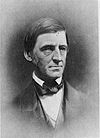
Arthur Schopenhauer (22 February 1788 – 21 September 1860) was a German philosopher, most famous for his work The World as Will and Representation (1819).
Best Arthur Schopenhauer Quotes
Shortest
Earliest
Explore our curated collection of the most famous and impactful Arthur Schopenhauer quotes.
"Obit anus, abit onus" reflects Schopenhauer's relief and resentment at the death of a seamstress he'd been forced to financially support after a disputed assault.
English Translation: "When the old woman dies, the burden departs."
Original (Latin): "Obit anus, abit onus."
“Obit anus, abit onus.”
Original (Latin): "Obit anus, abit onus."
English Translation: "Most of the time, it is only loss that teaches us the value of things."
Original (German): "Meistens belehrt uns erst der Verlust über den Wert der Dinge."
“Meistens belehrt uns erst der Verlust über den Wert der Dinge.”
Original (German): "Meistens belehrt uns erst der Verlust über den Wert der Dinge."
- Arthur Schopenhauer, Parerga and Paralipomena
English Translation: "... therefore I have called it the metaphysics of the people."
Original (German): "... deshalb ich diese als die Metaphysik des Volkes bezeichnet habe."
“... deshalb ich diese als die Metaphysik des Volkes bezeichnet habe.”
Original (German): "... deshalb ich diese als die Metaphysik des Volkes bezeichnet habe."
- Arthur Schopenhauer, Parerga and Paralipomena
English Translation: "The presence of a thought is like the presence of a beloved."
Original (German): "Die Gegenwart eines Gedankens ist wie die Gegenwart einer Geliebten."
“Die Gegenwart eines Gedankens ist wie die Gegenwart einer Geliebten.”
Original (German): "Die Gegenwart eines Gedankens ist wie die Gegenwart einer Geliebten."
- Arthur Schopenhauer, Parerga and Paralipomena
Einstein, echoing Schopenhauer's exploration of free will in Zucker's 1945 translation, highlights humanity's ability to act on desires while lacking control over the desires themselves.
English Translation: "Man can do what he wills, but he cannot will what he wills."
Original (German): "Der Mensch kann tun was er will; er kann aber nicht wollen was er will."
“Der Mensch kann tun was er will; er kann aber nicht wollen was er will.”
Original (German): "Der Mensch kann tun was er will; er kann aber nicht wollen was er will."
“There is no more mistaken path to happiness than worldliness, revelry, high life.”
- Arthur Schopenhauer, Essays
English Translation: "All wanting springs from need, thus from lack, thus from suffering."
Original (German): "Alles Wollen entspringt aus Bedürfnis, also aus Mangel, also aus Leiden."
“Alles Wollen entspringt aus Bedürfnis, also aus Mangel, also aus Leiden.”
Original (German): "Alles Wollen entspringt aus Bedürfnis, also aus Mangel, also aus Leiden."
- Arthur Schopenhauer, Essays
“Men are by nature merely indifferent to one another; but women are by nature enemies.”
- Arthur Schopenhauer, Parerga and Paralipomena

English Translation: "Everything, everything can one forget, only not oneself, one's own being."
Original (German): "Alles, alles kann einer vergessen, nur nicht sich selbst, sein eigenes Wesen."
“Alles, alles kann einer vergessen, nur nicht sich selbst, sein eigenes Wesen.”
Original (German): "Alles, alles kann einer vergessen, nur nicht sich selbst, sein eigenes Wesen."
- Arthur Schopenhauer, Parerga and Paralipomena
“We forfeit three-fourths of ourselves in order to be like other people.”
“Christianity taught only what the whole of Asia knew already long before and even better.”

“Dissimulation is innate in woman, and almost as much a quality of the stupid as of the clever.”
- Arthur Schopenhauer, Parerga and Paralipomena
English Translation: "Truly, every child is in a way a genius, and every genius is in a way a child."
Original (German): "Wirklich ist jedes Kind gewissermaßen ein Genie, und jedes Genie gewissermaßen ein Kind."
“Wirklich ist jedes Kind gewissermaßen ein Genie, und jedes Genie gewissermaßen ein Kind.”
Original (German): "Wirklich ist jedes Kind gewissermaßen ein Genie, und jedes Genie gewissermaßen ein Kind."
- Arthur Schopenhauer, The World as Will and Representation
“The fundament upon which all our knowledge and learning rests is the inexplicable.”
- Arthur Schopenhauer, Parerga and Paralipomena

Arthur Schopenhauer's distinction between talent and genius highlights the former's ability to master existing skills, while the latter possesses the visionary capacity to achieve the seemingly impossible.
“Talent hits a target no one else can hit; genius hits a target no one else can see.”
- Arthur Schopenhauer, The World as Will and Representation
English Translation: "Every human perfection is akin to a fault, into which it threatens to lapse."
Original (German): "Jede menschliche Vollkommenheit ist einem Fehler verwandt, in welchen überzugehn sie droht."
“Jede menschliche Vollkommenheit ist einem Fehler verwandt, in welchen überzugehn sie droht.”
Original (German): "Jede menschliche Vollkommenheit ist einem Fehler verwandt, in welchen überzugehn sie droht."
- Arthur Schopenhauer, Essays
“Every parting gives a foretaste of death; every coming together again a foretaste of the resurrection.”
- Arthur Schopenhauer, Parerga and Paralipomena

English Translation: "Fame must therefore first be earned: honor, on the other hand, merely needs not to be lost."
Original (German): "Ruhm muß daher erst erworben werden: die Ehre hingegen braucht bloß nicht verloren zu gehen."
“Ruhm muß daher erst erworben werden: die Ehre hingegen braucht bloß nicht verloren zu gehen.”
Original (German): "Ruhm muß daher erst erworben werden: die Ehre hingegen braucht bloß nicht verloren zu gehen."
- Arthur Schopenhauer, Parerga and Paralipomena
“It is difficult, if not impossible, to define the limit of our reasonable desires in respect of possessions.”
- Arthur Schopenhauer, Parerga and Paralipomena
English Translation: "However, life is not actually there to be enjoyed, but to be endured, to be gotten through..."
Original (German): "Allerdings ist das Leben nicht eigentlich da, um genossen, sondern um überstanden, abgethan zu werden..."
“Allerdings ist das Leben nicht eigentlich da, um genossen, sondern um überstanden, abgethan zu werden...”
Original (German): "Allerdings ist das Leben nicht eigentlich da, um genossen, sondern um überstanden, abgethan zu werden..."
- Arthur Schopenhauer, Parerga and Paralipomena
“There are 80,000 prostitutes in London alone and what are they, if not bloody sacrifices on the altar of monogamy?”
- Arthur Schopenhauer, Parerga and Paralipomena

English Translation: "Every separation gives a foretaste of death and every reunion a foretaste of resurrection."
Original (German): "Jede Trennung gibt einen Vorgeschmack des Todes und jedes Wiedersehen einen Vorgeschmack der Auferstehung."
“Jede Trennung gibt einen Vorgeschmack des Todes und jedes Wiedersehen einen Vorgeschmack der Auferstehung.”
Original (German): "Jede Trennung gibt einen Vorgeschmack des Todes und jedes Wiedersehen einen Vorgeschmack der Auferstehung."
- Arthur Schopenhauer, Parerga and Paralipomena
“All religions promise a reward for excellences of the will or heart, but none for excellences of the head or understanding.”
- Arthur Schopenhauer, The World as Will and Representation
“Patriotism, when it wants to make itself felt in the domain of learning, is a dirty fellow who should be thrown out of doors.”
- Arthur Schopenhauer, Parerga and Paralipomena

“Noise is the most impertinent of all forms of interruption. It is not only an interruption, but also a disruption of thought.”
- Arthur Schopenhauer, Parerga and Paralipomena
“Philosophy of religion … really amounts to … philosophizing on certain favorite assumptions that are not confirmed at all.”
- Arthur Schopenhauer, Parerga and Paralipomena
English Translation: "The general overview shows us pain and boredom as the two enemies of human happiness."
Original (German): "Der allgemeine Ueberblick zeigt uns, als die beiden Feinde des menschlichen Glückes, den Schmerz und die Langeweile."
“Der allgemeine Ueberblick zeigt uns, als die beiden Feinde des menschlichen Glückes, den Schmerz und die Langeweile.”
Original (German): "Der allgemeine Ueberblick zeigt uns, als die beiden Feinde des menschlichen Glückes, den Schmerz und die Langeweile."
- Arthur Schopenhauer, Essays
“The little honesty that exists among authors is discernible in the unconscionable way they misquote from the writings of others.”
- Arthur Schopenhauer, Essays
English Translation: "What, on the other hand, makes people sociable is their inability to endure solitude and, in it, themselves."
Original (German): "Was nun andrerseits die Menschen gesellig macht, ist ihre Unfähigkeit, die Einsamkeit und in dieser sich selbst zu ertragen."
“Was nun andrerseits die Menschen gesellig macht, ist ihre Unfähigkeit, die Einsamkeit und in dieser sich selbst zu ertragen.”
Original (German): "Was nun andrerseits die Menschen gesellig macht, ist ihre Unfähigkeit, die Einsamkeit und in dieser sich selbst zu ertragen."
- Arthur Schopenhauer, Parerga and Paralipomena
“In the sphere of thought, absurdity and perversity remain the masters of the world, and their dominion is suspended only for brief periods.”
- Arthur Schopenhauer, Essays

“Only a male intellect clouded by the sexual drive could call the stunted, narrow-shouldered, broad-hipped and short-legged sex the fair sex.”
- Arthur Schopenhauer, Parerga and Paralipomena

“For the purpose of acquiring gain, everything else is pushed aside or thrown overboard, for example, as is philosophy by the professors of philosophy.”
- Arthur Schopenhauer, Parerga and Paralipomena
“A great affliction of all Philistines is that idealities afford them no entertainment, but to escape from boredom they are always in need of realities.”
- Arthur Schopenhauer, Parerga and Paralipomena

“Newspapers are the second hand of history. This hand, however, is usually not only of inferior metal to the other hands, it also seldom works properly.”
- Arthur Schopenhauer, Parerga and Paralipomena
“This actual world of what is knowable, in which we are and which is in us, remains both the material and the limit of our consideration.”
- Arthur Schopenhauer, The World as Will and Representation

“A man who has no mental needs, because his intellect is of the narrow and normal amount, is, in the strict sense of the word, what is called a philistine.”
- Arthur Schopenhauer, Essays

English Translation: "The less someone, as a result of objective or subjective conditions, needs to come into contact with people, the better off they are."
Original (German): "Je weniger einer, in Folge objektiver oder subjektiver Bedingungen, nötig hat, mit den Menschen in Berührung zu kommen, desto besser ist er daran."
“Je weniger einer, in Folge objektiver oder subjektiver Bedingungen, nötig hat, mit den Menschen in Berührung zu kommen, desto besser ist er daran.”
Original (German): "Je weniger einer, in Folge objektiver oder subjektiver Bedingungen, nötig hat, mit den Menschen in Berührung zu kommen, desto besser ist er daran."
- Arthur Schopenhauer, Parerga and Paralipomena
Schopenhauer's observation links intelligence and suffering, suggesting that higher cognitive ability not only increases pain capacity but also ultimately defines the pinnacle of suffering itself.
English Translation: "...in all of nature, the capacity for pain increases with the degree of intelligence, and thus also only reaches its highest level here."
Original (German): "...in der ganzen Natur, mit dem Grad der Intelligenz die Fähigkeit zum Schmerze sich steigert, also ebenfalls erst hier ihre höchste Stufe erreicht."
“...in der ganzen Natur, mit dem Grad der Intelligenz die Fähigkeit zum Schmerze sich steigert, also ebenfalls erst hier ihre höchste Stufe erreicht.”
Original (German): "...in der ganzen Natur, mit dem Grad der Intelligenz die Fähigkeit zum Schmerze sich steigert, also ebenfalls erst hier ihre höchste Stufe erreicht."
- Arthur Schopenhauer, Parerga and Paralipomena
“the teaching of my philosophy... that our whole existence is something which had better not have been, and that to disown and disclaim it is the highest wisdom.”
- Arthur Schopenhauer, Parerga and Paralipomena

“All the cruelty and torment of which the world is full is in fact merely the necessary result of the totality of the forms under which the will to live is objectified.”
- Arthur Schopenhauer, Parerga and Paralipomena
“No doubt, when modesty was made a virtue, it was a very advantageous thing for the fools, for everybody is expected to speak of himself as if he were one.”
- Arthur Schopenhauer, Parerga and Paralipomena
“Buying books would be a good thing if one could also buy the time to read them in: but as a rule the purchase of books is mistaken for the appropriation of their contents.”
- Arthur Schopenhauer, Parerga and Paralipomena

This German quote, comparing memory to a camera obscura, suggests that recollection isn't a perfect replica, but a curated and enhanced version of reality, rendered more beautiful through selective collection.
English Translation: "Memory works like the collecting lens in the camera obscura: It draws everything together and thereby produces a much more beautiful image than its original is."
Original (German): "Die Erinnerung wirkt wie das Sammlungsglas in der Camera obscura: Sie zieht alles zusammen und bringt dadurch ein viel schöneres Bild hervor, als sein Original ist."
“Die Erinnerung wirkt wie das Sammlungsglas in der Camera obscura: Sie zieht alles zusammen und bringt dadurch ein viel schöneres Bild hervor, als sein Original ist.”
Original (German): "Die Erinnerung wirkt wie das Sammlungsglas in der Camera obscura: Sie zieht alles zusammen und bringt dadurch ein viel schöneres Bild hervor, als sein Original ist."
- Arthur Schopenhauer, Parerga and Paralipomena
“If you feel irritated by the absurd remarks of two people whose conversation you happen to overhear, you should imagine that you are listening to a dialogue of two fools in a comedy.”
- Arthur Schopenhauer, Parerga and Paralipomena

“The effect of music is so very much more powerful and penetrating than is that of the other arts, for these others speak only of the shadow, but music of the essence.”
- Arthur Schopenhauer, The World as Will and Representation

Attributed to Schopenhauer's *Aphorisms on the Wisdom of Life*, this observation wryly links sociability with rascality, contrasting it with the solitary nature of true nobility.
“Rascals are always sociable — more’s the pity! and the chief sign that a man has any nobility in his character is the little pleasure he takes in others’ company.”
- Arthur Schopenhauer, Parerga and Paralipomena
“Our moral virtues benefit mainly other people; intellectual virtues, on the other hand, benefit primarily ourselves; therefore the former make us universally popular, the latter unpopular.”
- Arthur Schopenhauer, Parerga and Paralipomena

This German proverb emphasizes nature's paramount role in healing, suggesting medicine merely guides its power rather than possessing inherent curative properties.
English Translation: "There is only one healing power, and that is nature; there is none in ointments and pills. At most, they can give the healing power of nature a hint of where something needs to be done for it."
Original (German): "Es gibt nur eine Heilkraft, und das ist die Natur; in Salben und Pillen steckt keine. Höchstens können sie der Heilkraft der Natur einen Wink geben, wo etwas für sie zu tun ist."
“Es gibt nur eine Heilkraft, und das ist die Natur; in Salben und Pillen steckt keine. Höchstens können sie der Heilkraft der Natur einen Wink geben, wo etwas für sie zu tun ist.”
Original (German): "Es gibt nur eine Heilkraft, und das ist die Natur; in Salben und Pillen steckt keine. Höchstens können sie der Heilkraft der Natur einen Wink geben, wo etwas für sie zu tun ist."
- Arthur Schopenhauer, Essays

Citing his philosophical objection, Arthur Schopenhauer's critique of Pantheism, found in several anthologies, highlights its perceived lack of explanatory power beyond mere linguistic substitution.
“The chief objection I have to Pantheism is that it says nothing. To call the world "God" is not to explain it; it is only to enrich our language with a superfluous synonym for the word "world".”
- Arthur Schopenhauer, Essays

English Translation: "From this one sees that in university philosophy, truth only occupies a secondary position and, if required, must stand up to make room for another quality."
Original (German): "Man sieht daraus, daß in der Universitäts-philosophie die Wahrheit nur eine sekundäre Stelle einnimmt und, wenn es gefordert wird, aufstehn muß, einer andern Eigenschaft Platz zu machen."
“Man sieht daraus, daß in der Universitäts-philosophie die Wahrheit nur eine sekundäre Stelle einnimmt und, wenn es gefordert wird, aufstehn muß, einer andern Eigenschaft Platz zu machen.”
Original (German): "Man sieht daraus, daß in der Universitäts-philosophie die Wahrheit nur eine sekundäre Stelle einnimmt und, wenn es gefordert wird, aufstehn muß, einer andern Eigenschaft Platz zu machen."
- Arthur Schopenhauer, Parerga and Paralipomena
Lauding the profound depth and consistent meaning found within Indian sacred texts, this observation highlights their impact on spirituality and thought across cultures.
“How every line is of such strong, determined, and consistent meaning! And on every page we encounter deep, original, lofty thoughts, while the whole world is suffused with a high and holy seriousness.”
“In every page of David Hume, there is more to be learned than from Hegel's, Herbart's and Schleiermacher's complete philosophical works. - vol. II, p. 582 (as cited on p. 177 of Schopenhauer: A Biography)”
- Arthur Schopenhauer, The World as Will and Representation
“That books do not take the place of experience, and that learning is no substitute for genius, are two kindred phenomena; their common ground is that the abstract can never take the place of the perceptive.”
- Arthur Schopenhauer, The World as Will and Representation

“For an author to write as he speaks is just as reprehensible as the opposite fault, to speak as he writes; for this gives a pedantic effect to what he says, and at the same time makes him hardly intelligible.”
- Arthur Schopenhauer, Parerga and Paralipomena
Schopenhauer argues that dogma, designed for the masses, can only contain allegorical truth, yet must present itself as literal truth for general acceptance.
English Translation: "Calculated for and appropriate to the great mass of humankind, it can only contain allegorical truth, which, however, it has to make valid as *sensu proprio* truth."
Original (German): "Als auf die große Masse des Menschengeschlechts berechnet und derselben angemessen, kann bloß allegorische Wahrheit enthalten, welche sie jedoch als sensu proprio wahr geltend zu machen hat."
“Als auf die große Masse des Menschengeschlechts berechnet und derselben angemessen, kann bloß allegorische Wahrheit enthalten, welche sie jedoch als sensu proprio wahr geltend zu machen hat.”
Original (German): "Als auf die große Masse des Menschengeschlechts berechnet und derselben angemessen, kann bloß allegorische Wahrheit enthalten, welche sie jedoch als sensu proprio wahr geltend zu machen hat."
- Arthur Schopenhauer, Parerga and Paralipomena
“We see in tragedy the noblest men, after a long conflict and suffering, finally renounce forever all the pleasure of life and the aims till then pursued so keenly, or cheerfully and willingly give up life itself.”
- Arthur Schopenhauer, The World as Will and Representation

“Great minds are related to the brief span of time during which they live as great buildings are to a little square in which they stand: you cannot see them in all their magnitude because you are standing too close to them.”
- Arthur Schopenhauer, Parerga and Paralipomena
“If children were brought into the world by an act of pure reason alone, would the human race continue to exist? Would not a man rather have so much sympathy with the coming generation as to spare it the burden of existence?”
- Arthur Schopenhauer, Parerga and Paralipomena

“Means at our disposal should be regarded as a bulwark against the many evils and misfortunes that can occur. We should not regard such wealth as a permission or even an obligation to procure for ourselves the pleasures of the world.”
- Arthur Schopenhauer, Parerga and Paralipomena
“A man’s face as a rule says more, and more interesting things, than his mouth, for it is a compendium of everything his mouth will ever say, in that it is the monogram of all this man’s thoughts and aspirations.”
- Arthur Schopenhauer, Parerga and Paralipomena
“The discovery of truth is prevented more effectively, not by the false appearance things present and which mislead into error, not directly by weakness of the reasoning powers, but by preconceived opinion, by prejudice.”
- Arthur Schopenhauer, Parerga and Paralipomena

“Philosophy … is a science, and as such has no articles of faith; accordingly, in it nothing can be assumed as existing except what is either positively given empirically, or demonstrated through indubitable conclusions.”
- Arthur Schopenhauer, Parerga and Paralipomena
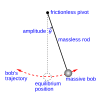
“Opinion is like a pendulum and obeys the same law. If it goes past the centre of gravity on one side, it must go a like distance on the other; and it is only after a certain time that it finds the true point at which it can remain at rest.”
- Arthur Schopenhauer, Parerga and Paralipomena
“And O! how the mind is here washed clean of all its early ingrafted Jewish superstition ! It is the most profitable and elevating reading which is possible in the world. It has been the solace of my life, and will be the solace of my death.”

“Every time a man is begotten and born, the clock of human life is wound up anew to repeat once more its same old tune that has already been played innumerable times, movement by movement and measure by measure, with insignificant variations.”
- Arthur Schopenhauer, The World as Will and Representation
Schopenhauer's pessimistic view of humanity suggests that wisdom remains consistent throughout history, but is perpetually ignored by the vast majority who consistently choose its opposite.
English Translation: "In general, of course, the wise of all ages have always said the same thing, and the fools, i.e., the immeasurable majority of all ages, have always done the same thing, namely the opposite; and so it will continue to be."
Original (German): "Im allgemeinen freilich haben die Weisen aller Zeiten immer dasselbe gesagt, und die Toren, d.h. die unermessliche Majorität aller Zeiten, haben immer dasselbe, nämlich das Gegenteil getan; und so wird es denn auch ferner bleiben."
“Im allgemeinen freilich haben die Weisen aller Zeiten immer dasselbe gesagt, und die Toren, d.h. die unermessliche Majorität aller Zeiten, haben immer dasselbe, nämlich das Gegenteil getan; und so wird es denn auch ferner bleiben.”
Original (German): "Im allgemeinen freilich haben die Weisen aller Zeiten immer dasselbe gesagt, und die Toren, d.h. die unermessliche Majorität aller Zeiten, haben immer dasselbe, nämlich das Gegenteil getan; und so wird es denn auch ferner bleiben."
- Arthur Schopenhauer, Parerga and Paralipomena
“A man’s body and the needs of his body are now everywhere treated with a tender indulgence. Is the thinking mind then, to be the only thing that is never to obtain the slightest measure of consideration or protection, to say nothing of respect?”
- Arthur Schopenhauer, Parerga and Paralipomena
“Childish and altogether ludicrous is what you yourself are and all philosophers; and if a grown-up man like me spends fifteen minutes with fools of this kind, it is merely a way of passing the time. I've now got more important things to do. Goodbye!”
- Arthur Schopenhauer, Parerga and Paralipomena
This quote captures a Philistine's paradoxical pursuit of happiness through striving for material comfort, fearing the boredom that comes with effortless acquisition.
English Translation: "To procure everything that contributes to bodily well-being is the purpose of his life. Lucky enough if this gives him much to do! For if those goods are already granted to him in advance, he inevitably falls prey to boredom."
Original (German): "Sich Alles, was zum leiblichen Wohlseyn beiträgt, zu verschaffen, ist der Zweck seines Lebens. Glücklich genug, wenn dieser ihm viel zu schaffen macht! Denn, sind jene Güter ihm schon zum voraus oktroyirt; so fällt er unausbleiblich der Langenweile anheim."
“Sich Alles, was zum leiblichen Wohlseyn beiträgt, zu verschaffen, ist der Zweck seines Lebens. Glücklich genug, wenn dieser ihm viel zu schaffen macht! Denn, sind jene Güter ihm schon zum voraus oktroyirt; so fällt er unausbleiblich der Langenweile anheim.”
Original (German): "Sich Alles, was zum leiblichen Wohlseyn beiträgt, zu verschaffen, ist der Zweck seines Lebens. Glücklich genug, wenn dieser ihm viel zu schaffen macht! Denn, sind jene Güter ihm schon zum voraus oktroyirt; so fällt er unausbleiblich der Langenweile anheim."
- Arthur Schopenhauer, Parerga and Paralipomena
“The charlatan takes very different shapes according to circumstances; but at bottom he is a man who cares nothing about knowledge for its own sake, and only strives to gain the semblance of it that he may use it for his own personal ends, which are always selfish and material.”
- Arthur Schopenhauer, Parerga and Paralipomena

“As my own father was sick, and miserably tied to his invalid's chair, he would have been abandoned had not an old servant performed for him a so-called service of love. My mother gave parties while he was perishing in solitude, and amused herself while he was suffering bitter agonies”
- Arthur Schopenhauer, Other)
“There are, first of all, two kinds of authors: those who write for the subject’s sake, and those who write for writing’s sake. The first kind have had thoughts or experiences which seem to them worth communicating, while the second kind need money and consequently write for money.”
- Arthur Schopenhauer, Essays

“Descartes is rightly regarded as the father of modern philosophy primarily and generally because he helped the faculty of reason to stand on its own feet by teaching men to use their brains in place whereof the Bible, on the one hand, and Aristotle, on the other, had previously served.”
- Arthur Schopenhauer, Parerga and Paralipomena
Arthur Schopenhauer defines a "Philistine" as someone devoid of intellectual needs, thus incapable of experiencing true intellectual pleasures, echoing the sentiment that true enjoyment arises only from genuine need.
English Translation: "The Philistine... is therefore a person without intellectual needs. From this now follows quite a few things: firstly, with regard to himself, that he remains without intellectual pleasures; according to the already mentioned principle: il n’est pas de vrais plaisirs qu’avec de vrais besoins."
Original (German): "Der Philister … ist demnach ein Mensch ohne geistige Bedürfnisse. Hieraus nun folgt gar mancherlei: erstlich, in Hinsicht auf ihn selbst, daß er ohne geistige Genüsse bleibt; nach dem schon erwähnten Grundsatz: il n’est pas de vrais plaisirs qu’avec de vrais besoins."
“Der Philister … ist demnach ein Mensch ohne geistige Bedürfnisse. Hieraus nun folgt gar mancherlei: erstlich, in Hinsicht auf ihn selbst, daß er ohne geistige Genüsse bleibt; nach dem schon erwähnten Grundsatz: il n’est pas de vrais plaisirs qu’avec de vrais besoins.”
Original (German): "Der Philister … ist demnach ein Mensch ohne geistige Bedürfnisse. Hieraus nun folgt gar mancherlei: erstlich, in Hinsicht auf ihn selbst, daß er ohne geistige Genüsse bleibt; nach dem schon erwähnten Grundsatz: il n’est pas de vrais plaisirs qu’avec de vrais besoins."
- Arthur Schopenhauer, Parerga and Paralipomena
Arguing for intellectual freedom, this passage highlights the inherent conflict between state-sponsored religious dogma and the suppression of dissenting viewpoints through financial control.
English Translation: "First and foremost, a government will not pay people to directly, or even indirectly, contradict what it has proclaimed from all pulpits through thousands of priests or religious teachers employed by it. ... Hence the principle *improbant secus docentes*."
Original (German): "Zuvörderst nämlich wird eine Regierung nicht Leute besolden, um Dem, was sie durch tausend von ihr angestellte Priester, oder Religionslehrer, von allen Kanzeln verkünden läßt, direkt, oder auch nur indirekt, zu widersprechen. … Daher der Grundsatz improbant secus docentes."
“Zuvörderst nämlich wird eine Regierung nicht Leute besolden, um Dem, was sie durch tausend von ihr angestellte Priester, oder Religionslehrer, von allen Kanzeln verkünden läßt, direkt, oder auch nur indirekt, zu widersprechen. … Daher der Grundsatz improbant secus docentes.”
Original (German): "Zuvörderst nämlich wird eine Regierung nicht Leute besolden, um Dem, was sie durch tausend von ihr angestellte Priester, oder Religionslehrer, von allen Kanzeln verkünden läßt, direkt, oder auch nur indirekt, zu widersprechen. … Daher der Grundsatz improbant secus docentes."
- Arthur Schopenhauer, Parerga and Paralipomena
“Whoever heard me assert that the grey cat playing just now in the yard is the same one that did jumps and tricks there five hundred years ago will think whatever he likes of me, but it is a stranger form of madness to imagine that the present-day cat is fundamentally an entirely different one.”
- Arthur Schopenhauer, The World as Will and Representation
“For what is modesty but hypocritical humility, by means of which, in a world swelling with vile envy, a man seeks to beg pardon for his excellences and merits from those who have none? For whoever attributes no merit to himself because he really has none is not modest, but merely honest.”
- Arthur Schopenhauer, The World as Will and Representation
“Compassion for animals is intimately connected with goodness of character, and it may be confidently asserted that he, who is cruel to living creatures, cannot be a good man. Moreover, this compassion manifestly flows from the same source whence arise the virtues of justice and loving-kindness towards men.”
- Arthur Schopenhauer, On the Basis of Morality

“National character is only another name for the particular form which the littleness, perversity and baseness of mankind take in every country. Every nation mocks at other nations, and all are right.
• Variant translation: Every nation criticizes every other one — and they are all correct.”
• Variant translation: Every nation criticizes every other one — and they are all correct.”
- Arthur Schopenhauer, Parerga and Paralipomena

Schopenhauer distinguishes between rational (scientific) and genius (artistic) approaches, arguing that art requires abandoning logical reasoning based on the principle of sufficient reason.
“The method of viewing things which proceeds in accordance with the principle of sufficient reason is the rational method, and it alone is valid and of use in practical life and in science. The method which looks away from the content of this principle is the method of genius, which is only valid and of use in art.”
- Arthur Schopenhauer, The World as Will and Representation
English Translation: "The heavy armor becomes the winged dress
brief is the pain, unending is the joy."
Original (German): "The heavy armor becomes the light dress of childhood; the pain is brief, the joy unending.
Original:
Der schwere Panzer wird zum Flügelkleide
Kurz ist der Schmerz, unendlich ist die Freude.
Literally:
The heavy armor becomes the winged dress
brief is the pain, unending is the joy."
“The heavy armor becomes the light dress of childhood; the pain is brief, the joy unending.
Original (German): "The heavy armor becomes the light dress of childhood; the pain is brief, the joy unending.
Original:
Der schwere Panzer wird zum Flügelkleide
Kurz ist der Schmerz, unendlich ist die Freude.
Literally:
The heavy armor becomes the winged dress
brief is the pain, unending is the joy."
Original:
Der schwere Panzer wird zum Flügelkleide
Kurz ist der Schmerz, unendlich ist die Freude.
Literally:
The heavy armor becomes the winged dress
brief is the pain, unending is the joy.”
- Arthur Schopenhauer, Parerga and Paralipomena
“There are two things which make it impossible to believe that this world is the successful work of an all-wise, all-good, and, at the same time, all-powerful Being; firstly, the misery which abounds in it everywhere; and secondly, the obvious imperfection of its highest product, man, who is a burlesque of what he should be.”
- Arthur Schopenhauer, Parerga and Paralipomena
“Two Chinamen visiting Europe went to the theatre for the first time. One of them occupied himself with trying to understand the theatrical machinery, which he succeeded in doing. The other, despite his ignorance of the language, sought to unravel the meaning of the play. The former is like the astronomer, the latter the philosopher.”
- Arthur Schopenhauer, Parerga and Paralipomena
Kant critiques the constraints placed upon philosophical inquiry by institutional positions (chair-philosophy) or governmental mandates, hindering the pursuit of truth for its own sake.
English Translation: "But generally, I have gradually come to the opinion that the aforementioned benefit of academic philosophy is outweighed by the disadvantage that philosophy as a profession brings to philosophy as free inquiry into truth, or that philosophy commissioned by the government brings to philosophy commissioned by nature and humanity."
Original (German): "Ueberhaupt aber bin ich allmälig der Meinung geworden, daß der erwähnte Nutzen der Kathederphilosophie von dem Nachtheil überwogen werde, den die Philosophie als Profession der Philosophie als freier Wahrheitsforschung, oder die Philosophie im Auftrage der Regierung der Philosophie im Auftrage der Natur und der Menschheit bringt."
“Ueberhaupt aber bin ich allmälig der Meinung geworden, daß der erwähnte Nutzen der Kathederphilosophie von dem Nachtheil überwogen werde, den die Philosophie als Profession der Philosophie als freier Wahrheitsforschung, oder die Philosophie im Auftrage der Regierung der Philosophie im Auftrage der Natur und der Menschheit bringt.”
Original (German): "Ueberhaupt aber bin ich allmälig der Meinung geworden, daß der erwähnte Nutzen der Kathederphilosophie von dem Nachtheil überwogen werde, den die Philosophie als Profession der Philosophie als freier Wahrheitsforschung, oder die Philosophie im Auftrage der Regierung der Philosophie im Auftrage der Natur und der Menschheit bringt."
- Arthur Schopenhauer, Parerga and Paralipomena
Published in 1886, Schopenhauer critiques the brutal industrial conditions faced by countless individuals, particularly child laborers, forced into monotonous factory work for survival.
“At the age of five years to enter a spinning-cotton or other factory, and from that time forth to sit there daily, first ten, then twelve, and ultimately fourteen hours, performing the same mechanical labour, is to purchase dearly the satisfaction of drawing breath. But this is the fate of millions, and that of millions more is analogous to it.”
- Arthur Schopenhauer, The World as Will and Representation
Schopenhauer skewers the bourgeois Philistine, arguing that their pursuit of superficial pleasures cannot alleviate boredom stemming from a fundamental lack of intellectual depth.
English Translation: "Balls, theater, society, card games, gambling, horses, women, drinking, travel… all of this is not enough to combat boredom, where a lack of intellectual needs makes intellectual pleasures impossible. Hence, the philistine possesses and is characterized by a dull, dry seriousness that approaches the animalistic."
Original (German): "Ball, Theater, Gesellschaft, Kartenspiel, Hasardspiel, Pferde, Weiber, Trinken, Reisen, … reicht dies Alles gegen die Langeweile nicht aus, wo Mangel an geistigen Bedürfnissen die geistigen Genüsse unmöglich macht. Daher auch ist dem Philister ein dumpfer, trockener Ernst, der sich dem thierischen nähert, eigen und charakteristisch."
“Ball, Theater, Gesellschaft, Kartenspiel, Hasardspiel, Pferde, Weiber, Trinken, Reisen, … reicht dies Alles gegen die Langeweile nicht aus, wo Mangel an geistigen Bedürfnissen die geistigen Genüsse unmöglich macht. Daher auch ist dem Philister ein dumpfer, trockener Ernst, der sich dem thierischen nähert, eigen und charakteristisch.”
Original (German): "Ball, Theater, Gesellschaft, Kartenspiel, Hasardspiel, Pferde, Weiber, Trinken, Reisen, … reicht dies Alles gegen die Langeweile nicht aus, wo Mangel an geistigen Bedürfnissen die geistigen Genüsse unmöglich macht. Daher auch ist dem Philister ein dumpfer, trockener Ernst, der sich dem thierischen nähert, eigen und charakteristisch."
- Arthur Schopenhauer, Parerga and Paralipomena
“If you try to imagine, as nearly as you can, what an amount of misery, pain and suffering of every kind the sun shines upon in its course, you will admit that it would be much better if, on the earth as little as on the moon, the sun were able to call forth the phenomena of life; and if, here as there, the surface were still in a crystalline state.”
- Arthur Schopenhauer, Parerga and Paralipomena

Matthew Arnold critiques the Philistine's shallow engagement with intellectual and aesthetic pursuits in this passage, revealing their dismissal of knowledge and beauty as mere obligations.
English Translation: "No urge for knowledge and insight, for their own sake, animates his [the Philistine's] existence, nor any for genuinely aesthetic pleasures, as which is thoroughly related to the former. What nevertheless of pleasures of such kind perhaps fashion, or authority, imposes upon him, he will dismiss as a kind of forced labor as briefly as possible."
Original (German): "Kein Drang nach Erkenntniß und Einsicht, um ihrer selbst Willen, belebt sein [des Philisters] Daseyn, auch keiner nach eigentlich ästhetischen Genüssen, als welcher dem ersteren durchaus verwandt ist. Was dennoch von Genüssen solcher Art etwan Mode, oder Auktorität, ihm aufdringt, wird er als eine Art Zwangsarbeit möglichst kurz abthun."
“Kein Drang nach Erkenntniß und Einsicht, um ihrer selbst Willen, belebt sein [des Philisters] Daseyn, auch keiner nach eigentlich ästhetischen Genüssen, als welcher dem ersteren durchaus verwandt ist. Was dennoch von Genüssen solcher Art etwan Mode, oder Auktorität, ihm aufdringt, wird er als eine Art Zwangsarbeit möglichst kurz abthun.”
Original (German): "Kein Drang nach Erkenntniß und Einsicht, um ihrer selbst Willen, belebt sein [des Philisters] Daseyn, auch keiner nach eigentlich ästhetischen Genüssen, als welcher dem ersteren durchaus verwandt ist. Was dennoch von Genüssen solcher Art etwan Mode, oder Auktorität, ihm aufdringt, wird er als eine Art Zwangsarbeit möglichst kurz abthun."
- Arthur Schopenhauer, Parerga and Paralipomena
“As the strata of the earth preserve in succession the living creatures of past epochs, so the shelves of libraries preserve in succession the errors of the past and their expositions, which like the former were very lively and made a great commotion in their own age but now stand petrified and stiff in a place where only the literary palaeontologist regards them.”
- Arthur Schopenhauer, Parerga and Paralipomena
Nietzsche, in this passage, contemplates the unsettling possibility that ultimate human understanding might fundamentally contradict the core tenets of Judaism and early Christianity.
English Translation: "The worrying thing about the matter is merely the possibility, which must be conceded, that the ultimate insight accessible to humanity into the nature of things, into its own being and that of the world, might not coincide with the teachings which were partly revealed to the former little people of the Jews, and partly originated 1800 years ago in Jerusalem."
Original (German): "Das Bedenkliche bei der Sache ist auch bloß die doch einzuräumende Möglichkeit, daß die letzte dem Menschen erreichbare Einsicht in die Natur der Dinge, in sein eigenes Wesen und das der Welt nicht gerade zusammenträfe mit den Lehren, welche theils dem ehemaligen Völkchen der Juden eröffnet worden, theils vor 1800 Jahren in Jerusalem aufgetreten sind."
“Das Bedenkliche bei der Sache ist auch bloß die doch einzuräumende Möglichkeit, daß die letzte dem Menschen erreichbare Einsicht in die Natur der Dinge, in sein eigenes Wesen und das der Welt nicht gerade zusammenträfe mit den Lehren, welche theils dem ehemaligen Völkchen der Juden eröffnet worden, theils vor 1800 Jahren in Jerusalem aufgetreten sind.”
Original (German): "Das Bedenkliche bei der Sache ist auch bloß die doch einzuräumende Möglichkeit, daß die letzte dem Menschen erreichbare Einsicht in die Natur der Dinge, in sein eigenes Wesen und das der Welt nicht gerade zusammenträfe mit den Lehren, welche theils dem ehemaligen Völkchen der Juden eröffnet worden, theils vor 1800 Jahren in Jerusalem aufgetreten sind."
- Arthur Schopenhauer, Parerga and Paralipomena
“That the outer man is a picture of the inner, and the face an expression and revelation of the whole character, is a presumption likely enough in itself, and therefore a safe one to go on; borne out as it is by the fact that people are always anxious to see anyone who has made himself famous .... Photography … offers the most complete satisfaction of our curiosity.”
- Arthur Schopenhauer, Parerga and Paralipomena

English Translation: "A book can never be anything more than the impression of its author’s thoughts. The value of these thoughts lies either in the matter about which he has thought, or in the form in which he develops his matter — that is to say, what he has thought about it."
Original (German): "A book can never be anything more than the impression of its author’s thoughts [Ein Buch kann nie mehr seyn, als der Abdruck der Gedanken des Verfassers]. The value of these thoughts lies either in the matter about which he has thought, or in the form in which he develops his matter — that is to say, what he has thought about it."
“A book can never be anything more than the impression of its author’s thoughts [Ein Buch kann nie mehr seyn, als der Abdruck der Gedanken des Verfassers]. The value of these thoughts lies either in the matter about which he has thought, or in the form in which he develops his matter — that is to say, what he has thought about it.”
Original (German): "A book can never be anything more than the impression of its author’s thoughts [Ein Buch kann nie mehr seyn, als der Abdruck der Gedanken des Verfassers]. The value of these thoughts lies either in the matter about which he has thought, or in the form in which he develops his matter — that is to say, what he has thought about it."
- Arthur Schopenhauer, Essays
“How very paltry and limited the normal human intellect is, and how little lucidity there is in the human consciousness, may be judged from the fact that, despite the ephemeral brevity of human life, the uncertainty of our existence and the countless enigmas which press upon us from all sides, everyone does not continually and ceaselessly philosophize, but that only the rarest of exceptions do.”
- Arthur Schopenhauer, Parerga and Paralipomena

“Suicide may also be regarded as an experiment — a question which man puts to Nature, trying to force her to answer. The question is this: What change will death produce in a man’s existence and in his insight into the nature of things? It is a clumsy experiment to make; for it involves the destruction of the very consciousness which puts the question and awaits the answer.”
- Arthur Schopenhauer, Parerga and Paralipomena

“The composer reveals the innermost nature of the world, and expresses the profoundest wisdom in a language that his reasoning faculty does not understand, just as a magnetic somnambulist gives information about things of which she has no conception when she is awake. Therefore in the composer, more than in any other artist, the man is entirely separate and distinct from the artist.”
- Arthur Schopenhauer, The World as Will and Representation

“If at times I have thought myself unfortunate, it is because of a confusion, an error. I have mistaken myself for someone else... Who am I really? I am the author of The World as Will and Representation, I am the one who has given an answer to the mystery of Being that will occupy the thinkers of future centuries. That is what I am, and who can dispute it in the years of life that still remain for me?”
- Arthur Schopenhauer, Other)
Written during a period of intense religious and philosophical debate, this passage criticizes the hypocrisy of seeking truth while predetermining the outcome to align with established religious dogma.
English Translation: "One does not want to appear as what one is not. The pretense of unbiased truth-seeking, with the resolution to make the state religion the result, indeed the yardstick and control of the same, is intolerable, and such a philosophy, bound to the state religion like a chained dog to the wall, is only the irritating caricature of the highest and noblest aspirations of humanity."
Original (German): "Man wolle nicht scheinen was man nicht ist. Das Vorgeben unbefangener Wahrheitsforschung, mit dem Entschluß, die Landesreligion zum Resultat, ja zum Maaßstabe und zur Kontrole derselben zu machen, ist unerträglich, und eine solche, an die Landesreligion, wie der Kettenhund an die Mauer, gebundene Philosophie ist nur das ärgerliche Zerrbild der höchsten und edelsten Bestrebung der Menschheit."
“Man wolle nicht scheinen was man nicht ist. Das Vorgeben unbefangener Wahrheitsforschung, mit dem Entschluß, die Landesreligion zum Resultat, ja zum Maaßstabe und zur Kontrole derselben zu machen, ist unerträglich, und eine solche, an die Landesreligion, wie der Kettenhund an die Mauer, gebundene Philosophie ist nur das ärgerliche Zerrbild der höchsten und edelsten Bestrebung der Menschheit.”
Original (German): "Man wolle nicht scheinen was man nicht ist. Das Vorgeben unbefangener Wahrheitsforschung, mit dem Entschluß, die Landesreligion zum Resultat, ja zum Maaßstabe und zur Kontrole derselben zu machen, ist unerträglich, und eine solche, an die Landesreligion, wie der Kettenhund an die Mauer, gebundene Philosophie ist nur das ärgerliche Zerrbild der höchsten und edelsten Bestrebung der Menschheit."
- Arthur Schopenhauer, Parerga and Paralipomena
“Do not shorten the morning by getting up late, or waste it in unworthy occupations or in talk; look upon it as the quintessence of life, as to a certain extent sacred. Evening is like old age: we are languid, talkative, silly. Each day is a little life: every waking and rising a little birth, every fresh morning a little youth, every going to rest and sleep a little death.”
- Arthur Schopenhauer, Parerga and Paralipomena

“Truth that is naked is the most beautiful, and the simpler its expression the deeper is the impression it makes; this is partly because it gets unobstructed hold of the hearer’s mind without his being distracted by secondary thoughts, and partly because he feels that here he is not being corrupted or deceived by the arts of rhetoric, but that the whole effect is got from the thing itself.”
- Arthur Schopenhauer, Essays

“In youth it is the outward aspect of things that most engages us; while in age, thought or reflection is the predominating quality of the mind. Hence, youth is the time for poetry, and age is more inclined to philosophy. In practical affairs it is the same: a man shapes his resolutions in youth more by the impression that the outward world makes upon him; whereas, when he is old, it is thought that determines his actions.”
- Arthur Schopenhauer, Parerga and Paralipomena

“If two men who were friends in their youth meet again when they are old, after being separated for a life-time, the chief feeling they will have at the sight of each other will be one of complete disappointment at life as a whole; because their thoughts will be carried back to that earlier time when life seemed so fair as it lay spread out before them in the rosy light of dawn, promised so much — and then performed so little.”
- Arthur Schopenhauer, Parerga and Paralipomena
“Europeans are awakening more and more to a sense that beasts have rights, in proportion as the strange notion is being gradually overcome and outgrown, that the animal kingdom came into existence solely for the benefit and pleasure of man. This view, with the corollary that non-human living creatures are to be regarded merely as things, is at the root of the rough and altogether reckless treatment of them, which obtains in the West.”
- Arthur Schopenhauer, On the Basis of Morality
“If, while hurrying ostensibly to the temple of truth, we hand the reins over to our personal interests which look aside at very different guiding stars, for instance at the tastes and foibles of our contemporaries, at the established religion, but in particular at the hints and suggestions of those at the head of affairs, then how shall we ever reach the high, precipitous, bare rock whereon stands the temple of truth?”
- Arthur Schopenhauer, Parerga and Paralipomena

“So that it will be found that the fundamental fault in the character of women is that they have no “sense of justice .” This arises from their deficiency in the power of reasoning already referred to, and reflection, but is also partly due to the fact that Nature has not destined them, as the weaker sex, to be dependent on strength but on cunning; this is why they are instinctively crafty, and have an ineradicable tendency to lie.”
- Arthur Schopenhauer, Essays
“Pride is an established conviction of one’s own paramount worth in some particular respect, while vanity is the desire of rousing such a conviction in others, and it is generally accompanied by the secret hope of ultimately coming to the same conviction oneself. Pride works from within; it is the direct appreciation of oneself. Vanity is the desire to arrive at this appreciation indirectly, from without.”
- Arthur Schopenhauer, Parerga and Paralipomena
“There is only one inborn erroneous notion … that we exist in order to be happy … So long as we persist in this inborn error … the world seems to us full of contradictions. For at every step, in great things and small, we are bound to experience that the world and life are certainly not arranged for the purpose of maintaining a happy existence … hence the countenances of almost all elderly persons wear the expression of … disappointment.”
- Arthur Schopenhauer, The World as Will and Representation
“For a work to become immortal it must possess so many excellences that it will not be easy to find a man who understands and values them all; so that there will be in all ages men who recognise and appreciate some of these excellences; by this means the credit of the work will be retained throughout the long course of centuries and ever-changing interests, for, as it is appreciated first in this sense, then in that, the interest is never exhausted.”
- Arthur Schopenhauer, Essays
“In early youth, as we contemplate our coming life, we are like children in a theatre before the curtain is raised, sitting there in high spirits and eagerly waiting for the play to begin. It is a blessing that we do not know what is really going to happen. Could we foresee it, there are times when children might seem like innocent prisoners, condemned, not to death, but to life, and as yet all unconscious of what their sentence means.”
- Arthur Schopenhauer, Parerga and Paralipomena

“The auspices for philosophy are bad if, when proceeding ostensibly on the investigation of truth, we start saying farewell to all uprightness, honesty and sincerity, and are intent only on passing ourselves off for what we are not. We then assume, like those three sophists [Fichte, Schelling and Hegel], first a false pathos, then an affected and lofty earnestness, then an air of infinite superiority, in order to impose where we despair of ever being able to convince.”
- Arthur Schopenhauer, Parerga and Paralipomena
“A mother gave her children Aesop’s fables to read, in the hope of educating and improving their minds; but they very soon brought the book back, and the eldest, wise beyond his years, delivered himself as follows: This is no book for us; it’s much too childish and stupid. You can’t make us believe that foxes and wolves and ravens are able to talk; we’ve got beyond stories of that kind! In these young hopefuls you have the enlightened Rationalists of the future.”
- Arthur Schopenhauer, Parerga and Paralipomena
“Consider the Koran... this wretched book was sufficient to start a world-religion, to satisfy the metaphysical need of countless millions for twelve hundred years, to become the basis of their morality and of a remarkable contempt for death, and also to inspire them to bloody wars and the most extensive conquests. In this book we find the saddest and poorest form of theism. Much may be lost in translation, but I have not been able to discover in it one single idea of value.”
- Arthur Schopenhauer, The World as Will and Representation
“My basis is supported by the authority of the greatest moralist of modern times; for such, undoubtedly, J. J. Rousseau is,—that profound reader of the human heart, who drew his wisdom not from books, but from life, and intended his doctrine not for the professorial chair, but for humanity; he, the foe of all prejudice, the foster-child of nature, whom alone she endowed with the gift of being able to moralise without tediousness, because he hit the truth and stirred the heart.”
- Arthur Schopenhauer, On the Basis of Morality

“Spinoza says that if a stone which has been projected through the air, had consciousness, it would believe that it was moving of its own free will. I add this only, that the stone would be right. The impulse given it is for the stone what the motive is for me, and what in the case of the stone appears as cohesion, gravitation, rigidity, is in its inner nature the same as that which I recognise in myself as will, and what the stone also, if knowledge were given to it, would recognise as will.”
- Arthur Schopenhauer, The World as Will and Representation

“No greater mistake can be made than to imagine that what has been written latest is always the more correct; that what is written later on is an improvement on what was written previously; and that every change means progress. Men who think and have correct judgment, and people who treat their subject earnestly, are all exceptions only. Vermin is the rule everywhere in the world: it is always at hand and busily engaged in trying to improve in its own way upon the mature deliberations of the thinkers.”
- Arthur Schopenhauer, Essays
“Every true thinker for himself is so far like a monarch; he is absolute, and recognises nobody above him. His judgments, like the decrees of a monarch, spring from his own sovereign power and proceed directly from himself. He takes as little notice of authority as a monarch does of a command; nothing is valid unless he has himself authorised it. On the other hand, those of vulgar minds, who are swayed by all kinds of current opinions, authorities, and prejudices, are like the people which in silence obey the law and commands.”
- Arthur Schopenhauer, Parerga and Paralipomena
“No difference of rank, position, or birth, is so great as the gulf that separates the countless millions who use their head only in the service of their belly, in other words, look upon it as an instrument of the will, and those very few and rare persons who have the courage to say: No! my head is too good for that; it shall be active only in its own service; it shall try to comprehend the wondrous and varied spectacle of this world and then reproduce it in some form, whether as art or as literature, that may answer to my character as an individual.”
- Arthur Schopenhauer, Parerga and Paralipomena
“Thus, because Christian morals leave animals out of consideration … therefore in philosophical morals they are of course at once outlawed; they are merely "things," simply means to ends of any sort; and so they are good for vivisection, for deer-stalking, bull-fights, horse-races, etc., and they may be whipped to death as they struggle along with heavy quarry carts. Shame on such a morality … which fails to recognize the Eternal Reality immanent in everything that has life, and shining forth with inscrutable significance from all eyes that see the sun!”
- Arthur Schopenhauer, On the Basis of Morality
“A man of intellect is like an artist who gives a concert without any help from anyone else, playing on a single instrument — a piano, say, which is a little orchestra in itself. Such a man is a little world in himself; and the effect produced by various instruments together, he produces single-handed, in the unity of his own consciousness. Like the piano, he has no place in a symphony; he is a soloist and performs by himself — in solitude, it may be; or if in the company with other instruments, only as principal; or for setting the tone, as in singing.”
- Arthur Schopenhauer, Parerga and Paralipomena
“Reading is merely a surrogate for thinking for yourself; it means letting someone else direct your thoughts. Many books, moreover, serve merely to show how many ways there are of being wrong, and how far astray you yourself would go if you followed their guidance. You should read only when your own thoughts dry up, which will of course happen frequently enough even to the best heads; but to banish your own thoughts so as to take up a book is a sin against the holy ghost; it is like deserting untrammeled nature to look at a herbarium or engravings of landscapes.”
- Arthur Schopenhauer, Parerga and Paralipomena
“It is the courage to make a clean breast of it in the face of every question that distinguishes the philosopher. He must be like Sophocles' Oedipus, who, seeking enlightenment concerning his terrible fate, pursues his indefatigable inquiry even though he divines that appalling horror awaits him in the answer. But most of us carry with us the Jocasta in our hearts, who begs Oedipus, for God's sake, not to inquire further.”
Schopenhauer, critiquing Western missionary efforts in India, predicts the enduring influence of Indian wisdom on European thought and the futility of imposing Western religious beliefs.
“We, on the contrary, now send to the Brahmans English clergymen and evangelical linen-weavers, in order out of sympathy to put them right, and to point out to them that they are created out of nothing, and that they ought to be grateful and pleased about it. But it is Just the same as if we fired a bullet at a cliff. " In India, our religions wIll never at any time take root; the ancient wisdom of the human race will not be supplanted by the events in Galilee. On the contrary, Indian Wisdom flows back to Europe, and will produce a fundamental change in our knowledge and thought.”
- Arthur Schopenhauer, The World as Will and Representation

“The poet presents the imagination with images from life and human characters and situations, sets them all in motion and leaves it to the beholder to let these images take his thoughts as far as his mental powers will permit. This is why he is able to engage men of the most differing capabilities, indeed fools and sages together. The philosopher, on the other hand, presents not life itself but the finished thoughts which he has abstracted from it and then demands that the reader should think precisely as, and precisely as far as, he himself thinks. That is why his public is so small.”
- Arthur Schopenhauer, Parerga and Paralipomena
“Epicurus, the great teacher of happiness, has correctly and finely divided human needs into three classes. First there are the natural and necessary needs which, if they are not satisfied, cause pain. Consequently, they are only victus et amictus [food and clothing] and are easy to satisfy. Then we have those that are natural yet not necessary, that is, the needs for sexual satisfaction. … These needs are more difficult to satisfy. Finally, there are those that are neither natural nor necessary, the needs for luxury, extravagance, pomp, and splendour, which are without end and very difficult to satisfy.”
- Arthur Schopenhauer, Parerga and Paralipomena
“Boundless compassion for all living beings is the surest and most certain guarantee of pure moral conduct, and needs no casuistry. Whoever is filled with it will assuredly injure no one, do harm to no one, encroach on no man's rights; he will rather have regard for every one, forgive every one, help every one as far as he can, and all his actions will bear the stamp of justice and loving-kindness. … In former times the English plays used to finish with a petition for the King. The old Indian dramas close with these words: "May all living beings be delivered from pain." Tastes differ; but in my opinion there is no more beautiful prayer than this.”
- Arthur Schopenhauer, On the Basis of Morality

“It is asserted that beasts have no rights; the illusion is harboured that our conduct, so far as they are concerned, has no moral significance, or, as it is put in the language of these codes, that "there are no duties to be fulfilled towards animals." Such a view is one of revolting coarseness, a barbarism of the West, whose source is Judaism. In philosophy, however, it rests on the assumption, despite all evidence to the contrary, of the radical difference between man and beast,—a doctrine which, as is well known, was proclaimed with more trenchant emphasis by Descartes than by any one else: it was indeed the necessary consequence of his mistakes.”
- Arthur Schopenhauer, On the Basis of Morality

“The law of simplicity and naïveté applies to all fine art, for it is compatible with what is most sublime.
True brevity of expression consists in a man only saying what is worth saying, while avoiding all diffuse explanations of things which every one can think out for himself; that is, it consists in his correctly distinguishing between what is necessary and what is superfluous. On the other hand, one should never sacrifice clearness, to say nothing of grammar, for the sake of being brief. To impoverish the expression of a thought, or to obscure or spoil the meaning of a period for the sake of using fewer words shows a lamentable want of judgment.”
True brevity of expression consists in a man only saying what is worth saying, while avoiding all diffuse explanations of things which every one can think out for himself; that is, it consists in his correctly distinguishing between what is necessary and what is superfluous. On the other hand, one should never sacrifice clearness, to say nothing of grammar, for the sake of being brief. To impoverish the expression of a thought, or to obscure or spoil the meaning of a period for the sake of using fewer words shows a lamentable want of judgment.”
- Arthur Schopenhauer, Essays
“This art is music. It stands quite apart from all the others. In it we do not recognize the copy, the repetition, of any Idea of the inner nature of the world. Yet it is such a great and exceedingly fine art, its effect on man's innermost nature is so powerful, and it is so completely and profoundly understood by him in his innermost being as an entirely universal language, whose distinctness surpasses even that of the world of perception itself, that in it we certainly have to look for more than that exercitium arithmeticae occultum nescientis se numerare animi [exercise in arithmetic in which the mind does not know it is counting] which Leibniz took it to be.”
- Arthur Schopenhauer, The World as Will and Representation
Arguing against purely rational knowledge, this passage posits reason as inherently receptive, requiring experience to fill its otherwise empty logical frameworks.
“Reason is feminine in nature; it can only give after it has received. Of itself it has nothing but the empty forms of its operation. There is no absolutely pure rational knowledge except the four principles to which I have attributed metalogical truth; the principles of identity, contradiction, excluded middle, and sufficient reason of knowledge. For even the rest of logic is not absolutely pure rational knowledge. It presupposes the relations and the combinations of the spheres of concepts. But concepts in general only exist after experience of ideas of perception, and as their whole nature consists in their relation to these, it is clear that they presuppose them.”
- Arthur Schopenhauer, The World as Will and Representation
“People who originally have no means but are ultimately able to earn a great deal, through whatever talents they may possess, almost always come to think that these are permanent capital and that what they gain through them is interest. Accordingly, they do not put aside part of their earnings to form a permanent capital, but spend their money as fast as they earn it. But they are then often reduced to poverty because their earnings decrease or come to an end after their talent, which was of a transitory nature, is exhausted, as happens, for example, in the case of almost all the fine arts; or because it could be brought to bear only under a particular set of circumstances that has ceased to exist.”
- Arthur Schopenhauer, Parerga and Paralipomena
“The cheapest sort of pride is national pride; for if a man is proud of his own nation, it argues that he has no qualities of his own of which he can be proud; otherwise he would not have recourse to those which he shares with so many millions of his fellowmen. The man who is endowed with important personal qualities will be only too ready to see clearly in what respects his own nation falls short, since their failings will be constantly before his eyes. But every miserable fool who has nothing at all of which he can be proud adopts, as a last resource, pride in the nation to which he belongs; he is ready and glad to defend all its faults and follies tooth and nail, thus reimbursing himself for his own inferiority.”
- Arthur Schopenhauer, Parerga and Paralipomena

“People are often reproached because their desires are directed mainly to money and they are fonder of it than of anything else. Yet it is natural and even inevitable for them to love that which, as an untiring Proteus, is ready at any moment to convert itself into the particular object of our fickle desires and manifold needs. Thus every other blessing can satisfy only one desire and one need; for instance, food is good only to the hungry, wine only for the healthy, medicine for the sick, a fur coat for winter, women for youth, and so on. Consequently, all these are only … relatively good. Money alone is the absolutely good thing because it meets not merely one need in concreto, but needs generally in abstracto.”
- Arthur Schopenhauer, Parerga and Paralipomena
Arthur Schopenhauer critiques national pride as a refuge for those lacking individual merit, arguing it masks personal inadequacy with shared identity and blind defense of national flaws.
English Translation: "The cheapest sort of pride, however, is national pride; for if a man is proud of his own nation, it argues that he has no qualities of his own of which he can be proud; otherwise he would not be resorting to what he shares with so many millions. The man who is endowed with important personal qualities will be only too ready to see his nation's defects, for all the time they will be obvious to him. But every miserable fool who has nothing at all of which he can be proud adopts as a last resource pride in the nation to which he belongs; he is ready and glad to defend all its faults and follies tooth and nail."
Original (German): "Die wohlfeilste Art des Stolzes hingegen ist der Nationalstolz. Denn er verrät in dem damit Behafteten den Mangel an individuellen Eigenschaften, auf die er stolz sein könnte, indem er sonst nicht zu dem greifen würde, was er mit so vielen Millionen teilt. Wer bedeutende persönliche Vorzüge besitzt, wird vielmehr die Fehler seiner eigenen Nation, da er sie beständig vor Augen hat, am deutlichsten erkennen. Aber jeder erbärmliche Tropf, der nichts in der Welt hat, darauf er stolz sein könnte, ergreift das letzte Mittel, auf die Nation, der er gerade angehört, stolz zu sein. Hieran erholt er sich und ist nun dankbarlich bereit, alle Fehler und Torheiten, die ihr eigen sind, mit Händen und Füßen zu verteidigen."
“Die wohlfeilste Art des Stolzes hingegen ist der Nationalstolz. Denn er verrät in dem damit Behafteten den Mangel an individuellen Eigenschaften, auf die er stolz sein könnte, indem er sonst nicht zu dem greifen würde, was er mit so vielen Millionen teilt. Wer bedeutende persönliche Vorzüge besitzt, wird vielmehr die Fehler seiner eigenen Nation, da er sie beständig vor Augen hat, am deutlichsten erkennen. Aber jeder erbärmliche Tropf, der nichts in der Welt hat, darauf er stolz sein könnte, ergreift das letzte Mittel, auf die Nation, der er gerade angehört, stolz zu sein. Hieran erholt er sich und ist nun dankbarlich bereit, alle Fehler und Torheiten, die ihr eigen sind, mit Händen und Füßen zu verteidigen.”
Original (German): "Die wohlfeilste Art des Stolzes hingegen ist der Nationalstolz. Denn er verrät in dem damit Behafteten den Mangel an individuellen Eigenschaften, auf die er stolz sein könnte, indem er sonst nicht zu dem greifen würde, was er mit so vielen Millionen teilt. Wer bedeutende persönliche Vorzüge besitzt, wird vielmehr die Fehler seiner eigenen Nation, da er sie beständig vor Augen hat, am deutlichsten erkennen. Aber jeder erbärmliche Tropf, der nichts in der Welt hat, darauf er stolz sein könnte, ergreift das letzte Mittel, auf die Nation, der er gerade angehört, stolz zu sein. Hieran erholt er sich und ist nun dankbarlich bereit, alle Fehler und Torheiten, die ihr eigen sind, mit Händen und Füßen zu verteidigen."
- Arthur Schopenhauer, Parerga and Paralipomena
Within religious constraints, this passage critiques university philosophy as a repetitive and deliberately obfuscated echo of the dominant religion, merely repackaged with abstract language.
English Translation: "As a consequence, as long as the Church exists, universities shall only be allowed to teach a philosophy which, composed with constant regard to the state religion, runs essentially parallel to it and therefore always—at best intricately figured, strangely embellished and thereby made difficult to understand—is, in its essence and main points, nothing other than a paraphrase and apology of the state religion. Those who teach under these restrictions are thus left with nothing else but to seek new turns and forms under which they can present the content of the state religion, disguised in abstract expressions and thereby rendered bland, which is then called philosophy."
Original (German): "In Folge hievon wird, so lange die Kirche besteht, auf den Universitäten stets nur eine solche Philosophie gelehrt werden dürfen, welche, mit durchgängiger Rücksicht auf die Landesreligion abgefaßt, dieser im Wesentlichen parallel läuft und daher stets,—allenfalls kraus figurirt, seltsam verbrämt und dadurch schwer verständlich gemacht,—doch im Grunde und in der Hauptsache nichts Anderes, als eine Paraphrase und Apologie der Landesreligion ist. Den unter diesen Beschränkungen Lehrenden bleibt sonach nichts Anderes übrig, als nach neuen Wendungen und Formen zu suchen, unter welchen sie den in abstrakte Ausdrücke verkleideten und dadurch fade gemachten Inhalt der Landesreligion aufstellen, der alsdann Philosophie heißt."
“In Folge hievon wird, so lange die Kirche besteht, auf den Universitäten stets nur eine solche Philosophie gelehrt werden dürfen, welche, mit durchgängiger Rücksicht auf die Landesreligion abgefaßt, dieser im Wesentlichen parallel läuft und daher stets,—allenfalls kraus figurirt, seltsam verbrämt und dadurch schwer verständlich gemacht,—doch im Grunde und in der Hauptsache nichts Anderes, als eine Paraphrase und Apologie der Landesreligion ist. Den unter diesen Beschränkungen Lehrenden bleibt sonach nichts Anderes übrig, als nach neuen Wendungen und Formen zu suchen, unter welchen sie den in abstrakte Ausdrücke verkleideten und dadurch fade gemachten Inhalt der Landesreligion aufstellen, der alsdann Philosophie heißt.”
Original (German): "In Folge hievon wird, so lange die Kirche besteht, auf den Universitäten stets nur eine solche Philosophie gelehrt werden dürfen, welche, mit durchgängiger Rücksicht auf die Landesreligion abgefaßt, dieser im Wesentlichen parallel läuft und daher stets,—allenfalls kraus figurirt, seltsam verbrämt und dadurch schwer verständlich gemacht,—doch im Grunde und in der Hauptsache nichts Anderes, als eine Paraphrase und Apologie der Landesreligion ist. Den unter diesen Beschränkungen Lehrenden bleibt sonach nichts Anderes übrig, als nach neuen Wendungen und Formen zu suchen, unter welchen sie den in abstrakte Ausdrücke verkleideten und dadurch fade gemachten Inhalt der Landesreligion aufstellen, der alsdann Philosophie heißt."
- Arthur Schopenhauer, Parerga and Paralipomena
This passage satirically critiques individuals who, despite intellectual explorations, invariably revert to and uphold the simplistic worldview they acquired in childhood as an unshakeable truth.
English Translation: "Yes, sometimes one feels tempted to believe that they had finished their seriously intended philosophical research even before their twelfth year and already then permanently established their view of the nature of the world, and what belongs to it; because they, after all philosophical discussions and breakneck detours, under daring leaders, always arrive back at what tends to be made plausible to us at that age, and even seem to take it as a criterion of truth. All the heterodox philosophical doctrines with which they have had to occupy themselves in the meantime, in the course of their lives, seem only to be there to be refuted and thereby establish those former ones all the more firmly."
Original (German): "Ja, bisweilen fühlt man sich versucht zu glauben, daß sie ihre ernstlich gemeinten philosophischen Forschungen schon vor ihrem zwölften Jahre abgethan und bereits damals ihre Ansicht vom Wesen der Welt, und was dem anhängt, auf immer festgestellt hätten; weil sie, nach allen philosophischen Diskussionen und halsbrechenden Abwegen, unter verwegenen Führern, doch immer wieder bei Dem anlangen, was uns in jenem Alter plausibel gemacht zu werden pflegt, und es sogar als Kriterium der Wahrheit zu nehmen scheinen. Alle die heterodoren philosophischen Lehren, mit welchen sie dazwischen, im Laufe ihres Lebens, sich haben beschäftigen müssen, scheinen ihnen nur dazu- seyn, um widerlegt zu werben und dadurch jene ersteren desto fester zu etabliren."
“Ja, bisweilen fühlt man sich versucht zu glauben, daß sie ihre ernstlich gemeinten philosophischen Forschungen schon vor ihrem zwölften Jahre abgethan und bereits damals ihre Ansicht vom Wesen der Welt, und was dem anhängt, auf immer festgestellt hätten; weil sie, nach allen philosophischen Diskussionen und halsbrechenden Abwegen, unter verwegenen Führern, doch immer wieder bei Dem anlangen, was uns in jenem Alter plausibel gemacht zu werden pflegt, und es sogar als Kriterium der Wahrheit zu nehmen scheinen. Alle die heterodoren philosophischen Lehren, mit welchen sie dazwischen, im Laufe ihres Lebens, sich haben beschäftigen müssen, scheinen ihnen nur dazu- seyn, um widerlegt zu werben und dadurch jene ersteren desto fester zu etabliren.”
Original (German): "Ja, bisweilen fühlt man sich versucht zu glauben, daß sie ihre ernstlich gemeinten philosophischen Forschungen schon vor ihrem zwölften Jahre abgethan und bereits damals ihre Ansicht vom Wesen der Welt, und was dem anhängt, auf immer festgestellt hätten; weil sie, nach allen philosophischen Diskussionen und halsbrechenden Abwegen, unter verwegenen Führern, doch immer wieder bei Dem anlangen, was uns in jenem Alter plausibel gemacht zu werden pflegt, und es sogar als Kriterium der Wahrheit zu nehmen scheinen. Alle die heterodoren philosophischen Lehren, mit welchen sie dazwischen, im Laufe ihres Lebens, sich haben beschäftigen müssen, scheinen ihnen nur dazu- seyn, um widerlegt zu werben und dadurch jene ersteren desto fester zu etabliren."
- Arthur Schopenhauer, Parerga and Paralipomena
“Correct and accurate conclusions may be arrived at if we carefully observe the relation of the spheres of concepts, and only conclude that one sphere is contained in a third sphere, when we have clearly seen that this first sphere is contained in a second, which in its turn is contained in the third. On the other hand, the art of sophistry lies in casting only a superficial glance at the relations of the spheres of the concepts, and then manipulating these relations to suit our purposes, generally in the following way: — When the sphere of an observed concept lies partly within that of another concept, and partly within a third altogether different sphere, we treat it as if it lay entirely within the one or the other, as may suit our purpose.”
- Arthur Schopenhauer, The World as Will and Representation
Arthur Schopenhauer's lament on the reception of new ideas highlights the cyclical nature of intellectual acceptance, oscillating between dismissal and eventual, often grudging, acknowledgement.
“And now that I have allowed myself the jest to which in this two-sided life hardly any page can be too serious to grant a place, I part with the book with deep seriousness, in the sure hope that sooner or later it will reach those to whom alone it can be addressed; and for the rest, patiently resigned that the same fate should, in full measure, befall it, that in all ages has, to some extent, befallen all knowledge, and especially the weightiest knowledge of the truth, to which only a brief triumph is allotted between the two long periods in which it is condemned as paradoxical or disparaged as trivial. The former fate is also wont to befall its author. But life is short, and truth works far and lives long: let us speak the truth.”
- Arthur Schopenhauer, The World as Will and Representation

“On the other hand, the cheapest form of pride is national pride; for the man affected therewith betrays a want of individual qualities of which he might be proud, since he would not otherwise resort to that which he shares with so many millions. The man who possesses outstanding personal qualities will rather see most clearly the faults of his own nation, for he has them constantly before his eyes. But every miserable fool, who has nothing in the world whereof he could be proud, resorts finally to being proud of the very nation to which he belongs. In this he finds compensation and is now ready and thankful to defend, … all the faults and follies peculiar to it. (From 'Parerga and Paralipomena', Vol. 1, Aphorisms on the Wisdom of Life, 'What A Man Represents', pp. 360)”
- Arthur Schopenhauer, Parerga and Paralipomena

“Talent works for money and fame; the motive which moves genius to productivity is, on the other hand, less easy to determine. It isn’t money, for genius seldom gets any. It isn’t fame: fame is too uncertain and, more closely considered, of too little worth. Nor is it strictly for its own pleasure, for the great exertion involved almost outweighs the pleasure. It is rather an instinct of a unique sort by virtue of which the individual possessed of genius is impelled to express what he has seen and felt in enduring works without being conscious of any further motivation. It takes place, by and large, with the same sort of necessity as a tree brings forth fruit, and demands of the world no more than a soil on which the individual can flourish.”
- Arthur Schopenhauer, Parerga and Paralipomena
“Here the institution that compels is the state, the only purpose of which is to protect individuals from one another and the whole from external enemies. Some German philosophasters of this mercenary age would like to twist it into an institution for education and edification in morality; in the background of this lurks the Jesuitical purpose of eliminating personal freedom and the individual’s personal development in order to make him into a mere cog in a Chinese machine of state and religion. But this is the path by which in the past one has arrived at the inquisitions, burning of heretics, and religious wars; Frederick the Great’s pledge, ‘In my country, each shall be able to tend to his salvation in his own fashion’, indicated that he never wanted to tread that path.”
- Arthur Schopenhauer, On the Basis of Morality
“In a field of ripening corn I came to a place which had been trampled down by some ruthless foot; and as I glanced amongst the countless stalks, every one of them alike, standing there so erect and bearing the full weight of the ear, I saw a multitude of different flowers, red and blue and violet. How pretty they looked as they grew there so naturally with their little foliage! But, thought I, they are quite useless; they bear no fruit; they are mere weeds, suffered to remain only because there is no getting rid of them. And yet, but for these flowers, there would be nothing to charm the eye in that wilderness of stalks. They are emblematic of poetry and art, which, in civic life—so severe, but still useful and not without its fruit—play the same part as flowers in the corn.”
- Arthur Schopenhauer, Parerga and Paralipomena

“The animals are much more content with mere existence than we are; the plants are wholly so; and man is so according to how dull and insensitive he is. The animal’s life consequently contains less suffering but also less pleasure than the human’s, the direct reason being that on the one hand it is free from care and anxiety and the torments that attend them, but on the other is without hope and therefore has no share in that anticipation of a happy future which, together with the enchanting products of the imagination which accompany it, is the source of most of our greatest joys and pleasures. The animal lacks both anxiety and hope because its consciousness is restricted to what is clearly evident and thus to the present moment: the animal is the present incarnate.”
- Arthur Schopenhauer, Parerga and Paralipomena

“If a big diamond is cut up into pieces, it immediately loses its value as a whole; or if an army is scattered or divided into small bodies, it loses all its power; and in the same way a great intellect has no more power than an ordinary one as soon as it is interrupted, disturbed, distracted, or diverted; for its superiority entails that it concentrates all its strength on one point and object, just as a concave mirror concentrates all the rays of light thrown upon it. Noisy interruption prevents this concentration. This is why the most eminent intellects have always been strongly averse to any kind of disturbance, interruption and distraction, and above everything to that violent interruption which is caused by noise; other people do not take any particular notice of this sort of thing.”
- Arthur Schopenhauer, Essays
“An unbiased reader, on opening one of their [Fichte’s, Schelling’s or Hegel’s] books and then asking himself whether this is the tone of a thinker wanting to instruct or that of a charlatan wanting to impress, cannot be five minutes in any doubt. … The tone of calm investigation, which had characterized all previous philosophy, is exchanged for that of unshakeable certainty, such as is peculiar to charlatanry of every kind and at all times. … From every page and every line, there speaks an endeavor to beguile and deceive the reader, first by producing an effect to dumbfound him, then by incomprehensible phrases and even sheer nonsense to stun and stupefy him, and again by audacity of assertion to puzzle him, in short, to throw dust in his eyes and mystify him as much as possible.”
- Arthur Schopenhauer, Parerga and Paralipomena
“Truth that has been merely learned is like an artificial limb, a false tooth, a waxen nose; at best, like a nose made out of another's flesh; it adheres to us only because it is put on. But truth acquired by thinking of our own is like a natural limb; it alone really belongs to us. This is the fundamental difference between the thinker and the mere man of learning. The intellectual attainments of a man who thinks for himself resemble a fine painting, where the light and shade are correct, the tone sustained, the colour perfectly harmonised; it is true to life. On the other hand, the intellectual attainments of the mere man of learning are like a large palette, full of all sorts of colours, which at most are systematically arranged, but devoid of harmony, connection and meaning.”
- Arthur Schopenhauer, Parerga and Paralipomena
“To free a man from error is to give, not to take away. Knowledge that a thing is false is a truth. Error always does harm; sooner or later it will bring mischief to the man who harbors it. Then give up deceiving people; confess ignorance of what you don't know, and leave everyone to form his own articles of faith for himself. Perhaps they won't turn out so bad, especially as they'll rub one another's corners down, and mutually rectify mistakes. The existence of many views will at any rate lay a foundation of tolerance. Those who possess knowledge and capacity may betake themselves to the study of philosophy, or even in their own persons carry the history of philosophy a step further.
• Variant translation: To free a man from error does not mean to take something from him, but to give him something.”
• Variant translation: To free a man from error does not mean to take something from him, but to give him something.”
- Arthur Schopenhauer, Essays
“As the biggest library if it is in disorder is not as useful as a small but well-arranged one, so you may accumulate a vast amount of knowledge but it will be of far less value to you than a much smaller amount if you have not thought it over for yourself; because only through ordering what you know by comparing every truth with every other truth can you take complete possession of your knowledge and get it into your power. You can think about only what you know, so you ought to learn something; on the other hand, you can know only what you have thought about.
• Variant translation: Just as the largest library, badly arranged, is not so useful as a very moderate one that is well arranged, so the greatest amount of knowledge, if not elaborated by our own thoughts, is worth much less than a far smaller volume that has been abundantly and repeatedly thought over.”
• Variant translation: Just as the largest library, badly arranged, is not so useful as a very moderate one that is well arranged, so the greatest amount of knowledge, if not elaborated by our own thoughts, is worth much less than a far smaller volume that has been abundantly and repeatedly thought over.”
- Arthur Schopenhauer, Parerga and Paralipomena
“To be a philosopher, that is to say, a lover of wisdom (for wisdom is nothing but truth), it is not enough for a man to love truth, in so far as it is compatible with his own interest, with the will of his superiors, with the dogmas of the church, or with the prejudices and tastes of his contemporaries; so long as he rests content with this position, he is only a philautos, not a philosophos [a lover of self, not a lover of wisdom]. For this title of honor is well and wisely conceived precisely by its stating that one should love the truth earnestly and with one’s whole heart, and thus unconditionally and unreservedly, above all else, and, if need be, in defiance of all else. Now the reason for this is the one previously stated that the intellect has become free, and in this state it does not even know or understand any other interest than that of truth.”
- Arthur Schopenhauer, Parerga and Paralipomena
“From the fundamental nature of the Philistine, it follows that, in regard to others, as he has no intellectual but only physical needs, he will seek those who are capable of satisfying the latter not the former. And so of all the demands he makes of others the very smallest will be that of any outstanding intellectual abilities. On the contrary, when he comes across these they will excite his antipathy and even hatred. For here he has a hateful feeling of inferiority and also a dull secret envy which he most carefully attempts to conceal even from himself; but in this way it grows sometimes into a feeling of secret rage and rancour. Therefore it will never occur to him to assess his own esteem and respect in accordance with such qualities, but they will remain exclusively reserved for rank and wealth, power and influence, as being in his eyes the only real advantages to excel in which is also his desire.”
- Arthur Schopenhauer, Parerga and Paralipomena
This passage critiques the conflation of philosophy and religion, arguing against the concept of "Christian philosophy" as absurd and a violation of philosophical reason's autonomy.
English Translation: "Others again, of these truth-seekers, melt philosophy and religion together into a centaur, which they call the philosophy of religion; they also tend to teach that religion and philosophy are actually the same;—which, however, seems to be true only in the sense in which Francis I, in relation to Charles V, is said to have said very conciliatorily: "What my brother Charles wants, I want too,"—namely, Milan. Still others do not make so many ceremonies, but speak directly of a Christian philosophy;—which is roughly equivalent to speaking of a Christian arithmetic that would allow five to be an even number. Such epithets taken from doctrines of faith are, moreover, obviously unbecoming to philosophy, since it presents itself as the attempt of reason to solve the problem of existence from its own resources and independently of all authority."
Original (German): "Andere wieder, von diesen Wahrheitsforschern, schmelzen Philosophie und Religion zu einem Kentauren zusammen, den sie Religionsphilosophie nennen; Pflegen auch zu lehren, Religion und Philosophie seien eigentlich das Selbe;—welcher Sah jedoch nur in dem Sinne wahr zu seyn scheint, in welchem Franz I., in Beziehung auf Karl V., sehr versöhnlich gesagt haben soll: „was mein Bruder Karl will, das will ich auch,”—nämlich Mailand, Wieder andere machen nicht so viele Umstände, sondern reden geradezu von einer Christlichen Philosophie;—welches ungefähr so herauskommt, wie wenn man von einer Christlichen Arithmetik reden wollte, die fünf gerade seyn ließe. Dergleichen von Glaubenslehren entnommene Epitheta sind zudem der Philosophie offenbar unanständig, da sie sich für den Versuch der Vernunft giebt, aus eigenen Mitteln und unabhängig von aller Auktorität das Problem des Daseyns zu lösen."
“Andere wieder, von diesen Wahrheitsforschern, schmelzen Philosophie und Religion zu einem Kentauren zusammen, den sie Religionsphilosophie nennen; Pflegen auch zu lehren, Religion und Philosophie seien eigentlich das Selbe;—welcher Sah jedoch nur in dem Sinne wahr zu seyn scheint, in welchem Franz I., in Beziehung auf Karl V., sehr versöhnlich gesagt haben soll: „was mein Bruder Karl will, das will ich auch,”—nämlich Mailand, Wieder andere machen nicht so viele Umstände, sondern reden geradezu von einer Christlichen Philosophie;—welches ungefähr so herauskommt, wie wenn man von einer Christlichen Arithmetik reden wollte, die fünf gerade seyn ließe. Dergleichen von Glaubenslehren entnommene Epitheta sind zudem der Philosophie offenbar unanständig, da sie sich für den Versuch der Vernunft giebt, aus eigenen Mitteln und unabhängig von aller Auktorität das Problem des Daseyns zu lösen.”
Original (German): "Andere wieder, von diesen Wahrheitsforschern, schmelzen Philosophie und Religion zu einem Kentauren zusammen, den sie Religionsphilosophie nennen; Pflegen auch zu lehren, Religion und Philosophie seien eigentlich das Selbe;—welcher Sah jedoch nur in dem Sinne wahr zu seyn scheint, in welchem Franz I., in Beziehung auf Karl V., sehr versöhnlich gesagt haben soll: „was mein Bruder Karl will, das will ich auch,”—nämlich Mailand, Wieder andere machen nicht so viele Umstände, sondern reden geradezu von einer Christlichen Philosophie;—welches ungefähr so herauskommt, wie wenn man von einer Christlichen Arithmetik reden wollte, die fünf gerade seyn ließe. Dergleichen von Glaubenslehren entnommene Epitheta sind zudem der Philosophie offenbar unanständig, da sie sich für den Versuch der Vernunft giebt, aus eigenen Mitteln und unabhängig von aller Auktorität das Problem des Daseyns zu lösen."
- Arthur Schopenhauer, Parerga and Paralipomena
“The bad thing about all religions is that, instead of being able to confess their allegorical nature, they have to conceal it; accordingly, they parade their doctrines in all seriousness as true sensu proprio, and as absurdities form an essential part of these doctrines we have the great mischief of a continual fraud. Nay, what is worse, the day arrives when they are no longer true sensu proprio, and then there is an end of them; so that, in that respect, it would be better to admit their allegorical nature at once. But the difficulty is to teach the multitude that something can be both true and untrue at the same time. Since all religions are in a greater or less degree of this nature, we must recognise the fact that mankind cannot get on without a certain amount of absurdity, that absurdity is an element in its existence, and illusion indispensable; as indeed other aspects of life testify.”
Arthur Schopenhauer, known for his pessimistic philosophy, critiques university philosophy professors as prioritizing career and social standing over genuine, earnest philosophical inquiry.
English Translation: "Meanwhile, the university philosophy, restricted in this way, remains quite cheerful in its business; because its real seriousness lies in honestly earning a respectable living for itself, along with wife and child, and also enjoying a certain reputation among the people; whereas the deeply moved soul of a real philosopher, whose whole and great seriousness lies in searching for a key to our existence, as enigmatic as it is miserable, is counted by them among mythological beings; unless, perhaps, the person afflicted with it, should he ever appear to them, appears to them as possessed by monomania. For that philosophy could be a truly proper, bitter seriousness is something that, as a rule, no one dreams of less than a lecturer on philosophy; just as the most unbelieving Christian tends to be the Pope. Hence it is also among the rarest cases that a real philosopher has at the same time been a lecturer of philosophy."
Original (German): "Inzwischen bleiben die solchermaaßen beschränkten Universitätsphilosophie bei der Sache ganz wohlgemuth; weil ihr eigentlicher Ernst darin liegt, mit Ehren ein redliches Auskommen für sich, nebst Weib und Kind, zu erwerben, auch ein gewisses Ansehn vor den Leuten zu genießen; hingegen das tiefbewegte Gemüth eines wirklichen Philosophen, dessen ganzer und großer Ernst im Aufsuchen eines Schlüssels zu unserm, so rätselhaften wie mißlichen Daseyn liegt, von ihnen zu den mythologischen Wesen gezählt wird; wenn nicht etwa» gar der damit Behaftete, sollte er ihnen je vorkommen, ihnen als von Monomanie besessen erscheint. Denn daß es mit der Philosophie so recht eigentlicher, bitterer Ernst seyn könne, läßt wohl, in der Regel, kein Mensch sich weniger träumen, als ein Docent derselben; gleichwie der ungläubigste Christ der Papst zu seyn pflegt. Daher gehört es denn auch zu den seltensten Fällen, daß ein wirklicher Philosoph zugleich ein Docent der Philosophie gewesen wäre."
“Inzwischen bleiben die solchermaaßen beschränkten Universitätsphilosophie bei der Sache ganz wohlgemuth; weil ihr eigentlicher Ernst darin liegt, mit Ehren ein redliches Auskommen für sich, nebst Weib und Kind, zu erwerben, auch ein gewisses Ansehn vor den Leuten zu genießen; hingegen das tiefbewegte Gemüth eines wirklichen Philosophen, dessen ganzer und großer Ernst im Aufsuchen eines Schlüssels zu unserm, so rätselhaften wie mißlichen Daseyn liegt, von ihnen zu den mythologischen Wesen gezählt wird; wenn nicht etwa» gar der damit Behaftete, sollte er ihnen je vorkommen, ihnen als von Monomanie besessen erscheint. Denn daß es mit der Philosophie so recht eigentlicher, bitterer Ernst seyn könne, läßt wohl, in der Regel, kein Mensch sich weniger träumen, als ein Docent derselben; gleichwie der ungläubigste Christ der Papst zu seyn pflegt. Daher gehört es denn auch zu den seltensten Fällen, daß ein wirklicher Philosoph zugleich ein Docent der Philosophie gewesen wäre.”
Original (German): "Inzwischen bleiben die solchermaaßen beschränkten Universitätsphilosophie bei der Sache ganz wohlgemuth; weil ihr eigentlicher Ernst darin liegt, mit Ehren ein redliches Auskommen für sich, nebst Weib und Kind, zu erwerben, auch ein gewisses Ansehn vor den Leuten zu genießen; hingegen das tiefbewegte Gemüth eines wirklichen Philosophen, dessen ganzer und großer Ernst im Aufsuchen eines Schlüssels zu unserm, so rätselhaften wie mißlichen Daseyn liegt, von ihnen zu den mythologischen Wesen gezählt wird; wenn nicht etwa» gar der damit Behaftete, sollte er ihnen je vorkommen, ihnen als von Monomanie besessen erscheint. Denn daß es mit der Philosophie so recht eigentlicher, bitterer Ernst seyn könne, läßt wohl, in der Regel, kein Mensch sich weniger träumen, als ein Docent derselben; gleichwie der ungläubigste Christ der Papst zu seyn pflegt. Daher gehört es denn auch zu den seltensten Fällen, daß ein wirklicher Philosoph zugleich ein Docent der Philosophie gewesen wäre."
- Arthur Schopenhauer, Parerga and Paralipomena
“When the Church says that, in the dogmas of religion, reason is totally incompetent and blind, and its use to be reprehended, this really attests the fact that these dogmas are allegorical in their nature, and are not to be judged by the standard which reason, taking all things sensu proprio, can alone apply. Now the absurdities of a dogma are just the mark and sign of what is allegorical and mythical in it. In the case under consideration, however, the absurdities spring from the fact that two such heterogeneous doctrines as those of the Old and New Testaments had to be combined. The great allegory was of gradual growth. Suggested by external and adventitious circumstances, it was developed by the interpretation put upon them, an interpretation in quiet touch with certain deep-lying truths only half realised. The allegory was finally completed by Augustine, who penetrated deepest into its meaning, and so was able to conceive it as a systematic whole and supply its defects.”
“Hatred is a thing of the heart, contempt a thing of the head. Hatred and contempt are decidedly antagonistic towards one another and mutually exclusive. A great deal of hatred, indeed, has no other source than a compelled respect for the superior qualities of some other person; conversely, if you were to consider hating every miserable wretch you met you would have your work cut out: it is much easier to despise them one and all. True, genuine contempt, which is the obverse of true, genuine pride, stays hidden away in secret and lets no one suspect its existence: for if you let a person you despise notice the fact, you thereby reveal a certain respect for him, inasmuch as you want him to know how low you rate him — which betrays not contempt but hatred, which excludes contempt and only affects it. Genuine contempt, on the other hand, is the unsullied conviction of the worthlessness of another.
• Variant translation: Hatred is an affair of the heart; contempt that of the head.”
• Variant translation: Hatred is an affair of the heart; contempt that of the head.”
- Arthur Schopenhauer, Parerga and Paralipomena

“Only a male intellect clouded by the sexual drive could call the stunted, narrow-shouldered, broad-hipped and short-legged sex the fair sex: for it is with this drive that all its beauty is bound up. More fittingly than the fair sex, women could be called the unaesthetic sex. Neither for music, nor poetry, nor the plastic arts do they possess any real feeling or receptivity: if they affect to do so, it is merely mimicry in service of their effort to please. This comes from the fact that they are incapable of taking a purely objective interest in anything whatever, and the reason for this is, I think, as follows. Man strives in everything for a direct domination over things, either by comprehending or by subduing them. But woman is everywhere and always relegated to a merely indirect domination, which is achieved by means of man, who is consequently the only thing she has to dominate directly. Thus it lies in the nature of women to regard everything simply as a means of capturing a man, and their interest in anything else is only simulated, is no more than a detour, i.e. amounts to coquetry and mimicry.”
- Arthur Schopenhauer, Parerga and Paralipomena
“Writers may be classified as meteors, planets, and fixed stars. A meteor makes a striking effect for a moment. You look up and cry “There!” and it is gone forever. Planets and wandering stars last a much longer time. They often outshine the fixed stars and are confounded by them by the inexperienced; but this only because they are near. It is not long before they must yield their place; nay, the light they give is reflected only, and the sphere of their influence is confined to their orbit — their contemporaries. Their path is one of change and movement, and with the circuit of a few years their tale is told. Fixed stars are the only ones that are constant; their position in the firmament is secure; they shine with a light of their own; their effect today is the same as it was yesterday, because, having no parallax, their appearance does not alter with a difference in our standpoint. They belong not to one system, one nation only, but to the universe. And just because they are so very far away, it is usually many years before their light is visible to the inhabitants of this earth.”
- Arthur Schopenhauer, Parerga and Paralipomena

“The result of this mental dullness is that inner vacuity and emptiness that is stamped on innumerable faces and also betrays itself in a constant and lively attention to all events in the external world, even the most trivial. This vacuity is the real source of boredom and always craves for external excitement in order to set the mind and spirits in motion through something. Therefore in the choice thereof it is not fastidious, as is testified by the miserable and wretched pastimes to which people have recourse. … The principal result of this inner vacuity is the craze for society, diversion, amusement, and luxury of every kind which lead many to extravagance and so to misery. Nothing protects us so surely from this wrong turning as inner wealth, the wealth of the mind, for the more eminent it becomes, the less room does it leave for boredom. The inexhaustible activity of ideas, their constantly renewed play with the manifold phenomena of the inner and outer worlds, the power and urge always to make different combinations of them, all these put the eminent mind, apart from moments of relaxation, quite beyond the reach of boredom.”
- Arthur Schopenhauer, Parerga and Paralipomena

Written in the early 19th century, this passage reveals a philosopher's high regard for Kant, Plato, and, most strikingly, a prophetic vision of Sanskrit literature's future impact rivalling the Renaissance.
“The philosophy of Kant, then, is the only philosophy with which a thorough acquaintance is directly presupposed in what we have to say here. But if, besides this, the reader has lingered in the school of the divine Plato, he will be so much the better prepared to hear me, and susceptible to what I say. And if, indeed, in addition to this he is a partaker of the benefit conferred by the Vedas, the access to which, opened to us through the Upanishads, is in my eyes the greatest advantage which this still young century enjoys over previous ones, because I believe that the influence of the Sanscrit literature will penetrate not less deeply than did the revival of Greek literature in the fifteenth century: if, I say, the reader has also already received and assimilated the sacred, ancient Indian wisdom, then is he best of all prepared to hear what I have to say to him. My work will not speak to him, as to many others, in a strange and even hostile tongue; for, if it does not sound too vain, I might express the opinion that each one of the individual and disconnected aphorisms which make up the Upanishads may be deduced as a consequence from the thought I am going to impart, though the converse, that my thought is to be found in the Upanishads, is by no means the case.”
- Arthur Schopenhauer, The World as Will and Representation
“...on the fanaticism and endless persecutions, the religious wars, that sanguinary frenzy of which the ancient had no conception! Think of the crusades, a butchery lasting two hundred years and inexcusable, its war cry 'It is lasting two hundred years and inexcusable, its war cry 'It is the will of God,' Think of the orgies of blood, the inquisitions, the heretical tribunals, the bloody and terrible conquests...in three continents, or....in America, whose inhabitants were for the most part, not looked upon as human! And above all, don't lets forget India, the cradle of the human race, or at least of that part of it to which we belong, where first.. were most cruelly infuriated against the adherents of the original faith of mankind. The destruction or disfigurement of the ancient temples and idols, a lamentable, mischievous and barbarous act still bear witness to the monotheistic fury...carried on from Mahmud, the Gahaznevid of cursed memory, down to Aurengzeb, the fratricide, whom the Portuguese...have zealously imitated by destruction of temples and the auto defe of the Inquisition of Goa..."For the sake of truth, I must add that the fanatical enormities perpertrated in the name of religion are only to be put down to the adherents of monotheistic creeds...We hear nothing of the kind in the case of the Hindoos and Buddhists.”
- Arthur Schopenhauer, Essays

“Just as ivy in search of support entwines itself around a thick prop, adjusts itself to its contours and exactly follows its shape, though it retains its own life and its particular charms, and looks most attractive, so Christian doctrine issuing from the wisdom of India has covered over the old trunk of gross Judaism, which is completely dissimilar to itself. What has been preserved of the fundamental form of the latter is something entirely different, something true and living which has been transformed by this doctrine. The trunk looks the same but is quite different. The Creator outside the world, which he has made out of nothing, is identified with the Saviour and through him with mankind; he is mankind's representative, it was redeemed by him as it had been lost in Adam, since when it has been enchained by the bonds of sin, corruption, suffering and death. For this is the attitude of Christianity as it is of Buddhism. The world can no longer be seen in the light of Jewish optimism which found that "all is well". No, rather is it the devil who now calls himself "prince of this world".... "We may hope", he wrote, "that Europe will free itself some day of all Jewish mythology. Perhaps the century is approaching when the peoples of Japhetic stock, originating in Asia, will find the sacred relics of their native land, because, after going astray for so long, they have reached sufficient maturity for this."”
“Now if plurality and difference belong only to the appearance-form; if there is but one and the same Entity manifested in all living things: it follows that, when we obliterate the distinction between the ego and the non-ego, we are not the sport of an illusion. Rather are we so, when we maintain the reality of individuation, — a thing the Hindus call Maya, that is, a deceptive vision, a phantasma. The former theory we have found to be the actual source of the phaenomenon of Compassion; indeed Compassion is nothing but its translation into definite expression. This, therefore, is what I should regard as the metaphysical foundation of Ethics, and should describe it as the sense which identifies the ego with the non-ego, so that the individual directly recognises in another his own self, his true and very being. From this standpoint the profoundest teaching of theory pushed to its furthest limits may be shown in the end to harmonise perfectly with the rules of justice and loving-kindness, as exercised; and conversely, it will be clear that practical philosophers, that is, the upright, the beneficent, the magnanimous, do but declare through their acts the same truth as the man of speculation wins by laborious research … He who is morally noble, however deficient in mental penetration, reveals by his conduct the deepest insight, the truest wisdom; and puts to shame the most accomplished and learned genius, if the latter's acts betray that his heart is yet a stranger to this great principle, — the metaphysical unity of life.”
- Arthur Schopenhauer, On the Basis of Morality
“The view of things [called Pantheism] … — that all plurality is only apparent, that in the endless series of individuals, passing simultaneously and successively into and out of life, generation after generation, age after age, there is but one and the same entity really existing, which is present and identical in all alike; — this theory … may be carried back to the remotest antiquity. It is the alpha and omega of the oldest book in the world, the sacred Vedas, whose dogmatic part, or rather esoteric teaching, is found in the Upanishads. There, in almost every page this profound doctrine lies enshrined; with tireless repetition, in countless adaptations, by many varied parables and similes it is expounded and inculcated. That such was, moreover, the fount whence Pythagoras drew his wisdom, cannot be doubted … That it formed practically the central point in the whole philosophy of the Eleatic School, is likewise a familiar fact. Later on, the New Platonists were steeped in the same … In the ninth century we find it unexpectedly appearing in Europe. It kindles the spirit of no less a divine than Johannes Scotus Erigena, who endeavours to clothe it with the forms and terminology of the Christian religion. Among the Mohammedans we detect it again in the rapt mysticism of the Sufi. In the West Giordano Bruno cannot resist the impulse to utter it aloud; but his reward is a death of shame and torture. And at the same time we find the Christian Mystics losing themselves in it, against their own will and intention, whenever and wherever we read of them! Spinoza's name is identified with it.”
- Arthur Schopenhauer, On the Basis of Morality
Schopenhauer critiques the state's instrumentalization of university philosophy, particularly Hegelianism, for producing compliant functionaries rather than fostering independent thought.
English Translation: "Meanwhile, fairness demands that one judges university philosophy not merely, as is happening here!, from the standpoint of its alleged, but also from that of its true and proper purpose. This purpose, namely, amounts to ensuring that future legal trainees, lawyers, doctors, candidates (for office), and school teachers receive, even in the innermost depths of their convictions, the direction that is appropriate to the intentions that the state and its government have for them. I have no objection to this, and I acquiesce in this regard. For I do not consider myself competent to judge the necessity or dispensability of such a state tool; rather, I leave it to those who have the difficult task of governing people, that is, of maintaining law, order, peace, and quiet among many millions of a race that, for the great majority, is boundlessly egoistic, unjust, unfair, dishonest, envious, malicious, and, at the same time, very limited and stubborn, and of protecting the few who have come to possess some property against the countless numbers of those who have nothing but their physical strength. The task is so difficult that I truly do not presume to argue with them about the means to be applied in doing so. For “I thank God every morning that I do not have to worry about the Roman Empire,”—has always been my motto. It was, however, these state purposes of university philosophy that secured for Hegel such an unparalleled ministerial favor. For to him, the state was “the absolutely perfected ethical organism,” and he let the whole purpose of human existence be absorbed into the state. Could there be a better preparation for future legal trainees and soon-to-be state officials than this, as a result of which their whole being and existence, body and soul, completely fell to the state, like the bee to the beehive, and they had nothing else to work towards, either in this world or in another, than to become suitable cogs to help keep the great state machine, this *ultimus finis bonorum* [ultimate end of goods], running? According to this, the legal trainee and the human being were one and the same. It was a veritable apotheosis of philistinism."
Original (German): "Inzwischen verlangt die Billigkeit, daß man die Universitätsphilosophie nicht bloß, wie hier gescheht!, aus dem Standpunkte des angeblichen, sondern auch aus dem des wahren und eigentlichen Zweckes derselben beurtheile. Dieser nämlich läuft darauf hinaus, daß die künftigen Referendarien, Advokaten, Aerzte, Kandidaten und Schulmänner auch im Innersten ihrer Ueberzeugungen diejenige Richtung erhalten, welche den Absichten, die der Staat und seine Regierung mit ihnen haben, angemessen ist. Dagegen habe ich nichts einzuwenden, bescheide mich also in dieser Hinsicht. Denn über die Nothwendigkeit, oder Entbehrlichkeit eines solchen Staatsmittels zu urtheilen, halte ich mich nicht für kompetent; sondern stelle es denen anheim, welche die schwere Aufgabe haben, Menschen zu regieren, d. h. unter vielen Millionen eines, der großen Mehrzahl nach, gränzenlos egoistischen, ungerechten, unbilligen, unredlichen, neidischen, boshaften und dabei sehr beschränkten und querköpfigen Geschlechtes, Gesetz, Ordnung, Ruhe und Friede aufrecht zu erhalten und die Wenigen, denen irgend ein Besitz zu Theil geworden, zu schützen gegen die Unzahl Derer, welche nichts, als ihre Körperkräfte haben. Die Aufgabe ist so schwer, daß ich mich wahrlich nicht vermesse, über die dabei anzuwendenden Mittel mit ihnen zu rechten. Denn „ich danke Gott an jedem Morgen, daß ich nicht brauch’ für’s Röm’sche Reich zu sorgen,”—ist stets mein Wahlspruch gewesen. Diese Staatszwecke der Universitätsphilosophie waren es aber, welche der Hegelei eine so beispiellose Ministergunft verschafften. Denn ihr war der Staat „der absolut vollendete ethische Organismus,” und sie ließ den ganzen Zweck des menschlichen Daseyns im Staat aufgehn. Konnte es eine bessere Zurichtung für künftige Referendarien und demnächst Staatsbeamte geben, als diese, in Folge welcher ihr ganzes Wesen und Seyn, mit Leib und Seele, völlig dem Staat verfiel, wie das der Biene dem Bienenstock, und sie auf nichts Anderes, weder in dieser, noch in einer andern Welt hinzuarbeiten hatten, als daß sie taugliche Räder würden, mitzuwirken, um die große Staatsmaschine, diesen ultimus finis bonorum, im Gange zu erhalten? Der Referendar und der Mensch war danach Eins und das Selbe. Es war eine rechte Apotheose der Philisterei."
“Inzwischen verlangt die Billigkeit, daß man die Universitätsphilosophie nicht bloß, wie hier gescheht!, aus dem Standpunkte des angeblichen, sondern auch aus dem des wahren und eigentlichen Zweckes derselben beurtheile. Dieser nämlich läuft darauf hinaus, daß die künftigen Referendarien, Advokaten, Aerzte, Kandidaten und Schulmänner auch im Innersten ihrer Ueberzeugungen diejenige Richtung erhalten, welche den Absichten, die der Staat und seine Regierung mit ihnen haben, angemessen ist. Dagegen habe ich nichts einzuwenden, bescheide mich also in dieser Hinsicht. Denn über die Nothwendigkeit, oder Entbehrlichkeit eines solchen Staatsmittels zu urtheilen, halte ich mich nicht für kompetent; sondern stelle es denen anheim, welche die schwere Aufgabe haben, Menschen zu regieren, d. h. unter vielen Millionen eines, der großen Mehrzahl nach, gränzenlos egoistischen, ungerechten, unbilligen, unredlichen, neidischen, boshaften und dabei sehr beschränkten und querköpfigen Geschlechtes, Gesetz, Ordnung, Ruhe und Friede aufrecht zu erhalten und die Wenigen, denen irgend ein Besitz zu Theil geworden, zu schützen gegen die Unzahl Derer, welche nichts, als ihre Körperkräfte haben. Die Aufgabe ist so schwer, daß ich mich wahrlich nicht vermesse, über die dabei anzuwendenden Mittel mit ihnen zu rechten. Denn „ich danke Gott an jedem Morgen, daß ich nicht brauch’ für’s Röm’sche Reich zu sorgen,”—ist stets mein Wahlspruch gewesen. Diese Staatszwecke der Universitätsphilosophie waren es aber, welche der Hegelei eine so beispiellose Ministergunft verschafften. Denn ihr war der Staat „der absolut vollendete ethische Organismus,” und sie ließ den ganzen Zweck des menschlichen Daseyns im Staat aufgehn. Konnte es eine bessere Zurichtung für künftige Referendarien und demnächst Staatsbeamte geben, als diese, in Folge welcher ihr ganzes Wesen und Seyn, mit Leib und Seele, völlig dem Staat verfiel, wie das der Biene dem Bienenstock, und sie auf nichts Anderes, weder in dieser, noch in einer andern Welt hinzuarbeiten hatten, als daß sie taugliche Räder würden, mitzuwirken, um die große Staatsmaschine, diesen ultimus finis bonorum, im Gange zu erhalten? Der Referendar und der Mensch war danach Eins und das Selbe. Es war eine rechte Apotheose der Philisterei.”
Original (German): "Inzwischen verlangt die Billigkeit, daß man die Universitätsphilosophie nicht bloß, wie hier gescheht!, aus dem Standpunkte des angeblichen, sondern auch aus dem des wahren und eigentlichen Zweckes derselben beurtheile. Dieser nämlich läuft darauf hinaus, daß die künftigen Referendarien, Advokaten, Aerzte, Kandidaten und Schulmänner auch im Innersten ihrer Ueberzeugungen diejenige Richtung erhalten, welche den Absichten, die der Staat und seine Regierung mit ihnen haben, angemessen ist. Dagegen habe ich nichts einzuwenden, bescheide mich also in dieser Hinsicht. Denn über die Nothwendigkeit, oder Entbehrlichkeit eines solchen Staatsmittels zu urtheilen, halte ich mich nicht für kompetent; sondern stelle es denen anheim, welche die schwere Aufgabe haben, Menschen zu regieren, d. h. unter vielen Millionen eines, der großen Mehrzahl nach, gränzenlos egoistischen, ungerechten, unbilligen, unredlichen, neidischen, boshaften und dabei sehr beschränkten und querköpfigen Geschlechtes, Gesetz, Ordnung, Ruhe und Friede aufrecht zu erhalten und die Wenigen, denen irgend ein Besitz zu Theil geworden, zu schützen gegen die Unzahl Derer, welche nichts, als ihre Körperkräfte haben. Die Aufgabe ist so schwer, daß ich mich wahrlich nicht vermesse, über die dabei anzuwendenden Mittel mit ihnen zu rechten. Denn „ich danke Gott an jedem Morgen, daß ich nicht brauch’ für’s Röm’sche Reich zu sorgen,”—ist stets mein Wahlspruch gewesen. Diese Staatszwecke der Universitätsphilosophie waren es aber, welche der Hegelei eine so beispiellose Ministergunft verschafften. Denn ihr war der Staat „der absolut vollendete ethische Organismus,” und sie ließ den ganzen Zweck des menschlichen Daseyns im Staat aufgehn. Konnte es eine bessere Zurichtung für künftige Referendarien und demnächst Staatsbeamte geben, als diese, in Folge welcher ihr ganzes Wesen und Seyn, mit Leib und Seele, völlig dem Staat verfiel, wie das der Biene dem Bienenstock, und sie auf nichts Anderes, weder in dieser, noch in einer andern Welt hinzuarbeiten hatten, als daß sie taugliche Räder würden, mitzuwirken, um die große Staatsmaschine, diesen ultimus finis bonorum, im Gange zu erhalten? Der Referendar und der Mensch war danach Eins und das Selbe. Es war eine rechte Apotheose der Philisterei."
- Arthur Schopenhauer, Parerga and Paralipomena
“If from the wilderness the righteous and honest John were actually to come who, clothed in skins and living on locusts and untouched by all the terrible mischief, were meanwhile to apply himself with a pure heart and in all seriousness to the investigation of truth and to offer the fruits thereof, what kind of reception would he have to expect from those businessmen of the chair, who are hired for State purposes and with wife and family have to live on philosophy, and whose watchword is, therefore, Primum vivere, deinde philosophari [first live and then philosophize]? These men have accordingly taken possession of the market and have already seen to it that here nothing is of value except what they allow; consequently merit exists only in so far as they and their mediocrity are pleased to acknowledge it. They thus have on a leading rein the attention of that small public, such as it is, that is concerned with philosophy. For on matters that do not promise, like the productions of poetry, amusement and entertainment but only instruction, and financially unprofitable instruction at that, that public will certainly not waste its time, effort, and energy, without first being thoroughly assured that such efforts will be richly rewarded. Now by virtue of its inherited belief that whoever lives by a business knows all about it, this public expects an assurance from the professional men who from professor’s chairs and in compendiums, journals, and literary periodicals, confidently behave as if they were the real masters of the subject. Accordingly, the public allows them to sample and select whatever is worth noting and what can be ignored. My poor John from the wilderness, how will you fare if, as is to be expected, what you bring is not drafted in accordance with the tacit convention of the gentlemen of the lucrative philosophy? They will regard you as one who has not entered in the spirit of the game and thus threatens to spoil the fun for all of them; consequently, they will regard you as their common enemy and antagonist. Now even if what you bring were the greatest masterpiece of the human mind, it could never find favor in their eyes. For it would not be drawn up ad normam conventionis [according to the current pattern]; and so it would not be such as to enable them to make it the subject of their lectures from the chair in order to make a living from it. It never occurs to a professor of philosophy to examine a new system that appears to see whether it is true; but he at once tests it merely to see whether it can be brought into harmony with the doctrines of the established religion, with government plans, and with the prevailing views of the times.”
- Arthur Schopenhauer, Parerga and Paralipomena
Arthur Schopenhauer Quotes by Topic
Find exactly what you are looking for by browsing this categorized list of Arthur Schopenhauer quotes by topic.
Arthur Schopenhauer on Philosophical pessimism 43 quotes
In his exploration of suffering, Schopenhauer underscores humanity's vast capacity for pain contrasted with its limited ability to experience pleasure.
“Our susceptibility to pain is wellnigh infinite; but that to pleasure has narrow limits.”

Arthur Schopenhauer on Wild animal suffering 9 quotes
“The pleasure in this world, it has been said, outweighs the pain; or, at any rate, there is an even balance between the two. If the reader wishes to see shortly whether this statement is true, let him compare the respective feelings of two animals, one of which is engaged in eating the other.”

Arthur Schopenhauer on Open individualism 8 quotes
“To the one type, humanity is a non-ego; to the other, "myself once more."”
Arthur Schopenhauer on Antinatalism 7 quotes
“How shall a man be proud, when his conception is a crime, his birth a penalty, his life a labour, and death a necessity!”

Arthur Schopenhauer on Philosophy 6 quotes
“A man becomes a philosopher by reason of a certain perplexity, from which he seeks to free himself.”
What Arthur Schopenhauer Said About Others
Discover personal opinions Arthur Schopenhauer shared regarding contemporaries.
Arthur Schopenhauer on Baruch Spinoza 3 quotes
“[From Schopenhauer's assessments of other philosophers] Bruno and Spinoza are to be entirely excepted. Each stands by himself and alone; and they do not belong either to their age or to their part of the globe, which rewarded the one with death, and the other with persecution and ignominy. Their miserable existence and death in this Western world are like that of a tropical plant in Europe. The banks of the Ganges were their spiritual home ; there, they would have led a peaceful and honoured life among men of like mind.”

Arthur Schopenhauer on David Hume
“In every page of David Hume, there is more to be learned than from Hegel's, Herbart's and Schleiermacher's complete philosophical works.”

Arthur Schopenhauer on Johann Friedrich Herbart
“In every page of David Hume, there is more to be learned than from Hegel's, Herbart's and Schleiermacher's complete philosophical works.”

Arthur Schopenhauer on George Berkeley
“Berkeley was... the first to treat the subjective starting-point really seriously and to demonstrate irrefutably its absolute necessity. He is the father of idealism.”

Quotes About Arthur Schopenhauer
Gain deeper perspective through quotes about Arthur Schopenhauer from others.
BAP on Arthur Schopenhauer
“Who knew that if you merely represent the thought of Nietzsche or Schopenhauer in a fun way it would find such an audience? Some things, it seems, are always green.”
H.P. Blavatsky on Arthur Schopenhauer
“The bold theories and opinions expressed in Schopenhauer's works differ widely with those of the majority of our orthodox scientists... Every new phenomenon which they find themselves unable to explain, is triturated, compounded into incense, and burned on the altar of the goddess who patronizes modern scientists. No one can better treat his subject than does Schopenhauer in his Parerga. In this work he discusses at length animal magnetism, clairvoyance, sympathetic cures, seership, magic, omens, ghost-seeing, and other spiritual matters. "All these manifestations," he says, "are branches of one and the same tree, and furnish us with irrefutable proofs of the existence of a chain of beings..." ”
Jorge Luis Borges on Arthur Schopenhauer
“Keats, entirely a stranger to error, could believe that the nightingale enchanting him was the same one Ruth heard amid the alien corn of Bethlehem in Judah; Stevenson posits a single bird that consumes the centuries: "the nightingale that devours time." Schopenhauer — impassioned, lucid Schopenhauer — provides a reason: the pure corporeal immediacy in which animals live, oblivious to death and memory. He then adds, not without a smile: Whoever hears me assert that the grey cat playing just now in the yard is the same one that did jumps and tricks there five hundred years ago will think whatever he likes of me, but it is a stranger form of madness to imagine that the present-day cat is fundamentally an entirely different one.”

Albert Einstein on Arthur Schopenhauer
Einstein, writing in "The World As I See It," expresses his disbelief in philosophical free will, finding solace in Schopenhauer's determinism and its power to foster humor and patience.
“In human freedom in the philosophical sense I am definitely a disbeliever. Everybody acts not only under external compulsion but also in accordance with inner necessity. Schopenhauer's saying, that "a man can do as he will, but not will as he will," has been an inspiration to me since my youth up, and a continual consolation and unfailing well-spring of patience in the face of the hardships of life, my own and others'. This feeling mercifully mitigates the sense of responsibility which so easily becomes paralyzing, and it prevents us from taking ourselves and other people too seriously; it conduces to a view of life in which humor, above all, has its due place.”

Will Durant on Arthur Schopenhauer
“Part of the cause of pessimism, in Schopenhauer and his contemporaries, lay in their romantic attitudes and expectations. Youth expects too much of the· world; pessimism is the morning after optimism, just as 1815 had to pay for 1789. The romantic exaltation and liberation of feeling, instinct and will, and the romantic contempt for intellect, restraint, and order, brought their natural penalties; for “the world,” as Horace Walpole said, “is a comedy for those who think, but a tragedy for those who feel.”… Is it true that ”he that increaseth knowledge increaseth sorrow,” and that it is the most highly organized beings that suffer most? Yes; but it is also true that the growth of knowledge increases joy as well as sorrow, and that the subtlest delights, as well as the keenest pains, are reserved for the developed soul. Voltaire rightly preferred the Brahmin’s ”unhappy” to the blissful ignorance of the peasant woman; we wish to experience life keenly and deeply, even at the cost of pain; we wish to venture into its innermost secrets, even at the cost of disillusionment… There are other difficulties, more technical and less vital, in this remarkable and stimulating philosophy. How can suicide ever occur in a world where the only real force is the will to live? How can the intellect, begotten and brought up as servant of the will, ever achieve independence and objectivity? Does genius lie in knowledge divorced from will, or does it contain, as its driving force” an immense power of will, even a large alloy of personal ambition and. conceit? Is madness connected with genius in general, or rather with only the “romantic” type of genius (Byron, Shelley, Poe, Heine, Swinburne, Strindberg, Dostoievski, etc.); and is not the “classic” and profounder type of genius exceptionally sound (Socrates, Plato, Spinoza, Bacon, Newton, Voltaire, Goethe, Darwin, Whitman, etc.)? What if the proper function of intellect and philosophy is not the denial of the will but the coordination of desires into a united and harmonious, will? What if “will” itself, except as the unified product of such coordination, is a mythical abstraction, as shadowy as “force”?…”


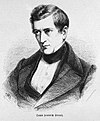
About Arthur Schopenhauer
Arthur Schopenhauer (22 February 1788 – 21 September 1860) was a German philosopher, most famous for his work The World as Will and Representation (1819).