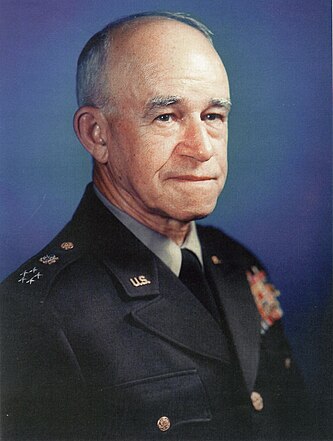
I have attempted to write of my long association with George Patton as fairly and as honestly as I could. General Patton was one of my staunchest friends and the most unhesitatingly loyal of my commanders. He was a magnificent soldier, one whom the American people can admire not only as a great commander but as a unique and remarkable man. In recollecting our experiences together, I may offend those who prefer to remember Patton not as a human being but as a heroic-size statue in a public park. I prefer to remember Patton as a man, as a man with all the frailties and faults of a human being, as a man whose greatness is therefore all the more of a triumph.
What It Means
This is a placeholder explanation generated by the low-overhead model. It interprets "I have attempted to write of my long association with George Patton as fairly and as honestly as I could. General Patton was one of my staunchest friends and the most unhesitatingly loyal of my commanders. He was a magnificent soldier, one whom the American people can admire not only as a great commander but as a unique and remarkable man. In recollecting our experiences together, I may offend those who prefer to remember Patton not as a human being but as a heroic-size statue in a public park. I prefer to remember Patton as a man, as a man with all the frailties and faults of a human being, as a man whose greatness is therefore all the more of a triumph." in the context of "Omar Bradley, in his memoirs A Soldier's Story (1951) p. xii." to mean that wisdom is timeless.
Tags
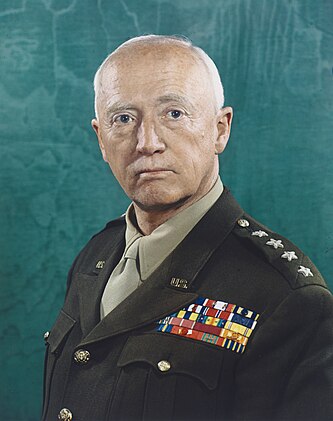
About George S. Patton