Mind Quotes - Best Quotes about Mind | QuotesCosmos
Topic

Mind
Quotes

Unlocking Your Inner Universe.

Mind is the faculty of consciousness and thought, encompassing awareness, perception, memory, and reasoning. It's what allows us to experience the world, construct meaning, and navigate our existence, making us self-aware agents capable of love, creativity, and purposeful action.

Mind
Featuring Wisdom From
Daniel Dennett
Daniel Dennett
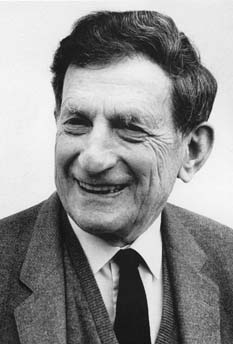
David Bohm
David Bohm

# Mind & Virtues

U
Context: • Francis Bacon, Meditationes Sacræ [Sacred Meditations] (1597) "De Hæresibus" [Of Heresies]
• Also in Leviathan (1651) by Thomas Hobbes, Chapter X.
• Source: Wikiquote: "Knowledge" (Quotes, modern history, 16th century)
Knowledge is power.
— Unknown
U
Context: • John Skelton, Why Come Ye nat to Courte, line 1,106. Quote reported in Hoyt's New Cyclopedia Of Practical Quotations (1922), p. 419-23.
• Source: Wikiquote: "Knowledge" (Quotes, modern history, 15th century)
He knew what is what.
— Unknown
U
Context: • Robert Southey, Sir Thomas More; or, Colloquies on the Progress and Prospects of Society, Volume II, p. 361.
• Source: Wikiquote: "Intelligence" (Hoyt's New Cyclopedia Of Practical Quotations:
Quotes reported in Hoyt's New Cyclopedia Of Practical Quotations (1922), p. 398.)
The march of intellect.
— Unknown
U
Context: • Referred to as a Hebrew proverb by F. W. Farrar in the Cambridge Bible for Schools and Colleges, volume on Luke's Gospel (1891).
• Source: Wikiquote: "Knowledge" (Proverbs)
Learn to say I do not know
— Unknown
U
Context: • William Shakespeare, The Comedy of Errors (1592-94), Act II, scene 2, line 44.
• Source: Wikiquote: "Reason" (S)
Every why hath a wherefore.
— Unknown

# Mind & Semiotics

U
Context: • Charles Lamb (1775–1834), Essays of Elia, The Old and the New Schoolmaster. Quote reported in Hoyt's New Cyclopedia Of Practical Quotations (1922), p. 419-23.
• Source: Wikiquote: "Knowledge" (Quotes, modern history, 19th century)
Not if I know myself at all.
— Unknown
U
Context: • One cannot know everything.
• Horace, Carmina, IV. 4. 22. Quote reported in Hoyt's New Cyclopedia Of Practical Quotations (1922), p. 419-23.
• Source: Wikiquote: "Knowledge" (Quotes, ancient history, Latin)
Nec scire fas est omnia.
— Unknown
U
Context: • Maxine Hong Kingston “’I Can Write My Shadow’: Alexis Cheung Interviews Maxine Hong Kingston” in Los Angeles Review of Books (2016 Dec 22)
• Source: Wikiquote: "Listening" (Quotes)
in a community, we learn to listen
— Unknown
U
Context: • Alfred Tennyson, Locksley Hall (1842), Stanza 71.
• Source: Wikiquote: "Knowledge" (Quotes, modern history, 19th century)
Knowledge comes, but wisdom lingers.
— Unknown
U
Context: • He who knows much has many cares.
• Gotthold Ephraim Lessing, Nathan der Weise, IV. 2. Quote reported in Hoyt's New Cyclopedia Of Practical Quotations (1922), p. 419-23.
• Source: Wikiquote: "Knowledge" (Quotes, modern history, 18th century)
Wer viel weiss
Hat viel zu sorgen.
— Unknown

# Mind & Science

U
Context: • Oliver Wendell Holmes (1919), The One-Hoss Shay
• Source: Wikiquote: "Logic" (Quotes:
Quotes are rearranged alphabetical per author, E-H)
Logic is logic. That's all I say.
— Unknown
U
Context: • The advice of a supervisor to a younger scribe (Eduba C), late third or early second millennium BCE.
• Source: Wikiquote: "Expert" (Quotes:
Quotes are arranged alphabetically by author, A - F)
Experts bring light to dark places.
— Unknown
U
Context: • Gloria Steinem (1984) cited in: Robert Byrne (2002) The 2,548 Best Things Anybody Ever Said
• Source: Wikiquote: "Logic" (Quotes:
Quotes are rearranged alphabetical per author, Q-T)
Logic is in the eye of the logician.
— Unknown
U
Context: • Antoine de Saint-Exupéry (1942), Flight to Arras, as translated by Lewis Galantière
• Source: Wikiquote: "Logic" (Quotes:
Quotes are rearranged alphabetical per author, Q-T)
Pure logic is the ruin of the spirit.
— Unknown
U
Context: • I know you even under the skin.
• Persius, Satires, III. 30. Same in Erasmus—Adagia. Cited in: Hoyt's New Cyclopedia Of Practical Quotations (1922), p. 419-23.
• Source: Wikiquote: "Knowledge" (Quotes, ancient history, Latin)
Ego te intus et in cute novi.
— Unknown

# Mind & Chronologically ordered theme pages to be converted to alphabetical ordering

U
Context: • Francis Bacon, Treatise, De Hæresiis. Cited in: Hoyt's New Cyclopedia Of Practical Quotations (1922), p. 419-23.
• Source: Wikiquote: "Knowledge" (Quotes, modern history, 16th century)
For knowledge, too, is itself a power.
— Unknown
U
Context: • Sir James Mackintosh, Vindiciæ Gallicæ (1791).
• Source: Wikiquote: "Knowledge" (Quotes, modern history, 18th century)
Diffused knowledge immortalizes itself.
— Unknown
U
Context: • Variant of "A little learning is a dangerous thing" of Alexander Pope's Essay on Criticism
• Source: Wikiquote: "Knowledge" (Quotes, modern history, 18th century)
A little knowledge is a dangerous thing
— Unknown
U
Context: • Alfred, Lord Tennyson, "Locksley Hall", line 141, The Poetic and Dramatic Works of Alfred Lord Tennyson, p. 124 (1899).
• Source: Wikiquote: "Knowledge" (Respectfully Quoted: A Dictionary of Quotations (1989))
Knowledge comes, but wisdom lingers,…
— Unknown
U
Context: • Sir Philip Sidney, Defence of Poesy. Quote reported in Hoyt's New Cyclopedia Of Practical Quotations (1922), p. 419-23.
• Source: Wikiquote: "Knowledge" (Quotes, modern history, 16th century)
Sweet food of sweetly uttered knowledge.
— Unknown

# Mind & Epistemology

U
Context: • Lord Brougham, book title of a book published under the superintendence of the Society for the Diffusion of Useful Knowledge (1830). Duke of Sussex, address to the Royal Society (1839). Prof. Craik, Volume bearing this title (1828).
• Source: Wikiquote: "Knowledge" (Quotes, modern history, 19th century)
Pursuit of knowledge under difficulties.
— Unknown
U
Context: • Ralph Waldo Emerson, Society and Solitude (1870), "Old Age".
• Source: Wikiquote: "Knowledge" (Quotes, modern history, 19th century)
There is no knowledge that is not power.
— Unknown
U
Context: • Solomon, Proverbs 12:1.
• Source: Wikiquote: "Knowledge" (Quotes, ancient history, Bible)
Whoever loves discipline loves knowledge.
— Unknown
U
Context: • George Herbert (1593-1633). Quote reported in Josiah Hotchkiss Gilbert, Dictionary of Burning Words of Brilliant Writers (1895), p. 364.
• Source: Wikiquote: "Knowledge" (Quotes, modern history, 17th century)
Knowledge is folly unless grace guide it.
— Unknown
U
Context: • Oliver Goldsmith, The Traveller (1764), line 64.
• Source: Wikiquote: "Knowledge" (Quotes, modern history, 18th century)
Who can direct, when all pretend to know?
— Unknown
More Quotes
U
Context: • Source: Wikiquote: "Concept" (Also see)
Abstraction
— Unknown
U
Context: • Source: Wikiquote: "Oneirology" (Also see)
Sigmund Freud
— Unknown
U
Context: • William Makepeace Thackeray, Pendennis, Chapter X.
• Source: Wikiquote: "Insanity" (Quotes, Hoyt's New Cyclopedia Of Practical Quotations:
Quotes reported in Hoyt's New Cyclopedia Of Practical Quotations (1922), p. 396-97.)
Mad as a hatter.
— Unknown
U
Context: • Source: Wikiquote: "Concept" (Also see)
Conceptual model
— Unknown
U
Context: • Ben Jonson, Epithalamion, Stanza 3, line 4. Oliver Goldsmith, Children of the World, Letter 71.
• Source: Wikiquote: "Vision" (Quotes, Hoyt's New Cyclopedia Of Practical Quotations:
Quotes reported in Hoyt's New Cyclopedia Of Practical Quotations (1922), p. 707.)
See and to be seen.
— Unknown
U
Context: • Anonymous proverb, reported in Bartlett's Familiar Quotations, 10th ed. (1919)
• Source: Wikiquote: "Genius" (A)
Genius is patience.
— Unknown
U
Context: • Francis Bacon, Meditationes Sacræ [Sacred Meditations] (1597) "De Hæresibus" [Of Heresies]
• Also in Leviathan (1651) by Thomas Hobbes, Chapter X.
• Source: Wikiquote: "Knowledge" (Quotes, modern history, 16th century)
Knowledge is power.
— Unknown
U
Context: • From one learn all.
• Virgil, Æneid (29-19 BC), II. 65.
• Source: Wikiquote: "Learning" (Hoyt's New Cyclopedia Of Practical Quotations:
Quotes reported in Hoyt's New Cyclopedia Of Practical Quotations (1922), p. 434-37.)
Ab uno disce omnes.
— Unknown
U
Context: • Themistocles, Rollin's Ancient History, Book VI, Chapter II, Section VIII.
• Source: Wikiquote: "Hearing" (Quotes, Hoyt's New Cyclopedia Of Practical Quotations:
Quotes reported in Hoyt's New Cyclopedia Of Practical Quotations (1922), p. 357.)
Strike, but hear me.
— Unknown
U
Context: • James Halliwell-Phillipps, Archaic Diet, Volume II. Art. "March Hare." Heywood—Proverbs, Part II, Chapter V. Skelton—Replycacion Agaynst Certayne Yong Scolers, etc, line 35.
• Source: Wikiquote: "Insanity" (Quotes, Hoyt's New Cyclopedia Of Practical Quotations:
Quotes reported in Hoyt's New Cyclopedia Of Practical Quotations (1922), p. 396-97.)
Mad as a March hare.
— Unknown
U
Context: • The presiding genius of the place.
 • Virgil, Æneid (29-19 BC), VII, 136. Genius signifies a divinity. Monumental stones were inscribed by the ancient Romans, "Genio loci"—"To the Divinity of the locality." Altar to the Unknown God. (See Acts XVII. 23)
• Source: Wikiquote: "Genius" (V)
Genius loci.
— Unknown
U
Context: • George Orwell, Nineteen Eighty-Four, Ch. 1, slogan of the Party (1949).
• Source: Wikiquote: "Ignorance" (O)
IGNORANCE IS STRENGTH
— Unknown
U
Context: • John Skelton, Why Come Ye nat to Courte, line 1,106. Quote reported in Hoyt's New Cyclopedia Of Practical Quotations (1922), p. 419-23.
• Source: Wikiquote: "Knowledge" (Quotes, modern history, 15th century)
He knew what is what.
— Unknown
U
Context: • Francis Quarles, School of the Heart, Ode IV, Stanza 3.
• Source: Wikiquote: "Mind" (Hoyt's New Cyclopedia Of Practical Quotations:
Quotes reported in Hoyt's New Cyclopedia Of Practical Quotations (1922), p. 513-16.)
My mind's my kingdom.
— Unknown
Daniel Dennett
Context: • Source: Wikiquote: "Daniel Dennett" (Quotes, Darwin's Dangerous Idea (1995):
Darwin's Dangerous Idea: Evolution and the Meanings of Life. Simon & Schuster. ISBN 0-684-80290-2)
Biology is Engineering
— Daniel Dennett
U
Context: • Sumerian proverb, Collection III at The Electronic Text Corpus of Sumerian Literature, 3rd millennium BCE.
• Source: Wikiquote: "Fools" (Quotes:
Alphabetized by author or source )
The fool is garrulous.
— Unknown
U
Context: • I Peter, III. 8.
• Source: Wikiquote: "Mind" (Hoyt's New Cyclopedia Of Practical Quotations:
Quotes reported in Hoyt's New Cyclopedia Of Practical Quotations (1922), p. 513-16.)
Be ye all of one mind.
— Unknown
U
Context: • Robert Southey, Sir Thomas More; or, Colloquies on the Progress and Prospects of Society, Volume II, p. 361.
• Source: Wikiquote: "Intelligence" (Hoyt's New Cyclopedia Of Practical Quotations:
Quotes reported in Hoyt's New Cyclopedia Of Practical Quotations (1922), p. 398.)
The march of intellect.
— Unknown
U
Context: • Jack Cady, The Night We Buried Road Dog (originally published in The Magazine of Fantasy & Science Fiction, January 1993; reprinted in The Year's Best Science Fiction, volume 11, edited by Gardner Dozois).
• Source: Wikiquote: "Idiot" (Quotes:
Alphabetized by author )
Never confuse an idiot.
— Unknown
U
Context: • Referred to as a Hebrew proverb by F. W. Farrar in the Cambridge Bible for Schools and Colleges, volume on Luke's Gospel (1891).
• Source: Wikiquote: "Knowledge" (Proverbs)
Learn to say I do not know
— Unknown
Quote Copied!
SERVER['DOCUMENT_ROOT'] . '/includes/header.php'; ?>
Topic

Mind
Quotes

Unlocking Your Inner Universe.

Mind is the faculty of consciousness and thought, encompassing awareness, perception, memory, and reasoning. It's what allows us to experience the world, construct meaning, and navigate our existence, making us self-aware agents capable of love, creativity, and purposeful action.

Mind
Featuring Wisdom From
Daniel Dennett
Daniel Dennett
David Bohm
David Bohm

# Mind & Virtues

U
Context: • Francis Bacon, Meditationes Sacræ [Sacred Meditations] (1597) "De Hæresibus" [Of Heresies]
• Also in Leviathan (1651) by Thomas Hobbes, Chapter X.
• Source: Wikiquote: "Knowledge" (Quotes, modern history, 16th century)
Knowledge is power.
— Unknown
U
Context: • John Skelton, Why Come Ye nat to Courte, line 1,106. Quote reported in Hoyt's New Cyclopedia Of Practical Quotations (1922), p. 419-23.
• Source: Wikiquote: "Knowledge" (Quotes, modern history, 15th century)
He knew what is what.
— Unknown
U
Context: • Robert Southey, Sir Thomas More; or, Colloquies on the Progress and Prospects of Society, Volume II, p. 361.
• Source: Wikiquote: "Intelligence" (Hoyt's New Cyclopedia Of Practical Quotations:
Quotes reported in Hoyt's New Cyclopedia Of Practical Quotations (1922), p. 398.)
The march of intellect.
— Unknown
U
Context: • Referred to as a Hebrew proverb by F. W. Farrar in the Cambridge Bible for Schools and Colleges, volume on Luke's Gospel (1891).
• Source: Wikiquote: "Knowledge" (Proverbs)
Learn to say I do not know
— Unknown
U
Context: • William Shakespeare, The Comedy of Errors (1592-94), Act II, scene 2, line 44.
• Source: Wikiquote: "Reason" (S)
Every why hath a wherefore.
— Unknown

# Mind & Semiotics

U
Context: • Charles Lamb (1775–1834), Essays of Elia, The Old and the New Schoolmaster. Quote reported in Hoyt's New Cyclopedia Of Practical Quotations (1922), p. 419-23.
• Source: Wikiquote: "Knowledge" (Quotes, modern history, 19th century)
Not if I know myself at all.
— Unknown
U
Context: • One cannot know everything.
• Horace, Carmina, IV. 4. 22. Quote reported in Hoyt's New Cyclopedia Of Practical Quotations (1922), p. 419-23.
• Source: Wikiquote: "Knowledge" (Quotes, ancient history, Latin)
Nec scire fas est omnia.
— Unknown
U
Context: • Maxine Hong Kingston “’I Can Write My Shadow’: Alexis Cheung Interviews Maxine Hong Kingston” in Los Angeles Review of Books (2016 Dec 22)
• Source: Wikiquote: "Listening" (Quotes)
in a community, we learn to listen
— Unknown
U
Context: • Alfred Tennyson, Locksley Hall (1842), Stanza 71.
• Source: Wikiquote: "Knowledge" (Quotes, modern history, 19th century)
Knowledge comes, but wisdom lingers.
— Unknown
U
Context: • He who knows much has many cares.
• Gotthold Ephraim Lessing, Nathan der Weise, IV. 2. Quote reported in Hoyt's New Cyclopedia Of Practical Quotations (1922), p. 419-23.
• Source: Wikiquote: "Knowledge" (Quotes, modern history, 18th century)
Wer viel weiss
Hat viel zu sorgen.
— Unknown

# Mind & Science

U
Context: • Oliver Wendell Holmes (1919), The One-Hoss Shay
• Source: Wikiquote: "Logic" (Quotes:
Quotes are rearranged alphabetical per author, E-H)
Logic is logic. That's all I say.
— Unknown
U
Context: • The advice of a supervisor to a younger scribe (Eduba C), late third or early second millennium BCE.
• Source: Wikiquote: "Expert" (Quotes:
Quotes are arranged alphabetically by author, A - F)
Experts bring light to dark places.
— Unknown
U
Context: • Gloria Steinem (1984) cited in: Robert Byrne (2002) The 2,548 Best Things Anybody Ever Said
• Source: Wikiquote: "Logic" (Quotes:
Quotes are rearranged alphabetical per author, Q-T)
Logic is in the eye of the logician.
— Unknown
U
Context: • Antoine de Saint-Exupéry (1942), Flight to Arras, as translated by Lewis Galantière
• Source: Wikiquote: "Logic" (Quotes:
Quotes are rearranged alphabetical per author, Q-T)
Pure logic is the ruin of the spirit.
— Unknown
U
Context: • I know you even under the skin.
• Persius, Satires, III. 30. Same in Erasmus—Adagia. Cited in: Hoyt's New Cyclopedia Of Practical Quotations (1922), p. 419-23.
• Source: Wikiquote: "Knowledge" (Quotes, ancient history, Latin)
Ego te intus et in cute novi.
— Unknown

# Mind & Chronologically ordered theme pages to be converted to alphabetical ordering

U
Context: • Francis Bacon, Treatise, De Hæresiis. Cited in: Hoyt's New Cyclopedia Of Practical Quotations (1922), p. 419-23.
• Source: Wikiquote: "Knowledge" (Quotes, modern history, 16th century)
For knowledge, too, is itself a power.
— Unknown
U
Context: • Sir James Mackintosh, Vindiciæ Gallicæ (1791).
• Source: Wikiquote: "Knowledge" (Quotes, modern history, 18th century)
Diffused knowledge immortalizes itself.
— Unknown
U
Context: • Variant of "A little learning is a dangerous thing" of Alexander Pope's Essay on Criticism
• Source: Wikiquote: "Knowledge" (Quotes, modern history, 18th century)
A little knowledge is a dangerous thing
— Unknown
U
Context: • Alfred, Lord Tennyson, "Locksley Hall", line 141, The Poetic and Dramatic Works of Alfred Lord Tennyson, p. 124 (1899).
• Source: Wikiquote: "Knowledge" (Respectfully Quoted: A Dictionary of Quotations (1989))
Knowledge comes, but wisdom lingers,…
— Unknown
U
Context: • Sir Philip Sidney, Defence of Poesy. Quote reported in Hoyt's New Cyclopedia Of Practical Quotations (1922), p. 419-23.
• Source: Wikiquote: "Knowledge" (Quotes, modern history, 16th century)
Sweet food of sweetly uttered knowledge.
— Unknown

# Mind & Epistemology

U
Context: • Lord Brougham, book title of a book published under the superintendence of the Society for the Diffusion of Useful Knowledge (1830). Duke of Sussex, address to the Royal Society (1839). Prof. Craik, Volume bearing this title (1828).
• Source: Wikiquote: "Knowledge" (Quotes, modern history, 19th century)
Pursuit of knowledge under difficulties.
— Unknown
U
Context: • Ralph Waldo Emerson, Society and Solitude (1870), "Old Age".
• Source: Wikiquote: "Knowledge" (Quotes, modern history, 19th century)
There is no knowledge that is not power.
— Unknown
U
Context: • Solomon, Proverbs 12:1.
• Source: Wikiquote: "Knowledge" (Quotes, ancient history, Bible)
Whoever loves discipline loves knowledge.
— Unknown
U
Context: • George Herbert (1593-1633). Quote reported in Josiah Hotchkiss Gilbert, Dictionary of Burning Words of Brilliant Writers (1895), p. 364.
• Source: Wikiquote: "Knowledge" (Quotes, modern history, 17th century)
Knowledge is folly unless grace guide it.
— Unknown
U
Context: • Oliver Goldsmith, The Traveller (1764), line 64.
• Source: Wikiquote: "Knowledge" (Quotes, modern history, 18th century)
Who can direct, when all pretend to know?
— Unknown
More Quotes
U
Context: • Source: Wikiquote: "Concept" (Also see)
Abstraction
— Unknown
U
Context: • Source: Wikiquote: "Oneirology" (Also see)
Sigmund Freud
— Unknown
U
Context: • William Makepeace Thackeray, Pendennis, Chapter X.
• Source: Wikiquote: "Insanity" (Quotes, Hoyt's New Cyclopedia Of Practical Quotations:
Quotes reported in Hoyt's New Cyclopedia Of Practical Quotations (1922), p. 396-97.)
Mad as a hatter.
— Unknown
U
Context: • Source: Wikiquote: "Concept" (Also see)
Conceptual model
— Unknown
U
Context: • Ben Jonson, Epithalamion, Stanza 3, line 4. Oliver Goldsmith, Children of the World, Letter 71.
• Source: Wikiquote: "Vision" (Quotes, Hoyt's New Cyclopedia Of Practical Quotations:
Quotes reported in Hoyt's New Cyclopedia Of Practical Quotations (1922), p. 707.)
See and to be seen.
— Unknown
U
Context: • Anonymous proverb, reported in Bartlett's Familiar Quotations, 10th ed. (1919)
• Source: Wikiquote: "Genius" (A)
Genius is patience.
— Unknown
U
Context: • Francis Bacon, Meditationes Sacræ [Sacred Meditations] (1597) "De Hæresibus" [Of Heresies]
• Also in Leviathan (1651) by Thomas Hobbes, Chapter X.
• Source: Wikiquote: "Knowledge" (Quotes, modern history, 16th century)
Knowledge is power.
— Unknown
U
Context: • From one learn all.
• Virgil, Æneid (29-19 BC), II. 65.
• Source: Wikiquote: "Learning" (Hoyt's New Cyclopedia Of Practical Quotations:
Quotes reported in Hoyt's New Cyclopedia Of Practical Quotations (1922), p. 434-37.)
Ab uno disce omnes.
— Unknown
U
Context: • Themistocles, Rollin's Ancient History, Book VI, Chapter II, Section VIII.
• Source: Wikiquote: "Hearing" (Quotes, Hoyt's New Cyclopedia Of Practical Quotations:
Quotes reported in Hoyt's New Cyclopedia Of Practical Quotations (1922), p. 357.)
Strike, but hear me.
— Unknown
U
Context: • James Halliwell-Phillipps, Archaic Diet, Volume II. Art. "March Hare." Heywood—Proverbs, Part II, Chapter V. Skelton—Replycacion Agaynst Certayne Yong Scolers, etc, line 35.
• Source: Wikiquote: "Insanity" (Quotes, Hoyt's New Cyclopedia Of Practical Quotations:
Quotes reported in Hoyt's New Cyclopedia Of Practical Quotations (1922), p. 396-97.)
Mad as a March hare.
— Unknown
U
Context: • The presiding genius of the place.
 • Virgil, Æneid (29-19 BC), VII, 136. Genius signifies a divinity. Monumental stones were inscribed by the ancient Romans, "Genio loci"—"To the Divinity of the locality." Altar to the Unknown God. (See Acts XVII. 23)
• Source: Wikiquote: "Genius" (V)
Genius loci.
— Unknown
U
Context: • George Orwell, Nineteen Eighty-Four, Ch. 1, slogan of the Party (1949).
• Source: Wikiquote: "Ignorance" (O)
IGNORANCE IS STRENGTH
— Unknown
U
Context: • John Skelton, Why Come Ye nat to Courte, line 1,106. Quote reported in Hoyt's New Cyclopedia Of Practical Quotations (1922), p. 419-23.
• Source: Wikiquote: "Knowledge" (Quotes, modern history, 15th century)
He knew what is what.
— Unknown
U
Context: • Francis Quarles, School of the Heart, Ode IV, Stanza 3.
• Source: Wikiquote: "Mind" (Hoyt's New Cyclopedia Of Practical Quotations:
Quotes reported in Hoyt's New Cyclopedia Of Practical Quotations (1922), p. 513-16.)
My mind's my kingdom.
— Unknown
Daniel Dennett
Context: • Source: Wikiquote: "Daniel Dennett" (Quotes, Darwin's Dangerous Idea (1995):
Darwin's Dangerous Idea: Evolution and the Meanings of Life. Simon & Schuster. ISBN 0-684-80290-2)
Biology is Engineering
— Daniel Dennett
U
Context: • Sumerian proverb, Collection III at The Electronic Text Corpus of Sumerian Literature, 3rd millennium BCE.
• Source: Wikiquote: "Fools" (Quotes:
Alphabetized by author or source )
The fool is garrulous.
— Unknown
U
Context: • I Peter, III. 8.
• Source: Wikiquote: "Mind" (Hoyt's New Cyclopedia Of Practical Quotations:
Quotes reported in Hoyt's New Cyclopedia Of Practical Quotations (1922), p. 513-16.)
Be ye all of one mind.
— Unknown
U
Context: • Robert Southey, Sir Thomas More; or, Colloquies on the Progress and Prospects of Society, Volume II, p. 361.
• Source: Wikiquote: "Intelligence" (Hoyt's New Cyclopedia Of Practical Quotations:
Quotes reported in Hoyt's New Cyclopedia Of Practical Quotations (1922), p. 398.)
The march of intellect.
— Unknown
U
Context: • Jack Cady, The Night We Buried Road Dog (originally published in The Magazine of Fantasy & Science Fiction, January 1993; reprinted in The Year's Best Science Fiction, volume 11, edited by Gardner Dozois).
• Source: Wikiquote: "Idiot" (Quotes:
Alphabetized by author )
Never confuse an idiot.
— Unknown
U
Context: • Referred to as a Hebrew proverb by F. W. Farrar in the Cambridge Bible for Schools and Colleges, volume on Luke's Gospel (1891).
• Source: Wikiquote: "Knowledge" (Proverbs)
Learn to say I do not know
— Unknown
Quote Copied!
Mind Quotes - Best Quotes about Mind | QuotesCosmos
Topic

Mind
Quotes

Unlocking Your Inner Universe.

Mind is the faculty of consciousness and thought, encompassing awareness, perception, memory, and reasoning. It's what allows us to experience the world, construct meaning, and navigate our existence, making us self-aware agents capable of love, creativity, and purposeful action.

Mind
Featuring Wisdom From
Daniel Dennett
Daniel Dennett
David Bohm
David Bohm

# Mind & Virtues

U
Context: • Francis Bacon, Meditationes Sacræ [Sacred Meditations] (1597) "De Hæresibus" [Of Heresies]
• Also in Leviathan (1651) by Thomas Hobbes, Chapter X.
• Source: Wikiquote: "Knowledge" (Quotes, modern history, 16th century)
Knowledge is power.
— Unknown
U
Context: • John Skelton, Why Come Ye nat to Courte, line 1,106. Quote reported in Hoyt's New Cyclopedia Of Practical Quotations (1922), p. 419-23.
• Source: Wikiquote: "Knowledge" (Quotes, modern history, 15th century)
He knew what is what.
— Unknown
U
Context: • Robert Southey, Sir Thomas More; or, Colloquies on the Progress and Prospects of Society, Volume II, p. 361.
• Source: Wikiquote: "Intelligence" (Hoyt's New Cyclopedia Of Practical Quotations:
Quotes reported in Hoyt's New Cyclopedia Of Practical Quotations (1922), p. 398.)
The march of intellect.
— Unknown
U
Context: • Referred to as a Hebrew proverb by F. W. Farrar in the Cambridge Bible for Schools and Colleges, volume on Luke's Gospel (1891).
• Source: Wikiquote: "Knowledge" (Proverbs)
Learn to say I do not know
— Unknown
U
Context: • William Shakespeare, The Comedy of Errors (1592-94), Act II, scene 2, line 44.
• Source: Wikiquote: "Reason" (S)
Every why hath a wherefore.
— Unknown

# Mind & Semiotics

U
Context: • Charles Lamb (1775–1834), Essays of Elia, The Old and the New Schoolmaster. Quote reported in Hoyt's New Cyclopedia Of Practical Quotations (1922), p. 419-23.
• Source: Wikiquote: "Knowledge" (Quotes, modern history, 19th century)
Not if I know myself at all.
— Unknown
U
Context: • One cannot know everything.
• Horace, Carmina, IV. 4. 22. Quote reported in Hoyt's New Cyclopedia Of Practical Quotations (1922), p. 419-23.
• Source: Wikiquote: "Knowledge" (Quotes, ancient history, Latin)
Nec scire fas est omnia.
— Unknown
U
Context: • Maxine Hong Kingston “’I Can Write My Shadow’: Alexis Cheung Interviews Maxine Hong Kingston” in Los Angeles Review of Books (2016 Dec 22)
• Source: Wikiquote: "Listening" (Quotes)
in a community, we learn to listen
— Unknown
U
Context: • Alfred Tennyson, Locksley Hall (1842), Stanza 71.
• Source: Wikiquote: "Knowledge" (Quotes, modern history, 19th century)
Knowledge comes, but wisdom lingers.
— Unknown
U
Context: • He who knows much has many cares.
• Gotthold Ephraim Lessing, Nathan der Weise, IV. 2. Quote reported in Hoyt's New Cyclopedia Of Practical Quotations (1922), p. 419-23.
• Source: Wikiquote: "Knowledge" (Quotes, modern history, 18th century)
Wer viel weiss
Hat viel zu sorgen.
— Unknown

# Mind & Science

U
Context: • Oliver Wendell Holmes (1919), The One-Hoss Shay
• Source: Wikiquote: "Logic" (Quotes:
Quotes are rearranged alphabetical per author, E-H)
Logic is logic. That's all I say.
— Unknown
U
Context: • The advice of a supervisor to a younger scribe (Eduba C), late third or early second millennium BCE.
• Source: Wikiquote: "Expert" (Quotes:
Quotes are arranged alphabetically by author, A - F)
Experts bring light to dark places.
— Unknown
U
Context: • Gloria Steinem (1984) cited in: Robert Byrne (2002) The 2,548 Best Things Anybody Ever Said
• Source: Wikiquote: "Logic" (Quotes:
Quotes are rearranged alphabetical per author, Q-T)
Logic is in the eye of the logician.
— Unknown
U
Context: • Antoine de Saint-Exupéry (1942), Flight to Arras, as translated by Lewis Galantière
• Source: Wikiquote: "Logic" (Quotes:
Quotes are rearranged alphabetical per author, Q-T)
Pure logic is the ruin of the spirit.
— Unknown
U
Context: • I know you even under the skin.
• Persius, Satires, III. 30. Same in Erasmus—Adagia. Cited in: Hoyt's New Cyclopedia Of Practical Quotations (1922), p. 419-23.
• Source: Wikiquote: "Knowledge" (Quotes, ancient history, Latin)
Ego te intus et in cute novi.
— Unknown

# Mind & Chronologically ordered theme pages to be converted to alphabetical ordering

U
Context: • Francis Bacon, Treatise, De Hæresiis. Cited in: Hoyt's New Cyclopedia Of Practical Quotations (1922), p. 419-23.
• Source: Wikiquote: "Knowledge" (Quotes, modern history, 16th century)
For knowledge, too, is itself a power.
— Unknown
U
Context: • Sir James Mackintosh, Vindiciæ Gallicæ (1791).
• Source: Wikiquote: "Knowledge" (Quotes, modern history, 18th century)
Diffused knowledge immortalizes itself.
— Unknown
U
Context: • Variant of "A little learning is a dangerous thing" of Alexander Pope's Essay on Criticism
• Source: Wikiquote: "Knowledge" (Quotes, modern history, 18th century)
A little knowledge is a dangerous thing
— Unknown
U
Context: • Alfred, Lord Tennyson, "Locksley Hall", line 141, The Poetic and Dramatic Works of Alfred Lord Tennyson, p. 124 (1899).
• Source: Wikiquote: "Knowledge" (Respectfully Quoted: A Dictionary of Quotations (1989))
Knowledge comes, but wisdom lingers,…
— Unknown
U
Context: • Sir Philip Sidney, Defence of Poesy. Quote reported in Hoyt's New Cyclopedia Of Practical Quotations (1922), p. 419-23.
• Source: Wikiquote: "Knowledge" (Quotes, modern history, 16th century)
Sweet food of sweetly uttered knowledge.
— Unknown

# Mind & Epistemology

U
Context: • Lord Brougham, book title of a book published under the superintendence of the Society for the Diffusion of Useful Knowledge (1830). Duke of Sussex, address to the Royal Society (1839). Prof. Craik, Volume bearing this title (1828).
• Source: Wikiquote: "Knowledge" (Quotes, modern history, 19th century)
Pursuit of knowledge under difficulties.
— Unknown
U
Context: • Ralph Waldo Emerson, Society and Solitude (1870), "Old Age".
• Source: Wikiquote: "Knowledge" (Quotes, modern history, 19th century)
There is no knowledge that is not power.
— Unknown
U
Context: • Solomon, Proverbs 12:1.
• Source: Wikiquote: "Knowledge" (Quotes, ancient history, Bible)
Whoever loves discipline loves knowledge.
— Unknown
U
Context: • George Herbert (1593-1633). Quote reported in Josiah Hotchkiss Gilbert, Dictionary of Burning Words of Brilliant Writers (1895), p. 364.
• Source: Wikiquote: "Knowledge" (Quotes, modern history, 17th century)
Knowledge is folly unless grace guide it.
— Unknown
U
Context: • Oliver Goldsmith, The Traveller (1764), line 64.
• Source: Wikiquote: "Knowledge" (Quotes, modern history, 18th century)
Who can direct, when all pretend to know?
— Unknown
More Quotes
U
Context: • Source: Wikiquote: "Concept" (Also see)
Abstraction
— Unknown
U
Context: • Source: Wikiquote: "Oneirology" (Also see)
Sigmund Freud
— Unknown
U
Context: • William Makepeace Thackeray, Pendennis, Chapter X.
• Source: Wikiquote: "Insanity" (Quotes, Hoyt's New Cyclopedia Of Practical Quotations:
Quotes reported in Hoyt's New Cyclopedia Of Practical Quotations (1922), p. 396-97.)
Mad as a hatter.
— Unknown
U
Context: • Source: Wikiquote: "Concept" (Also see)
Conceptual model
— Unknown
U
Context: • Ben Jonson, Epithalamion, Stanza 3, line 4. Oliver Goldsmith, Children of the World, Letter 71.
• Source: Wikiquote: "Vision" (Quotes, Hoyt's New Cyclopedia Of Practical Quotations:
Quotes reported in Hoyt's New Cyclopedia Of Practical Quotations (1922), p. 707.)
See and to be seen.
— Unknown
U
Context: • Anonymous proverb, reported in Bartlett's Familiar Quotations, 10th ed. (1919)
• Source: Wikiquote: "Genius" (A)
Genius is patience.
— Unknown
U
Context: • Francis Bacon, Meditationes Sacræ [Sacred Meditations] (1597) "De Hæresibus" [Of Heresies]
• Also in Leviathan (1651) by Thomas Hobbes, Chapter X.
• Source: Wikiquote: "Knowledge" (Quotes, modern history, 16th century)
Knowledge is power.
— Unknown
U
Context: • From one learn all.
• Virgil, Æneid (29-19 BC), II. 65.
• Source: Wikiquote: "Learning" (Hoyt's New Cyclopedia Of Practical Quotations:
Quotes reported in Hoyt's New Cyclopedia Of Practical Quotations (1922), p. 434-37.)
Ab uno disce omnes.
— Unknown
U
Context: • Themistocles, Rollin's Ancient History, Book VI, Chapter II, Section VIII.
• Source: Wikiquote: "Hearing" (Quotes, Hoyt's New Cyclopedia Of Practical Quotations:
Quotes reported in Hoyt's New Cyclopedia Of Practical Quotations (1922), p. 357.)
Strike, but hear me.
— Unknown
U
Context: • James Halliwell-Phillipps, Archaic Diet, Volume II. Art. "March Hare." Heywood—Proverbs, Part II, Chapter V. Skelton—Replycacion Agaynst Certayne Yong Scolers, etc, line 35.
• Source: Wikiquote: "Insanity" (Quotes, Hoyt's New Cyclopedia Of Practical Quotations:
Quotes reported in Hoyt's New Cyclopedia Of Practical Quotations (1922), p. 396-97.)
Mad as a March hare.
— Unknown
U
Context: • The presiding genius of the place.
 • Virgil, Æneid (29-19 BC), VII, 136. Genius signifies a divinity. Monumental stones were inscribed by the ancient Romans, "Genio loci"—"To the Divinity of the locality." Altar to the Unknown God. (See Acts XVII. 23)
• Source: Wikiquote: "Genius" (V)
Genius loci.
— Unknown
U
Context: • George Orwell, Nineteen Eighty-Four, Ch. 1, slogan of the Party (1949).
• Source: Wikiquote: "Ignorance" (O)
IGNORANCE IS STRENGTH
— Unknown
U
Context: • John Skelton, Why Come Ye nat to Courte, line 1,106. Quote reported in Hoyt's New Cyclopedia Of Practical Quotations (1922), p. 419-23.
• Source: Wikiquote: "Knowledge" (Quotes, modern history, 15th century)
He knew what is what.
— Unknown
U
Context: • Francis Quarles, School of the Heart, Ode IV, Stanza 3.
• Source: Wikiquote: "Mind" (Hoyt's New Cyclopedia Of Practical Quotations:
Quotes reported in Hoyt's New Cyclopedia Of Practical Quotations (1922), p. 513-16.)
My mind's my kingdom.
— Unknown
Daniel Dennett
Context: • Source: Wikiquote: "Daniel Dennett" (Quotes, Darwin's Dangerous Idea (1995):
Darwin's Dangerous Idea: Evolution and the Meanings of Life. Simon & Schuster. ISBN 0-684-80290-2)
Biology is Engineering
— Daniel Dennett
U
Context: • Sumerian proverb, Collection III at The Electronic Text Corpus of Sumerian Literature, 3rd millennium BCE.
• Source: Wikiquote: "Fools" (Quotes:
Alphabetized by author or source )
The fool is garrulous.
— Unknown
U
Context: • I Peter, III. 8.
• Source: Wikiquote: "Mind" (Hoyt's New Cyclopedia Of Practical Quotations:
Quotes reported in Hoyt's New Cyclopedia Of Practical Quotations (1922), p. 513-16.)
Be ye all of one mind.
— Unknown
U
Context: • Robert Southey, Sir Thomas More; or, Colloquies on the Progress and Prospects of Society, Volume II, p. 361.
• Source: Wikiquote: "Intelligence" (Hoyt's New Cyclopedia Of Practical Quotations:
Quotes reported in Hoyt's New Cyclopedia Of Practical Quotations (1922), p. 398.)
The march of intellect.
— Unknown
U
Context: • Jack Cady, The Night We Buried Road Dog (originally published in The Magazine of Fantasy & Science Fiction, January 1993; reprinted in The Year's Best Science Fiction, volume 11, edited by Gardner Dozois).
• Source: Wikiquote: "Idiot" (Quotes:
Alphabetized by author )
Never confuse an idiot.
— Unknown
U
Context: • Referred to as a Hebrew proverb by F. W. Farrar in the Cambridge Bible for Schools and Colleges, volume on Luke's Gospel (1891).
• Source: Wikiquote: "Knowledge" (Proverbs)
Learn to say I do not know
— Unknown
Quote Copied!
SERVER['DOCUMENT_ROOT'] . '/includes/footer.php'; ?>