Link Copied!
George Eliot Quotes (1819-1880)
Writer, Poet, Novelist
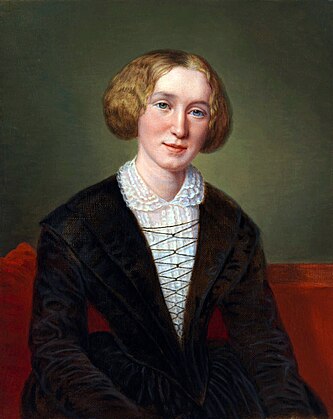
























































About George Eliot
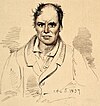
George Eliot (born Mary Ann Evans; 22 November 1819 – 22 December 1880) was an English novelist and poet. Despite the strong social customs of her times against such arrangements, she lived unmarried with fellow writer George Henry Lewes for over 20 years.
Best George Eliot Quotes
Shortest
Earliest
Explore our curated collection of the most famous and impactful George Eliot quotes.


“One can say everything best over a meal.”



“Renunciation remains sorrow, though a sorrow borne willingly.”

“What loneliness is more lonely than distrust?”


“Nothing is so good as it seems beforehand - ...”
“If art does not enlarge men's sympathies, it does nothing morally.”

“Ignorance gives one a large range of probabilities.”
“Opposition may become sweet to a man when he has christened it persecution.”
“Inclination snatches arguments
To make indulgence seem judicious choice.”
To make indulgence seem judicious choice.”

“[N]o sort of duplicity can long flourish without the help of vocal falsehoods”
“A difference of taste in jokes is a great strain on the affections.”
“Knightly love is blent with reverence
As heavenly air is blent with heavenly blue.”
As heavenly air is blent with heavenly blue.”
“Childhood has no forebodings; but then, it is soothed by no memories of outlived sorrow.”
“There's no disappointment in memory, and one's exaggerations are always on the good side.”

“But veracity is a plant of paradise, and the seeds have never flourished beyond the walls.”

“Who can prove
Wit to be witty when with deeper ground
Dulness intuitive declares wit dull?”
Wit to be witty when with deeper ground
Dulness intuitive declares wit dull?”


“I think any hardship is better than pretending to do what one is paid for, and never really doing it.”
“Vanity is as ill at ease under indifference as tenderness is under a love which it cannot return . . .”
“when a man had deserved his good luck, it was the part of his neighbours to wish him joy.”
“Every man who is not a monster, a mathematician, or a mad philosopher, is the slave of some woman or other.”

“A serious ape whom none take seriously,
Obliged in this fool's world to earn his nuts
By hard buffoonery.”
Obliged in this fool's world to earn his nuts
By hard buffoonery.”
“The yoke a man creates for himself by wrong-doing will breed hate in the kindliest nature; . . .”
“... that modern sect of Flagellants who make a ritual of lashing — not themselves but — all their neighbours.”
“The best augury of a man's success in his profession is that he thinks it the finest in the world.”
“High achievements demand some other unusual qualification besides an unusual desire for high prizes.”
“Men's lives are as thoroughly blended with each other as the air they breathe: evil spreads as necessarily as disease.”
“the rich ate and drank freely, accepting gout and apoplexy as things that ran mysteriously in respectable families . . .”
“Deep, unspeakable suffering may well be called a baptism, a regeneration, the initiation into a new state.”
“Imagination is a licensed trespasser: it has no fear of dogs, but may climb over walls and peep in at windows with impunity.”

“Ugly and deformed people have great need of unusual virtues, because they are likely to be extremely uncomfortable without them.”
“An election is coming. Universal peace is declared, and the foxes have a sincere interest in prolonging the lives of the poultry.”

“Jealousy is never satisfied with anything short of an omniscience that would detect the subtlest fold of the heart.”

“The world would have a new dreariness for her, as a wilderness that a magician's spells had turned for a little while into a garden.”

“There is a great deal of unmapped country within us which would have to be taken into account in an explanation of our gusts and storms.”

“ 'Tis God gives skill,
But not without men's hands: He could not make
Antonio Stradivari's violins
Without Antonio.”
But not without men's hands: He could not make
Antonio Stradivari's violins
Without Antonio.”
“Gossip is a sort of smoke that comes from the dirty tobacco-pipes of those who diffuse it: it proves nothing but the bad taste of the smoker.”
“The difficulty is, to decide how far resolution should set in the direction of activity rather than in the acceptance of a more negative state.”

“Love does not aim simply at the conscious good of the beloved object: it is not satisfied without perfect loyalty of heart; it aims at its own completeness.”

“May I unceasingly aspire to unclothe all around me of its conventional, human, temporary dress, to look at it in its essence and in its relation to eternity.”
“Some set out, like Crusaders of old, with a glorious equipment of hope and enthusiasm and get broken by the way, wanting patience with each other and the world.”
“Love has a way of cheating itself consciously, like a child who plays at solitary hide-and-seek; it is pleased with assurances that it all the while disbelieves.”
“He hated the thought of the past; there was nothing that called out his love and fellowship toward the strangers he had come amongst; and the future was all dark.”

“Do we not wile away moments of inanity or fatigued waiting by repeating some trivial movement or sound, until the repetition has bred a want, which is incipient habit?”

“Human feeling is like the mighty rivers that bless the earth: it does not wait for beauty — it flows with resistless force and brings beauty with it.”
“Will not a tiny speck very close to our vision blot out the glory of the world, and leave only a margin by which we see the blot? I know no speck so troublesome as self.”
“Our life is determined for us — and it makes the mind very free when we give up wishing and only think of bearing what is laid upon us and doing what is given us to do.”
“If boys and men are to be welded together in the glow of transient feeling, they must be made of metal that will mix, else they inevitably fall asunder when the heat dies out.”
“It is well known to all experienced minds that our firmest convictions are often dependent on subtle impressions for which words are quite too coarse a medium.”
“Our vanities differ as our noses do: all conceit is not the same conceit, but varies in correspondence with the minutiae of mental make in which one of us differs from another.”

“"I like breakfast-time better than any other moment in the day," said Mr. Irwine. "No dust has settled on one's mind then, and it presents a clear mirror to the rays of things".”
“Tito was experiencing that inexorable law of human souls, that we prepare ourselves for sudden deeds by the reiterated choice of good or evil that gradually determines character.”
“The mother's yearning, that completest type of the life in another life which is the essence of real human love, feels the presence of the cherished child even in the debased, degraded man.”

“These bitter sorrows of childhood! when sorrow is all new and strange, when hope has not yet got wings to fly beyond the days and weeks, and the space from summer to summer seems measureless.”

“I began ... to watch with peculiar alarm lest what I called my philosophic estimate of the human lot in general, should be a mere prose lyric expressing my own pain and consequent bad temper.”
“It is true that an observer, under that softening influence of the fine arts which makes other people's hardships picturesque, might have been delighted with this homestead called Freeman's End.”
“Consequences are unpitying. Our deeds carry their terrible consequences, quite apart from any fluctuations that went before — consequences that are hardly ever confined to ourselves.”
“My own experience and development deepen everyday my conviction that our moral progress may be measured by the degree in which we sympathize with individual suffering and individual joy.”

“The miller's daughter of fourteen could not believe that high gentry behaved badly to their wives, but her mother instructed her — "Oh, child, men's men: gentle or simple, they're much of a muchness..."”
“Instead of trying to still his fears he encouraged them, with that superstitious impression which clings to us all, that if we expect evil very strongly it is the less likely to come; . . .”
“He had a sense that the old man meant to be good-natured and neighbourly; but the kindness fell on him as sunshine falls on the wretched — he had no heart to taste it, and felt that it was very far off him.”

“Our deeds are like children that are born to us; they live and act apart from our own will. Nay, children may be strangled, but deeds never: they have an indestructible life both in and out of our consciousness;”

“He seemed to weave, like the spider, from pure impulse, without reflection. Every man's work, pursued steadily, tends in this way to become an end in itself, and so to bridge over the loveless chasms of his life.”
“[Christian] ... he felt very much like an uninitiated chess-player who sees that the pieces are in a peculiar position on the board, and might open the way for him to give checkmate, if he only knew how.”
“What do we live for, if it is not to make life less difficult to each other? I cannot be indifferent to the troubles of a man who advised me in my trouble, and attended me in my illness.”
“It is good to be unselfish and generous; but don't carry that too far. It will not do to give yourself to be melted down for the benefit of the tallow-trade; you must know where to find yourself.”
“It is doubtful whether our soldiers would be maintained if there were not pacific people at home who like to fancy themselves soldiers. War, like other dramatic spectacles, might possibly cease for want of a "public." ”

“There comes a night when all too late
The mind shall long to prompt the achieving hand,
The eager thought behind closed portals stand,
And the last wishes to the mute lips press
Buried ere death in silent helplessness.”
The mind shall long to prompt the achieving hand,
The eager thought behind closed portals stand,
And the last wishes to the mute lips press
Buried ere death in silent helplessness.”
“With thy coming Melody was come.
This was thy lot, to feel, create, bestow,
And that immeasurable life to know
From which the fleshly self falls shrivelled, dead,
A seed primeval that has forests bred.”
This was thy lot, to feel, create, bestow,
And that immeasurable life to know
From which the fleshly self falls shrivelled, dead,
A seed primeval that has forests bred.”
“It seems to me we can never give up longing and wishing while we are thoroughly alive. There are certain things we feel to be beautiful and good, and we must hunger after them. How can we ever be satisfied without them until our feelings are deadened?”

“There is something strangely winning to most women in that offer of the firm arm; the help is not wanted physically at that moment, but the sense of help, the presence of strength that is outside them and yet theirs, meets a continual want of the imagination.”

“That quiet mutual gaze of a trusting husband and wife is like the first moment of rest or refuge from a great weariness or a great danger — not to be interfered with by speech or action which would distract the sensations from the fresh enjoyment of repose.”
“It is in these acts called trivialities that the seeds of joy are forever wasted, until men and women look round with haggard faces at the devastation their own waste has made, and say, the earth bears no harvest of sweetness—calling their denial knowledge.”
“How is it that the poets have said so many fine things about our first love, so few about our later love? Are their first poems their best? Or are not those the best which come from their fuller thought, their larger experience, their deeper-rooted affections?”

“Examining the world in order to find consolation is very much like looking carefully over the pages of a great book in order to find our own name. ... Whether we find what we want or not, our preoccupation has hindered us from a true knowledge of the contents.”
“Such young unfurrowed souls roll to meet each other like two velvet peaches that touch softly and are at rest; they mingle as easily as two brooklets that ask for nothing but to entwine themselves and ripple with ever-interlacing curves in the leafiest hiding-places.”
“Family likeness has often a deep sadness in it. Nature, that great tragic dramatist, knits us together by bone and muscle, and divides us by the subtler web of our brains; blends yearning and repulsion; and ties us by our heart-strings to the beings that jar us at every movement.”
“"Jubal," the face said, "I am thy loved Past,
The soul that makes thee one from first to last.
I am the angel of thy life and death,
Thy outbreathed being drawing its last breath.
Am I not thine alone, a dear dead bride
Who blest thy lot above all men's beside?”
The soul that makes thee one from first to last.
I am the angel of thy life and death,
Thy outbreathed being drawing its last breath.
Am I not thine alone, a dear dead bride
Who blest thy lot above all men's beside?”
“The law was sacred. Yes, but rebellion might be sacred too. It flashed upon her mind that the problem before her was essentially the same as that which had lain before Savonarola—the problem where the sacredness of obedience ended, and where the sacredness of rebellion began.”

“Blessed influence of one true, loving human soul on another. Not calculable by algebra, not deducible by logic, but mysterious, effectual, mighty as the hidden process by which the tiny seed is quickened, and bursts forth into tall stem and broad leaf, and glowing tasselled flower.”
“It was entirely from worldly vanity that you destined him for the Church: with a family of three sons and four daughters, you were not warranted in devoting money to an expensive education which has succeeded in nothing but in giving him extravagant idle habits. You are now reaping the consequences.’”
“ 'Twas easy following where invention trod
— All eyes can see when light flows out from God.
And thus did Jubal to his race reveal
Music their larger soul, where woe and weal
Filling the resonant chords, the song, the dance,
Moved with a wider-winged utterance.”
— All eyes can see when light flows out from God.
And thus did Jubal to his race reveal
Music their larger soul, where woe and weal
Filling the resonant chords, the song, the dance,
Moved with a wider-winged utterance.”
“The real drama of Evangelicalism—and it has abundance of fine drama for any one who has genius enough to discern and reproduce it—lies among the middle and lower classes; and are not Evangelical opinions understood to give an especial interest in the weak things of the earth, rather than in the mighty?”
“Truth is the precious harvest of the earth.
But once, when harvest waved upon a land,
The noisome cankerworm and caterpillar,
Locusts, and all the swarming foul-born broods,
Fastened upon it with swift, greedy jaws,
And turned the harvest into pestilence,
Until men said, What profits it to sow?”
But once, when harvest waved upon a land,
The noisome cankerworm and caterpillar,
Locusts, and all the swarming foul-born broods,
Fastened upon it with swift, greedy jaws,
And turned the harvest into pestilence,
Until men said, What profits it to sow?”

“Such patience have the heroes who begin,
Sailing the first toward lands which others win.
Jubal must dare as great beginners dare,
Strike form's first way in matter rude and bare,
And, yearning vaguely toward the plenteous choir
Of the world's harvest, make one poor small lyre.”
Sailing the first toward lands which others win.
Jubal must dare as great beginners dare,
Strike form's first way in matter rude and bare,
And, yearning vaguely toward the plenteous choir
Of the world's harvest, make one poor small lyre.”

“I see a face of love,
Fair as sweet music when my heart was strong:
Yea — art thou come again to me, great Song?"
The face bent over him like silver night
In long-remembered summers; that calm light
Of days which shine in firmaments of thought,
That past unchangeable, from change still wrought.”
Fair as sweet music when my heart was strong:
Yea — art thou come again to me, great Song?"
The face bent over him like silver night
In long-remembered summers; that calm light
Of days which shine in firmaments of thought,
That past unchangeable, from change still wrought.”
“We mortals sometimes cut a pitiable figure in our attempts at display. We may be sure of our own merits, yet fatally ignorant of the point of view from which we are regarded by our neighbour. Our fine patterns in tattooing may be far from throwing him into a swoon of admiration, though we turn ourselves all round to show them.”

“The natur o' things doesn't change, though it seems as if one's own life was nothing but change. The square o' four is sixteen, and you must lengthen your lever in proportion to your weight, is as true when a man's miserable as when he's happy; and the best o' working is, it gives you a grip hold o' things outside your own lot".”
“"An accomplished woman almost always knows more than we men, though her knowledge is of a different sort. I am sure you could teach me a thousand things--as an exquisite bird could teach a bear if there were any common language between them. Happily, there is a common language between women and men, and so the bears can get taught."”

“He said within his soul, "'This is the end:
O'er all the earth to where the-heavens bend
And hem men's travel, I have breathed my soul:
I lie here now the remnant of that whole,
The embers of a life, a lonely pain;
As far-off rivers to my thirst were vain,
So of my mighty years nought comes to me again".”
O'er all the earth to where the-heavens bend
And hem men's travel, I have breathed my soul:
I lie here now the remnant of that whole,
The embers of a life, a lonely pain;
As far-off rivers to my thirst were vain,
So of my mighty years nought comes to me again".”

“But a morbid consciousness that others did not give him the place which he had not demonstrably merited—a perpetual suspicious conjecture that the views entertained of him were not to his advantage— a melancholy absence of passion in his efforts at achievement, and a passionate resistance to the confession that he had achieved nothing.”

“Nature repairs her ravages, but not all. The uptorn trees are not rooted again; the parted hills are left scarred; if there is a new growth, the trees are not the same as the old, and the hills underneath their green vesture bear the marks of the past rending. To the eyes that have dwelt on the past, there is no thorough repair.”

“It was a still afternoon — the golden light was lingering languidly among the upper boughs, only glancing down here and there on the purple pathway and its edge of faintly sprinkled moss: an afternoon in which destiny disguises her cold awful face behind a hazy radiant veil, encloses us in warm downy wings, and poisons us with violet-scented breath.”
“There are so many of us, and our lots are so different, what wonder that Nature's mood is often in harsh contrast with the great crisis of our lives? We are children of a large family, and must learn, as such children do, not to expect that our hurts will be made much of — to be content with little nurture and caressing, and help each other the more.”
“No eye saw him, while with loving pride
Each voice with each in praise of Jubal vied.
Must he in conscious trance, dumb, helpless lie
While all that ardent kindred passed him by?
His flesh cried out to live with living men,
And join that soul which to the inward ken
Of all the hymning train was present there.”
Each voice with each in praise of Jubal vied.
Must he in conscious trance, dumb, helpless lie
While all that ardent kindred passed him by?
His flesh cried out to live with living men,
And join that soul which to the inward ken
Of all the hymning train was present there.”
“She and Stephen were in that stage of courtship which makes the most exquisite moment of youth, the freshest blossom-time of passion, — when each is sure of the other's love, but no formal declaration has been made, and all is mutual divination, exalting the most trivial word, the lightest gesture, into thrills delicate and delicious as wafted jasmine scent.”

“They kissed each other with a deep joy.
What greater thing is there for two human souls, than to feel that they are joined for life — to strengthen each other in all labour, to rest on each other in all sorrow, to minister to each other in all pain, to be one with each other in silent unspeakable memories at the moment of the last parting?”
What greater thing is there for two human souls, than to feel that they are joined for life — to strengthen each other in all labour, to rest on each other in all sorrow, to minister to each other in all pain, to be one with each other in silent unspeakable memories at the moment of the last parting?”
“In old days there were angels who came and took men by the hand and led them away from the city of destruction. We see no white-winged angels now. But yet men are led away from threatening destruction: a hand is put into theirs, which leads them forth gently towards a calm and bright land, so that they look no more backward; and the hand may be a little child's.”

“Nice distinctions are troublesome. It is so much easier to say that a thing is black, than to discriminate the particular shade of brown, blue, or green, to which it really belongs. It is so much easier to make up your mind that your neighbour is good for nothing, than to enter into all the circumstances that would oblige you to modify that opinion.”
“Jubal had a frame
Fashioned to finer senses, which became
A yearning for some hidden soul of things,
Some outward touch complete on inner springs
That vaguely moving bred a lonely pain,
A want that did but stronger grow with gain
Of all good else, as spirits might be sad
For lack of speech to tell us they are glad.”
Fashioned to finer senses, which became
A yearning for some hidden soul of things,
Some outward touch complete on inner springs
That vaguely moving bred a lonely pain,
A want that did but stronger grow with gain
Of all good else, as spirits might be sad
For lack of speech to tell us they are glad.”
“No farther will I travel: once again
My brethren I will see, and that fair plain
Where I and song were born. There fresh-voiced youth
Will pour my strains with all the early truth
Which now abides not in my voice and hands,
But only in the soul, the will that stands
Helpless to move. My tribe remembering Will cry,
"'Tis he!" and run to greet me, welcoming.”
My brethren I will see, and that fair plain
Where I and song were born. There fresh-voiced youth
Will pour my strains with all the early truth
Which now abides not in my voice and hands,
But only in the soul, the will that stands
Helpless to move. My tribe remembering Will cry,
"'Tis he!" and run to greet me, welcoming.”
“She was perfectly quiet now, but not asleep — only soothed by sweet porridge and warmth into that wide-gazing calm which makes us older human beings, with our inward turmoil, feel a certain awe in the presence of a little child, such as we feel before some quiet majesty or beauty in the earth or sky — before a steady glowing planet, or a full-flowered eglantine, or the bending trees over a silent pathway.”
“O may I join the choir invisible
Of those immortal dead who live again
In minds made better by their presence; live
In pulses stirred to generosity,
In deeds of daring rectitude, in scorn
For miserable aims that end with self,
In thoughts sublime that pierce the night like stars,
And with their mild persistence urge men's search
To vaster issues.”
Of those immortal dead who live again
In minds made better by their presence; live
In pulses stirred to generosity,
In deeds of daring rectitude, in scorn
For miserable aims that end with self,
In thoughts sublime that pierce the night like stars,
And with their mild persistence urge men's search
To vaster issues.”
“The lapse of time during which a given event has not happened, is, in this logic of habit, constantly alleged as a reason why the event should never happen, even when the lapse of time is precisely the added condition which makes the event imminent. A man will tell you that he has worked in a mine for forty years unhurt by an accident as a reason why he should apprehend no danger, though the roof is beginning to sink . . .”
“Marriage, which has been the bourne of so many narratives, is still a great beginning, as it was to Adam and Eve, who kept their honeymoon in Eden, but had their first little one among the thorns and thistles of the wilderness. It is still the beginning of the home epic — the gradual conquest or irremediable loss of that complete union which makes the advancing years a climax, and age the harvest of sweet memories in common.”
“That Spanish woman who lived three hundred years ago, was certainly not the last of her kind. Many Theresas have been born who found for themselves no epic life wherein there was a constant unfolding of far-resonant action; perhaps only a life of mistakes, the offspring of a certain spiritual grandeur ill-matched with the meanness of opportunity; perhaps a tragic failure which found no sacred poet and sank unwept into oblivion.”
“Formerly, his heart had been as a locked casket with its treasure inside; but now the casket was empty, and the lock was broken. Left groping in darkness, with his prop utterly gone, Silas had inevitably a sense, though a dull and half-despairing one, that if any help came to him it must come from without; and there was a slight stirring of expectation at the sight of his fellow-men, a faint consciousness of dependence on their goodwill.”
“Every limit is a beginning as well as an ending. Who can quit young lives after being long in company with them, and not desire to know what befell them in their after-years? For the fragment of a life, however typical, is not the sample of an even web: promises may not be kept, and an ardent outset may be followed by declension; latent powers may find their long-waited opportunity; a past error may urge a grand retrieval.”
“It is the glory of the heritage
Thy life has left, that makes thy outcast age:
Thy limbs shall lie dark, tombless on this sod,
Because thou shinest in man's soul, a god,
Who found and gave new passion and new joy
That nought but Earth's destruction can destroy.
Thy gifts to give was thine of men alone:
'Twas but in giving that thou couldst atone
For too much wealth amid their poverty.”
Thy life has left, that makes thy outcast age:
Thy limbs shall lie dark, tombless on this sod,
Because thou shinest in man's soul, a god,
Who found and gave new passion and new joy
That nought but Earth's destruction can destroy.
Thy gifts to give was thine of men alone:
'Twas but in giving that thou couldst atone
For too much wealth amid their poverty.”
“So soon as Squire Cass's standing dishes diminished in plenty and freshness, his guests had nothing to do but to walk a little higher up the village to Mr. Osgood's, at the Orchards, and they found hams and chines uncut, pork-pies with the scent of the fire in them, spun butter in all its freshness — everything, in fact, that appetites at leisure could desire, in perhaps greater perfection, though not in greater abundance, than at Squire Cass's.”
“That element of tragedy which lies in the very fact of frequency, has not yet wrought itself into the coarse emotion of mankind; and perhaps our frames could hardly bear much of it. If we had a keen vision and feeling of all ordinary human life, it would be like hearing the grass grow and the squirrel's heart beat, and we should die of that roar which lies on the other side of silence. As it is, the quickest of us walk about well wadded with stupidity.”
“There could have been no more complete answer than that silence, and Lydgate, forgetting everything else, completely mastered by the outrush of tenderness at the sudden belief that this sweet young creature depended on him for her joy, actually put his arms round her, folding her gently and protectingly— he was used to being gentle with the weak and suffering—and kissed each of the two large tears. This was a strange way of arriving at an understanding, but it was a short way.”

“New voices come to me where'er I roam,
My heart too widens with its widening home:
But song grows weaker, and the heart must break
For lack of voice, or fingers that can wake
The lyre's full answer; nay, its chords were all
Too few to meet the growing spirit's call.
The former songs seem little, yet no more
Can soul, hand, voice, with interchanging lore
Tell what the earth is saying unto me:
The secret is too great, I hear confusedly.”
My heart too widens with its widening home:
But song grows weaker, and the heart must break
For lack of voice, or fingers that can wake
The lyre's full answer; nay, its chords were all
Too few to meet the growing spirit's call.
The former songs seem little, yet no more
Can soul, hand, voice, with interchanging lore
Tell what the earth is saying unto me:
The secret is too great, I hear confusedly.”

“I suppose one reason why we are seldom able to comfort our neighbours with our words is that our goodwill gets adulterated, in spite of ourselves, before it can pass our lips. We can send black puddings and petticoes without giving them a flavour of our own egoism; but language is a stream that is almost sure to smack of a mingled soil. There was a fair proportion of kindness in Raveloe; but it was often of a beery and bungling sort, and took the shape least allied to the complimentary and hypocritical.”
“"Ah," said Dolly, with soothing gravity, "it's like the night and the morning, and the sleeping and the waking, and the rain and the harvest — one goes and the other comes, and we know nothing how nor where. We may strive and scrat and fend, but it's little we can do arter all — the big things come and go wi' no striving o' our'n — they do, that they do; and I think you're in the right on it to keep the little un, Master Marner, seeing as it's been sent to you, though there's folks as thinks different."”

“This is life to come, —
Which martyred men have made more glorious
For us who strive to follow. May I reach
That purest heaven, — be to other souls
The cup of strength in some great agony,
Enkindle generous ardor, feed pure love,
Beget the smiles that have no cruelty,
Be the sweet presence of a good diffused,
And in diffusion ever more intense!
So shall I join the choir invisible
Whose music is the gladness of the world.”
Which martyred men have made more glorious
For us who strive to follow. May I reach
That purest heaven, — be to other souls
The cup of strength in some great agony,
Enkindle generous ardor, feed pure love,
Beget the smiles that have no cruelty,
Be the sweet presence of a good diffused,
And in diffusion ever more intense!
So shall I join the choir invisible
Whose music is the gladness of the world.”
“This was not the first time that Mr. Bulstrode had begun by admonishing Mr. Vincy, and had ended by seeing a very unsatisfactory reflection of himself in the coarse unflattering mirror which that manufacturer’s mind presented to the subtler lights and shadows of his fellowmen; and perhaps his experience ought to have warned him how the scene would end. But a full-fed fountain will be generous with its waters even in the rain, when they are worse than useless; and a fine fount of admonition is apt to be equally irrepressible.”
“He rushed before them to the glittering space,
And, with a strength that was but strong desire,
Cried, "I am Jubal, I!.... I made the lyre!"
The tones amid a lake of silence fell
Broken and strained, as if a feeble bell
Had tuneless pealed the triumph of a land
To listening crowds in expectation spanned.
Sudden came showers of laughter on that lake;
They spread along the train from front to wake
In one great storm of merriment, while he
Shrank doubting whether he could Jubal be...”
And, with a strength that was but strong desire,
Cried, "I am Jubal, I!.... I made the lyre!"
The tones amid a lake of silence fell
Broken and strained, as if a feeble bell
Had tuneless pealed the triumph of a land
To listening crowds in expectation spanned.
Sudden came showers of laughter on that lake;
They spread along the train from front to wake
In one great storm of merriment, while he
Shrank doubting whether he could Jubal be...”

“Nature repairs her ravages, — repairs them with her sunshine, and with human labor. The desolation wrought by that flood had left little visible trace on the face of the earth, five years after. The fifth autumn was rich in golden cornstacks, rising in thick clusters among the distant hedgerows; the wharves and warehouses on the Floss were busy again, with echoes of eager voices, with hopeful lading and unlading.
And every man and woman mentioned in this history was still living, except those whose end we know.”
And every man and woman mentioned in this history was still living, except those whose end we know.”
“Her finely touched spirit had still its fine issues, though they were not widely visible. Her full nature, like that river of which Cyrus broke the strength, spent itself in channels which had no great name on the earth. But the effect of her being on those around her was incalculably diffusive: for the growing good of the world is partly dependent on unhistoric acts; and that things are not so ill with you and me as they might have been, is half owing to the number who lived faithfully a hidden life, and rest in unvisited tombs.”
“We see human heroism broken into units and say, this unit did little – might as well not have been. But in this way we might break up a great army into units; in this way we might break the sunlight into fragments, and think that this and the other might be cheaply parted with. Let us rather raise a monument to the soldiers whose brave hearts only kept the ranks unbroken and met death – a monument to the faithful who were not famous, and who are precious as the continuity of the sunbeams is precious, though some of them fall unseen and on barrenness.”
“She nursed him, she read to him, she anticipated his wants, and was solicitous about his feelings; but there had entered into the husband's mind the certainty that she judged him, and that her wifely devotedness was like a penitential expiation of unbelieving thoughts—was accompanied with a power of comparison by which himself and his doings were seen too luminously as a part of things in general. His discontent passed vaporlike through all her gentle loving manifestations, and clung to that unappreciative world which she had only brought nearer to him.”
“Already handbills were in circulation; some presenting, in large print, the alternative of justice on the conspirators or ruin to the Republic; others in equally large print urging the observance of the law and the granting of the Appeal. Round these jutting islets of black capitals there were lakes of smaller characters setting forth arguments less necessary to be read: for it was an opinion entertained at that time (in the first flush of triumph at the discovery of printing), that there was no argument more widely convincing than question-begging phrases in large type.”
“There is no creature whose inward being is so strong that it is not greatly determined by what lies outside it. A new Theresa will hardly have the opportunity of reforming a conventual life, any more than a new Antigone will spend her heroic piety in daring all for the sake of a brother's burial: the medium in which their ardent deeds took shape is forever gone. But we insignificant people with our daily words and acts are preparing the lives of many Dorotheas, some of which may present a far sadder sacrifice than that of the Dorothea whose story we know.”
“The beings closest to us, whether in love or hate, are often virtually our interpreters of the world, and some feather-headed gentleman or lady whom in passing we regret to take as legal tender for a human being may be acting as a melancholy theory of life in the minds of those who live with them — like a piece of yellow and wavy glass that distorts form and makes colour an affliction. Their trivial sentences, their petty standards, their low suspicions, their loveless ennui, may be making somebody else's life no better than a promenade through a pantheon of ugly idols.”
“When Cain was driven from Jehovah's land
He wandered eastward, seeking some far strand
Ruled by kind gods who asked no offerings
Save pure field-fruits, as aromatic things,
To feed the subtler sense of frames divine
That lived on fragrance for their food and [wine]]:
Wild joyous gods, who winked at faults and folly,
And could be pitiful and melancholy.
He never had a doubt that such gods were;
He looked within, and saw them mirrored there.”
He wandered eastward, seeking some far strand
Ruled by kind gods who asked no offerings
Save pure field-fruits, as aromatic things,
To feed the subtler sense of frames divine
That lived on fragrance for their food and [wine]]:
Wild joyous gods, who winked at faults and folly,
And could be pitiful and melancholy.
He never had a doubt that such gods were;
He looked within, and saw them mirrored there.”
“"This wonder which my soul hath found,
This heart of music in the might of sound,
Shall forthwith be the share of all our race,
And like the morning gladden common space:
The song shall spread and swell as rivers do,
And I will teach our youth with skill to woo
This living lyre, to know its secret will;
Its fine division of the good and ill.
So shall men call me sire of harmony,
And where great Song is, there my life shall be."
Thus glorying as a god beneficent,
Forth from his solitary joy he went
To bless mankind.”
This heart of music in the might of sound,
Shall forthwith be the share of all our race,
And like the morning gladden common space:
The song shall spread and swell as rivers do,
And I will teach our youth with skill to woo
This living lyre, to know its secret will;
Its fine division of the good and ill.
So shall men call me sire of harmony,
And where great Song is, there my life shall be."
Thus glorying as a god beneficent,
Forth from his solitary joy he went
To bless mankind.”

“Wouldst thou have asked aught else from any god
Whether with gleaming feet on earth he trod
Or thundered through the skies — aught else for share
Of mortal good, than in thy soul to bear
The growth of song, and feel the sweet unrest
Of the world's spring-tide in thy conscious breast?
No, thou hadst grasped thy lot with all its pain,
Nor loosed it any painless lot to gain
Where music's voice was silent; for thy fate
Was human music's self incorporate:
Thy senses' keenness and thy passionate strife
Were flesh of her flesh and her womb of Life.”
Whether with gleaming feet on earth he trod
Or thundered through the skies — aught else for share
Of mortal good, than in thy soul to bear
The growth of song, and feel the sweet unrest
Of the world's spring-tide in thy conscious breast?
No, thou hadst grasped thy lot with all its pain,
Nor loosed it any painless lot to gain
Where music's voice was silent; for thy fate
Was human music's self incorporate:
Thy senses' keenness and thy passionate strife
Were flesh of her flesh and her womb of Life.”
“But these things are often unknown to the world; for there is much pain that is quite noiseless; and vibrations that make human agonies are often a mere whisper in the roar of hurrying existence. There are glances of hatred that stab and raise no cry of murder; robberies that leave man or woman for ever beggared of peace and joy, yet kept secret by the sufferer – committed to no sound except that of low moans in the night, seen in no writing except that made on the face by the slow months of suppressed anguish and early morning tears. Many an inherited sorrow that has marred a life has been breathed in no human ear.”

“[Most people] are neither extraordinarily silly, nor extraordinarily wicked, nor extraordinarily wise; their eyes are neither deep and liquid with sentiment, nor sparkling with suppressed witticisms; they have probably had no hairbreadth escapes or thrilling adventures; their brains are certainly not pregnant with genius, and their passions have not manifested themselves at all after the fashion of a volcano. ... Depend upon it, you would gain unspeakably if you would learn with me to see some of the poetry and the pathos, the tragedy and the comedy, lying in the experience of a human soul that looks out through dull grey eyes, and that speaks in a voice of quite ordinary tones.”
“His mind was destitute of that dread which has been erroneously decried as if it were nothing higher than a man's animal care for his own skin: that awe of the Divine Nemesis which was felt by religious pagans, and, though it took a more positive form under Christianity, is still felt by the mass of mankind simply as a vague fear at anything which is called wrong-doing. Such terror of the unseen is so far above mere sensual cowardice that it will annihilate that cowardice: it is the initial recognition of a moral law restraining desire, and checks the hard bold scrutiny of imperfect thought into obligations which can never be proved to have any sanctity in the absence of feeling.”
“Then, as the metal shapes more various grew,
And, hurled upon each other, resonance drew,
Each gave new tones, the revelations dim
Of some external soul that spoke for him:
The hollow vessel's clang, the clash, the boom,
Like light that makes wide spiritual room
And skyey spaces in the spaceless thought,
To Jubal such enlarged passion brought,
That love, hope, rage, and all experience,
Were fused in vaster being, fetching thence
Concords and discords, cadences and cries
That seemed from some world-shrouded soul-to rise,
Some rapture more intense, some mightier rage,
Some living sea that burst the bounds of man's brief age.”
And, hurled upon each other, resonance drew,
Each gave new tones, the revelations dim
Of some external soul that spoke for him:
The hollow vessel's clang, the clash, the boom,
Like light that makes wide spiritual room
And skyey spaces in the spaceless thought,
To Jubal such enlarged passion brought,
That love, hope, rage, and all experience,
Were fused in vaster being, fetching thence
Concords and discords, cadences and cries
That seemed from some world-shrouded soul-to rise,
Some rapture more intense, some mightier rage,
Some living sea that burst the bounds of man's brief age.”
“Rosamond felt herself beginning to know a great deal of the world, especially in discovering what when she was in her unmarried girlhood had been inconceivable to her except as a dim tragedy in by-gone costumes— that women, even after marriage, might make conquests and enslave men. Still, vanity, with a woman's whole mind and day to work in, can construct abundantly on slight hints, especially on such a hint as the possibility of indefinite conquests. How delightful to make captives from the throne of marriage with a husband as crown-prince by your side—himself in fact a subject— while the captives look up forever hopeless, losing their rest probably, and if their appetite too, so much the better!”

“Each day he wrought and better than he planned,
Shape breeding shape beneath his restless hand.
(The soul without still helps the soul within,
And its deft magic ends what we begin.)
Nay, in his dreams his hammer he would wield
And seem to see a myriad types revealed,
Then spring with wondering triumphant cry,
And, lest the inspiring vision should go by,
Would rush to labor with that plastic zeal
Which all the passion of our life can steal
For force to work with. Each day saw the birth
Of various forms, which, flung upon the earth,
Seemed harmless toys to cheat the exacting hour,
But were as seeds instinct with hidden power.”
Shape breeding shape beneath his restless hand.
(The soul without still helps the soul within,
And its deft magic ends what we begin.)
Nay, in his dreams his hammer he would wield
And seem to see a myriad types revealed,
Then spring with wondering triumphant cry,
And, lest the inspiring vision should go by,
Would rush to labor with that plastic zeal
Which all the passion of our life can steal
For force to work with. Each day saw the birth
Of various forms, which, flung upon the earth,
Seemed harmless toys to cheat the exacting hour,
But were as seeds instinct with hidden power.”
“No radiant angel came across the gloom with a clear message for her. In those times, as now, there were human beings who never saw angels or heard perfectly clear messages. Such truth as came to them was brought confusedly in the voices and deeds of men not at all like the seraphs of unfailing wing and piercing vision—men who believed falsities as well as truths, and did the wrong as well as the right. The helping hands stretched out to them were the hands of men who stumbled and often saw dimly, so that these beings unvisited by angels had no other choice than to grasp that stumbling guidance along the path of reliance and action which is the path of life, or else to pause in loneliness and disbelief, which is no path, but the arrest of inaction and death.”

“She could not reconcile the anxieties of a spiritual life involving eternal consequences, with a keen interest in gimp and artificial protrusions of drapery. Her mind was theoretic, and yearned by its nature after some lofty conception of the world which might frankly include the parish of Tipton and her own rule of conduct there; she was enamoured of intensity and greatness, and rash in embracing whatever seemed to her to have those aspects; likely to seek martyrdom, to make retractations, and then to incur martyrdom after all in a quarter where she had not sought it. Certainly such elements in the character of a marriageable girl tended to interfere with her lot, and hinder it from being decided according to custom, by good looks, vanity, and merely canine affection.”

“For in the mulitude of middle-aged men who go about their vocations in a daily course determined for them much in the same way as the tie of their cravats, there is always a good number who once meant to shape their own deeds and alter the world a little. The story of their coming to be shapen after the average and fit to be packed by the gross, is hardly ever told even in their consciousness; for perhaps their ardor is generous unpaid toil cooled as imperceptibly as the ardor of other youthful loves, till one day their earlier self walked like a ghost in its old home and made the new furniture ghastly. Nothing in the world more subtle than the process of their gradual change! In the beginning they inhaled it unknowingly: you and I may have sent some of our breath towards infecting them, when we uttered our conforming falsities or drew our silly conclusions: or perhaps it came. with the vibrations from a woman's glance.”

“But ere the laughter died from out the rear,
Anger in front saw profanation near;
Jubal was but a name in each man's faith
For glorious power untouched by that slow death
Which creeps with creeping time; this too, the spot,
And this the day, it must be crime to blot,
Even with scoffing at a madman's lie:
Jubal was not a name to wed with mockery.
Two rushed upon him: two, the most devout
In honor of great Jubal, thrust him out,
And beat him with their flutes. 'Twas little need;
He strove not, cried not, but with tottering speed,
As if the scorn and howls were driving wind
That urged his body, serving so the mind
Which could but shrink and yearn, he sought the screen
Of thorny thickets, and there fell unseen.
The immortal name of Jubal filled the sky,
While Jubal lonely laid him down to die.”
Anger in front saw profanation near;
Jubal was but a name in each man's faith
For glorious power untouched by that slow death
Which creeps with creeping time; this too, the spot,
And this the day, it must be crime to blot,
Even with scoffing at a madman's lie:
Jubal was not a name to wed with mockery.
Two rushed upon him: two, the most devout
In honor of great Jubal, thrust him out,
And beat him with their flutes. 'Twas little need;
He strove not, cried not, but with tottering speed,
As if the scorn and howls were driving wind
That urged his body, serving so the mind
Which could but shrink and yearn, he sought the screen
Of thorny thickets, and there fell unseen.
The immortal name of Jubal filled the sky,
While Jubal lonely laid him down to die.”
“Some have felt that these blundering lives are due to the inconvenient indefiniteness with which the Supreme Power has fashioned the natures of women: if there were one level of feminine incompetence as strict as the ability to count three and no more, the social lot of women might be treated with scientific certitude. Meanwhile the indefiniteness remains, and the limits of variation are really much wider than any one would imagine from the sameness of women's coiffure and the favorite love-stories in prose and verse. Here and there a cygnet is reared uneasily among the ducklings in the brown pond, and never finds the living stream in fellowship with its own oary-footed kind. Here and there is born a Saint Theresa, foundress of nothing, whose loving heart-beats and sobs after an unattained goodness tremble off and are dispersed among hindrances, instead of centring in some long-recognizable deed.”

“When Mrs. Casaubon was announced he started up as from an electric shock, and felt a tingling at his fingerends. Any one observing him would have seen a change in his complexion, in the adjustment of his facial muscles, in the vividness of his glance, which might have made them imagine that every molecule in his body had passed the message of a magic touch. And so it had. For effective magic is transcendent nature; and who shall measure the subtlety of those touches which convey the quality of soul as well as body, and make a man's passion for one woman differ from his passion for another as joy in the morning light over valley and river and white mountain-top differs from joy among Chinese lanterns and glass panels? Will, too, was made of very impressible stuff. The bow of a violin drawn near him cleverly, would at one stroke change the aspect of the world for him, and his point of view shifted— as easily as his mood. Dorothea's entrance was the freshness of morning.”

“Apropos of the "The Lifted Veil," I think it will not be judicious to reprint it at present. I care for the idea which it embodies, and which justifies its painfulness. A motto which I wrote on it yesterday perhaps is a sufficient indication of that idea: —
"Give me no light, great heaven, but such as turns
To energy of human fellowship;
No powers save the growing heritage
That makes complete manhood."
But it will be well to put the story in harness with some other productions of mine, and not send it forth in its dismal loneliness. There are many things in it which I would willingly say over again, and I shall never put them in any other form. But we must wait a little. The question is not in the least one of money, but of care for the best effect of writing, which often depends on circumstances, much as pictures depend on light and juxtaposition.”
"Give me no light, great heaven, but such as turns
To energy of human fellowship;
No powers save the growing heritage
That makes complete manhood."
But it will be well to put the story in harness with some other productions of mine, and not send it forth in its dismal loneliness. There are many things in it which I would willingly say over again, and I shall never put them in any other form. But we must wait a little. The question is not in the least one of money, but of care for the best effect of writing, which often depends on circumstances, much as pictures depend on light and juxtaposition.”

“Our deeds determine us, as much as we determine our deeds, and until we know what has been or will be the peculiar combination of outward with inward facts, which constitutes a man’s critical actions, it will be better not to think ourselves wise about his character. There is a terrible coercion in our deeds, which may first turn the honest man into a deceiver and then reconcile him to the change, for this reason — that the second wrong presents itself to him in the guise of the only practicable right. The action which before commission has been seen with that blended common sense and fresh untarnished feeling which is the healthy eye of the soul, is looked at afterwards with the lens of apologetic ingenuity, through which all things that men call beautiful and ugly are seen to be made up of textures very much alike. Europe adjusts itself to a fait accompli, and so does an individual character — until the placid adjustment is disturbed by a convulsive retribution.”
“A human life, I think, should be well rooted in some spot of native land, where it may get the love of tender kinship for the face of earth, for the labours men go forth to, for the sounds and accents that haunt it, for whatever will give that early home a familiar unmistakeable difference amidst the future widening of knowledge: a spot where the definiteness of early memories may be inwrought with affection, and kindly acquaintance with all neighbours, even to the dogs and donkeys, may spread not by sentimental effort and reflection, but as a sweet habbit of the blood. At five years old, mortals are not prepared to be citizens of the world, to be stimulated by abstract nouns, to soar above preference into impartiality; and that prejudice in favour of milk with which we blindly begin, is a type of the way body and soul must get nourished at least for a time. The best introduction to astronomy is to think of the nightly heavens as a little lot of stars belonging to one's own homestead.”
“Sudden and near the trumpet's notes out-spread,
And soon his eyes could see the metal flower,
Shining upturned, out on the morning pour
Its incense audible; could see a train
From out the street slow-winding on the plain
With lyres and cymbals, flutes and psalteries,
While men, youths, maids, in concert sang to these
With various throat, or in succession poured,
Or in full volume mingled. But one word
Ruled each recurrent rise and answering fall,
As when the multitudes adoring call
On some great name divine, their common soul,
The common need, love, joy, that knits them in one whole.
The word was "Jubal!"... "Jubal" filled the air,
And seemed to ride aloft, a spirit there,
Creator of the choir, the full-fraught strain
That grateful rolled itself to him again.
The aged man adust upon the bank
— Whom no eye saw — at first with rapture drank
The bliss of music, then, with swelling heart,
Felt, this was his own being's greater part,
The universal joy once born in him.”
And soon his eyes could see the metal flower,
Shining upturned, out on the morning pour
Its incense audible; could see a train
From out the street slow-winding on the plain
With lyres and cymbals, flutes and psalteries,
While men, youths, maids, in concert sang to these
With various throat, or in succession poured,
Or in full volume mingled. But one word
Ruled each recurrent rise and answering fall,
As when the multitudes adoring call
On some great name divine, their common soul,
The common need, love, joy, that knits them in one whole.
The word was "Jubal!"... "Jubal" filled the air,
And seemed to ride aloft, a spirit there,
Creator of the choir, the full-fraught strain
That grateful rolled itself to him again.
The aged man adust upon the bank
— Whom no eye saw — at first with rapture drank
The bliss of music, then, with swelling heart,
Felt, this was his own being's greater part,
The universal joy once born in him.”
“Fancy what a game at chess would be if all the chessmen had passions and intellects, more or less small and cunning; if you were not only uncertain about your adversary's men, but a little uncertain also about your own; if your knight could shuffle himself on to a new square by the sly; if your bishop, in disgust at your castling, could wheedle your pawns out of their places; and if your pawns, hating you because they are pawns, could make away from their appointed posts that you might get checkmate on a sudden. You might be the longest-headed of deducted reasoners, and yet you might be beaten by your own pawns. You would be especially likely to be beaten, if you depended arrogantly on your mathematical imagination, and regarded your passionate pieces with contempt.
Yet this imaginary chess is easy compared with the game a man has to play against his fellow-men with other fellow-men for his instruments. He thinks himself sagacious, perhaps, because he trusts no bond except that of self-interest; but the only self-interest he can safely rely on is what seems to be such to the mind he would use or govern. Can he ever be sure of knowing this?”
Yet this imaginary chess is easy compared with the game a man has to play against his fellow-men with other fellow-men for his instruments. He thinks himself sagacious, perhaps, because he trusts no bond except that of self-interest; but the only self-interest he can safely rely on is what seems to be such to the mind he would use or govern. Can he ever be sure of knowing this?”
“Who that cares much to know the history of man, and how the mysterious mixture behaves under the varying experiments of Time, has not dwelt, at least briefly, on the life of Saint Theresa, has not smiled with some gentleness at the thought of the little girl walking forth one morning hand-in-hand with her still smaller brother, to go and seek martyrdom in the country of the Moors? Out they toddled from rugged Avila, wide-eyed and helpless-looking as two fawns, but with human hearts, already beating to a national idea; until domestic reality met them in the shape of uncles, and turned them back from their great resolve. That child-pilgrimage was a fit beginning. Theresa's passionate, ideal nature demanded an epic life: what were many-volumed romances of chivalry and the social conquests of a brilliant girl to her? Her flame quickly burned up that light fuel; and, fed from within, soared after some illimitable satisfaction, some object which would never justify weariness, which would reconcile self-despair with the rapturous consciousness of life beyond self. She found her epos in the reform of a religious order.”
“ I wish to use my last hours of ease and strength in telling the strange story of my experience. I have never fully unbosomed myself to any human being; I have never been encouraged to trust much in the sympathy of my fellow-men. But we have all a chance of meeting with some pity, some tenderness, some charity, when we are dead: it is the living only who cannot be forgiven — the living only from whom men's indulgence and reverence are held off, like the rain by the hard east wind. While the heart beats, bruise it — it is your only opportunity; while the eye can still turn towards you with moist, timid entreaty, freeze it with an icy unanswering gaze; while the ear, that delicate messenger to the inmost sanctuary of the soul, can still take in the tones of kindness, put it off with hard civility, or sneering compliment, or envious affectation of indifference; while the creative brain can still throb with the sense of injustice, with the yearning for brotherly recognition — make haste — oppress it with your ill-considered judgements, your trivial comparisons, your careless misrepresentations. The heart will by and by be still — "ubi saeva indignatio ulterius cor lacerare nequit" the eye will cease to entreat; the ear will be deaf; the brain will have ceased from all wants as well as from all work. Then your charitable speeches may find vent; then you may remember and pity the toil and the struggle and the failure; then you may give due honour to the work achieved; then you may find extenuation for errors, and may consent to bury them.”
“He fled to his usual refuge, that of hoping for some unforeseen turn of fortune, some favourable chance which would save him from unpleasant consequences – perhaps even justify his insincerity by manifesting prudence.
In this point of trusting in some throw of fortune's dice, Godfrey can hardly be called old-fashioned. Favourable Chance is the god of all men who follow their own devices instead of obeying a law they believe in. Let even a polished man of these days get into a position he is ashamed to avow, and his mind will be bent on all the possible issues that may deliver him from the calculable results of that position. Let him live outside his income, or shirk the resolute honest work that brings wages, and he will presently find himself dreaming of a possible benefactor, a possible simpleton who may be cajoled into using his interest, a possible state of mind in some possible person not yet forthcoming. Let him neglect the responsibilities of his office, and he will inevitably anchor himself on the chance, that the thing left undone may turn out not to be of the supposed importance. Let him betray his friend's confidence, and he will adore that same cunning complexity called Chance, which gives him the hope that his friend will never know. Let him forsake a decent craft that he may pursue the gentilities of a profession to which nature never called him, and his religion will infallibly be the worship of blessed Chance, which he will believe in as the mighty creator of success. The evil principle deprecated in that religion, is the orderly sequence by which the seed brings forth a crop after its kind.”
In this point of trusting in some throw of fortune's dice, Godfrey can hardly be called old-fashioned. Favourable Chance is the god of all men who follow their own devices instead of obeying a law they believe in. Let even a polished man of these days get into a position he is ashamed to avow, and his mind will be bent on all the possible issues that may deliver him from the calculable results of that position. Let him live outside his income, or shirk the resolute honest work that brings wages, and he will presently find himself dreaming of a possible benefactor, a possible simpleton who may be cajoled into using his interest, a possible state of mind in some possible person not yet forthcoming. Let him neglect the responsibilities of his office, and he will inevitably anchor himself on the chance, that the thing left undone may turn out not to be of the supposed importance. Let him betray his friend's confidence, and he will adore that same cunning complexity called Chance, which gives him the hope that his friend will never know. Let him forsake a decent craft that he may pursue the gentilities of a profession to which nature never called him, and his religion will infallibly be the worship of blessed Chance, which he will believe in as the mighty creator of success. The evil principle deprecated in that religion, is the orderly sequence by which the seed brings forth a crop after its kind.”

“These fellow-mortals, every one, must be accepted as they are: you can neither straighten their noses, nor brighten their wit, nor rectify their dispositions; and it is these people — amongst whom your life is passed — that it is needful you should tolerate, pity, and love: it is these more or less ugly, stupid, inconsistent people whose movements of goodness you should be able to admire — for whom you should cherish all possible hopes, all possible patience. And I would not, even if I had the choice, be the clever novelist who could create a world so much better than this, in which we get up in the morning to do our daily work, that you would be likely to turn a harder, colder eye on the dusty streets and the common green fields — on the real breathing men and women, who can be chilled by your indifference or injured by your prejudice; who can be cheered and helped onward by your fellow-feeling, your forbearance, your outspoken, brave justice.
So I am content to tell my simple story, without trying to make things seem better than they were; dreading nothing, indeed, but falsity, which, in spite of one's best efforts, there is reason to dread. Falsehood is so easy, truth so difficult. The pencil is conscious of a delightful facility in drawing a griffin — the longer the claws, and the larger the wings, the better; but that marvellous facility which we mistook for genius is apt to forsake us when we want to draw a real unexaggerated lion. Examine your words well, and you will find that even when you have no motive to be false, it is a very hard thing to say the exact truth, even about your own immediate feelings — much harder than to say something fine about them which is not the exact truth.”
So I am content to tell my simple story, without trying to make things seem better than they were; dreading nothing, indeed, but falsity, which, in spite of one's best efforts, there is reason to dread. Falsehood is so easy, truth so difficult. The pencil is conscious of a delightful facility in drawing a griffin — the longer the claws, and the larger the wings, the better; but that marvellous facility which we mistook for genius is apt to forsake us when we want to draw a real unexaggerated lion. Examine your words well, and you will find that even when you have no motive to be false, it is a very hard thing to say the exact truth, even about your own immediate feelings — much harder than to say something fine about them which is not the exact truth.”

“All honour and reverence to the divine beauty of form! Let us cultivate it to the utmost in men, women, and children — in our gardens and in our houses. But let us love that other beauty too, which lies in no secret of proportion, but in the secret of deep human sympathy. Paint us an angel, if you can, with a floating violet robe, and a face paled by the celestial light; paint us yet oftener a Madonna, turning her mild face upward and opening her arms to welcome the divine glory; but do not impose on us any aesthetic rules which shall banish from the region of Art those old women scraping carrots with their work-worn hands, those heavy clowns taking holiday in a dingy pot-house, those rounded backs and stupid weather-beaten faces that have bent over the spade and done the rough work of the world — those homes with their tin pans, their brown pitchers, their rough curs, and their clusters of onions. In this world there are so many of these common coarse people, who have no picturesque sentimental wretchedness! It is so needful we should remember their existence, else we may happen to leave them quite out of our religion and philosophy and frame lofty theories which only fit a world of extremes. Therefore, let Art always remind us of them; therefore let us always have men ready to give the loving pains of a life to the faithful representing of commonplace things — men who see beauty in these commonplace things, and delight in showing how kindly the light of heaven falls on them. There are few prophets in the world; few sublimely beautiful women; few heroes. I can't afford to give all my love and reverence to such rarities: I want a great deal of those feelings for my every-day fellow-men, especially for the few in the foreground of the great multitude, whose faces I know, whose hands I touch for whom I have to make way with kindly courtesy.”
George Eliot Quotes by Topic
Find exactly what you are looking for by browsing this categorized list of George Eliot quotes by topic.
George Eliot on Friendship 5 quotes
“Friend more divine than all divinities.”

George Eliot on Poetry about love 3 quotes
“'Tis what I love determines how I love.”
George Eliot on Duty 3 quotes
View all 3 quotes on Duty →George Eliot on Speech 3 quotes
View all 3 quotes on Speech →What George Eliot Said About Others
Discover personal opinions George Eliot shared regarding contemporaries.
George Eliot on Women 5 quotes
View all 5 quotes on Women →George Eliot on Baruch Spinoza 3 quotes
“Do you remember Goethe's wise words about reading Spinoza? — “I always preferred knowing what an author himself said, to knowing what others thought he ought to have said.””

George Eliot on Harriet Martineau 2 quotes
“After all, she is a trump—the only Englishwoman that possesses thoroughly the art of writing.”

George Eliot on Anthony Trollope 2 quotes
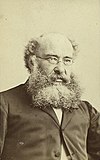
“I am much struck in "Rachel" with the skill with which you have organized thoroughly natural everybody incidents into a strictly related, well-proportioned whole, natty and complete as a nut on its stem. Such construction is among those subtleties of art which can hardly be appreciated except by those who have striven after the same result with conscious failure.”
Quotes About George Eliot
Gain deeper perspective through quotes about George Eliot from others.
Margaret Atwood on George Eliot
“Writing is also a profession, and, at its best, an honourable one. It has been made honourable by those who have already been members of it. Whether you like it or not, every time you set pen to paper you’re staring at the same blank space that confronted Milton, Melville, Emily Bronte, Dostoevsky and George Eliot, George Orwell and William Faulkner and Virginia Woolf and William Carlos Williams, not to mention the latest hero, Gabriel Garcia Marquez.”

Bill Bullard on George Eliot
Natalia Ginzburg on George Eliot
“(Are there other English language writers who mean a lot to you?) NG: Well, of course, Shakespeare. And I love George Eliot as well.”

Vincent van Gogh on George Eliot 2 quotes
“Have you read anything beautiful lately? Do make sure somehow to get hold of and read the books by Eliot, you won't be sorry, Adam Bede, Silas Marner, Felix Holt, Romola (Savonarola’s story), Scenes of clerical life. You know we gave the 3 underlined ones to Pa on his birthday last year. When I get the time for reading, I'll read them again.”

William Ernest Henley on George Eliot
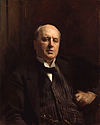
“Epigrams are at best half-truths that look like whole ones. Here is a handful about George Eliot. It has been said of her books—('on several occasions')—that 'it is doubtful whether they are novels disguised as treatises, or treatises disguised as novels'; that, 'while less romantic than Euclid's Elements, they are on the whole a great deal less improving reading'; and that 'they seem to have been dictated to a plain woman of genius by the ghost of David Hume.' Herself, too, has been variously described: as 'An Apotheosis of Pupil-Teachery'; as 'George Sand plus Science and minus Sex'; as 'Pallas with prejudices and a corset'; as 'the fruit of a caprice of Apollo for the Differential Calculus.' The comparison of her admirable talent to 'not the imperial violin but the grand ducal violoncello' seems suggestive and is not unkind.”








Misattributed Quotes
Quotes mistakenly credited to George Eliot
“Oh, the comfort —
the inexpressible comfort of feeling safe with a person —
having neither to weigh thoughts nor measure words,
but pouring them all right out,
just as they are,
chaff and grain together;
certain that a faithful hand will take and sift them,
keep what is worth keeping,
and then with the breath of kindness blow the rest away.”
the inexpressible comfort of feeling safe with a person —
having neither to weigh thoughts nor measure words,
but pouring them all right out,
just as they are,
chaff and grain together;
certain that a faithful hand will take and sift them,
keep what is worth keeping,
and then with the breath of kindness blow the rest away.”
About George Eliot
George Eliot (born Mary Ann Evans; 22 November 1819 – 22 December 1880) was an English novelist and poet. Despite the strong social customs of her times against such arrangements, she lived unmarried with fellow writer George Henry Lewes for over 20 years.