Although her disobedience is tragic, Eve’s innocence is not all bad. Certainly, that innocence leads her to make a poor choice - the very worst - but the fact that she makes a choice at all, the fact that she engages the Devil in a debate which could go either way, the fact that she acts without God breathing down her neck - all speak for her free will or, what amounts to the same thing, her margin for error. It is from this margin for error that freedom springs, because you can’t be free to right unless you can be free to be wrong.
What It Means
This is a placeholder explanation generated by the low-overhead model. It interprets "Although her disobedience is tragic, Eve’s innocence is not all bad. Certainly, that innocence leads her to make a poor choice - the very worst - but the fact that she makes a choice at all, the fact that she engages the Devil in a debate which could go either way, the fact that she acts without God breathing down her neck - all speak for her free will or, what amounts to the same thing, her margin for error. It is from this margin for error that freedom springs, because you can’t be free to right unless you can be free to be wrong." in the context of "Robert Rowland Smith, in Breakfast with Socrates: An Extraordinary (Philosophical) Journey Through ..., p. 19" to mean that wisdom is timeless.
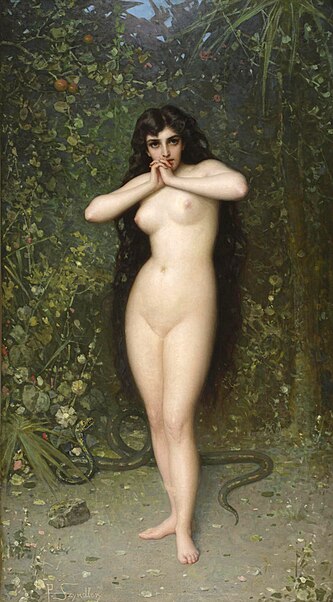
About Eve