Link Copied!
Statius Quotes (0-)
Poet
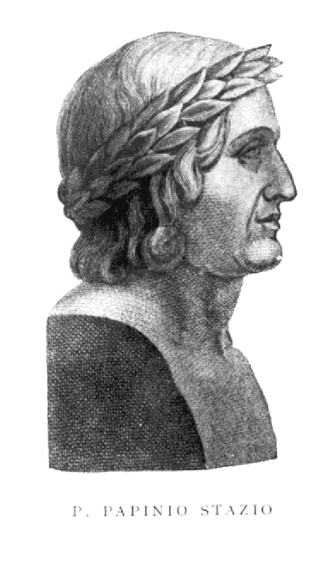
About Statius
Publius Papinius Statius (c. 45 – c. 96) was a Roman poet of the Silver Age of Latin literature.
Best Statius Quotes
Shortest
Earliest
Explore our curated collection of the most famous and impactful Statius quotes.
“Damnatus flammae torus.”
Unsourced — Primary work/page citation not yet verified in the QuotesCosmos archive. Per our Unnamed Sources & Verification Policy, quotes without confirmed primary editions are explicitly marked Unsourced while under editorial review.
“Nimiumque oblite tuorum.”
Unsourced — Primary work/page citation not yet verified in the QuotesCosmos archive. Per our Unnamed Sources & Verification Policy, quotes without confirmed primary editions are explicitly marked Unsourced while under editorial review.
“Nobis meminisse relictum.”
Unsourced — Primary work/page citation not yet verified in the QuotesCosmos archive. Per our Unnamed Sources & Verification Policy, quotes without confirmed primary editions are explicitly marked Unsourced while under editorial review.
“Tu caeli pelagique nepos.”
Unsourced — Primary work/page citation not yet verified in the QuotesCosmos archive. Per our Unnamed Sources & Verification Policy, quotes without confirmed primary editions are explicitly marked Unsourced while under editorial review.
“The cruelty of war makes for peace.”

Unsourced — Primary work/page citation not yet verified in the QuotesCosmos archive. Per our Unnamed Sources & Verification Policy, quotes without confirmed primary editions are explicitly marked Unsourced while under editorial review.
“Titulique in morte latentes.”
Unsourced — Primary work/page citation not yet verified in the QuotesCosmos archive. Per our Unnamed Sources & Verification Policy, quotes without confirmed primary editions are explicitly marked Unsourced while under editorial review.
“Pulchrum vitam donare minori.”
Unsourced — Primary work/page citation not yet verified in the QuotesCosmos archive. Per our Unnamed Sources & Verification Policy, quotes without confirmed primary editions are explicitly marked Unsourced while under editorial review.
“Bacchei vineta madentia Gauri.”
Unsourced — Primary work/page citation not yet verified in the QuotesCosmos archive. Per our Unnamed Sources & Verification Policy, quotes without confirmed primary editions are explicitly marked Unsourced while under editorial review.
“Non parcit populis regnum breve.”
Unsourced — Primary work/page citation not yet verified in the QuotesCosmos archive. Per our Unnamed Sources & Verification Policy, quotes without confirmed primary editions are explicitly marked Unsourced while under editorial review.
“Primus in orbe deos fecit timor.”
Unsourced — Primary work/page citation not yet verified in the QuotesCosmos archive. Per our Unnamed Sources & Verification Policy, quotes without confirmed primary editions are explicitly marked Unsourced while under editorial review.
“Studiis multum Mavortia, Thrace.”
Unsourced — Primary work/page citation not yet verified in the QuotesCosmos archive. Per our Unnamed Sources & Verification Policy, quotes without confirmed primary editions are explicitly marked Unsourced while under editorial review.
“Dignissima caeli
progenies.”
progenies.”
Unsourced — Primary work/page citation not yet verified in the QuotesCosmos archive. Per our Unnamed Sources & Verification Policy, quotes without confirmed primary editions are explicitly marked Unsourced while under editorial review.
“Sociisque comes discordia regnis.”
Unsourced — Primary work/page citation not yet verified in the QuotesCosmos archive. Per our Unnamed Sources & Verification Policy, quotes without confirmed primary editions are explicitly marked Unsourced while under editorial review.
“Sors aequa merentes
respicit.”
respicit.”
Unsourced — Primary work/page citation not yet verified in the QuotesCosmos archive. Per our Unnamed Sources & Verification Policy, quotes without confirmed primary editions are explicitly marked Unsourced while under editorial review.
“Et dulces rapuit de collibus uvas.”
Unsourced — Primary work/page citation not yet verified in the QuotesCosmos archive. Per our Unnamed Sources & Verification Policy, quotes without confirmed primary editions are explicitly marked Unsourced while under editorial review.
“Umida siccat
mollibus ora comis.”
mollibus ora comis.”
Unsourced — Primary work/page citation not yet verified in the QuotesCosmos archive. Per our Unnamed Sources & Verification Policy, quotes without confirmed primary editions are explicitly marked Unsourced while under editorial review.
“Pluraque laxato ceciderunt sidera caelo.”
Unsourced — Primary work/page citation not yet verified in the QuotesCosmos archive. Per our Unnamed Sources & Verification Policy, quotes without confirmed primary editions are explicitly marked Unsourced while under editorial review.
“Juppiter, o quanta belli donabere praeda!”
Unsourced — Primary work/page citation not yet verified in the QuotesCosmos archive. Per our Unnamed Sources & Verification Policy, quotes without confirmed primary editions are explicitly marked Unsourced while under editorial review.
“Aut monstrare lyra veteres heroas alumno.”
Unsourced — Primary work/page citation not yet verified in the QuotesCosmos archive. Per our Unnamed Sources & Verification Policy, quotes without confirmed primary editions are explicitly marked Unsourced while under editorial review.
“Silvaque quae fixam pelago Nesida coronat.”
Unsourced — Primary work/page citation not yet verified in the QuotesCosmos archive. Per our Unnamed Sources & Verification Policy, quotes without confirmed primary editions are explicitly marked Unsourced while under editorial review.
“Jamdudum tacito lustrat Thetis omnia visu.”
Unsourced — Primary work/page citation not yet verified in the QuotesCosmos archive. Per our Unnamed Sources & Verification Policy, quotes without confirmed primary editions are explicitly marked Unsourced while under editorial review.
“Pro fors et caeca futuri
mens hominum!”
mens hominum!”
Unsourced — Primary work/page citation not yet verified in the QuotesCosmos archive. Per our Unnamed Sources & Verification Policy, quotes without confirmed primary editions are explicitly marked Unsourced while under editorial review.
“Qui mente novissimus exit,
lucis amor.”
lucis amor.”
Unsourced — Primary work/page citation not yet verified in the QuotesCosmos archive. Per our Unnamed Sources & Verification Policy, quotes without confirmed primary editions are explicitly marked Unsourced while under editorial review.
“Quas inter vultu petulans Elegea propinquat.”
Unsourced — Primary work/page citation not yet verified in the QuotesCosmos archive. Per our Unnamed Sources & Verification Policy, quotes without confirmed primary editions are explicitly marked Unsourced while under editorial review.
“Qui bona fide deos colit amat et sacerdotes.”
Unsourced — Primary work/page citation not yet verified in the QuotesCosmos archive. Per our Unnamed Sources & Verification Policy, quotes without confirmed primary editions are explicitly marked Unsourced while under editorial review.
“Tela manu, reicitque canes in vulnus hiantes.”
Unsourced — Primary work/page citation not yet verified in the QuotesCosmos archive. Per our Unnamed Sources & Verification Policy, quotes without confirmed primary editions are explicitly marked Unsourced while under editorial review.
“'''Fulmen, io ubi fulmen?' ait. gemit auctor Apollo.''”
Unsourced — Primary work/page citation not yet verified in the QuotesCosmos archive. Per our Unnamed Sources & Verification Policy, quotes without confirmed primary editions are explicitly marked Unsourced while under editorial review.
“Mirantur taciti et dubio pro fulmine pallent.”
Unsourced — Primary work/page citation not yet verified in the QuotesCosmos archive. Per our Unnamed Sources & Verification Policy, quotes without confirmed primary editions are explicitly marked Unsourced while under editorial review.
“O furor, o homines diraeque Prometheos artes!”
Unsourced — Primary work/page citation not yet verified in the QuotesCosmos archive. Per our Unnamed Sources & Verification Policy, quotes without confirmed primary editions are explicitly marked Unsourced while under editorial review.
“Hunc Galatea vigens ausa est incessere bello.”
Unsourced — Primary work/page citation not yet verified in the QuotesCosmos archive. Per our Unnamed Sources & Verification Policy, quotes without confirmed primary editions are explicitly marked Unsourced while under editorial review.
“Ni pudor et junctae teneat reverentia matris.”
Unsourced — Primary work/page citation not yet verified in the QuotesCosmos archive. Per our Unnamed Sources & Verification Policy, quotes without confirmed primary editions are explicitly marked Unsourced while under editorial review.
“Namque ferunt raptam patriis Aeginan ab undis.”
Unsourced — Primary work/page citation not yet verified in the QuotesCosmos archive. Per our Unnamed Sources & Verification Policy, quotes without confirmed primary editions are explicitly marked Unsourced while under editorial review.
“Tydeos illa dies, illum fugiuntque tremuntque.”
Unsourced — Primary work/page citation not yet verified in the QuotesCosmos archive. Per our Unnamed Sources & Verification Policy, quotes without confirmed primary editions are explicitly marked Unsourced while under editorial review.
“Stupet haec et credere Adrastus
cunctatur.”
cunctatur.”
Unsourced — Primary work/page citation not yet verified in the QuotesCosmos archive. Per our Unnamed Sources & Verification Policy, quotes without confirmed primary editions are explicitly marked Unsourced while under editorial review.
“Dulce loqui miseris veteresque reducere questus.”
Unsourced — Primary work/page citation not yet verified in the QuotesCosmos archive. Per our Unnamed Sources & Verification Policy, quotes without confirmed primary editions are explicitly marked Unsourced while under editorial review.
“Non ratus ore sacerdos,
damnataeque preces.”
damnataeque preces.”
Unsourced — Primary work/page citation not yet verified in the QuotesCosmos archive. Per our Unnamed Sources & Verification Policy, quotes without confirmed primary editions are explicitly marked Unsourced while under editorial review.
“Plurima versat,
pessimus in dubiis augur, timor.”
pessimus in dubiis augur, timor.”
Unsourced — Primary work/page citation not yet verified in the QuotesCosmos archive. Per our Unnamed Sources & Verification Policy, quotes without confirmed primary editions are explicitly marked Unsourced while under editorial review.
“O caeca nocentum
consilia! o semper timidum scelus!”
consilia! o semper timidum scelus!”
Unsourced — Primary work/page citation not yet verified in the QuotesCosmos archive. Per our Unnamed Sources & Verification Policy, quotes without confirmed primary editions are explicitly marked Unsourced while under editorial review.
“Laetifici plausus missusque ad sidera vulgi
clamor.”
clamor.”
Unsourced — Primary work/page citation not yet verified in the QuotesCosmos archive. Per our Unnamed Sources & Verification Policy, quotes without confirmed primary editions are explicitly marked Unsourced while under editorial review.
“Fraternas acies alternaque regna profanis
decertata odiis.”
decertata odiis.”
Unsourced — Primary work/page citation not yet verified in the QuotesCosmos archive. Per our Unnamed Sources & Verification Policy, quotes without confirmed primary editions are explicitly marked Unsourced while under editorial review.
“Magni quod Caesaris ora...
unius amissi tetigit jactura leonis.”
unius amissi tetigit jactura leonis.”
Unsourced — Primary work/page citation not yet verified in the QuotesCosmos archive. Per our Unnamed Sources & Verification Policy, quotes without confirmed primary editions are explicitly marked Unsourced while under editorial review.
“At nunc, quae solidum diem terebat,
horarum via facta vix duarum.”
horarum via facta vix duarum.”
Unsourced — Primary work/page citation not yet verified in the QuotesCosmos archive. Per our Unnamed Sources & Verification Policy, quotes without confirmed primary editions are explicitly marked Unsourced while under editorial review.
“Steriles transmisimus annos:
haec aevi mihi prima dies, hic limina vitae.”
haec aevi mihi prima dies, hic limina vitae.”
Unsourced — Primary work/page citation not yet verified in the QuotesCosmos archive. Per our Unnamed Sources & Verification Policy, quotes without confirmed primary editions are explicitly marked Unsourced while under editorial review.
“Tacitumque a principe vulgus
dissidet, et, qui mos populis, venturus amatur.”
dissidet, et, qui mos populis, venturus amatur.”
Unsourced — Primary work/page citation not yet verified in the QuotesCosmos archive. Per our Unnamed Sources & Verification Policy, quotes without confirmed primary editions are explicitly marked Unsourced while under editorial review.
“Sic densa lupum jam nocte sub atra
arcet ab apprenso pastorum turba juvenco.”
arcet ab apprenso pastorum turba juvenco.”
Unsourced — Primary work/page citation not yet verified in the QuotesCosmos archive. Per our Unnamed Sources & Verification Policy, quotes without confirmed primary editions are explicitly marked Unsourced while under editorial review.
“Nonne Hyrcanis bellare putatis
tigribus, aut saeuos Libyae contra ire leones?”
tigribus, aut saeuos Libyae contra ire leones?”
Unsourced — Primary work/page citation not yet verified in the QuotesCosmos archive. Per our Unnamed Sources & Verification Policy, quotes without confirmed primary editions are explicitly marked Unsourced while under editorial review.
“Ille coronatos iamdudum amplectitur ignes,
fatidicum sorbens vultu flagrante vaporem.”
fatidicum sorbens vultu flagrante vaporem.”
Unsourced — Primary work/page citation not yet verified in the QuotesCosmos archive. Per our Unnamed Sources & Verification Policy, quotes without confirmed primary editions are explicitly marked Unsourced while under editorial review.
“Nempe benigna
quam mihi sorte Venus iunctam florentibus annis
servat et in senium.”
quam mihi sorte Venus iunctam florentibus annis
servat et in senium.”
Unsourced — Primary work/page citation not yet verified in the QuotesCosmos archive. Per our Unnamed Sources & Verification Policy, quotes without confirmed primary editions are explicitly marked Unsourced while under editorial review.
“Stesichorusque ferox saltusque ingressa viriles
non formidata temeraria Leucade Sappho.”
non formidata temeraria Leucade Sappho.”
Unsourced — Primary work/page citation not yet verified in the QuotesCosmos archive. Per our Unnamed Sources & Verification Policy, quotes without confirmed primary editions are explicitly marked Unsourced while under editorial review.
“Vive, precor; nec tu divinam Aeneida tempta,
sed longe sequere et vestigia semper adora.”
sed longe sequere et vestigia semper adora.”
Unsourced — Primary work/page citation not yet verified in the QuotesCosmos archive. Per our Unnamed Sources & Verification Policy, quotes without confirmed primary editions are explicitly marked Unsourced while under editorial review.
“Quantus equis quantusque viris in puluere crasso
sudor! io quanti crudele rubebitis amnes!”
sudor! io quanti crudele rubebitis amnes!”
Unsourced — Primary work/page citation not yet verified in the QuotesCosmos archive. Per our Unnamed Sources & Verification Policy, quotes without confirmed primary editions are explicitly marked Unsourced while under editorial review.
“Nulla autem effigies, nulli commissa metallo
forma dei: mentes habitare et pectora gaudet.”
forma dei: mentes habitare et pectora gaudet.”
Unsourced — Primary work/page citation not yet verified in the QuotesCosmos archive. Per our Unnamed Sources & Verification Policy, quotes without confirmed primary editions are explicitly marked Unsourced while under editorial review.
“Primaevam visu platanum, cui longa propago
innumeraeque manus et iturus in aethera vertex.”
innumeraeque manus et iturus in aethera vertex.”
Unsourced — Primary work/page citation not yet verified in the QuotesCosmos archive. Per our Unnamed Sources & Verification Policy, quotes without confirmed primary editions are explicitly marked Unsourced while under editorial review.
“Mox, tibi si quis adhuc praetendit nubila livor,
occidet, et meriti post me referentur honores.”
occidet, et meriti post me referentur honores.”
Unsourced — Primary work/page citation not yet verified in the QuotesCosmos archive. Per our Unnamed Sources & Verification Policy, quotes without confirmed primary editions are explicitly marked Unsourced while under editorial review.
“Stare adeo miserum est, pereunt vestigia mille
ante fugam, absentemque ferit grauis ungula campum.”
ante fugam, absentemque ferit grauis ungula campum.”
Unsourced — Primary work/page citation not yet verified in the QuotesCosmos archive. Per our Unnamed Sources & Verification Policy, quotes without confirmed primary editions are explicitly marked Unsourced while under editorial review.
“Aliquis, cui mens humili laesisse veneno
summa nec impositos umquam ceruice volenti
ferre duces.”
summa nec impositos umquam ceruice volenti
ferre duces.”
Unsourced — Primary work/page citation not yet verified in the QuotesCosmos archive. Per our Unnamed Sources & Verification Policy, quotes without confirmed primary editions are explicitly marked Unsourced while under editorial review.
“Exedere animum dolor iraque demens
et, qua non gravior mortalibus addita curis,
spes, ubi longa venit.”
et, qua non gravior mortalibus addita curis,
spes, ubi longa venit.”
Unsourced — Primary work/page citation not yet verified in the QuotesCosmos archive. Per our Unnamed Sources & Verification Policy, quotes without confirmed primary editions are explicitly marked Unsourced while under editorial review.
“Omne homini natale solum.
• Variant translation: The whole world is a man's birthplace.”
• Variant translation: The whole world is a man's birthplace.”

Unsourced — Primary work/page citation not yet verified in the QuotesCosmos archive. Per our Unnamed Sources & Verification Policy, quotes without confirmed primary editions are explicitly marked Unsourced while under editorial review.
“Nec frons triste rigens nimiusque in moribus horror
sed simplex hilarisque fides et mixta pudori
gratia.”
sed simplex hilarisque fides et mixta pudori
gratia.”
Unsourced — Primary work/page citation not yet verified in the QuotesCosmos archive. Per our Unnamed Sources & Verification Policy, quotes without confirmed primary editions are explicitly marked Unsourced while under editorial review.
“Auro mansueverat ungues.
• Line 724. Thomas Gray's translation: "And calm'd the terrors of his claws in gold".”
• Line 724. Thomas Gray's translation: "And calm'd the terrors of his claws in gold".”
Unsourced — Primary work/page citation not yet verified in the QuotesCosmos archive. Per our Unnamed Sources & Verification Policy, quotes without confirmed primary editions are explicitly marked Unsourced while under editorial review.
“Cuncta ignibus atris
damnat atrox suaque ipse parens gestamina ferri,
si damnis rabidum queat exaturare dolorem.”
damnat atrox suaque ipse parens gestamina ferri,
si damnis rabidum queat exaturare dolorem.”
Unsourced — Primary work/page citation not yet verified in the QuotesCosmos archive. Per our Unnamed Sources & Verification Policy, quotes without confirmed primary editions are explicitly marked Unsourced while under editorial review.
“Immensae veluti conexa carinae
cumba minor, cum saevit hiems, pro parte furentis
parva receptat aquas et eodem volvitur austro.”
cumba minor, cum saevit hiems, pro parte furentis
parva receptat aquas et eodem volvitur austro.”
Unsourced — Primary work/page citation not yet verified in the QuotesCosmos archive. Per our Unnamed Sources & Verification Policy, quotes without confirmed primary editions are explicitly marked Unsourced while under editorial review.
“Exsere semirutos subito de pulvere vultus,
Parthenope, crinemque adflato monte sepultum
pone super tumulos et magni funus alumni.”
Parthenope, crinemque adflato monte sepultum
pone super tumulos et magni funus alumni.”
Unsourced — Primary work/page citation not yet verified in the QuotesCosmos archive. Per our Unnamed Sources & Verification Policy, quotes without confirmed primary editions are explicitly marked Unsourced while under editorial review.
“Illum Palladia sonipes Nemeaeus ab arce
devehit arma pavens umbraque inmane volanti
implet agros longoque attollit pulvere campum.”
devehit arma pavens umbraque inmane volanti
implet agros longoque attollit pulvere campum.”
Unsourced — Primary work/page citation not yet verified in the QuotesCosmos archive. Per our Unnamed Sources & Verification Policy, quotes without confirmed primary editions are explicitly marked Unsourced while under editorial review.
“Excidat illa dies aevo nec postera credant
saecula. nos certe taceamus et obruta multa
nocte tegi propriae patiamur crimina gentis.”
saecula. nos certe taceamus et obruta multa
nocte tegi propriae patiamur crimina gentis.”
Unsourced — Primary work/page citation not yet verified in the QuotesCosmos archive. Per our Unnamed Sources & Verification Policy, quotes without confirmed primary editions are explicitly marked Unsourced while under editorial review.
“Unus ibi ante alios, cui laeva voluntas
semper et ad superos (hinc et gravis exitus aevi)
insultare malis rebusque aegrescere laetis.”
semper et ad superos (hinc et gravis exitus aevi)
insultare malis rebusque aegrescere laetis.”
Unsourced — Primary work/page citation not yet verified in the QuotesCosmos archive. Per our Unnamed Sources & Verification Policy, quotes without confirmed primary editions are explicitly marked Unsourced while under editorial review.
“Clamorem, bello supremus apertis
urbibus.
• Line 56. J. H. Mozley's translation: "...that last cry when cities are flung open to the victors".”
urbibus.
• Line 56. J. H. Mozley's translation: "...that last cry when cities are flung open to the victors".”
Unsourced — Primary work/page citation not yet verified in the QuotesCosmos archive. Per our Unnamed Sources & Verification Policy, quotes without confirmed primary editions are explicitly marked Unsourced while under editorial review.
“Jamque et flere pio Vesuvina incendia cantu
mens erat et gemitum patriis impendere damnis,
cum pater exemptum terris ad sidera montem
sustulit et late miseras deiecit in urbes.”
mens erat et gemitum patriis impendere damnis,
cum pater exemptum terris ad sidera montem
sustulit et late miseras deiecit in urbes.”
Unsourced — Primary work/page citation not yet verified in the QuotesCosmos archive. Per our Unnamed Sources & Verification Policy, quotes without confirmed primary editions are explicitly marked Unsourced while under editorial review.
“Sic auferre rogis umbram conatur et ingens
certamen cum Morte gerit, curasque fatigat
artificum inque omni te quaerit amare metallo.
Sed mortalis honos, agilis quem dextra laborat.”
certamen cum Morte gerit, curasque fatigat
artificum inque omni te quaerit amare metallo.
Sed mortalis honos, agilis quem dextra laborat.”
Unsourced — Primary work/page citation not yet verified in the QuotesCosmos archive. Per our Unnamed Sources & Verification Policy, quotes without confirmed primary editions are explicitly marked Unsourced while under editorial review.
“Primae decrescunt murmura noctis,
cum consanguinei mixtus caligine Leti
rore madens Stygio morituram amplectitur urbem
Somnus et implacido fundit grauia otia cornu
secernitque viros.”
cum consanguinei mixtus caligine Leti
rore madens Stygio morituram amplectitur urbem
Somnus et implacido fundit grauia otia cornu
secernitque viros.”
Unsourced — Primary work/page citation not yet verified in the QuotesCosmos archive. Per our Unnamed Sources & Verification Policy, quotes without confirmed primary editions are explicitly marked Unsourced while under editorial review.
“In speculis Mors atra sedet dominoque silentes
adnumerat populos; maior superinminet ordo.
arbiter hos dura versat Gortynius urna
vera minis poscens adigitque expromere vitas
usque retro.”
adnumerat populos; maior superinminet ordo.
arbiter hos dura versat Gortynius urna
vera minis poscens adigitque expromere vitas
usque retro.”
Unsourced — Primary work/page citation not yet verified in the QuotesCosmos archive. Per our Unnamed Sources & Verification Policy, quotes without confirmed primary editions are explicitly marked Unsourced while under editorial review.
“Sed nec puniceo rediturum nubila caelo
promisere jubar, nec rarescentibus umbris
longa repercusso nituere crepuscula Phoebo:
densior a terris et nulli peruia flammae
subtexit nox atra polos.”
promisere jubar, nec rarescentibus umbris
longa repercusso nituere crepuscula Phoebo:
densior a terris et nulli peruia flammae
subtexit nox atra polos.”
Unsourced — Primary work/page citation not yet verified in the QuotesCosmos archive. Per our Unnamed Sources & Verification Policy, quotes without confirmed primary editions are explicitly marked Unsourced while under editorial review.
“Mira fides! credetne virum ventura propago,
cum segetes iterum, cum iam haec deserta virebunt,
infra urbes populosque premi proavitaque tanto
rura abiisse mari? necdum letale minari
cessat apex. ”
cum segetes iterum, cum iam haec deserta virebunt,
infra urbes populosque premi proavitaque tanto
rura abiisse mari? necdum letale minari
cessat apex. ”
Unsourced — Primary work/page citation not yet verified in the QuotesCosmos archive. Per our Unnamed Sources & Verification Policy, quotes without confirmed primary editions are explicitly marked Unsourced while under editorial review.
“Radiant majore sereno
culmina et arcano florentes lumine postes.
postquam jussa quies siluitque exterritus orbis,
incipit ex alto: grave et inmutabile sanctis
pondus adest verbis, et vocem fata sequuntur.”
culmina et arcano florentes lumine postes.
postquam jussa quies siluitque exterritus orbis,
incipit ex alto: grave et inmutabile sanctis
pondus adest verbis, et vocem fata sequuntur.”
Unsourced — Primary work/page citation not yet verified in the QuotesCosmos archive. Per our Unnamed Sources & Verification Policy, quotes without confirmed primary editions are explicitly marked Unsourced while under editorial review.
“Qualis ubi audito venantum murmure tigris
horruit in maculas somnosque excussit inertes,
bella cupit laxatque genas et temperat ungues,
mox ruit in turmas natisque alimenta cruentis
spirantem fert ore virum.”
horruit in maculas somnosque excussit inertes,
bella cupit laxatque genas et temperat ungues,
mox ruit in turmas natisque alimenta cruentis
spirantem fert ore virum.”
Unsourced — Primary work/page citation not yet verified in the QuotesCosmos archive. Per our Unnamed Sources & Verification Policy, quotes without confirmed primary editions are explicitly marked Unsourced while under editorial review.
“Volucrum sic turba recentum,
cum reducem longo prospexit in aere matrem,
ire cupit contra summique e margine nidi
extat hians, iam iamque cadat, ni pectore toto
obstet aperta parens et amantibus increpat alis.”
cum reducem longo prospexit in aere matrem,
ire cupit contra summique e margine nidi
extat hians, iam iamque cadat, ni pectore toto
obstet aperta parens et amantibus increpat alis.”
Unsourced — Primary work/page citation not yet verified in the QuotesCosmos archive. Per our Unnamed Sources & Verification Policy, quotes without confirmed primary editions are explicitly marked Unsourced while under editorial review.
“Quid si peteretur crimine tanto
limes uterque poli, quem Sol emissus Eoo
cardine, quem porta vergens prospectat Hibera,
quasque procul terras obliquo sidere tangit
avius aut Borea gelidas madidive tepentes
igne Noti?”
limes uterque poli, quem Sol emissus Eoo
cardine, quem porta vergens prospectat Hibera,
quasque procul terras obliquo sidere tangit
avius aut Borea gelidas madidive tepentes
igne Noti?”
Unsourced — Primary work/page citation not yet verified in the QuotesCosmos archive. Per our Unnamed Sources & Verification Policy, quotes without confirmed primary editions are explicitly marked Unsourced while under editorial review.
“Ne frena animo permitte calenti,
da spatium tenuemque moram, male cuncta ministrat
impetus.
• Line 703. Variant translation: Give not reins to your inflamed passions: take time and a little delay; impetuosity manages all things badly.”
da spatium tenuemque moram, male cuncta ministrat
impetus.
• Line 703. Variant translation: Give not reins to your inflamed passions: take time and a little delay; impetuosity manages all things badly.”
Unsourced — Primary work/page citation not yet verified in the QuotesCosmos archive. Per our Unnamed Sources & Verification Policy, quotes without confirmed primary editions are explicitly marked Unsourced while under editorial review.
“Ille velut pecoris lupus expugnator opimi,
pectora tabenti sanie grauis hirtaque saetis
ora cruentata deformis hiantia lana,
decedit stabulis huc illuc turbida versans
lumina, si duri comperta clade sequantur
pastores, magnique fugit non inscius ausi.”
pectora tabenti sanie grauis hirtaque saetis
ora cruentata deformis hiantia lana,
decedit stabulis huc illuc turbida versans
lumina, si duri comperta clade sequantur
pastores, magnique fugit non inscius ausi.”
Unsourced — Primary work/page citation not yet verified in the QuotesCosmos archive. Per our Unnamed Sources & Verification Policy, quotes without confirmed primary editions are explicitly marked Unsourced while under editorial review.
“Sic ubi se magnis refluus suppressit in antris
Nilus et Eoae liquentia pabula brumae
ore premit, fumant desertae gurgite valles
et patris undosi sonitus expectat hiulca
Aegyptos, donec Phariis alimenta rogatus
donet agris magnumque inducat messibus annum.”
Nilus et Eoae liquentia pabula brumae
ore premit, fumant desertae gurgite valles
et patris undosi sonitus expectat hiulca
Aegyptos, donec Phariis alimenta rogatus
donet agris magnumque inducat messibus annum.”
Unsourced — Primary work/page citation not yet verified in the QuotesCosmos archive. Per our Unnamed Sources & Verification Policy, quotes without confirmed primary editions are explicitly marked Unsourced while under editorial review.
“Ut lea, quam saeuo fetam pressere cubili
venantes Numidae, natos erecta superstat,
mente sub incerta torvum ac miserabile frendens;
illa quidem turbare globos et frangere morsu
tela queat, sed prolis amor crudelia vincit
pectora, et a media catulos circumspicit ira.”
venantes Numidae, natos erecta superstat,
mente sub incerta torvum ac miserabile frendens;
illa quidem turbare globos et frangere morsu
tela queat, sed prolis amor crudelia vincit
pectora, et a media catulos circumspicit ira.”
Unsourced — Primary work/page citation not yet verified in the QuotesCosmos archive. Per our Unnamed Sources & Verification Policy, quotes without confirmed primary editions are explicitly marked Unsourced while under editorial review.
“Ac velut hiberno deprensus navita ponto,
cui neque Temo piger neque amico sidere monstrat
Luna vias, medio caeli pelagique tumultu
stat rationis inops, jam jamque aut saxa malignis
expectat summersa vadis aut vertice acuto
spumantes scopulos erectae incurrere prorae.”
cui neque Temo piger neque amico sidere monstrat
Luna vias, medio caeli pelagique tumultu
stat rationis inops, jam jamque aut saxa malignis
expectat summersa vadis aut vertice acuto
spumantes scopulos erectae incurrere prorae.”
Unsourced — Primary work/page citation not yet verified in the QuotesCosmos archive. Per our Unnamed Sources & Verification Policy, quotes without confirmed primary editions are explicitly marked Unsourced while under editorial review.
“Crimine quo merui, juvenis placidissime divum,
quove errore miser, donis ut solus egerem,
Somne, tuis? tacet omne pecus volucresque feraeque
et simulant fessos curvata cacumina somnos,
nec trucibus fluviis idem sonus; occidit horror
aequoris, et terris maria adclinata quiescunt.”
quove errore miser, donis ut solus egerem,
Somne, tuis? tacet omne pecus volucresque feraeque
et simulant fessos curvata cacumina somnos,
nec trucibus fluviis idem sonus; occidit horror
aequoris, et terris maria adclinata quiescunt.”
Unsourced — Primary work/page citation not yet verified in the QuotesCosmos archive. Per our Unnamed Sources & Verification Policy, quotes without confirmed primary editions are explicitly marked Unsourced while under editorial review.
“Impia jam merita scrutatus lumina dextra
merserat aeterna damnatum nocte pudorem
Oedipodes longaque animam sub morte trahebat.
illum indulgentem tenebris imaeque recessu
sedis inaspectos caelo radiisque penates
seruantem tamen adsiduis circumuolat alis
saeva dies animi, scelerumque in pectore Dirae.”
merserat aeterna damnatum nocte pudorem
Oedipodes longaque animam sub morte trahebat.
illum indulgentem tenebris imaeque recessu
sedis inaspectos caelo radiisque penates
seruantem tamen adsiduis circumuolat alis
saeva dies animi, scelerumque in pectore Dirae.”
Unsourced — Primary work/page citation not yet verified in the QuotesCosmos archive. Per our Unnamed Sources & Verification Policy, quotes without confirmed primary editions are explicitly marked Unsourced while under editorial review.
“At puer in gremio vernae telluris et alto
gramine nunc faciles sternit procursibus herbas
in vultum nitens, caram modo lactis egeno
nutricem clangore ciens iterumque renidens
et teneris meditans verba inluctantia labris
miratur nemorum strepitus aut obuia carpit
aut patulo trahit ore diem nemorique malorum
inscius et vitae multum securus inerrat.”
Unsourced — Primary work/page citation not yet verified in the QuotesCosmos archive. Per our Unnamed Sources & Verification Policy, quotes without confirmed primary editions are explicitly marked Unsourced while under editorial review.
“Tu cujus placido posuere in pectore sedem
blandus honos hilarisque tamen cum pondere virtus,
cui nec pigra quies nec iniqua potentia nec spes
improba, sed medius per honesta et dulcia limes,
incorrupte fidem nullosque experte tumultus
et secrete, palam quod digeris ordine vitam,
idem auri facilis contemptor et optimus idem
comere divitias opibusque immittere lucem.”
Unsourced — Primary work/page citation not yet verified in the QuotesCosmos archive. Per our Unnamed Sources & Verification Policy, quotes without confirmed primary editions are explicitly marked Unsourced while under editorial review.
“O mihi desertae natorum dulcis imago,
Archemore, o rerum et patriae solamen ademptae
seruitiique decus, qui te, mea gaudia, sontes
extinxere dei, modo quem digressa reliqui
lascivum et prono uexantem gramina cursu?
heu ubi siderei vultus? ubi verba ligatis
imperfecta sonis risusque et murmura soli
intellecta mihi? quotiens tibi Lemnon et Argo
sueta loqui et longa somnum suadere querela!”
Unsourced — Primary work/page citation not yet verified in the QuotesCosmos archive. Per our Unnamed Sources & Verification Policy, quotes without confirmed primary editions are explicitly marked Unsourced while under editorial review.
“Paret Atlantiades dictis genitoris et inde
summa pedum propere plantaribus inligat alis
obnubitque comas et temperat astra galero.
tum dextrae uirgam inseruit, qua pellere dulces
aut suadere iterum somnos, qua nigra subire
Tartara et exangues animare adsueuerat umbras.
desiluit, tenuique exceptus inhorruit aura.
nec mora, sublimes raptim per inane volatus
carpit et ingenti designat nubila gyro.”
Unsourced — Primary work/page citation not yet verified in the QuotesCosmos archive. Per our Unnamed Sources & Verification Policy, quotes without confirmed primary editions are explicitly marked Unsourced while under editorial review.
“Dehinc sociare choros castisque accedere sacris
hortantur ceduntque loco et contingere gaudent.
qualiter Idaliae volucres, ubi mollia frangunt
nubila, iam longum caeloque domoque gregatae,
si iunxit pinnas diversoque hospita tractu
venit avis, cunctae primum mirantur et horrent;
mox propius propiusque volant, atque aere in ipso
paulatim fecere suam plausuque secundo
circumeunt hilares et ad alta cubilia ducunt.”
Unsourced — Primary work/page citation not yet verified in the QuotesCosmos archive. Per our Unnamed Sources & Verification Policy, quotes without confirmed primary editions are explicitly marked Unsourced while under editorial review.
“Unde iste per orbem
primus venturi miseris animantibus aeger
crevit amor? divumne feras hoc munus, an ipsi,
gens avida et parto non umquam stare quieti,
eruimus quae prima dies, ubi terminus aevi,
quid bonus ille deum genitor, quid ferrea Clotho
cogitet? hinc fibrae et volucrum per nubila sermo
astrorumque vices numerataque semita lunae
Thessalicumque nefas. at non prior aureus ille
sanguis avum scopulisque satae vel robore gentes
mentibus his usae; silvas amor unus humumque
edomuisse manu; quid crastina volveret aetas
scire nefas homini. nos, pravum et flebile vulgus,
scrutati penitus superos.”
Unsourced — Primary work/page citation not yet verified in the QuotesCosmos archive. Per our Unnamed Sources & Verification Policy, quotes without confirmed primary editions are explicitly marked Unsourced while under editorial review.
“Exaudi, si digna precor quaeque ipsa furenti
subiceres. orbum visu regnisque carentem
non regere aut dictis maerentem flectere adorti,
quos genui quocumque toro; quin ecce superbi
—pro dolor!—et nostro jamdudum funere reges
insultant tenebris gemitusque odere paternos.
hisne etiam funestus ego? et videt ista deorum
ignavus genitor? tu saltem debita vindex
huc ades et totos in poenam ordire nepotes.
indue quod madidum tabo diadema cruentis
unguibus abripui, votisque instincta paternis
i media in fratres, generis consortia ferro
dissiliant. da, Tartarei regina barathri,
quod cupiam vidisse nefas.”
Unsourced — Primary work/page citation not yet verified in the QuotesCosmos archive. Per our Unnamed Sources & Verification Policy, quotes without confirmed primary editions are explicitly marked Unsourced while under editorial review.
“Stat super occiduae nebulosa cubilia Noctis
Aethiopasque alios, nulli penetrabilis astro,
lucus iners, subterque cavis graue rupibus antrum
it uacuum in montem, qua desidis atria Somni
securumque larem segnis Natura locavit.
limen opaca Quies et pigra Oblivio servant
et numquam vigili torpens Ignauia vultu.
Otia vestibulo pressisque Silentia pennis
muta sedent abiguntque truces a culmine ventos
et ramos errare vetant et murmura demunt
alitibus. non hic pelagi, licet omnia clament
litora, non ullus caeli fragor; ipse profundis
vallibus effugiens speluncae proximus amnis
saxa inter scopulosque tacet: nigrantia circum
armenta omne solo recubat pecus, et nova marcent
germina, terrarumque inclinat spiritus herbas.
mille intus simulacra dei caelaverat ardens
Mulciber: hic haeret lateri redimita Voluptas,
hic comes in requiem vergens Labor, est ubi Baccho,
est ubi Martigenae socium puluinar Amori
obtinet. interius tecti in penetralibus altis
et cum Morte jacet, nullique ea tristis imago
cernitur. hae species. ipse autem umentia subter
antra soporifero stipatos flore tapetas
incubat; exhalant vestes et corpore pigro
strata calent, supraque torum niger efflat anhelo
ore vapor; manus haec fusos a tempore laevo
sustentat crines, haec cornu oblita remisit.”
Unsourced — Primary work/page citation not yet verified in the QuotesCosmos archive. Per our Unnamed Sources & Verification Policy, quotes without confirmed primary editions are explicitly marked Unsourced while under editorial review.
Quotes About Statius
Gain deeper perspective through quotes about Statius from others.
On earth my name is still remembered—Statius on Statius
“Stazio la gente ancor di là mi noma: cantai di Tebe, e poi del grande Achille; ma caddi in via con la seconda soma.”
Unsourced — Primary work/page citation not yet verified in the QuotesCosmos archive. Per our Unnamed Sources & Verification Policy, quotes without confirmed primary editions are explicitly marked Unsourced while under editorial review.
Geoffrey Chaucer on Statius
“And kis the steppes, wher-as thou seest pace Virgile, Ovyde, Omer, Lucan, and Stace.”

Unsourced — Primary work/page citation not yet verified in the QuotesCosmos archive. Per our Unnamed Sources & Verification Policy, quotes without confirmed primary editions are explicitly marked Unsourced while under editorial review.
Samuel Taylor Coleridge on Statius
“I think Statius a truer poet than Lucan, though he is very extravagant sometimes.”

Unsourced — Primary work/page citation not yet verified in the QuotesCosmos archive. Per our Unnamed Sources & Verification Policy, quotes without confirmed primary editions are explicitly marked Unsourced while under editorial review.
Lewis Crusius on Statius
“Strada, in his Prolusions, has placed Statius on the highest top of Parnassus; thereby intimating the strength of his genius, and the lofty spirit of his style; which indeed is generally supported by a bold and lively expression, and full flowing numbers. His manner, therefore, resembles rather the martial strut of a general, and the magnificence of a triumph, than the majestic port and true grandeur of a prince, which better suits the inimitable character of Virgil's style. As a soldier cannot easily lay aside the roughness of his character, neither can Statius descend from the pomp of language and loftiness of numbers, when his subject requires it.”
Unsourced — Primary work/page citation not yet verified in the QuotesCosmos archive. Per our Unnamed Sources & Verification Policy, quotes without confirmed primary editions are explicitly marked Unsourced while under editorial review.
John Hill on Statius
“[Statius] has as luxuriant an imagination as Lucan, but it is easy to see that he oftener checked it. You will find in his Thebaid innumerable beauties, but you will also see too many faults. You will see a fire and spirit equal to all that appeals in the Poets of the greatest name; but you will wish not only that it had been more limited, but that it had been better regulated: he has a great deal of natural dignity, but in carrying it too far he often spoils its lustre. His language is often elegant to a very great degree, and though not universally, yet in a very great part, is appropriated in a very happy manner. If there be one fault predominant above the others in the Thebaid, it is that he is too florid; but you will see that in this the fault was in the impetuosity of his fancy rather than in defect of judgment: his subject ran away with him, and he gave the reins to imagination. In his Sylvae we see him with all this false glare, natural, elegant, and easy. His Achilleid there is no pronouncing any thing upon, for it was never retouched. You will find in many parts of his Thebaid a great deal of the true sublime: in others he carries it into rant and bombast. In the Achilleid there is more of this in proportion than in the Thebaid; but we are not from thence to conclude that he grew worse in this respect as he continued his application: had he lived to finish, he would also have corrected that poem.”
Unsourced — Primary work/page citation not yet verified in the QuotesCosmos archive. Per our Unnamed Sources & Verification Policy, quotes without confirmed primary editions are explicitly marked Unsourced while under editorial review.

Misattributed Quotes
Quotes mistakenly credited to Statius
“Serit arbores, quae alteri saeclo prosint”
Unsourced — Primary work/page citation not yet verified in the QuotesCosmos archive. Per our Unnamed Sources & Verification Policy, quotes without confirmed primary editions are explicitly marked Unsourced while under editorial review.
About Statius
Publius Papinius Statius (c. 45 – c. 96) was a Roman poet of the Silver Age of Latin literature.