Link Copied!
Lord Byron Quotes (1788-1824)
Poet, Mathematician
























-100px.jpg)











-100px.png)










-100px.jpg)



















-100px.jpg)




































-100px.jpg)






















-100px.png)
























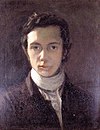
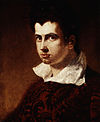
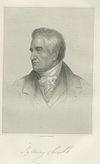
About Lord Byron
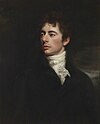
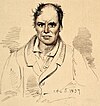
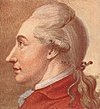
George Gordon (Noel) Byron, 6th Baron Byron (January 22 1788 – April 19 1824), generally known as Lord Byron, was an English poet and leading figure in Romanticism. He was the father of the mathematician Ada Lovelace.
Best Lord Byron Quotes
Shortest
Earliest
Explore our curated collection of the most famous and impactful Lord Byron quotes.
“Friendship is Love without wings.”


“Lord of himself,—that heritage of woe!”


“The fatal facility of the octosyllabic verse.”
“The power of thought,—the magic of the mind!”


“Yet in my lineaments they trace
Some features of my father's face.”
Some features of my father's face.”

“Hands promiscuously applied,
Round the slight waist, or down the glowing side.”
Round the slight waist, or down the glowing side.”

“Soprano, basso, even the contra-alto,
Wished him five fathom under the Rialto.”
Wished him five fathom under the Rialto.”

“Jack was embarrassed — never hero more,
And as he knew not what to say, he swore.”
And as he knew not what to say, he swore.”
“She was his life,
The ocean to the river of his thoughts,
Which terminated all.”
The ocean to the river of his thoughts,
Which terminated all.”
“Friendship may, and often does, grow into love, but love never subsides into friendship.”
“When we two parted
In silence and tears,
Half brokenhearted,
To sever for years.”
In silence and tears,
Half brokenhearted,
To sever for years.”
“Sublime tobacco! which from east to west
Cheers the tar's labor or the Turkman's rest.”
Cheers the tar's labor or the Turkman's rest.”
“He left a corsair's name to other times,
Linked with one virtue, and a thousand crimes.”
Linked with one virtue, and a thousand crimes.”
“I'll publish right or wrong:
Fools are my theme, let satire be my song.”
Fools are my theme, let satire be my song.”

“I die — but first I have possessed,
And come what may, I have been blessed.”
And come what may, I have been blessed.”
“How my soul hates This language,
Which makes life itself a lie,
Flattering dust with eternity.”
Which makes life itself a lie,
Flattering dust with eternity.”

“Whose game was empires and whose stakes were thrones,
Whose table earth, whose dice were human bones.”
Whose table earth, whose dice were human bones.”
“Who killed John Keats?
"I," says the Quarterly,
So savage and Tartarly;
"'Twas one of my feats."”
"I," says the Quarterly,
So savage and Tartarly;
"'Twas one of my feats."”
“But we, who name ourselves its sovereigns, we,
Half dust, half deity, alike unfit
To sink or soar.”
Half dust, half deity, alike unfit
To sink or soar.”
“If I am fool, it is, at least, a doubting one; and I envy no one the certainty of his self-approved wisdom.”

“Farewell!
For in that word, that fatal word,—howe'er
We promise, hope, believe,—there breathes despair.”
For in that word, that fatal word,—howe'er
We promise, hope, believe,—there breathes despair.”
“My boat is on the shore,
And my bark is on the sea;
But, before I go, Tom Moore.
Here's a double health to thee!”
And my bark is on the sea;
But, before I go, Tom Moore.
Here's a double health to thee!”
“There be none of Beauty's daughters
With a magic like thee;
And like music on the waters
Is thy sweet voice to me.”
With a magic like thee;
And like music on the waters
Is thy sweet voice to me.”
“For freedom's battle, once begun,
Bequeath'd by bleeding sire to son,
Though baffled oft, is ever won.”
Bequeath'd by bleeding sire to son,
Though baffled oft, is ever won.”
“And they were canopied by the blue sky,
So cloudless, clear, and purely beautiful
That God alone was to be seen in heaven.”
So cloudless, clear, and purely beautiful
That God alone was to be seen in heaven.”
“A great poet belongs to no country; his works are public property, and his Memoirs the inheritance of the public.”

“Whate'er
I may have been, or am, doth rest between
Heaven and myself; I shall not choose a mortal
To be my mediator.”
I may have been, or am, doth rest between
Heaven and myself; I shall not choose a mortal
To be my mediator.”

“Fare thee well! and if forever,
Still forever, fare thee well:
Even though unforgiving, never
'Gainst thee shall my heart rebel.”
Still forever, fare thee well:
Even though unforgiving, never
'Gainst thee shall my heart rebel.”
“The world is a bundle of hay,
Mankind are the asses that pull,
Each tugs in a different way—
And the greatest of all is John Bull!”
Mankind are the asses that pull,
Each tugs in a different way—
And the greatest of all is John Bull!”

“And lovelier things have mercy shown
To every failing but their own,
And every woe a tear can claim
Except an erring sister's shame.”
To every failing but their own,
And every woe a tear can claim
Except an erring sister's shame.”
“For the sword outwears its sheath,
And the soul wears out the breast,
And the heart must pause to breathe,
And love itself have rest.”
And the soul wears out the breast,
And the heart must pause to breathe,
And love itself have rest.”
“And thou wert lovely to the last,
Extinguish'd, not decay'd;
As stars that shoot along the sky
Shine brightest as they fall from high.”
Extinguish'd, not decay'd;
As stars that shoot along the sky
Shine brightest as they fall from high.”
“The heart ran o'er
With silent worship of the great of old!
The dead but sceptred sovereigns, who still rule
Our spirits from their urns.”
With silent worship of the great of old!
The dead but sceptred sovereigns, who still rule
Our spirits from their urns.”
“The keenest pangs the wretched find
Are rapture to the dreary void,
The leafless desert of the mind,
The waste of feelings unemployed.”
Are rapture to the dreary void,
The leafless desert of the mind,
The waste of feelings unemployed.”
“So, we'll go no more a roving
So late into the night,
Though the heart be still as loving,
And the moon be still as bright.”
So late into the night,
Though the heart be still as loving,
And the moon be still as bright.”
“It is the hour when from the boughs
The nightingale's high note is heard;
It is the hour when lovers' vows
Seem sweet in every whisper'd word.”
The nightingale's high note is heard;
It is the hour when lovers' vows
Seem sweet in every whisper'd word.”

“Though the day of my Destiny's over,
And the star of my Fate hath declined,
Thy soft heart refused to discover
The faults which so many could find.”
And the star of my Fate hath declined,
Thy soft heart refused to discover
The faults which so many could find.”
“Because
He is all-powerful, must all-good, too, follow?
I judge but by the fruits—and they are bitter—
Which I must feed on for a fault not mine.”
He is all-powerful, must all-good, too, follow?
I judge but by the fruits—and they are bitter—
Which I must feed on for a fault not mine.”
“In the desert a fountain is springing,
In the wide waste there still is a tree,
And a bird in the solitude singing,
Which speaks to my spirit of thee.”
In the wide waste there still is a tree,
And a bird in the solitude singing,
Which speaks to my spirit of thee.”
“Mont Blanc is the Monarch of mountains;
They crowned him long ago,
On a throne of rocks — in a robe of clouds –
With a Diadem of Snow.”
They crowned him long ago,
On a throne of rocks — in a robe of clouds –
With a Diadem of Snow.”
“Patience! Hence—that word was made
For brutes of burthen, not for birds of prey;
Preach it to mortals of a dust like thine,—
I am not of thine order.”
For brutes of burthen, not for birds of prey;
Preach it to mortals of a dust like thine,—
I am not of thine order.”
“And if we do but watch the hour,
There never yet was human power
Which could evade, if unforgiven,
The patient search and vigil long
Of him who treasures up a wrong.”
There never yet was human power
Which could evade, if unforgiven,
The patient search and vigil long
Of him who treasures up a wrong.”


“"Bring forth the horse!" — the horse was brought;
In truth, he was a noble steed,
A Tartar of the Ukraine breed,
Who look'd as though the speed of thought
Were in his limbs.”
In truth, he was a noble steed,
A Tartar of the Ukraine breed,
Who look'd as though the speed of thought
Were in his limbs.”
“The light of love, the purity of grace,
The mind, the music breathing from her face, 19
The heart whose softness harmonized the whole,—
And oh, that eye was in itself a soul!”
The mind, the music breathing from her face, 19
The heart whose softness harmonized the whole,—
And oh, that eye was in itself a soul!”
“Yet truth will sometimes lend her noblest fires,
And decorate the verse herself inspires:
This fact, in virtue's name, let Crabbe attest,—
Though Nature's sternest painter, yet the best.”
And decorate the verse herself inspires:
This fact, in virtue's name, let Crabbe attest,—
Though Nature's sternest painter, yet the best.”
“Oh, talk not to me of a name great in story;
The days of our youth are the days of our glory;
And the myrtle and ivy of sweet two-and-twenty
Are worth all your laurels, though ever so plenty.”
The days of our youth are the days of our glory;
And the myrtle and ivy of sweet two-and-twenty
Are worth all your laurels, though ever so plenty.”
“Know ye the land where the cypress and myrtle
Are emblems of deeds that are done in their clime?
Where the rage of the vulture, the love of the turtle,
Now melt into sorrow, now madden to crime!”
Are emblems of deeds that are done in their clime?
Where the rage of the vulture, the love of the turtle,
Now melt into sorrow, now madden to crime!”
“In secret we met
In silence I grieve,
That thy heart could forget,
Thy spirit deceive.
If I should meet thee
After long years,
How should I greet thee?
With silence and tears.”
In silence I grieve,
That thy heart could forget,
Thy spirit deceive.
If I should meet thee
After long years,
How should I greet thee?
With silence and tears.”
“Where is he, the champion and the child
Of all that's great or little, wise or wild;
Whose game was empires, and whose stakes were thrones;
Whose table earth — whose dice were human bones?”
Of all that's great or little, wise or wild;
Whose game was empires, and whose stakes were thrones;
Whose table earth — whose dice were human bones?”
“As soon
Seek roses in December, ice in June;
Hope constancy in wind, or corn in chaff;
Believe a woman or an epitaph,
Or any other thing that's false, before
You trust in critics, who themselves are sore.”
Seek roses in December, ice in June;
Hope constancy in wind, or corn in chaff;
Believe a woman or an epitaph,
Or any other thing that's false, before
You trust in critics, who themselves are sore.”
“When age chills the blood, when our pleasures are past—
For years fleet away with the wings of the dove—
The dearest remembrance will still be the last,
Our sweetest memorial the first kiss of love.”
For years fleet away with the wings of the dove—
The dearest remembrance will still be the last,
Our sweetest memorial the first kiss of love.”
“She walks in beauty, like the night
Of cloudless climes and starry skies;
And all that's best of dark and bright
Meet in her aspect and her eyes:
Thus mellow'd to that tender light
Which heaven to gaudy day denies.”
Of cloudless climes and starry skies;
And all that's best of dark and bright
Meet in her aspect and her eyes:
Thus mellow'd to that tender light
Which heaven to gaudy day denies.”
“He who hath bent him o'er the dead
Ere the first day of death is fled,—
The first dark day of nothingness,
The last of danger and distress,
Before decay's effacing fingers
Have swept the lines where beauty lingers.”
Ere the first day of death is fled,—
The first dark day of nothingness,
The last of danger and distress,
Before decay's effacing fingers
Have swept the lines where beauty lingers.”
“My great comfort is, that the temporary celebrity I have wrung from the world has been in the very teeth of all opinions and prejudices. I have flattered no ruling powers; I have never concealed a single thought that tempted me.”

“I am the very slave of circumstance
And impulse — borne away with every breath!
Misplaced upon the throne — misplaced in life.
I know not what I could have been, but feel
I am not what I should be — let it end.”
And impulse — borne away with every breath!
Misplaced upon the throne — misplaced in life.
I know not what I could have been, but feel
I am not what I should be — let it end.”
“My mother Earth!
And thou fresh breaking Day, and you, ye Mountains,
Why are ye beautiful? I cannot love ye.
And thou, the bright eye of the universe,
That openest over all, and unto all
Art a delight—thou shin'st not on my heart.”
And thou fresh breaking Day, and you, ye Mountains,
Why are ye beautiful? I cannot love ye.
And thou, the bright eye of the universe,
That openest over all, and unto all
Art a delight—thou shin'st not on my heart.”
“Divine in hookas, glorious in a pipe
When tipp'd with amber, mellow, rich, and ripe;
Like other charmers, wooing the caress
More dazzlingly when daring in full dress;
Yet thy true lovers more admire by far
Thy naked beauties—give me a cigar!”
When tipp'd with amber, mellow, rich, and ripe;
Like other charmers, wooing the caress
More dazzlingly when daring in full dress;
Yet thy true lovers more admire by far
Thy naked beauties—give me a cigar!”
“Who hath not proved how feebly words essay
To fix one spark of beauty's heavenly ray?
Who doth not feel, until his failing sight
Faints into dimness with its own delight,
His changing cheek, his sinking heart, confess
The might, the majesty of loveliness?”
To fix one spark of beauty's heavenly ray?
Who doth not feel, until his failing sight
Faints into dimness with its own delight,
His changing cheek, his sinking heart, confess
The might, the majesty of loveliness?”
“I live,
But live to die: and, living, see no thing
To make death hateful, save an innate clinging,
A loathsome and yet all invincible
Instinct of life, which I abhor, as I
Despise myself, yet cannot overcome—
And so I live. Would I had never lived!”
But live to die: and, living, see no thing
To make death hateful, save an innate clinging,
A loathsome and yet all invincible
Instinct of life, which I abhor, as I
Despise myself, yet cannot overcome—
And so I live. Would I had never lived!”
“From my youth upwards
My spirit walk'd not with the souls of men,
Nor look'd upon the earth with human eyes;
The thirst of their ambition was not mine,
The aim of their existence was not mine;
My joys, my griefs, my passions, and my powers
Made me a stranger.”
My spirit walk'd not with the souls of men,
Nor look'd upon the earth with human eyes;
The thirst of their ambition was not mine,
The aim of their existence was not mine;
My joys, my griefs, my passions, and my powers
Made me a stranger.”

“'Twas thine own genius gave the final blow,
And help'd to plant the wound that laid thee low:
So the struck eagle, stretch'd upon the plain,
No more through rolling clouds to soar again,
View'd his own feather on the fatal dart,
And wing'd the shaft that quiver'd in his heart.”
And help'd to plant the wound that laid thee low:
So the struck eagle, stretch'd upon the plain,
No more through rolling clouds to soar again,
View'd his own feather on the fatal dart,
And wing'd the shaft that quiver'd in his heart.”
“She was a form of life and light
That seen, became a part of sight,
And rose, where'er I turn'd mine eye,
The morning-star of memory!
Yes, love indeed is light from heaven;
A spark of that immortal fire
With angels shared, by Alla given,
To lift from earth our low desire.”
That seen, became a part of sight,
And rose, where'er I turn'd mine eye,
The morning-star of memory!
Yes, love indeed is light from heaven;
A spark of that immortal fire
With angels shared, by Alla given,
To lift from earth our low desire.”
“O'er the glad waters of the dark blue sea,
Our thoughts as boundless, and our souls as free,
Far as the breeze can bear, the billows foam, 22
Survey our empire, and behold our home!
These are our realms, no limit to their sway,—
Our flag the sceptre all who meet obey.”
Our thoughts as boundless, and our souls as free,
Far as the breeze can bear, the billows foam, 22
Survey our empire, and behold our home!
These are our realms, no limit to their sway,—
Our flag the sceptre all who meet obey.”
“The stars are forth, the moon above the tops
Of the snow-shining mountains. Beautiful!
I linger yet with Nature, for the Night
Hath been to me a more familiar face
Than that of man; and in her starry shade
Of dim and solitary loveliness,
I learn'd the language of another world.”
Of the snow-shining mountains. Beautiful!
I linger yet with Nature, for the Night
Hath been to me a more familiar face
Than that of man; and in her starry shade
Of dim and solitary loveliness,
I learn'd the language of another world.”
“Oh! if thou hast at length
Discover'd that my love is worth esteem,
I ask no more—but let us hence together,
And I — let me say we — shall yet be happy.
Assyria is not all the earth—we'll find
A world out of our own — and be more bless'd
Than I have ever been, or thou, with all
An empire to indulge thee.”
Discover'd that my love is worth esteem,
I ask no more—but let us hence together,
And I — let me say we — shall yet be happy.
Assyria is not all the earth—we'll find
A world out of our own — and be more bless'd
Than I have ever been, or thou, with all
An empire to indulge thee.”
“Who knows whether, when a comet shall approach this globe to destroy it, as it often has been and will be destroyed, men will not tear rocks from their foundations by means of steam, and hurl mountains, as the giants are said to have done, against the flaming mass?—and then we shall have traditions of Titans again, and of wars with Heaven.”
“Near this spot
Are deposited the Remains of one
Who possessed Beauty without Vanity,
Strength without Insolence,
Courage without Ferocity,
And all the virtues of Man, without his Vices.
This Praise, which would be unmeaning Flattery
If inscribed over human ashes,
Is but a just tribute to the Memory of
BOATSWAIN, a DOG”
Are deposited the Remains of one
Who possessed Beauty without Vanity,
Strength without Insolence,
Courage without Ferocity,
And all the virtues of Man, without his Vices.
This Praise, which would be unmeaning Flattery
If inscribed over human ashes,
Is but a just tribute to the Memory of
BOATSWAIN, a DOG”
“Both were so young, and one so innocent,
That bathing pass'd for nothing; Juan seem'd
To her, as 'twere, the kind of being sent,
Of whom these two years she had nightly dream'd,
A something to be loved, a creature meant
To be her happiness, and whom she deem'd
To render happy; all who joy would win
Must share it,––Happiness was born a twin.”
That bathing pass'd for nothing; Juan seem'd
To her, as 'twere, the kind of being sent,
Of whom these two years she had nightly dream'd,
A something to be loved, a creature meant
To be her happiness, and whom she deem'd
To render happy; all who joy would win
Must share it,––Happiness was born a twin.”
“By thy cold breast and serpent smile,
By thy unfathom'd gulfs of guile,
By that most seeming virtuous eye,
By thy shut soul's hypocrisy;
By the perfection of thine art
Which pass'd for human thine own heart;
By thy delight in others' pain,
And by thy brotherhood of Cain,
I call upon thee! and compel
Thyself to be thy proper Hell!”
By thy unfathom'd gulfs of guile,
By that most seeming virtuous eye,
By thy shut soul's hypocrisy;
By the perfection of thine art
Which pass'd for human thine own heart;
By thy delight in others' pain,
And by thy brotherhood of Cain,
I call upon thee! and compel
Thyself to be thy proper Hell!”
“Think'st thou existence doth depend on time?
It doth; but actions are our epochs: mine
Have made my days and nights imperishable
Endless, and all alike, as sands on the shore
Innumerable atoms; and one desert
Barren and cold, on which the wild waves break,
But nothing rests, save carcases and wrecks,
Rocks, and the salt-surf weeds of bitterness.”
It doth; but actions are our epochs: mine
Have made my days and nights imperishable
Endless, and all alike, as sands on the shore
Innumerable atoms; and one desert
Barren and cold, on which the wild waves break,
But nothing rests, save carcases and wrecks,
Rocks, and the salt-surf weeds of bitterness.”
“What is the end of fame? 'tis but to fill
A certain portion of uncertain paper:
Some liken it to climbing up a hill,
Whose summit, like all hills, is lost in vapour;
For this men write, speak, preach, and heroes kill,
And bards burn what they call their "midnight taper,"
To have, when the original is dust,
A name, a wretched picture, and worse bust.”
A certain portion of uncertain paper:
Some liken it to climbing up a hill,
Whose summit, like all hills, is lost in vapour;
For this men write, speak, preach, and heroes kill,
And bards burn what they call their "midnight taper,"
To have, when the original is dust,
A name, a wretched picture, and worse bust.”
“While Franklin's quiet memory climbs to heaven,
Calming the lightning which he thence hath riven,
Or drawing from the no less kindled earth
Freedom and peace to that which boasts his birth;
While Washington's a watchword, such as ne'er
Shall sink while there's an echo left to air.”
Calming the lightning which he thence hath riven,
Or drawing from the no less kindled earth
Freedom and peace to that which boasts his birth;
While Washington's a watchword, such as ne'er
Shall sink while there's an echo left to air.”
“But now at thirty years my hair is gray––
(I wonder what it will be like at forty?
I thought of a peruke the other day)
My heart is not much greener; and, in short, I
Have squander'd my whole summer while 'twas May,
And feel no more the spirit to retort; I
Have spent my life, both interest and principal,
And deem not, what I deem'd my soul invincible.”
(I wonder what it will be like at forty?
I thought of a peruke the other day)
My heart is not much greener; and, in short, I
Have squander'd my whole summer while 'twas May,
And feel no more the spirit to retort; I
Have spent my life, both interest and principal,
And deem not, what I deem'd my soul invincible.”
“I love the language, that soft bastard Latin,
Which melts like kisses from a female mouth,
And sounds as if it should be writ on satin,
With syllables which breathe of the sweet South,
And gentle liquids gliding all so pat in,
That not a single accent seems uncouth,
Like our harsh northern whistling, grunting guttural,
Which we're obliged to hiss, and spit, and sputter all.”
Which melts like kisses from a female mouth,
And sounds as if it should be writ on satin,
With syllables which breathe of the sweet South,
And gentle liquids gliding all so pat in,
That not a single accent seems uncouth,
Like our harsh northern whistling, grunting guttural,
Which we're obliged to hiss, and spit, and sputter all.”
“Where may the wearied eye repose
When gazing on the Great;
Where neither guilty glory glows,
Nor despicable state?
Yes — one — the first — the last — the best — The Cincinnatus of the West,
Whom envy dared not hate,
Bequeath'd the name of Washington,
To make man blush there was but one!”
When gazing on the Great;
Where neither guilty glory glows,
Nor despicable state?
Yes — one — the first — the last — the best — The Cincinnatus of the West,
Whom envy dared not hate,
Bequeath'd the name of Washington,
To make man blush there was but one!”
“It would be difficult, perhaps, to find the annals of a nation less stained with crimes than those of the Armenians, whose virtues have been those of peace, and their vices those of compulsion. But whatever may have been their destiny — and it has been bitter — whatever it may be in future, their country must ever be one of the most interesting on the globe.”

“My best! my last friends!
Let's not unman each other: part at once:
All farewells should be sudden, when for ever,
Else they make an eternity of moments,
And clog the last sad sands of life with tears.
Hence, and be happy: trust me, I am not
Now to be pitied; or far more for what
Is past than present; — for the future, 'tis
In the hands of the deities, if such
There be: I shall know soon. Farewell — Farewell.”
Let's not unman each other: part at once:
All farewells should be sudden, when for ever,
Else they make an eternity of moments,
And clog the last sad sands of life with tears.
Hence, and be happy: trust me, I am not
Now to be pitied; or far more for what
Is past than present; — for the future, 'tis
In the hands of the deities, if such
There be: I shall know soon. Farewell — Farewell.”
“When a man hath no freedom to fight for at home,
Let him combat for that of his neighbours;
Let him think of the glories of Greece and of Rome
And get knock'd on the head for his labours.
To do good to mankind is the chivalrous plan,
And is always as nobly requited;
Then battle for freedom wherever you can.
And, if not shot or hang'd, you'll get knighted.”
Let him combat for that of his neighbours;
Let him think of the glories of Greece and of Rome
And get knock'd on the head for his labours.
To do good to mankind is the chivalrous plan,
And is always as nobly requited;
Then battle for freedom wherever you can.
And, if not shot or hang'd, you'll get knighted.”

“But take this with thee: if I was not form'd
To prize a love like thine, a mind like thine,
Nor dote even on thy beauty — as I've doted
On lesser charms, for no cause save that such
Devotion was a duty, and I hated
All that look'd like a chain for me or others
(This even rebellion must avouch); yet hear
These words, perhaps among my last — that none
E'er valued more thy virtues, though he knew not
To profit by them…”
To prize a love like thine, a mind like thine,
Nor dote even on thy beauty — as I've doted
On lesser charms, for no cause save that such
Devotion was a duty, and I hated
All that look'd like a chain for me or others
(This even rebellion must avouch); yet hear
These words, perhaps among my last — that none
E'er valued more thy virtues, though he knew not
To profit by them…”

“Titan! to whom immortal eyes
The sufferings of mortality
Seen in their sad reality,
Were not as things that gods despise;
What was thy pity's recompense?
A silent suffering, and intense;
The rock, the vulture, and the chain,
All that the proud can feel of pain,
The agony they do not show,
The suffocating sense of woe,
Which speaks but in its loneliness,
And then is jealous lest the sky
Should have a listener, nor will sigh
Until its voice is echoless.”
The sufferings of mortality
Seen in their sad reality,
Were not as things that gods despise;
What was thy pity's recompense?
A silent suffering, and intense;
The rock, the vulture, and the chain,
All that the proud can feel of pain,
The agony they do not show,
The suffocating sense of woe,
Which speaks but in its loneliness,
And then is jealous lest the sky
Should have a listener, nor will sigh
Until its voice is echoless.”
“Sighing that Nature formed but one such man,
And broke the die, in molding Sheridan.
• Line 117; this can be compared to: "Natura il fece, e poi ruppe la stampa" (translated: "Nature made him, and then broke the mould"), Ariosto, Orlando Furioso, canto x, stanza 84; "The idea that Nature lost the perfect mould has been a favorite one with all song-writers and poets, and is found in the literature of all European nations", Book of English Songs, p. 28.”
And broke the die, in molding Sheridan.
• Line 117; this can be compared to: "Natura il fece, e poi ruppe la stampa" (translated: "Nature made him, and then broke the mould"), Ariosto, Orlando Furioso, canto x, stanza 84; "The idea that Nature lost the perfect mould has been a favorite one with all song-writers and poets, and is found in the literature of all European nations", Book of English Songs, p. 28.”
“There is no power in holy men,
Nor charm in prayer, nor purifying form
Of penitence, nor outward look, nor fast,
Nor agony—nor, greater than all these,
The innate tortures of that deep despair,
Which is remorse without the fear of hell,
But all in all sufficient to itself
Would make a hell of heaven,—can exorcise
From out the unbounded spirit the quick sense
Of its own sins, wrongs, sufferance, and revenge
Upon itself; there is no future pang
Can deal that justice on the self—condemn'd
He deals on his own soul.”
Nor charm in prayer, nor purifying form
Of penitence, nor outward look, nor fast,
Nor agony—nor, greater than all these,
The innate tortures of that deep despair,
Which is remorse without the fear of hell,
But all in all sufficient to itself
Would make a hell of heaven,—can exorcise
From out the unbounded spirit the quick sense
Of its own sins, wrongs, sufferance, and revenge
Upon itself; there is no future pang
Can deal that justice on the self—condemn'd
He deals on his own soul.”
“She thought of her own strength, and Juan's youth,
And of the folly of all prudish fears,
Victorious virtue, and domestic truth,
And then of Don Alfonso's fifty years:
[...]
When people say, "I've told you fifty times,"
They mean to scold, and very often do:
When poets say, "I've written fifty rhymes,"
They make you dread that they'll recite them too;
In gangs of fifty thieves commit their crimes:
At fifty love for love is rare, 'tis true,
But then, no doubt, it equally as true is,
A good deal may be bought for fifty louis.”
And of the folly of all prudish fears,
Victorious virtue, and domestic truth,
And then of Don Alfonso's fifty years:
[...]
When people say, "I've told you fifty times,"
They mean to scold, and very often do:
When poets say, "I've written fifty rhymes,"
They make you dread that they'll recite them too;
In gangs of fifty thieves commit their crimes:
At fifty love for love is rare, 'tis true,
But then, no doubt, it equally as true is,
A good deal may be bought for fifty louis.”

“Oh! snatched away in beauty's bloom,
On thee shall press no ponderous tomb;
But on thy turf shall roses rear
Their leaves, the earliest of the year;
And the wild cypress wave in tender gloom.
And oft by yon blue gushing stream
Shall Sorrow lean her drooping head,
And feed deep thought with many a dream,
And lingering pause and lightly tread;
Fond wretch! as if her step disturb'd the dead!
Away; we know that tears are vain,
That death nor heeds nor hears distress;
Will this unteach us to complain?
Or make one mourner weep the less?
And thou—who tell'st me to forget,
Thy looks are wan, thine eyes are wet.”
On thee shall press no ponderous tomb;
But on thy turf shall roses rear
Their leaves, the earliest of the year;
And the wild cypress wave in tender gloom.
And oft by yon blue gushing stream
Shall Sorrow lean her drooping head,
And feed deep thought with many a dream,
And lingering pause and lightly tread;
Fond wretch! as if her step disturb'd the dead!
Away; we know that tears are vain,
That death nor heeds nor hears distress;
Will this unteach us to complain?
Or make one mourner weep the less?
And thou—who tell'st me to forget,
Thy looks are wan, thine eyes are wet.”
“To be thus—
Grey-hair'd with anguish, like these blasted pines,
Wrecks of a single winter, barkless, branchless,
A blighted trunk upon a cursed root,
Which but supplies a feeling to decay—
And to be thus, eternally but thus,
Having been otherwise! Now furrow'd o'er
With wrinkles, plough'd by moments, not by years
And hours—all tortured into ages—hours
Which I outlive!—Ye toppling crags of ice!
Ye avalanches, whom a breath draws down
In mountainous o'erwhelming, come and crush me!
I hear ye momently above, beneath,
Crash with a frequent conflict; but ye pass,
And only fall on things that still would live.”
Grey-hair'd with anguish, like these blasted pines,
Wrecks of a single winter, barkless, branchless,
A blighted trunk upon a cursed root,
Which but supplies a feeling to decay—
And to be thus, eternally but thus,
Having been otherwise! Now furrow'd o'er
With wrinkles, plough'd by moments, not by years
And hours—all tortured into ages—hours
Which I outlive!—Ye toppling crags of ice!
Ye avalanches, whom a breath draws down
In mountainous o'erwhelming, come and crush me!
I hear ye momently above, beneath,
Crash with a frequent conflict; but ye pass,
And only fall on things that still would live.”
“Titan! to thee the strife was given
Between the suffering and the will,
Which torture where they cannot kill;
And the inexorable Heaven,
And the deaf tyranny of Fate,
The ruling principle of Hate,
Which for its pleasure doth create
The things it may annihilate,
Refused thee even the boon to die:
The wretched gift eternity
Was thine — and thou hast borne it well.
All that the Thunderer wrung from thee
Was but the menace which flung back
On him the torments of thy rack;
The fate thou didst so well foresee,
But would not to appease him tell;
And in thy Silence was his Sentence,
And in his Soul a vain repentance,
And evil dread so ill dissembled,
That in his hand the lightnings trembled.”
Between the suffering and the will,
Which torture where they cannot kill;
And the inexorable Heaven,
And the deaf tyranny of Fate,
The ruling principle of Hate,
Which for its pleasure doth create
The things it may annihilate,
Refused thee even the boon to die:
The wretched gift eternity
Was thine — and thou hast borne it well.
All that the Thunderer wrung from thee
Was but the menace which flung back
On him the torments of thy rack;
The fate thou didst so well foresee,
But would not to appease him tell;
And in thy Silence was his Sentence,
And in his Soul a vain repentance,
And evil dread so ill dissembled,
That in his hand the lightnings trembled.”
“Thy Godlike crime was to be kind,
To render with thy precepts less
The sum of human wretchedness,
And strengthen Man with his own mind;
But baffled as thou wert from high,
Still in thy patient energy,
In the endurance, and repulse
Of thine impenetrable Spirit,
Which Earth and Heaven could not convulse,
A mighty lesson we inherit:
Thou art a symbol and a sign
To Mortals of their fate and force;
Like thee, Man is in part divine,
A troubled stream from a pure source;
And Man in portions can foresee
His own funereal destiny;
His wretchedness, and his resistance,
And his sad unallied existence:
To which his Spirit may oppose
Itself — and equal to all woes,
And a firm will, and a deep sense,
Which even in torture can decry
Its own concenter'd recompense,
Triumphant where it dares defy,
And making Death a Victory.”
To render with thy precepts less
The sum of human wretchedness,
And strengthen Man with his own mind;
But baffled as thou wert from high,
Still in thy patient energy,
In the endurance, and repulse
Of thine impenetrable Spirit,
Which Earth and Heaven could not convulse,
A mighty lesson we inherit:
Thou art a symbol and a sign
To Mortals of their fate and force;
Like thee, Man is in part divine,
A troubled stream from a pure source;
And Man in portions can foresee
His own funereal destiny;
His wretchedness, and his resistance,
And his sad unallied existence:
To which his Spirit may oppose
Itself — and equal to all woes,
And a firm will, and a deep sense,
Which even in torture can decry
Its own concenter'd recompense,
Triumphant where it dares defy,
And making Death a Victory.”

Lord Byron Quotes by Topic
Find exactly what you are looking for by browsing this categorized list of Lord Byron quotes by topic.
Lord Byron on Love 11 quotes
“Who loves, raves—'tis youth's frenzy—but the cure Is bitterer still.”
Lord Byron on Poetry about love 10 quotes
“Who loves, raves—'tis youth's frenzy—but the cure Is bitterer still.”
Lord Byron on Ageing 8 quotes
View all 8 quotes on Ageing →Lord Byron on Death 7 quotes
“Heaven gives its favourites — early death.”

Lord Byron on Time 7 quotes
“Spared and blessed by Time, Looking tranquility.”

What Lord Byron Said About Others
Discover personal opinions Lord Byron shared regarding contemporaries.
Lord Byron on William Shakespeare 3 quotes
“Know the same favour which the former knew, A shrine for Shakspeare—worthy him and you? Yes—it shall be—the magic of that name Defies the scythe of time, the torch of flame.”

Lord Byron on Alexander Pope 2 quotes
View all 2 quotes on Alexander Pope →Lord Byron on Maiden 2 quotes
View all 2 quotes on Maiden →Lord Byron on George Washington 2 quotes
“While Washington's a watchword, such as ne'er Shall sink while there's an echo left to air.”

Quotes About Lord Byron
Gain deeper perspective through quotes about Lord Byron from others.
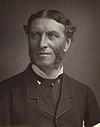
Matthew Arnold on Lord Byron
Jane Welsh Carlyle on Lord Byron

John Constable on Lord Byron

Johann Wolfgang von Goethe on Lord Byron 2 quotes
“Lord Byron is great only as a poet; as soon as he reflects, he is a child.”

Emma Goldman on Lord Byron
“Emotional sorrow has inspired many sublime lyrics, much profound insight and poetic exultation of a Byron, Shelley, Heine, and their kind.”



About Lord Byron
George Gordon (Noel) Byron, 6th Baron Byron (January 22 1788 – April 19 1824), generally known as Lord Byron, was an English poet and leading figure in Romanticism. He was the father of the mathematician Ada Lovelace.