Lord Byron, "Stanzas To A Lady, With The Poems Of Camoens", in The Works of Lord Byron, Including His Suppressed Poems (1827), p. 3
“
He was in sooth a genuine bard; His was no faint, fictitious flame. Like his, may love be thy reward, But not thy hapless fate the same.
— Lord Byron on Luís de Camões
What It Means
This is a placeholder explanation generated by the low-overhead model. It interprets "He was in sooth a genuine bard; His was no faint, fictitious flame. Like his, may love be thy reward, But not thy hapless fate the same." in the context of "Lord Byron, "Stanzas To A Lady, With The Poems Of Camoens", in The Works of Lord Byron, Including His Suppressed Poems (1827), p. 3" to mean that wisdom is timeless.
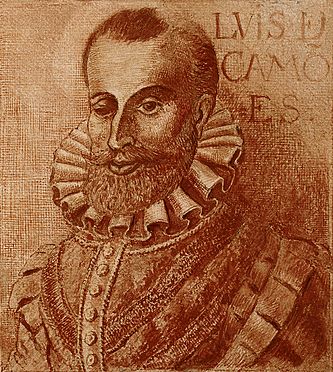
Source: Wikiquote: "Luís de Camões" (Quotes about Camões: See also: Quotes about Os Lusíadas
)
The 'What it means' explanation text was generated by Google Gemini Flash (accessed January 18, 2026). https://gemini.google.com/app

About Lord Byron
George Gordon (Noel) Byron, 6th Baron Byron (January 22 1788 – April 19 1824), generally known as Lord Byron, was an English poet and leading figure in Romanticism. He was the father of the mathematician Ada Lovelace.
About Lord Byron
George Gordon (Noel) Byron, 6th Baron Byron (January 22 1788 – April 19 1824), generally known as Lord Byron, was an English poet and leading figure in Romanticism. He was the father of the mathematician Ada Lovelace.
View all quotes →