Link Copied!
Homer Quotes (0-)
Author, Poet
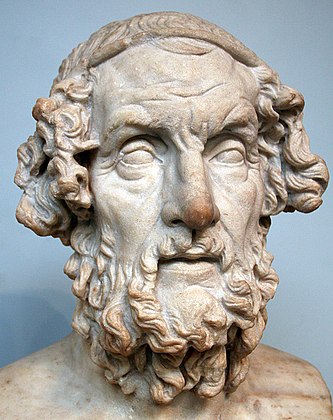











































-100px.jpg)

























-100px.jpg)









About Homer
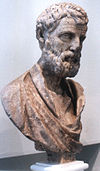
Homer (Ancient Greek: Ὅμηρος) is best known as the author of the Iliad and the Odyssey. He was believed by the ancient Greeks to have been the first and greatest of the epic poets. Author of the first known literature of Europe, he is central to the Western canon.
Best Homer Quotes
Shortest
Earliest
Explore our curated collection of the most famous and impactful Homer quotes.
“Ῥοδοδάκτυλος Ἠώς.
• Rosy-fingered Dawn.”
• Rosy-fingered Dawn.”

“Διὸς δ’ ἐτελείετο βουλή.
• The will of Zeus was accomplished.”
• The will of Zeus was accomplished.”

“Παρὰ θῖνα πολυφλοίσβοιο θαλάσσης.
• Along the shore of the loud-roaring sea.”
• Along the shore of the loud-roaring sea.”
“Θεὸς διὰ πάντα τελευτᾷ.
• It is the god who accomplishes all things.”
• It is the god who accomplishes all things.”


“Ἔνθ' Ὕπνῳ ξύμβλητο κασιγνήτῳ Θανάτοιο.
• There she encountered Sleep, the brother of Death.”
• There she encountered Sleep, the brother of Death.”
“Κοίτου τε μνήσαντο καὶ ὕπνου δῶρον ἕλοντο.
• They remembered bed and took the gift of sleep.”
• They remembered bed and took the gift of sleep.”
“Μή με κύον γούνων γουνάζεο μὴ δὲ τοκήων.
• No more entreating of me, you dog, by knees or parents.”
• No more entreating of me, you dog, by knees or parents.”
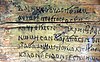


“Αὐτῶν γὰρ σφετέρῃσιν ἀτασθαλίῃσιν ὄλοντο.
• The recklessness of their own ways destroyed them all.”
• The recklessness of their own ways destroyed them all.”




“Ἀλλ' οὔ πως ἅμα πάντα θεοὶ δόσαν ἀνθρώποισιν.
• But the gods give to mortals not everything at the same time.”
• But the gods give to mortals not everything at the same time.”

“Ἀλλ' οὐ Ζεὺς ἄνδρεσσι νοήματα πάντα τελευτᾷ.
• But Zeus does not bring to accomplishment all thoughts in men's minds.”
• But Zeus does not bring to accomplishment all thoughts in men's minds.”
“Εἷς οἰωνὸς ἄριστος ἀμύνεσθαι περὶ πάτρης.
• Bird-signs!
Fight for your country—that is the best, the only omen!”
• Bird-signs!
Fight for your country—that is the best, the only omen!”
“Οὐδέ μοι αὐτῇ
θυμὸς ἐνὶ στήθεσσι σιδήρεος, ἀλλ' ἐλεήμων.
• Not iron, trust me,
the heart within my breast. I am all compassion.”
θυμὸς ἐνὶ στήθεσσι σιδήρεος, ἀλλ' ἐλεήμων.
• Not iron, trust me,
the heart within my breast. I am all compassion.”
“Ἔστι γὰρ ἥμιν
σήμαθ', ἃ δὴ καὶ νῶϊ κεκρυμμένα ἴδμεν ἀπ' ἄλλων.
• We two have secret signs,
known to us both but hidden from the world.”
σήμαθ', ἃ δὴ καὶ νῶϊ κεκρυμμένα ἴδμεν ἀπ' ἄλλων.
• We two have secret signs,
known to us both but hidden from the world.”
“Αἰὲν ἀριστεύειν καὶ ὑπείροχον ἔμμεναι ἄλλων.
• Now always be the best, my boy, the bravest,
and hold your head up high above the others.”
• Now always be the best, my boy, the bravest,
and hold your head up high above the others.”
“Ὃ δ' ἐν στροφάλιγγι κονίης
κεῖτο μέγας μεγαλωστί, λελασμένος ἱπποσυνάων.
• He in the turning dust lay
mightily in his might, his horsemanship all forgotten.”
κεῖτο μέγας μεγαλωστί, λελασμένος ἱπποσυνάων.
• He in the turning dust lay
mightily in his might, his horsemanship all forgotten.”
“Ἐπεὶ οὐκέτι πιστὰ γυναιξίν.
• The time for trusting women's gone forever!
• Alexander Pope's translation:
For since of womankind so few are just,
Think all are false, nor even the faithful trust.”
• The time for trusting women's gone forever!
• Alexander Pope's translation:
For since of womankind so few are just,
Think all are false, nor even the faithful trust.”

“Ἐπεὶ οὐ μέν τι κασιγνήτοιο χερείων
γίνεται, ὅς κεν ἑταῖρος ἐὼν πεπνυμένα εἰδῇ.
• For a friend with an understanding heart is worth no less than a brother.”
γίνεται, ὅς κεν ἑταῖρος ἐὼν πεπνυμένα εἰδῇ.
• For a friend with an understanding heart is worth no less than a brother.”

“Τοῦ γάρ τε ξεῖνος μιμνῄσκεται ἤματα πάντα
ἀνδρὸς ξεινοδόκου, ὅς κεν φιλότητα παράσχῃ.
• For a guest remembers all his days the hospitable man who showed him kindness.”
ἀνδρὸς ξεινοδόκου, ὅς κεν φιλότητα παράσχῃ.
• For a guest remembers all his days the hospitable man who showed him kindness.”


“Υἱὸν κύσε, κὰδ δὲ παρειῶν
δάκρυον ἧκε χαμᾶζε· πάρος δ' ἔχε νωλεμὲς αἰεί.
• He kissed his son, and a tear fell from his cheek on to the ground, for he had restrained all tears till now.”
δάκρυον ἧκε χαμᾶζε· πάρος δ' ἔχε νωλεμὲς αἰεί.
• He kissed his son, and a tear fell from his cheek on to the ground, for he had restrained all tears till now.”
“Τοὶ δ' ἀλλήλους φιλεόντων
ὡς τὸ πάρος, πλοῦτος δὲ καὶ εἰρήνη ἅλις ἔστω.
• Let them be friends,
devoted as in the old days. Let peace and wealth
come cresting through the land.”
ὡς τὸ πάρος, πλοῦτος δὲ καὶ εἰρήνη ἅλις ἔστω.
• Let them be friends,
devoted as in the old days. Let peace and wealth
come cresting through the land.”
“Τηλέμαχ', ἄλλα μὲν αὐτὸς ἐνὶ φρεσὶ σῇσι νοήσεις,
ἄλλα δὲ καὶ δαίμων ὑποθήσεται.
• Some of the words you'll find within yourself,
the rest some power will inspire you to say.”
ἄλλα δὲ καὶ δαίμων ὑποθήσεται.
• Some of the words you'll find within yourself,
the rest some power will inspire you to say.”
“Ἱέμενος καὶ καπνὸν ἀποθρῴσκοντα νοῆσαι
ἧς γαίης, θανέειν ἱμείρεται.
• Such desire is in him
merely to see the hearthsmoke leaping upward
from his own island, that he longs to die.”
ἧς γαίης, θανέειν ἱμείρεται.
• Such desire is in him
merely to see the hearthsmoke leaping upward
from his own island, that he longs to die.”
“Ὡς ὅτ' ἀνὴρ φόρμιγγος ἐπιστάμενος καὶ ἀοιδῆς
ῥηϊδίως ἐτάνυσσε νέῳ περὶ κόλλοπι χορδήν.
• As when in harp and song adept, a bard
Unlab'ring strains the chord to a new lyre.”
ῥηϊδίως ἐτάνυσσε νέῳ περὶ κόλλοπι χορδήν.
• As when in harp and song adept, a bard
Unlab'ring strains the chord to a new lyre.”

“Τοῖσιν δ' ἴκμενον οὖρον ἵει γλαυκῶπις Ἀθήνη,
ἀκραῆ ζέφυρον, κελάδοντ' ἐπὶ οἴνοπα πόντον.
• Grey-eyed Athene sent them a favourable gale, a fresh West Wind, singing over the wine-dark sea.”
ἀκραῆ ζέφυρον, κελάδοντ' ἐπὶ οἴνοπα πόντον.
• Grey-eyed Athene sent them a favourable gale, a fresh West Wind, singing over the wine-dark sea.”

“Ἐν δ' ἔπεσ' Ὠκεανῷ λαμπρὸν φάος ἠελίοιο
ἕλκον νύκτα μέλαιναν ἐπὶ ζείδωρον ἄρουραν.
• Now down in the Ocean sank the fiery light of day,
drawing the dark night across the grain-giving earth.”
ἕλκον νύκτα μέλαιναν ἐπὶ ζείδωρον ἄρουραν.
• Now down in the Ocean sank the fiery light of day,
drawing the dark night across the grain-giving earth.”
“Ἀλλὰ καὶ ὧς ἐθέλω καὶ ἐέλδομαι ἤματα πάντα
οἴκαδέ τ' ἐλθέμεναι καὶ νόστιμον ἦμαρ ἰδέσθαι.
• Nevertheless I long—I pine, all my days—
to travel home and see the dawn of my return.”
οἴκαδέ τ' ἐλθέμεναι καὶ νόστιμον ἦμαρ ἰδέσθαι.
• Nevertheless I long—I pine, all my days—
to travel home and see the dawn of my return.”

“Παῦροι γάρ τοι παῖδες ὁμοῖοι πατρὶ πέλονται,
οἱ πλέονες κακίους, παῦροι δέ τε πατρὸς ἀρείους.
• Few sons, indeed, are like their fathers.
Generally they are worse; but just a few are better.”
οἱ πλέονες κακίους, παῦροι δέ τε πατρὸς ἀρείους.
• Few sons, indeed, are like their fathers.
Generally they are worse; but just a few are better.”
“Νύκτας δ' ὕπνος ἔχῃσιν, – ὁ γάρ τ' ἐπέλησεν ἁπάντων,
ἐσθλῶν ἠδὲ κακῶν, ἐπεὶ ἂρ βλέφαρ' ἀμφικαλύψῃ.
• Sweet oblivion, sleep
dissolving all, the good and the bad, once it seals our eyes.”
ἐσθλῶν ἠδὲ κακῶν, ἐπεὶ ἂρ βλέφαρ' ἀμφικαλύψῃ.
• Sweet oblivion, sleep
dissolving all, the good and the bad, once it seals our eyes.”
“Ἀλλ' ὑμεῖς μὲν πάντες ὕδωρ καὶ γαῖα γένοισθε
ἥμενοι αὖθι ἕκαστοι ἀκήριοι ἀκλεὲς αὔτως.
• May you be turned every man of you into earth and water as you sit spiritless and inglorious in your places.”
ἥμενοι αὖθι ἕκαστοι ἀκήριοι ἀκλεὲς αὔτως.
• May you be turned every man of you into earth and water as you sit spiritless and inglorious in your places.”
“Καὶ τῷ νήδυμος ὕπνος ἐπὶ βλεφάροισιν ἔπιπτε,
νήγρετος ἥδιστος, θανάτῳ ἄγχιστα ἐοικώς.
• An irresistible sleep fell deeply on his eyes, the sweetest,
soundest oblivion, still as the sleep of death itself...”
νήγρετος ἥδιστος, θανάτῳ ἄγχιστα ἐοικώς.
• An irresistible sleep fell deeply on his eyes, the sweetest,
soundest oblivion, still as the sleep of death itself...”
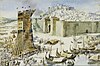
“Ἥ τ' ὀλίγη μὲν πρῶτα κορύσσεται, αὐτὰρ ἔπειτα
οὐρανῷ ἐστήριξε κάρη καὶ ἐπὶ χθονὶ βαίνει.
• She who is only a little thing at the first, but thereafter
grows until she strides on the earth with her head striking heaven.”
οὐρανῷ ἐστήριξε κάρη καὶ ἐπὶ χθονὶ βαίνει.
• She who is only a little thing at the first, but thereafter
grows until she strides on the earth with her head striking heaven.”
“Ἄσβεστος δ' ἄρ' ἐνῶρτο γέλως μακάρεσσι θεοῖσιν
ὡς ἴδον Ἥφαιστον διὰ δώματα ποιπνύοντα.
• And uncontrollable laughter broke from the happy gods
as they watched the god of fire breathing hard
and bustling through the halls.”
ὡς ἴδον Ἥφαιστον διὰ δώματα ποιπνύοντα.
• And uncontrollable laughter broke from the happy gods
as they watched the god of fire breathing hard
and bustling through the halls.”

“Πάντες μὲν στυγεροὶ θάνατοι δειλοῖσι βροτοῖσι,
λιμῷ δ' οἴκτιστον θανέειν καὶ πότμον ἐπισπεῖν.
• All ways of dying are hateful to us poor mortals,
true, but to die of hunger, starve to death—
that's the worst of all.”
λιμῷ δ' οἴκτιστον θανέειν καὶ πότμον ἐπισπεῖν.
• All ways of dying are hateful to us poor mortals,
true, but to die of hunger, starve to death—
that's the worst of all.”
“Στέντορι εἰσαμένη μεγαλήτορι χαλκεοφώνῳ,
ὃς τόσον αὐδήσασχ' ὅσον ἄλλοι πεντήκοντα.
• In form of Stentor of the brazen voice,
Whose shout was as the shout of fifty men.”
ὃς τόσον αὐδήσασχ' ὅσον ἄλλοι πεντήκοντα.
• In form of Stentor of the brazen voice,
Whose shout was as the shout of fifty men.”
“Τὸν δ' ἄρ' ὑπόδρα ἰδὼν προσέφη πολύμητις Ὀδυσσεύς·
Ἀτρεΐδη ποῖόν σε ἔπος φύγεν ἕρκος ὀδόντων.
• Then looking at him darkly resourceful Odysseus spoke to him:
"What is this word that broke through the fence of your teeth, Atreides?"”
Ἀτρεΐδη ποῖόν σε ἔπος φύγεν ἕρκος ὀδόντων.
• Then looking at him darkly resourceful Odysseus spoke to him:
"What is this word that broke through the fence of your teeth, Atreides?"”
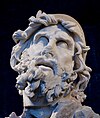
“Ὢ πόποι ἦ ῥά τίς ἐστι καὶ εἰν Ἀΐδαο δόμοισι
ψυχὴ καὶ εἴδωλον, ἀτὰρ φρένες οὐκ ἔνι πάμπαν.
• Oh, wonder! Even in the house of Hades there is left something,
a soul and an image, but there is no real heart of life in it.”
ψυχὴ καὶ εἴδωλον, ἀτὰρ φρένες οὐκ ἔνι πάμπαν.
• Oh, wonder! Even in the house of Hades there is left something,
a soul and an image, but there is no real heart of life in it.”
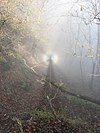
“Τοὺς δ' αὖτ' ἐξ ἄντρου προσέφη κρατερὸς Πολύφημος·
«ὦ φίλοι, Οὖτίς με κτείνει δόλῳ οὐδὲ βίηφιν.»
• ‘Nobody, friends’—Polyphemus bellowed back from his cave—
‘Nobody's killing me now by fraud and not by force!’”
«ὦ φίλοι, Οὖτίς με κτείνει δόλῳ οὐδὲ βίηφιν.»
• ‘Nobody, friends’—Polyphemus bellowed back from his cave—
‘Nobody's killing me now by fraud and not by force!’”
“Τρὶς μὲν ἐφωρμήθην, ἑλέειν τέ με θυμὸς ἀνώγει,
τρὶς δέ μοι ἐκ χειρῶν σκιῇ εἴκελον ἢ καὶ ὀνείρῳ
ἔπτατ'.
• Three times I rushed toward her, desperate to hold her,
three times she fluttered through my fingers, sifting away
like a shadow, dissolving like a dream.”
τρὶς δέ μοι ἐκ χειρῶν σκιῇ εἴκελον ἢ καὶ ὀνείρῳ
ἔπτατ'.
• Three times I rushed toward her, desperate to hold her,
three times she fluttered through my fingers, sifting away
like a shadow, dissolving like a dream.”

“Καί τε θεοὶ ξείνοισιν ἐοικότες ἀλλοδαποῖσι,
παντοῖοι τελέθοντες, ἐπιστρωφῶσι πόληας,
ἀνθρώπων ὕβριν τε καὶ εὐνομίην ἐφορῶντες.
• And gods in guise of strangers from afar in every form do roam our cities, marking the sin and righteousness of men.”
παντοῖοι τελέθοντες, ἐπιστρωφῶσι πόληας,
ἀνθρώπων ὕβριν τε καὶ εὐνομίην ἐφορῶντες.
• And gods in guise of strangers from afar in every form do roam our cities, marking the sin and righteousness of men.”

“Αἰδομένων δ' ἀνδρῶν πλέονες σόοι ἠὲ πέφανται·
φευγόντων δ' οὔτ' ἂρ κλέος ὄρνυται οὔτέ τις ἀλκή.
• On valour's side the odds of combat lie,
The brave live glorious, or lamented die;
The wretch who trembles in the field of fame,
Meets death, and worse than death, eternal shame.”
φευγόντων δ' οὔτ' ἂρ κλέος ὄρνυται οὔτέ τις ἀλκή.
• On valour's side the odds of combat lie,
The brave live glorious, or lamented die;
The wretch who trembles in the field of fame,
Meets death, and worse than death, eternal shame.”

“Ἀλλ' οὐ γάρ πως ἔστιν ἀΰπνους ἔμμεναι αἰὲν
ἀνθρώπους· ἐπὶ γάρ τοι ἑκάστῳ μοῖραν ἔθηκαν
ἀθάνατοι θνητοῖσιν ἐπὶ ζείδωρον ἄρουραν.
• But one can't go without his sleep forever.
The immortals give each thing its proper place
in our mortal lives throughout the good green earth.”
ἀνθρώπους· ἐπὶ γάρ τοι ἑκάστῳ μοῖραν ἔθηκαν
ἀθάνατοι θνητοῖσιν ἐπὶ ζείδωρον ἄρουραν.
• But one can't go without his sleep forever.
The immortals give each thing its proper place
in our mortal lives throughout the good green earth.”
“Οὐ γάρ τι στυγερῇ ἐπὶ γαστέρι κύντερον ἄλλο
ἔπλετο, ἥ τ' ἐκέλευσεν ἕο μνήσασθαι ἀνάγκῃ
καὶ μάλα τειρόμενον καὶ ἐνὶ φρεσὶ πένθος ἔχοντα.
• Nothing more shameless is than Appetite,
Who still, whatever anguish load our breast,
Makes us remember in our own despite
Both food and drink.”
ἔπλετο, ἥ τ' ἐκέλευσεν ἕο μνήσασθαι ἀνάγκῃ
καὶ μάλα τειρόμενον καὶ ἐνὶ φρεσὶ πένθος ἔχοντα.
• Nothing more shameless is than Appetite,
Who still, whatever anguish load our breast,
Makes us remember in our own despite
Both food and drink.”
“Οὐ μὲν γάρ τί πού ἐστιν ὀϊζυρώτερον ἀνδρὸς
πάντων, ὅσσά τε γαῖαν ἔπι πνείει τε καὶ ἕρπει.
• Among all creatures that breathe on earth and crawl on it
there is not anywhere a thing more dismal than man is.
• Robert Fagles's translation:
There is nothing alive more agonized than man
of all that breathe and crawl across the earth.”
πάντων, ὅσσά τε γαῖαν ἔπι πνείει τε καὶ ἕρπει.
• Among all creatures that breathe on earth and crawl on it
there is not anywhere a thing more dismal than man is.
• Robert Fagles's translation:
There is nothing alive more agonized than man
of all that breathe and crawl across the earth.”
“Ὡς οὐδὲν γλύκιον ἧς πατρίδος οὐδὲ τοκήων
γίνεται, εἴ περ καί τις ἀπόπροθι πίονα οἶκον
γαίῃ ἐν ἀλλοδαπῇ ναίει ἀπάνευθε τοκήων.
• So nothing is as sweet as a man's own country,
his own parents, even though he's settled down
in some luxurious house, off in a foreign land
and far from those who bore him.”
γίνεται, εἴ περ καί τις ἀπόπροθι πίονα οἶκον
γαίῃ ἐν ἀλλοδαπῇ ναίει ἀπάνευθε τοκήων.
• So nothing is as sweet as a man's own country,
his own parents, even though he's settled down
in some luxurious house, off in a foreign land
and far from those who bore him.”
“Ἄγχι δ' ἄρα στὰς ...
χερσὶν Ἀχιλλῆος λάβε γούνατα καὶ κύσε χεῖρας
δεινὰς ἀνδροφόνους, αἵ οἱ πολέας κτάνον υἷας.
• The majestic king of Troy slipped past the rest
and kneeling down beside Achilles, clasped his knees
and kissed his hands, those terrible, man-killing hands
that had slaughtered Priam's many sons in battle.”
χερσὶν Ἀχιλλῆος λάβε γούνατα καὶ κύσε χεῖρας
δεινὰς ἀνδροφόνους, αἵ οἱ πολέας κτάνον υἷας.
• The majestic king of Troy slipped past the rest
and kneeling down beside Achilles, clasped his knees
and kissed his hands, those terrible, man-killing hands
that had slaughtered Priam's many sons in battle.”
“Ἀφρήτωρ ἀθέμιστος ἀνέστιός ἐστιν ἐκεῖνος
ὃς πολέμου ἔραται ἐπιδημίου ὀκρυόεντος.
• Cursed is the man, and void of law and right,
Unworthy property, unworthy light,
Unfit for public rule, or private care,
That wretch, that monster, that delights in war:
Whose lust is murder, and whose horrid joy
To tear his country, and his kind destroy!”
ὃς πολέμου ἔραται ἐπιδημίου ὀκρυόεντος.
• Cursed is the man, and void of law and right,
Unworthy property, unworthy light,
Unfit for public rule, or private care,
That wretch, that monster, that delights in war:
Whose lust is murder, and whose horrid joy
To tear his country, and his kind destroy!”

“Καὶ γάρ τε λιταί εἰσι Διὸς κοῦραι μεγάλοιο
χωλαί τε ῥυσαί τε παραβλῶπές τ' ὀφθαλμώ,
αἵ ῥά τε καὶ μετόπισθ' ἄτης ἀλέγουσι κιοῦσαι.
• Prayers are Jove's daughters, of celestial race,
Lame are their feet, and wrinkled is their face;
With humble mien, and with dejected eyes,
Constant they follow where Injustice flies.”
χωλαί τε ῥυσαί τε παραβλῶπές τ' ὀφθαλμώ,
αἵ ῥά τε καὶ μετόπισθ' ἄτης ἀλέγουσι κιοῦσαι.
• Prayers are Jove's daughters, of celestial race,
Lame are their feet, and wrinkled is their face;
With humble mien, and with dejected eyes,
Constant they follow where Injustice flies.”
“Πέμπε δέ μιν πομποῖσιν ἅμα κραιπνοῖσι φέρεσθαι
ὕπνῳ καὶ θανάτῳ διδυμάοσιν, οἵ ῥά μιν ὦκα
θήσουσ' ἐν Λυκίης εὐρείης πίονι δήμῳ.
• Then give him into the charge of swift messengers to carry him,
of Sleep and Death, who are twin brothers, and these two shall lay him
down presently within the rich countryside of broad Lykia.”
ὕπνῳ καὶ θανάτῳ διδυμάοσιν, οἵ ῥά μιν ὦκα
θήσουσ' ἐν Λυκίης εὐρείης πίονι δήμῳ.
• Then give him into the charge of swift messengers to carry him,
of Sleep and Death, who are twin brothers, and these two shall lay him
down presently within the rich countryside of broad Lykia.”
“Ἦ καὶ κυανέῃσιν ἐπ' ὀφρύσι νεῦσε Κρονίων·
ἀμβρόσιαι δ' ἄρα χαῖται ἐπεῤῥώσαντο ἄνακτος
κρατὸς ἀπ' ἀθανάτοιο· μέγαν δ' ἐλέλιξεν Ὄλυμπον.
• He spoke, the son of Kronos, and nodded his head with the dark brows,
and the immortally anointed hair of the great god
swept from his divine head, and all Olympos was shaken.”
ἀμβρόσιαι δ' ἄρα χαῖται ἐπεῤῥώσαντο ἄνακτος
κρατὸς ἀπ' ἀθανάτοιο· μέγαν δ' ἐλέλιξεν Ὄλυμπον.
• He spoke, the son of Kronos, and nodded his head with the dark brows,
and the immortally anointed hair of the great god
swept from his divine head, and all Olympos was shaken.”
“Αἵδε δὲ νύκτες ἀθέσφατοι· ἔστι μὲν εὕδειν,
ἔστι δὲ τερπομένοισιν ἀκουέμεν· οὐδέ τί σε χρή,
πρὶν ὥρη, καταλέχθαι· ἀνίη καὶ πολὺς ὕπνος.
• Long nights the now declining year bestows;
A part we consecrate to soft repose,
A part in pleasing talk we entertain;
For too much rest itself becomes a pain.”
ἔστι δὲ τερπομένοισιν ἀκουέμεν· οὐδέ τί σε χρή,
πρὶν ὥρη, καταλέχθαι· ἀνίη καὶ πολὺς ὕπνος.
• Long nights the now declining year bestows;
A part we consecrate to soft repose,
A part in pleasing talk we entertain;
For too much rest itself becomes a pain.”
“Τοὶ δ' ἔριδος κρατερῆς καὶ ὁμοιΐου πτολέμοιο
πεῖραρ ἐπαλλάξαντες ἐπ' ἀμφοτέροισι τάνυσσαν
ἄῤῥηκτόν τ' ἄλυτόν τε, τὸ πολλῶν γούνατ' ἔλυσεν.
• Both gods knotted the rope of strife and leveling war,
strangling both sides at once by stretching the mighty cable,
never broken, never slipped, that snapped the knees of thousands.”
πεῖραρ ἐπαλλάξαντες ἐπ' ἀμφοτέροισι τάνυσσαν
ἄῤῥηκτόν τ' ἄλυτόν τε, τὸ πολλῶν γούνατ' ἔλυσεν.
• Both gods knotted the rope of strife and leveling war,
strangling both sides at once by stretching the mighty cable,
never broken, never slipped, that snapped the knees of thousands.”
“Αἰεὶ δ' ὁπλοτέρων ἀνδρῶν φρένες ἠερέθονται·
οἷς δ' ὁ γέρων μετέῃσιν ἅμα πρόσσω καὶ ὀπίσσω
λεύσσει, ὅπως ὄχ' ἄριστα μετ' ἀμφοτέροισι γένηται.
• Always it is, that the hearts in the younger men are frivolous,
but when an elder man is among them, he looks behind him
and in front, so that all comes out far better for both sides.”
οἷς δ' ὁ γέρων μετέῃσιν ἅμα πρόσσω καὶ ὀπίσσω
λεύσσει, ὅπως ὄχ' ἄριστα μετ' ἀμφοτέροισι γένηται.
• Always it is, that the hearts in the younger men are frivolous,
but when an elder man is among them, he looks behind him
and in front, so that all comes out far better for both sides.”
“ἶσόν τοι κακόν ἐσθ', ὅς τ' οὐκ ἐθέλοντα νέεσθαι
ξεῖνον ἐποτρύνῃ καὶ ὃς ἐσσύμενον κατερύκῃ.
χρὴ ξεῖνον παρεόντα φιλεῖν, ἐθέλοντα δὲ πέμπειν.
• Alike he thwarts the hospitable end,
Who drives the free, or stays the hasty friend:
True friendship's laws are by this rule expressed,
Welcome the coming, speed the parting guest.”
ξεῖνον ἐποτρύνῃ καὶ ὃς ἐσσύμενον κατερύκῃ.
χρὴ ξεῖνον παρεόντα φιλεῖν, ἐθέλοντα δὲ πέμπειν.
• Alike he thwarts the hospitable end,
Who drives the free, or stays the hasty friend:
True friendship's laws are by this rule expressed,
Welcome the coming, speed the parting guest.”
“Ἔτλην δ' οἷ' οὔ πώ τις ἐπιχθόνιος βροτὸς ἄλλος,
ἀνδρὸς παιδοφόνοιο ποτὶ στόμα χεῖρ' ὀρέγεσθαι.
• I have endured what no one on earth has ever done before—
I put to my lips the hands of the man who killed my son.
• Richmond Lattimore's translation:
I have gone through what no other mortal on earth has gone through;
I put my lips to the hands of the man who has killed my children.”
ἀνδρὸς παιδοφόνοιο ποτὶ στόμα χεῖρ' ὀρέγεσθαι.
• I have endured what no one on earth has ever done before—
I put to my lips the hands of the man who killed my son.
• Richmond Lattimore's translation:
I have gone through what no other mortal on earth has gone through;
I put my lips to the hands of the man who has killed my children.”
“Οὐ γάρ τις νέμεσις φυγέειν κακόν, οὐδ' ἀνὰ νύκτα.
βέλτερον ὃς φεύγων προφύγῃ κακὸν ἠὲ ἁλώῃ.
• No shame in running,
fleeing disaster, even in pitch darkness.
Better to flee from death than feel its grip.
• Richmond Lattimore's translation:
There is no shame in running, even by night, from disaster.
The man does better who runs from disaster than he who is caught by it.”
βέλτερον ὃς φεύγων προφύγῃ κακὸν ἠὲ ἁλώῃ.
• No shame in running,
fleeing disaster, even in pitch darkness.
Better to flee from death than feel its grip.
• Richmond Lattimore's translation:
There is no shame in running, even by night, from disaster.
The man does better who runs from disaster than he who is caught by it.”
“Μή μοι δῶρ' ἐρατὰ πρόφερε χρυσέης Ἀφροδίτης·
οὔ τοι ἀπόβλητ' ἐστὶ θεῶν ἐρικυδέα δῶρα
ὅσσά κεν αὐτοὶ δῶσιν, ἑκὼν δ' οὐκ ἄν τις ἕλοιτο.
• Yet do not bring up against me the sweet favours of golden Aphrodite.
Never to be cast away are the gifts of the gods, magnificent,
which they give of their own will, no man could have them for wanting them.”
οὔ τοι ἀπόβλητ' ἐστὶ θεῶν ἐρικυδέα δῶρα
ὅσσά κεν αὐτοὶ δῶσιν, ἑκὼν δ' οὐκ ἄν τις ἕλοιτο.
• Yet do not bring up against me the sweet favours of golden Aphrodite.
Never to be cast away are the gifts of the gods, magnificent,
which they give of their own will, no man could have them for wanting them.”
“Νεμεσσῶμαί γε μὲν οὐδὲν
κλαίειν, ὅς κε θάνῃσι βροτῶν καὶ πότμον ἐπίσπῃ.
τοῦτό νυ καὶ γέρας οἶον ὀϊζυροῖσι βροτοῖσι,
κείρασθαί τε κόμην βαλέειν τ' ἀπὸ δάκρυ παρειῶν.
• Not that I'd grudge a tear
for any man gone down to meet his fate.
What other tribute can we pay to wretched men
than to cut a lock, let tears roll down our cheeks?”
κλαίειν, ὅς κε θάνῃσι βροτῶν καὶ πότμον ἐπίσπῃ.
τοῦτό νυ καὶ γέρας οἶον ὀϊζυροῖσι βροτοῖσι,
κείρασθαί τε κόμην βαλέειν τ' ἀπὸ δάκρυ παρειῶν.
• Not that I'd grudge a tear
for any man gone down to meet his fate.
What other tribute can we pay to wretched men
than to cut a lock, let tears roll down our cheeks?”
“Ἀλλ' ἔπι τοι καὶ ἐμοὶ θάνατος καὶ μοῖρα κραταιή·
ἔσσεται ἢ ἠὼς ἢ δείλη ἢ μέσον ἦμαρ
ὁππότε τις καὶ ἐμεῖο Ἄρῃ ἐκ θυμὸν ἕληται
ἢ ὅ γε δουρὶ βαλὼν ἢ ἀπὸ νευρῆφιν ὀϊστῷ.
• There shall be a dawn or an afternoon or a noontime
when some man in the fighting will take the life from me also
either with a spearcast or an arrow flown from the bowstring.”
ἔσσεται ἢ ἠὼς ἢ δείλη ἢ μέσον ἦμαρ
ὁππότε τις καὶ ἐμεῖο Ἄρῃ ἐκ θυμὸν ἕληται
ἢ ὅ γε δουρὶ βαλὼν ἢ ἀπὸ νευρῆφιν ὀϊστῷ.
• There shall be a dawn or an afternoon or a noontime
when some man in the fighting will take the life from me also
either with a spearcast or an arrow flown from the bowstring.”
“Ἐχθρὸς γάρ μοι κεῖνος ὁμῶς Ἀΐδαο πύλῃσιν
ὅς χ' ἕτερον μὲν κεύθῃ ἐνὶ φρεσίν, ἄλλο δὲ εἴπῃ.
• Who dares think one thing, and another tell,
My heart detests him as the gates of hell.
• A. H. Chase and W. G. Perry, Jr.'s translation:
Hateful to me as the gates of Hades is the man who hides one thing in his heart and speaks another.”
ὅς χ' ἕτερον μὲν κεύθῃ ἐνὶ φρεσίν, ἄλλο δὲ εἴπῃ.
• Who dares think one thing, and another tell,
My heart detests him as the gates of hell.
• A. H. Chase and W. G. Perry, Jr.'s translation:
Hateful to me as the gates of Hades is the man who hides one thing in his heart and speaks another.”
“εὐξάμενός τι ἔπος ἐρέω· οἶνος γὰρ ἀνώγει,
ἠλεός, ὅς τ' ἐφέηκε πολύφρονά περ μάλ' ἀεῖσαι
καί θ' ἁπαλὸν γελάσαι καί τ' ὀρχήσασθαι ἀνῆκε,
καί τι ἔπος προέηκεν, ὅ πέρ τ' ἄῤῥητον ἄμεινον.
• I want to brag a little. I am dizzy,
under the influence of wine, which makes
even the wisest people sing and giggle,
and dance, and say things best not spoken.”
ἠλεός, ὅς τ' ἐφέηκε πολύφρονά περ μάλ' ἀεῖσαι
καί θ' ἁπαλὸν γελάσαι καί τ' ὀρχήσασθαι ἀνῆκε,
καί τι ἔπος προέηκεν, ὅ πέρ τ' ἄῤῥητον ἄμεινον.
• I want to brag a little. I am dizzy,
under the influence of wine, which makes
even the wisest people sing and giggle,
and dance, and say things best not spoken.”
“Οὐδὲν ἀκιδνότερον γαῖα τρέφει ἀνθρώποιο
πάντων, ὅσσα τε γαῖαν ἔπι πνείει τε καὶ ἕρπει.
• Of all that breathes and crawls across the earth,
our mother earth breeds nothing feebler than a man.
• Samuel Butler's translation:
Man is the vainest of all creatures that have their being upon earth.
• Robert Fitzgerald's translation:
Of mortal creatures, all that breathe and move,
earth bears none frailer than mankind.”
πάντων, ὅσσα τε γαῖαν ἔπι πνείει τε καὶ ἕρπει.
• Of all that breathes and crawls across the earth,
our mother earth breeds nothing feebler than a man.
• Samuel Butler's translation:
Man is the vainest of all creatures that have their being upon earth.
• Robert Fitzgerald's translation:
Of mortal creatures, all that breathe and move,
earth bears none frailer than mankind.”
“Ἄλλῳ μὲν γὰρ ἔδωκε θεὸς πολεμήϊα ἔργα,
ἄλλῳ δ' ὀρχηστύν, ἑτέρῳ κίθαριν καὶ ἀοιδήν,
ἄλλῳ δ' ἐν στήθεσσι τιθεῖ νόον εὐρύοπα Ζεὺς
ἐσθλόν, τοῦ δέ τε πολλοὶ ἐπαυρίσκοντ' ἄνθρωποι.
• To some the powers of bloody war belong,
To some, sweet music, and the charm of song;
To few, and wondrous few, has Jove assigned
A wise, extensive, all-considering mind.”
ἄλλῳ δ' ὀρχηστύν, ἑτέρῳ κίθαριν καὶ ἀοιδήν,
ἄλλῳ δ' ἐν στήθεσσι τιθεῖ νόον εὐρύοπα Ζεὺς
ἐσθλόν, τοῦ δέ τε πολλοὶ ἐπαυρίσκοντ' ἄνθρωποι.
• To some the powers of bloody war belong,
To some, sweet music, and the charm of song;
To few, and wondrous few, has Jove assigned
A wise, extensive, all-considering mind.”
“Οὐκ ἀρετᾷ κακὰ ἔργα· κιχάνει τοι βραδὺς ὠκύν,
ὡς καὶ νῦν Ἥφαιστος ἐὼν βραδὺς εἷλεν Ἄρηα,
ὠκύτατόν περ ἐόντα θεῶν, οἳ Ὄλυμπον ἔχουσιν.
• Behold on wrong
Swift vengeance waits; and art subdues the strong!
Dwells there a god on all the Olympian brow
More swift than Mars, and more than Vulcan slow?
Yet Vulcan conquers, and the god of arms
Must pay the penalty for lawless charms.”
ὡς καὶ νῦν Ἥφαιστος ἐὼν βραδὺς εἷλεν Ἄρηα,
ὠκύτατόν περ ἐόντα θεῶν, οἳ Ὄλυμπον ἔχουσιν.
• Behold on wrong
Swift vengeance waits; and art subdues the strong!
Dwells there a god on all the Olympian brow
More swift than Mars, and more than Vulcan slow?
Yet Vulcan conquers, and the god of arms
Must pay the penalty for lawless charms.”
“Δμῶες δ', εὖτ' ἂν μηκέτ' ἐπικρατέωσιν ἄνακτες,
οὐκέτ' ἔπειτ' ἐθέλουσιν ἐναίσιμα ἐργάζεσθαι·
ἥμισυ γάρ τ' ἀρετῆς ἀποαίνυται εὐρύοπα Ζεὺς
ἀνέρος, εὖτ' ἄν μιν κατὰ δούλιον ἦμαρ ἕλῃσιν.
• Servants, when their lords no longer sway,
Their minds no more to righteous courses bend.
Half that man's virtue doth Zeus take away,
Whom he surrenders to the servile day.”
οὐκέτ' ἔπειτ' ἐθέλουσιν ἐναίσιμα ἐργάζεσθαι·
ἥμισυ γάρ τ' ἀρετῆς ἀποαίνυται εὐρύοπα Ζεὺς
ἀνέρος, εὖτ' ἄν μιν κατὰ δούλιον ἦμαρ ἕλῃσιν.
• Servants, when their lords no longer sway,
Their minds no more to righteous courses bend.
Half that man's virtue doth Zeus take away,
Whom he surrenders to the servile day.”
“Ξεῖν', οὔ μοι θέμις ἔστ', οὐδ' εἰ κακίων σέθεν ἔλθοι,
ξεῖνον ἀτιμῆσαι· πρὸς γὰρ Διός εἰσιν ἅπαντες
ξεῖνοί τε πτωχοί τε. δόσις δ' ὀλίγη τε φίλη τε
γίνεται ἡμετέρη.
• It's wrong, my friend, to send any stranger packing—
even one who arrives in worse shape than you.
Every stranger and beggar comes from Zeus
and whatever scrap they get from the likes of us,
they'll find it welcome.”
ξεῖνον ἀτιμῆσαι· πρὸς γὰρ Διός εἰσιν ἅπαντες
ξεῖνοί τε πτωχοί τε. δόσις δ' ὀλίγη τε φίλη τε
γίνεται ἡμετέρη.
• It's wrong, my friend, to send any stranger packing—
even one who arrives in worse shape than you.
Every stranger and beggar comes from Zeus
and whatever scrap they get from the likes of us,
they'll find it welcome.”
“Μήτι τοι δρυτόμος μέγ' ἀμείνων ἠὲ βίηφι·
μήτι δ' αὖτε κυβερνήτης ἐνὶ οἴνοπι πόντῳ
νῆα θοὴν ἰθύνει ἐρεχθομένην ἀνέμοισι·
μήτι δ' ἡνίοχος περιγίγνεται ἡνιόχοιο.
• The woodcutter is far better for skill than he is for brute strength.
It is by skill that the sea captain holds his rapid ship
on its course, though torn by winds, over the wine-blue water.
By skill charioteer outpasses charioteer.”
μήτι δ' αὖτε κυβερνήτης ἐνὶ οἴνοπι πόντῳ
νῆα θοὴν ἰθύνει ἐρεχθομένην ἀνέμοισι·
μήτι δ' ἡνίοχος περιγίγνεται ἡνιόχοιο.
• The woodcutter is far better for skill than he is for brute strength.
It is by skill that the sea captain holds his rapid ship
on its course, though torn by winds, over the wine-blue water.
By skill charioteer outpasses charioteer.”
“Ἀλλ' ὅτε δὴ ὄπα τε μεγάλην ἐκ στήθεος εἵη
καὶ ἔπεα νιφάδεσσιν ἐοικότα χειμερίῃσιν,
ἂν ἔπειτ' Ὀδυσῆΐ γ' ἐρίσσειε βροτὸς ἄλλος·
οὐ τότε γ' ὧδ' Ὀδυσῆος ἀγασσάμεθ' εἶδος ἰδόντες.
• But when he let loose that great voice from his chest
and the words came piling on like a driving winter blizzard —
then no man alive could rival Odysseus! Odysseus...
we no longer gazed in wonder at his looks.”
καὶ ἔπεα νιφάδεσσιν ἐοικότα χειμερίῃσιν,
ἂν ἔπειτ' Ὀδυσῆΐ γ' ἐρίσσειε βροτὸς ἄλλος·
οὐ τότε γ' ὧδ' Ὀδυσῆος ἀγασσάμεθ' εἶδος ἰδόντες.
• But when he let loose that great voice from his chest
and the words came piling on like a driving winter blizzard —
then no man alive could rival Odysseus! Odysseus...
we no longer gazed in wonder at his looks.”
“Ὡς ἔρις ἔκ τε θεῶν ἔκ τ' ἀνθρώπων ἀπόλοιτο
καὶ χόλος, ὅς τ' ἐφέηκε πολύφρονά περ χαλεπῆναι,
ὅς τε πολὺ γλυκίων μέλιτος καταλειβομένοιο
ἀνδρῶν ἐν στήθεσσιν ἀέξεται ἠΰτε καπνός.
• If only strife could die from the lives of gods and men
and anger that drives the sanest man to flare in outrage—
bitter gall, sweeter than dripping streams of honey,
that swarms in people's chests and blinds like smoke.”
καὶ χόλος, ὅς τ' ἐφέηκε πολύφρονά περ χαλεπῆναι,
ὅς τε πολὺ γλυκίων μέλιτος καταλειβομένοιο
ἀνδρῶν ἐν στήθεσσιν ἀέξεται ἠΰτε καπνός.
• If only strife could die from the lives of gods and men
and anger that drives the sanest man to flare in outrage—
bitter gall, sweeter than dripping streams of honey,
that swarms in people's chests and blinds like smoke.”
“Νῦν αὖτέ με μοῖρα κιχάνει.
μὴ μὰν ἀσπουδί γε καὶ ἀκλειῶς ἀπολοίμην,
ἀλλὰ μέγα ῥέξας τι καὶ ἐσσομένοισι πυθέσθαι.
• So now I meet my doom. Well let me die—
but not without struggle, not without glory, no,
in some great clash of arms that even men to come
will hear of down the years!
• Richmond Lattimore's translation:
But now my death is upon me.
Let me at least not die without a struggle, inglorious,
but do some big thing first, that men to come shall know of it.”
μὴ μὰν ἀσπουδί γε καὶ ἀκλειῶς ἀπολοίμην,
ἀλλὰ μέγα ῥέξας τι καὶ ἐσσομένοισι πυθέσθαι.
• So now I meet my doom. Well let me die—
but not without struggle, not without glory, no,
in some great clash of arms that even men to come
will hear of down the years!
• Richmond Lattimore's translation:
But now my death is upon me.
Let me at least not die without a struggle, inglorious,
but do some big thing first, that men to come shall know of it.”
“Ἄλγεα δ' ἔμπης
ἐν θυμῷ κατακεῖσθαι ἐάσομεν ἀχνύμενοί περ·
οὐ γάρ τις πρῆξις πέλεται κρυεροῖο γόοιο·
ὡς γὰρ ἐπεκλώσαντο θεοὶ δειλοῖσι βροτοῖσι
ζώειν ἀχνυμένοις· αὐτοὶ δέ τ' ἀκηδέες εἰσί.
• Let us put our griefs to rest in our own hearts...
What good's to be won from tears that chill the spirit?
So the immortals spun our lives that we, we wretched men
live on to bear such torments—the gods live free of sorrows.”
ἐν θυμῷ κατακεῖσθαι ἐάσομεν ἀχνύμενοί περ·
οὐ γάρ τις πρῆξις πέλεται κρυεροῖο γόοιο·
ὡς γὰρ ἐπεκλώσαντο θεοὶ δειλοῖσι βροτοῖσι
ζώειν ἀχνυμένοις· αὐτοὶ δέ τ' ἀκηδέες εἰσί.
• Let us put our griefs to rest in our own hearts...
What good's to be won from tears that chill the spirit?
So the immortals spun our lives that we, we wretched men
live on to bear such torments—the gods live free of sorrows.”
“Μῆνιν ἄειδε, θεά, Πηληϊάδεω Ἀχιλῆος
οὐλομένην, ἣ μυρί᾽ Ἀχαιοῖς ἄλγε᾽ ἔθηκε,
πολλὰς δ᾽ ἰφθίμους ψυχὰς Ἄϊδι προΐαψεν
ἡρώων, αὐτοὺς δὲ ἑλώρια τεῦχε κύνεσσιν
οἰωνοῖσί τε πᾶσι.
• Rage—Goddess, sing the rage of Peleus' son Achilles,
murderous, doomed, that cost the Achaeans countless losses,
hurling down to the House of Death so many sturdy souls,
great fighters' souls, but made their bodies carrion,
feasts for the dogs and birds.”
οὐλομένην, ἣ μυρί᾽ Ἀχαιοῖς ἄλγε᾽ ἔθηκε,
πολλὰς δ᾽ ἰφθίμους ψυχὰς Ἄϊδι προΐαψεν
ἡρώων, αὐτοὺς δὲ ἑλώρια τεῦχε κύνεσσιν
οἰωνοῖσί τε πᾶσι.
• Rage—Goddess, sing the rage of Peleus' son Achilles,
murderous, doomed, that cost the Achaeans countless losses,
hurling down to the House of Death so many sturdy souls,
great fighters' souls, but made their bodies carrion,
feasts for the dogs and birds.”
“Ἔνθ' ἔνι μὲν φιλότης, ἐν δ' ἵμερος, ἐν δ' ὀαριστὺς
πάρφασις, ἥ τ' ἔκλεψε νόον πύκα περ φρονεόντων.
• There is the heat of Love,
the pulsing rush of Longing, the lover's whisper,
irresistible—magic to make the sanest man go mad.
• Alexander Pope's translation:
In this was every art, and every charm,
To win the wisest, and the coldest warm:
Fond love, the gentle vow, the gay desire,
The kind deceit, the still reviving fire,
Persuasive speech, and more persuasive sighs,
Silence that spoke, and eloquence of eyes.”
πάρφασις, ἥ τ' ἔκλεψε νόον πύκα περ φρονεόντων.
• There is the heat of Love,
the pulsing rush of Longing, the lover's whisper,
irresistible—magic to make the sanest man go mad.
• Alexander Pope's translation:
In this was every art, and every charm,
To win the wisest, and the coldest warm:
Fond love, the gentle vow, the gay desire,
The kind deceit, the still reviving fire,
Persuasive speech, and more persuasive sighs,
Silence that spoke, and eloquence of eyes.”
“Μήκων δ' ὡς ἑτέρωσε κάρη βάλεν, ἥ τ' ἐνὶ κήπῳ
καρπῷ βριθομένη νοτίῃσί τε εἰαρινῇσιν,
ὣς ἑτέρωσ' ἤμυσε κάρη πήληκι βαρυνθέν.
• He bent drooping his head to one side, as a garden poppy
bends beneath the weight of its yield and the rains of springtime;
so his head bent slack to one side beneath the helm's weight.
• Alexander Pope's translation:
As full-blown poppies, overcharged with rain,
Decline the head, and drooping kiss the plain, —
So sinks the youth; his beauteous head, depressed
Beneath his helmet, drops upon his breast.”
καρπῷ βριθομένη νοτίῃσί τε εἰαρινῇσιν,
ὣς ἑτέρωσ' ἤμυσε κάρη πήληκι βαρυνθέν.
• He bent drooping his head to one side, as a garden poppy
bends beneath the weight of its yield and the rains of springtime;
so his head bent slack to one side beneath the helm's weight.
• Alexander Pope's translation:
As full-blown poppies, overcharged with rain,
Decline the head, and drooping kiss the plain, —
So sinks the youth; his beauteous head, depressed
Beneath his helmet, drops upon his breast.”
“Ἐννοσίγαι' οὐκ ἄν με σαόφρονα μυθήσαιο
ἔμμεναι, εἰ δὴ σοί γε βροτῶν ἕνεκα πτολεμίξω
δειλῶν, οἳ φύλλοισιν ἐοικότες ἄλλοτε μέν τε
ζαφλεγέες τελέθουσιν ἀρούρης καρπὸν ἔδοντες,
ἄλλοτε δὲ φθινύθουσιν ἀκήριοι.
• Shaker of the earth, you would have me be as one without prudence
if I am to fight even you for the sake of insignificant
mortals, who are as leaves are, and now flourish and grow warm
with life, and feed on what the ground gives, but then again
fade away and are dead.”
ἔμμεναι, εἰ δὴ σοί γε βροτῶν ἕνεκα πτολεμίξω
δειλῶν, οἳ φύλλοισιν ἐοικότες ἄλλοτε μέν τε
ζαφλεγέες τελέθουσιν ἀρούρης καρπὸν ἔδοντες,
ἄλλοτε δὲ φθινύθουσιν ἀκήριοι.
• Shaker of the earth, you would have me be as one without prudence
if I am to fight even you for the sake of insignificant
mortals, who are as leaves are, and now flourish and grow warm
with life, and feed on what the ground gives, but then again
fade away and are dead.”
“Καὶ μὴν Σίσυφον εἰσεῖδον κρατέρ' ἄλγε' ἔχοντα,
λᾶαν βαστάζοντα πελώριον ἀμφοτέρῃσιν.
τοι ὁ μὲν σκηριπτόμενος χερσίν τε ποσίν τε
λᾶαν ἄνω ὤθεσκε ποτὶ λόφον· ἀλλ' ὅτε μέλλοι
ἄκρον ὑπερβαλέειν, τότ' ἀποστρέψασκε Κραταιΐς·
αὖτις ἔπειτα πέδονδε κυλίνδετο λᾶας ἀναιδής.
• With many a weary step, and many a groan,
Up the high hill he heaves a huge round stone;
The huge round stone, resulting with a bound,
Thunders impetuous down, and smokes along the ground.”
λᾶαν βαστάζοντα πελώριον ἀμφοτέρῃσιν.
τοι ὁ μὲν σκηριπτόμενος χερσίν τε ποσίν τε
λᾶαν ἄνω ὤθεσκε ποτὶ λόφον· ἀλλ' ὅτε μέλλοι
ἄκρον ὑπερβαλέειν, τότ' ἀποστρέψασκε Κραταιΐς·
αὖτις ἔπειτα πέδονδε κυλίνδετο λᾶας ἀναιδής.
• With many a weary step, and many a groan,
Up the high hill he heaves a huge round stone;
The huge round stone, resulting with a bound,
Thunders impetuous down, and smokes along the ground.”
“Μή νύ τι σεῦ ἀέκητι δόμων ἐκ κτῆμα φέρηται.
οἶσθα γὰρ οἷος θυμὸς ἐνὶ στήθεσσι γυναικός·
κείνου βούλεται οἶκον ὀφέλλειν, ὅς κεν ὀπυίῃ,
παίδων δὲ προτέρων καὶ κουριδίοιο φίλοιο
οὐκέτι μέμνηται τεθνηότος οὐδὲ μεταλλᾷ.
• I hope nothing valuable may have been taken from the house in spite of you, but you know what women are—they always want to do the best they can for the man who marries them, and never give another thought to the children of their first husband, nor to their father either when he is dead and done with.”
οἶσθα γὰρ οἷος θυμὸς ἐνὶ στήθεσσι γυναικός·
κείνου βούλεται οἶκον ὀφέλλειν, ὅς κεν ὀπυίῃ,
παίδων δὲ προτέρων καὶ κουριδίοιο φίλοιο
οὐκέτι μέμνηται τεθνηότος οὐδὲ μεταλλᾷ.
• I hope nothing valuable may have been taken from the house in spite of you, but you know what women are—they always want to do the best they can for the man who marries them, and never give another thought to the children of their first husband, nor to their father either when he is dead and done with.”

“Οὐ νέμεσις Τρῶας καὶ ἐϋκνήμιδας Ἀχαιοὺς
τοιῇδ' ἀμφὶ γυναικὶ πολὺν χρόνον ἄλγεα πάσχειν·
αἰνῶς ἀθανάτῃσι θεῇς εἰς ὦπα ἔοικεν.
• Who on earth could blame them? Ah, no wonder
the men of Troy and Argives under arms have suffered
years of agony all for her, for such a woman.
Beauty, terrible beauty!
A deathless goddess—so she strikes our eyes!
• Richmond Lattimore's translation:
Surely there is no blame on Trojans and strong-greaved Achaians
if for long time they suffer hardship for a woman like this one.
Terrible is the likeness of her face to immortal goddesses.”
τοιῇδ' ἀμφὶ γυναικὶ πολὺν χρόνον ἄλγεα πάσχειν·
αἰνῶς ἀθανάτῃσι θεῇς εἰς ὦπα ἔοικεν.
• Who on earth could blame them? Ah, no wonder
the men of Troy and Argives under arms have suffered
years of agony all for her, for such a woman.
Beauty, terrible beauty!
A deathless goddess—so she strikes our eyes!
• Richmond Lattimore's translation:
Surely there is no blame on Trojans and strong-greaved Achaians
if for long time they suffer hardship for a woman like this one.
Terrible is the likeness of her face to immortal goddesses.”
“Ὣς ἄρα φωνήσαντε καθ' ἵππων ἀΐξαντε
χεῖράς τ' ἀλλήλων λαβέτην καὶ πιστώσαντο·
ἔνθ' αὖτε Γλαύκῳ Κρονίδης φρένας ἐξέλετο Ζεύς,
ὃς πρὸς Τυδεΐδην Διομήδεα τεύχε' ἄμειβε
χρύσεα χαλκείων, ἑκατόμβοι' ἐννεαβοίων.
• So they spoke, and both springing down from behind their horses
gripped each other's hands and exchanged the promise of friendship;
but Zeus the son of Kronos stole away the wits of Glaukos
who exchanged with Diomedes the son of Tydeus armour
of gold for bronze, for nine oxen's worth the worth of a hundred.”
χεῖράς τ' ἀλλήλων λαβέτην καὶ πιστώσαντο·
ἔνθ' αὖτε Γλαύκῳ Κρονίδης φρένας ἐξέλετο Ζεύς,
ὃς πρὸς Τυδεΐδην Διομήδεα τεύχε' ἄμειβε
χρύσεα χαλκείων, ἑκατόμβοι' ἐννεαβοίων.
• So they spoke, and both springing down from behind their horses
gripped each other's hands and exchanged the promise of friendship;
but Zeus the son of Kronos stole away the wits of Glaukos
who exchanged with Diomedes the son of Tydeus armour
of gold for bronze, for nine oxen's worth the worth of a hundred.”
“Ἄνδρα μοι ἔννεπε, Μοῦσα, πολύτροπον, ὃς μάλα πολλὰ
πλάγχθη, ἐπεὶ Τροίης ἱερὸν πτολίεθρον ἔπερσε·
πολλῶν δ’ ἀνθρώπων ἴδεν ἄστεα καὶ νόον ἔγνω,
πολλὰ δ’ ὅ γ’ ἐν πόντῳ πάθεν ἄλγεα ὃν κατὰ θυμόν,
ἀρνύμενος ἥν τε ψυχὴν καὶ νόστον ἑταίρων.
• Sing to me of the man, Muse, the man of twists and turns
driven time and again off course, once he had plundered
the hallowed heights of Troy.
Many cities of men he saw and learned their minds,
many pains he suffered, heartsick on the open sea,
fighting to save his life and bring his comrades home.”
πλάγχθη, ἐπεὶ Τροίης ἱερὸν πτολίεθρον ἔπερσε·
πολλῶν δ’ ἀνθρώπων ἴδεν ἄστεα καὶ νόον ἔγνω,
πολλὰ δ’ ὅ γ’ ἐν πόντῳ πάθεν ἄλγεα ὃν κατὰ θυμόν,
ἀρνύμενος ἥν τε ψυχὴν καὶ νόστον ἑταίρων.
• Sing to me of the man, Muse, the man of twists and turns
driven time and again off course, once he had plundered
the hallowed heights of Troy.
Many cities of men he saw and learned their minds,
many pains he suffered, heartsick on the open sea,
fighting to save his life and bring his comrades home.”

“Σοὶ δὲ θεοὶ τόσα δοῖεν, ὅσα φρεσὶ σῇσι μενοινᾷς,
ἄνδρα τε καὶ οἶκον, καὶ ὁμοφροσύνην ὀπάσειαν
ἐσθλήν· οὐ μὲν γὰρ τοῦ γε κρεῖσσον καὶ ἄρειον,
ἢ ὅθ' ὁμοφρονέοντε νοήμασιν οἶκον ἔχητον
ἀνὴρ ἠδὲ γυνή· πόλλ' ἄλγεα δυσμενέεσσι,
χάρματα δ' εὐμενέτῃσι· μάλιστα δέ τ' ἔκλυον αὐτοί.
• And may the gods accomplish your desire:
a home, a husband, and harmonious
converse with him – the best thing in the world
being a strong house held in serenity
where man and wife agree. Woe to their enemies,
joy to their friends! But all this they know best.”
ἄνδρα τε καὶ οἶκον, καὶ ὁμοφροσύνην ὀπάσειαν
ἐσθλήν· οὐ μὲν γὰρ τοῦ γε κρεῖσσον καὶ ἄρειον,
ἢ ὅθ' ὁμοφρονέοντε νοήμασιν οἶκον ἔχητον
ἀνὴρ ἠδὲ γυνή· πόλλ' ἄλγεα δυσμενέεσσι,
χάρματα δ' εὐμενέτῃσι· μάλιστα δέ τ' ἔκλυον αὐτοί.
• And may the gods accomplish your desire:
a home, a husband, and harmonious
converse with him – the best thing in the world
being a strong house held in serenity
where man and wife agree. Woe to their enemies,
joy to their friends! But all this they know best.”
“βουλοίμην κ' ἐπάρουρος ἐὼν θητευέμεν ἄλλῳ,
ἀνδρὶ παρ' ἀκλήρῳ, ᾧ μὴ βίοτος πολὺς εἴη,
ἢ πᾶσιν νεκύεσσι καταφθιμένοισιν ἀνάσσειν.
• By god, I'd rather slave on earth for another man—
some dirt-poor tenant farmer who scrapes to keep alive—
than rule down here over all the breathless dead.
• Alexander Pope's translation:
Rather I'd choose laboriously to bear
A weight of woes, and breathe the vital air,
A slave to some poor hind that toils for bread,
Than reign the sceptred monarch of the dead.
• P. S. Worsley's translation:
Rather would I, in the sun's warmth divine,
Serve a poor churl who drags his days in grief,
Than the whole lordship of the dead were mine.”
ἀνδρὶ παρ' ἀκλήρῳ, ᾧ μὴ βίοτος πολὺς εἴη,
ἢ πᾶσιν νεκύεσσι καταφθιμένοισιν ἀνάσσειν.
• By god, I'd rather slave on earth for another man—
some dirt-poor tenant farmer who scrapes to keep alive—
than rule down here over all the breathless dead.
• Alexander Pope's translation:
Rather I'd choose laboriously to bear
A weight of woes, and breathe the vital air,
A slave to some poor hind that toils for bread,
Than reign the sceptred monarch of the dead.
• P. S. Worsley's translation:
Rather would I, in the sun's warmth divine,
Serve a poor churl who drags his days in grief,
Than the whole lordship of the dead were mine.”
“Οἵη περ φύλλων γενεὴ τοίη δὲ καὶ ἀνδρῶν.
φύλλα τὰ μέν τ' ἄνεμος χαμάδις χέει, ἄλλα δέ θ' ὕλη
τηλεθόωσα φύει, ἔαρος δ' ἐπιγίγνεται ὥρη·
ὣς ἀνδρῶν γενεὴ ἣ μὲν φύει ἣ δ' ἀπολήγει.
• As is the generation of leaves, so is that of humanity.
The wind scatters the leaves on the ground, but the live timber
Burgeons with leaves again in the season of spring returning.
So one generation of men will grow while another dies.
• Alexander Pope's translation:
Like leaves on trees the race of man is found,
Now green in youth, now withering on the ground:
Another race the following spring supplies,
They fall successive, and successive rise:
So generations in their course decay;
So flourish these, when those are past away.”
φύλλα τὰ μέν τ' ἄνεμος χαμάδις χέει, ἄλλα δέ θ' ὕλη
τηλεθόωσα φύει, ἔαρος δ' ἐπιγίγνεται ὥρη·
ὣς ἀνδρῶν γενεὴ ἣ μὲν φύει ἣ δ' ἀπολήγει.
• As is the generation of leaves, so is that of humanity.
The wind scatters the leaves on the ground, but the live timber
Burgeons with leaves again in the season of spring returning.
So one generation of men will grow while another dies.
• Alexander Pope's translation:
Like leaves on trees the race of man is found,
Now green in youth, now withering on the ground:
Another race the following spring supplies,
They fall successive, and successive rise:
So generations in their course decay;
So flourish these, when those are past away.”

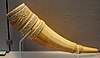
“Δοιαὶ γάρ τε πύλαι ἀμενηνῶν εἰσὶν ὀνείρων·
αἱ μὲν γὰρ κεράεσσι τετεύχαται, αἱ δ' ἐλέφαντι.
τῶν οἳ μέν κ' ἔλθωσι διὰ πριστοῦ ἐλέφαντος,
οἵ ῥ' ἐλεφαίρονται, ἔπε' ἀκράαντα φέροντες·
οἳ δὲ διὰ ξεστῶν κεράων ἔλθωσι θύραζε,
οἵ ῥ' ἔτυμα κραίνουσι, βροτῶν ὅτε κέν τις ἴδηται.
• Two gates there are for our evanescent dreams,
one is made of ivory, the other made of horn.
Those that pass through the ivory cleanly carved
are will-o'-the-wisps, their message bears no fruit.
The dreams that pass through the gates of polished horn
are fraught with truth, for the dreamer who can see them.”
αἱ μὲν γὰρ κεράεσσι τετεύχαται, αἱ δ' ἐλέφαντι.
τῶν οἳ μέν κ' ἔλθωσι διὰ πριστοῦ ἐλέφαντος,
οἵ ῥ' ἐλεφαίρονται, ἔπε' ἀκράαντα φέροντες·
οἳ δὲ διὰ ξεστῶν κεράων ἔλθωσι θύραζε,
οἵ ῥ' ἔτυμα κραίνουσι, βροτῶν ὅτε κέν τις ἴδηται.
• Two gates there are for our evanescent dreams,
one is made of ivory, the other made of horn.
Those that pass through the ivory cleanly carved
are will-o'-the-wisps, their message bears no fruit.
The dreams that pass through the gates of polished horn
are fraught with truth, for the dreamer who can see them.”
“Ὦ πέπον εἰ μὲν γὰρ πόλεμον περὶ τόνδε φυγόντε
αἰεὶ δὴ μέλλοιμεν ἀγήρω τ' ἀθανάτω τε
ἔσσεσθ', οὔτέ κεν αὐτὸς ἐνὶ πρώτοισι μαχοίμην
οὔτέ κε σὲ στέλλοιμι μάχην ἐς κυδιάνειραν·
νῦν δ' ἔμπης γὰρ κῆρες ἐφεστᾶσιν θανάτοιο
μυρίαι, ἃς οὐκ ἔστι φυγεῖν βροτὸν οὐδ' ὑπαλύξαι,
ἴομεν ἠέ τῳ εὖχος ὀρέξομεν ἠέ τις ἡμῖν.
• Man, supposing you and I, escaping this battle,
would be able to live on forever, ageless, immortal,
so neither would I myself go on fighting in the foremost,
nor would I urge you into the fighting where men win glory.
But now, seeing that the spirits of death stand close about us
in their thousands, no man can turn aside or escape them,
let us go on and win glory for ourselves, or yield it to others.”
αἰεὶ δὴ μέλλοιμεν ἀγήρω τ' ἀθανάτω τε
ἔσσεσθ', οὔτέ κεν αὐτὸς ἐνὶ πρώτοισι μαχοίμην
οὔτέ κε σὲ στέλλοιμι μάχην ἐς κυδιάνειραν·
νῦν δ' ἔμπης γὰρ κῆρες ἐφεστᾶσιν θανάτοιο
μυρίαι, ἃς οὐκ ἔστι φυγεῖν βροτὸν οὐδ' ὑπαλύξαι,
ἴομεν ἠέ τῳ εὖχος ὀρέξομεν ἠέ τις ἡμῖν.
• Man, supposing you and I, escaping this battle,
would be able to live on forever, ageless, immortal,
so neither would I myself go on fighting in the foremost,
nor would I urge you into the fighting where men win glory.
But now, seeing that the spirits of death stand close about us
in their thousands, no man can turn aside or escape them,
let us go on and win glory for ourselves, or yield it to others.”

“Νῶϊ δ' ἐνὶ κλισίῃ πίνοντέ τε δαινυμένω τε
κήδεσιν ἀλλήλων τερπώμεθα λευγαλέοισι
μνωομένω· μετὰ γάρ τε καὶ ἄλγεσι τέρπεται ἀνήρ,
ὅς τις δὴ μάλα πολλὰ πάθῃ καὶ πόλλ' ἐπαληθῇ.
• But let us, you and I,
sit in my cottage over food and wine,
and take some joy in hearing how much pain
we each have suffered. After many years
of agony and absence from one's home,
a person can begin enjoying grief.
• Alexander Pope's translation:
Here let us feast, and to the feast be joined
Discourse, the sweeter banquet of the mind;
Review the series of our lives, and taste
The melancholy joy of evils passed:
For he who much has suffered, much will know,
And pleased remembrance builds delight on woe.
• E. V. Rieu's translation:
Meanwhile let us two, here in the hut, over our food and wine, regale ourselves with the unhappy memories that each can recall. For a man who has been through bitter experiences and travelled far can enjoy even his sufferings after a time.”
κήδεσιν ἀλλήλων τερπώμεθα λευγαλέοισι
μνωομένω· μετὰ γάρ τε καὶ ἄλγεσι τέρπεται ἀνήρ,
ὅς τις δὴ μάλα πολλὰ πάθῃ καὶ πόλλ' ἐπαληθῇ.
• But let us, you and I,
sit in my cottage over food and wine,
and take some joy in hearing how much pain
we each have suffered. After many years
of agony and absence from one's home,
a person can begin enjoying grief.
• Alexander Pope's translation:
Here let us feast, and to the feast be joined
Discourse, the sweeter banquet of the mind;
Review the series of our lives, and taste
The melancholy joy of evils passed:
For he who much has suffered, much will know,
And pleased remembrance builds delight on woe.
• E. V. Rieu's translation:
Meanwhile let us two, here in the hut, over our food and wine, regale ourselves with the unhappy memories that each can recall. For a man who has been through bitter experiences and travelled far can enjoy even his sufferings after a time.”
“Ὡς δ' ὅτ' ἐν οὐρανῷ ἄστρα φαεινὴν ἀμφὶ σελήνην
φαίνετ' ἀριπρεπέα, ὅτε τ' ἔπλετο νήνεμος αἰθήρ·
ἔκ τ' ἔφανεν πᾶσαι σκοπιαὶ καὶ πρώονες ἄκροι
καὶ νάπαι· οὐρανόθεν δ' ἄρ' ὑπεῤῥάγη ἄσπετος αἰθήρ,
πάντα δὲ εἴδεται ἄστρα, γέγηθε δέ τε φρένα ποιμήν.
• As stars in the night sky glittering
round the moon's brilliance blaze in all their glory
when the air falls to a sudden, windless calm...
all the lookout peaks stand out and the jutting cliffs
and the steep ravines and down from the high heavens bursts
the boundless, bright air and all the stars shine clear
and the shepherd's heart exults.
• Alexander Pope's translation:
As when the moon, refulgent lamp of night,
O'er heaven's clear azure spreads her sacred light,
When not a breath disturbs the deep serene,
And not a cloud o'ercasts the solemn scene;
Around her throne the vivid planets roll,
And stars unnumbered gild the glowing pole,
O'er the dark trees a yellower verdure shed,
And tip with silver every mountain's head;
Then shine the vales, the rocks in prospect rise,
A flood of glory bursts from all the skies.”
φαίνετ' ἀριπρεπέα, ὅτε τ' ἔπλετο νήνεμος αἰθήρ·
ἔκ τ' ἔφανεν πᾶσαι σκοπιαὶ καὶ πρώονες ἄκροι
καὶ νάπαι· οὐρανόθεν δ' ἄρ' ὑπεῤῥάγη ἄσπετος αἰθήρ,
πάντα δὲ εἴδεται ἄστρα, γέγηθε δέ τε φρένα ποιμήν.
• As stars in the night sky glittering
round the moon's brilliance blaze in all their glory
when the air falls to a sudden, windless calm...
all the lookout peaks stand out and the jutting cliffs
and the steep ravines and down from the high heavens bursts
the boundless, bright air and all the stars shine clear
and the shepherd's heart exults.
• Alexander Pope's translation:
As when the moon, refulgent lamp of night,
O'er heaven's clear azure spreads her sacred light,
When not a breath disturbs the deep serene,
And not a cloud o'ercasts the solemn scene;
Around her throne the vivid planets roll,
And stars unnumbered gild the glowing pole,
O'er the dark trees a yellower verdure shed,
And tip with silver every mountain's head;
Then shine the vales, the rocks in prospect rise,
A flood of glory bursts from all the skies.”

Homer Quotes by Topic
Find exactly what you are looking for by browsing this categorized list of Homer quotes by topic.
Homer on Deity 8 quotes
View all 8 quotes on Deity →Homer on Work 6 quotes
View all 6 quotes on Work →Homer on Speech 6 quotes
“He, from whose lips divine persuasion flows.”

Homer on Fame 5 quotes
View all 5 quotes on Fame →What Homer Said About Others
Discover personal opinions Homer shared regarding contemporaries.
Homer on Women 4 quotes
View all 4 quotes on Women →Homer on Briseis 2 quotes
“He said, and soon, obeying his Intent, Patroclus brought Briseis from her Tent; Then to th’ intrusted Messengers resign’d: She wept, and often cast her Eyes behind;”
Homer on Palladas
“?”

Homer on Wives
“Andromache! my soul's far better part.”

Quotes About Homer
Gain deeper perspective through quotes about Homer from others.
Homeric "Hymn on Homer
O happy youth! on Homer
“O fortunate adolescens, qui tuae virtutis Homerum praeconem inveneris!”
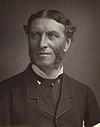
Matthew Arnold on Homer
“The translator of Homer should above all be penetrated by a sense of four qualities of his author:—that he is eminently rapid; that he is eminently plain and direct both in the evolution of his thought and in the expression of it, that is, both in his syntax and in his words; that he is eminently plain and direct in the substance of his thought, that is, in his matter and ideas; and, finally, that he is eminently noble.”
Joel Barlow on Homer
“Homer, for his astonishing variety, animation, and sublimity, has not a warmer admirer than myself; he has been for three thousand years, like a reigning sovereign, applauded as a matter of course, whether from love or fear; for no man with safety to his own character can refuse to join the chorus of his praise. I never can express (and his other admirers have not done it for me) the pleasure I receive from his poems; but in a view of philanthropy, I consider his existence as having been a serious misfortune to the human race. He has given to military life a charm which few men can resist, a splendor which envelopes the scenes of carnage in a cloud of glory, which dazzles the eyes of every beholder, steals from us our natural sensibilities in exchange for the artificial, debases men to brutes under the pretext of exalting them to gods, and obliterates with the same irresistible stroke the moral duties of life and the true policy of nations. Alexander is not the only human monster that has been formed after the model of Achilles; nor Persia and Egypt the only countries depopulated for no other reason than the desire of rivalling predecessors in military fame.”







Misattributed Quotes
Quotes mistakenly credited to Homer
About Homer
Homer (Ancient Greek: Ὅμηρος) is best known as the author of the Iliad and the Odyssey. He was believed by the ancient Greeks to have been the first and greatest of the epic poets. Author of the first known literature of Europe, he is central to the Western canon.