Herman Melville, Moby-Dick; or, The Whale (1851), chapter 58
“
Consider the subtleness of the sea; how its most dreaded creatures glide under water, unapparent for the most part, and treacherously hidden beneath the loveliest tints of azure. Consider also the devilish brilliance and beauty of many of its most remorseless tribes, as the dainty embellished shape of many species of sharks. Consider, once more, the universal cannibalism of the sea; all whose creatures prey upon each other, carrying on eternal war since the world began.
— Herman Melville on Wild animal suffering
What It Means
This is a placeholder explanation generated by the low-overhead model. It interprets "Consider the subtleness of the sea; how its most dreaded creatures glide under water, unapparent for the most part, and treacherously hidden beneath the loveliest tints of azure. Consider also the devilish brilliance and beauty of many of its most remorseless tribes, as the dainty embellished shape of many species of sharks. Consider, once more, the universal cannibalism of the sea; all whose creatures prey upon each other, carrying on eternal war since the world began." in the context of "Herman Melville, Moby-Dick; or, The Whale (1851), chapter 58" to mean that wisdom is timeless.
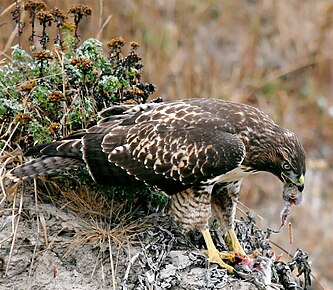
Source: Wikiquote: "Wild animal suffering" (M)
The 'What it means' explanation text was generated by Google Gemini Flash (accessed January 18, 2026). https://gemini.google.com/app
Tags

About Herman Melville
Herman Melville (1 August 1819 – 28 September 1891) was an American novelist, essayist, short story writer, and poet of the American Renaissance period.
About Herman Melville
Herman Melville (1 August 1819 – 28 September 1891) was an American novelist, essayist, short story writer, and poet of the American Renaissance period.
View all quotes →