Link Copied!
Constantine P. Cavafy Quotes (1863-1933)
Poet

About Constantine P. Cavafy
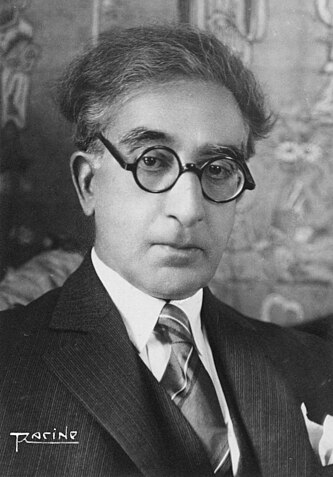
Constantine P. Cavafy, also known as Konstantin or Konstantinos Petrou Kavafis, or Kavaphes (Greek Κωνσταντίνος Π. Καβάφης) (29 April 1863 – 29 April 1933) was a Greek poet who is often ranked among most important literary figures of the 20th century.
Best Constantine P. Cavafy Quotes
Shortest
Earliest
Explore our curated collection of the most famous and impactful Constantine P. Cavafy quotes.
“From all I did and all I said
let no one try to find out who I was.”
let no one try to find out who I was.”

“If you are one of the truly elect,
be careful how you attain your eminence.”
be careful how you attain your eminence.”
“What are we waiting for, assembled in the forum?
The barbarians are due here today.”
“From my most unnoticed actions,
my most veiled writing —
from these alone will I be understood.”
my most veiled writing —
from these alone will I be understood.”
“He remembers impulses bridled, the joy
he sacrificed. Every chance he lost
now mocks his senseless caution.”
he sacrificed. Every chance he lost
now mocks his senseless caution.”


“One candle is enough. Its gentle light
will be more suitable, will be more gracious
when the Shades arrive, the Shades of Love.”
will be more suitable, will be more gracious
when the Shades arrive, the Shades of Love.”

“I'm practically broke and homeless.
This fatal city, Antioch,
has devoured all my money:
this fatal city with its extravagant life.”
This fatal city, Antioch,
has devoured all my money:
this fatal city with its extravagant life.”
“Things impolitic and dangerous:
praise for Greek ideals,
supernatural magic, visits to pagan temples.
Enthusiasm for the ancient gods”
praise for Greek ideals,
supernatural magic, visits to pagan temples.
Enthusiasm for the ancient gods”

“The greatest gods of our glorious Greece
appeared before you.
And if they left, don’t think for a minute
that they were frightened by a gesture.”
appeared before you.
And if they left, don’t think for a minute
that they were frightened by a gesture.”
“On hearing about powerful love, respond, be moved
like an aesthete. Only, fortunate as you’ve been,
remember how much your imagination created for you.”
like an aesthete. Only, fortunate as you’ve been,
remember how much your imagination created for you.”


“And if you can’t shape your life the way you want,
at least try as much as you can
not to degrade it
by too much contact with the world,
by too much activity and talk.”
at least try as much as you can
not to degrade it
by too much contact with the world,
by too much activity and talk.”
“Body, remember not only how much you were loved,
not only the beds you lay on,
but also those desires glowing openly
in eyes that looked at you,
trembling for you in voices.”
not only the beds you lay on,
but also those desires glowing openly
in eyes that looked at you,
trembling for you in voices.”
“And from this marvellous pan-Hellenic expedition,
triumphant, brilliant in every way,
celebrated on all sides, glorified
incomparable, we emerged:
the great new Hellenic world.”
triumphant, brilliant in every way,
celebrated on all sides, glorified
incomparable, we emerged:
the great new Hellenic world.”
“
I created you while I was happy, while I was sad,
with so many incidents, so many details.
And, for me, the whole of you has been transformed into feeling.
”
“Now the longed-for signal has appeared. Yet when happiness comes
it brings less joy than one expected.
But at least we've gained this much: we've rid ourselves
of hope and expectation.”
it brings less joy than one expected.
But at least we've gained this much: we've rid ourselves
of hope and expectation.”
“Guard, O my soul, against pomp and glory.
And if you cannot curb your ambitions,
at least pursue them hesitantly, cautiously.
And the higher you go,
the more searching and careful you need to be.”
And if you cannot curb your ambitions,
at least pursue them hesitantly, cautiously.
And the higher you go,
the more searching and careful you need to be.”
“The love they felt wasn’t, of course, what it once had been;
the attraction between them had gradually diminished,
the attraction had diminished a great deal.
But to be separated, that wasn’t what they themselves wanted.”
the attraction between them had gradually diminished,
the attraction had diminished a great deal.
But to be separated, that wasn’t what they themselves wanted.”
Constantine P. Cavafy Quotes by Topic
Find exactly what you are looking for by browsing this categorized list of Constantine P. Cavafy quotes by topic.
Constantine P. Cavafy on Barbarian 3 quotes
“What are we waiting for, assembled in the forum?The barbarians are due here today.”
Constantine P. Cavafy on Horror
Constantine P. Cavafy on Moment
“Of course many people will have much to say. We should listen. But we won't be deceived by words such as Indispensable, Unique, and Great. Someone else indispensable and unique and great can always be found at a moment's notice.”

What Constantine P. Cavafy Said About Others
Discover personal opinions Constantine P. Cavafy shared regarding contemporaries.
Constantine P. Cavafy on Julian (emperor) 5 quotes
View all 5 quotes on Julian (emperor) →Constantine P. Cavafy on Nero
“Nero wasn’t worried at all when he heard the utterance of the Delphic Oracle: “Beware the age of seventy-three.” Plenty of time to enjoy himself still. He’s thirty. The deadline the god has given him is quite enough to cope with future dangers. … And in Spain Galba secretly musters and drills his army — Galba, the old man in his seventy-third year.”

Quotes About Constantine P. Cavafy
Gain deeper perspective through quotes about Constantine P. Cavafy from others.
W. H. Auden on Constantine P. Cavafy 4 quotes
“Cavafy has three principal concerns: love, art, and politics in the original Greek sense. … As a witness, Cavafy is exceptionally honest. He neither bowdlerizes nor glamorizes nor giggles. The erotic world he depicts is one of casual pickups and short-lived affairs. Love, there, is rarely more than physical passion, and when tenderer emotions exist, they are almost always one-sided. At the same time, he refuses to pretend that his memories of sensual pleasure are unhappy or spoiled by feelings of guilt.”

Carmen Capri-Karka on Constantine P. Cavafy
“From his biographers we know how cautious and reserved Cavafy was, how reluctant to talk about himself. Although he frequented cafes and saw many people, his loneliness remained unalleviated. This poem is a rather unusual confession for the poet, especially since it comes so early in his life: Now that you've wasted your life here, in this small corner, you've destroyed it everywhere in the world. The "City" is a summing up of the poet's life, starting with the desire for escape, for a journey, the last hope for a new beginning and ending with the realization that the journey is impossible because once a life has been ruined in one city it will be the same in any other. What separates him from society will not change from city to city.”
E. M. Forster on Constantine P. Cavafy

James Longenbach on Constantine P. Cavafy
“He wrote consistently but almost never published through traditional means. There is nothing more detrimental to art, he maintained, than succumbing to “how the public thinks and what it likes and what it will buy.” … Whether Cavafy is describing an ancient political intrigue or an erotic encounter that occurred last week, his topic is the passage of time. … Earlier translators have, to varying degrees, rightly emphasized the prosaic flatness of Cavafy’s language; the flatness is crucial to the emotional power of the poems, since it prevents their irony from seeming caustic, their longing from seeming nostalgic.”
Peter C. Moskos on Constantine P. Cavafy
“The focal point of Greek-American cultural interest has definitely shifted in recent decades. Where formerly there was a somewhat affected and strained focus on classical Hellas, the contemporary awareness is much more in tune with the literature of modern Greece. This shift has almost been entirely due to the increasing availability of English translations of modern Greek writings, for not many American-born Greeks comfortably read novels or poetry in the original Greek. The beginnings of the new mood can be traced to the translations of the novels of Nikos Kazantzakis in the 1950s. These also stimulated interest in other Greek writers, notably the poets Constantine P. Cavafy, a product of the Greek diaspora in Alexandria, Egypt, and George Seferis, who won the Nobel literature prize in 1963.”
George Seferis on Constantine P. Cavafy
“He was a man who starts at a certain age with all signs showing that he's unable to produce anything of importance. And then, by refusing and refusing things which are offered him, in the end he finds, he sees, as they say; he becomes certain that he's found his own expression. It's a splendid example of a man who, through his refusals, finds his way.”
About Constantine P. Cavafy
Constantine P. Cavafy, also known as Konstantin or Konstantinos Petrou Kavafis, or Kavaphes (Greek Κωνσταντίνος Π. Καβάφης) (29 April 1863 – 29 April 1933) was a Greek poet who is often ranked among most important literary figures of the 20th century.
QuotesCosmos Cross-Civilizational Archive
Explore Related Wisdom Pillars, Worldviews & Canonical Works
Discover how humanity's greatest philosophers, sacred scriptures, and literary masterpieces address the core questions of existence.
30 Wisdom Pillars
22 Worldviews & Traditions
Canonical Books & Scriptures