Link Copied!
Aristippus Quotes (-435--356)
Philosopher

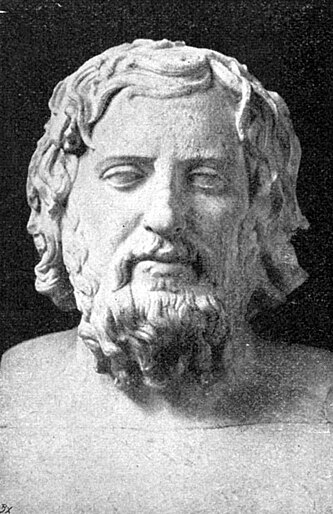
About Aristippus
Aristippus (c. 435 – c. 356 BCE) was a hedonistic Greek philosopher and the founder of the Cyrenaic school of philosophy. He was a pupil of Socrates, but adopted a very different philosophical outlook, teaching that the goal of life was to seek pleasure by adapting circumstances to oneself and by maintaining proper control over both adversity and prosperity.
Aristippus Quotes by Topic
Find exactly what you are looking for by browsing this categorized list of Aristippus quotes by topic.
Aristippus on Memorabilia (Xenophon) 2 quotes
“[Some animals,] you know, are so greedy, that in spite of extreme timidity in some cases, they are drawn irresistibly to the bait to get food, and are caught; and others are snared by drink.”
“Yes, certainly.”
“Others again—quails and partridges, for instance—are so amorous, that when they hear the cry of the female, they are carried away by desire and anticipation, throw caution to the winds and blunder into the nets. Is it not so?”
He agreed again.
“Now, don’t you think it disgraceful that a man should be in the same plight as the silliest of wild creatures?"”
Quotes About Aristippus
Gain deeper perspective through quotes about Aristippus from others.
About Aristippus
Aristippus (c. 435 – c. 356 BCE) was a hedonistic Greek philosopher and the founder of the Cyrenaic school of philosophy. He was a pupil of Socrates, but adopted a very different philosophical outlook, teaching that the goal of life was to seek pleasure by adapting circumstances to oneself and by maintaining proper control over both adversity and prosperity.
QuotesCosmos Cross-Civilizational Archive
Explore Related Wisdom Pillars, Worldviews & Canonical Works
Discover how humanity's greatest philosophers, sacred scriptures, and literary masterpieces address the core questions of existence.
30 Wisdom Pillars
22 Worldviews & Traditions
Canonical Books & Scriptures