A. E. Housman, The Name and Nature of Poetry: The Leslie Stephen Lecture delivered at Cambridge 9 May 1933 (1950), p. 33
“
The Wordsworthians, as Matthew Arnold told them, were apt to praise their poet for the wrong things. They were most attracted by what may be called his philosophy; they accepted his belief in the morality of the universe and the tendency of events to good; they were even willing to entertain his conception of nature as a living and sentient and benignant being, a conception as purely mythological as the Dryads and the Naiads.
— A. E. Housman on William Wordsworth
What It Means
This is a placeholder explanation generated by the low-overhead model. It interprets "The Wordsworthians, as Matthew Arnold told them, were apt to praise their poet for the wrong things. They were most attracted by what may be called his philosophy; they accepted his belief in the morality of the universe and the tendency of events to good; they were even willing to entertain his conception of nature as a living and sentient and benignant being, a conception as purely mythological as the Dryads and the Naiads." in the context of "A. E. Housman, The Name and Nature of Poetry: The Leslie Stephen Lecture delivered at Cambridge 9 May 1933 (1950), p. 33" to mean that wisdom is timeless.

Source: Wikiquote: "William Wordsworth" (Quotes about Wordsworth: Sorted alphabetically by author or source)
The 'What it means' explanation text was generated by Google Gemini Flash (accessed January 18, 2026). https://gemini.google.com/app
Tags
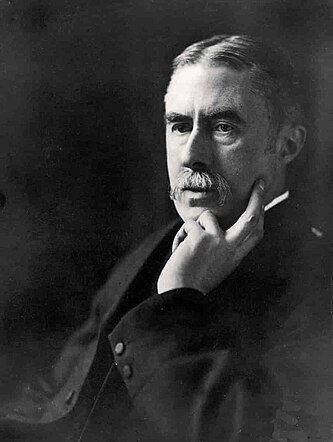
About A. E. Housman
Alfred Edward Housman (26 March 1859 – 30 April 1936), usually known as A.E. Housman, was an English poet and classical scholar, now best known for his cycle of poems A Shropshire Lad.
About A. E. Housman
Alfred Edward Housman (26 March 1859 – 30 April 1936), usually known as A.E. Housman, was an English poet and classical scholar, now best known for his cycle of poems A Shropshire Lad.
View all quotes →