In later years Housman liked to attribute the "morbid secretion" of poetry to illness, but it seems to have been a state of guilt that brought his poems into existence. His father's death revived long-suppressed conflicts between parental duty and the annihilating force of his "nameless and abominable" love. A catalyst in this process...may well have been the Oscar Wilde trial, which must have demonstrated to Housman's painfully conformist mind just how ruthlessly "the laws of God, the laws of man" were interpreted and enforced in Victorian England.
What It Means
This is a placeholder explanation generated by the low-overhead model. It interprets "In later years Housman liked to attribute the "morbid secretion" of poetry to illness, but it seems to have been a state of guilt that brought his poems into existence. His father's death revived long-suppressed conflicts between parental duty and the annihilating force of his "nameless and abominable" love. A catalyst in this process...may well have been the Oscar Wilde trial, which must have demonstrated to Housman's painfully conformist mind just how ruthlessly "the laws of God, the laws of man" were interpreted and enforced in Victorian England." in the context of "Michael Holroyd, 'The bitter-sweet draught', The Times (5 August 1971), p. 10" to mean that wisdom is timeless.
Tags
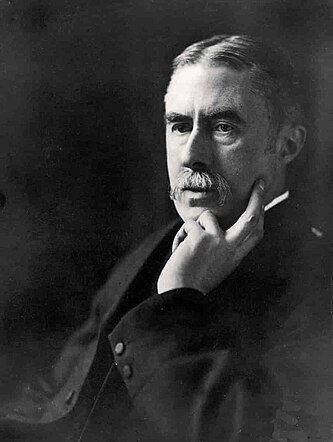
About A. E. Housman