Link Copied!
Taliesin Quotes (534-599)
Poet

About Taliesin
Taliesin (or Taliessin; c. 534 – c. 599) is the earliest poet in any Brittonic language whose work has survived. Although he probably composed in Cumbric, since the songs most surely attributed to him are praise poems to Urien Rheged, a warrior monarch of the Old North, these poems survive in Middle Welsh in the so-called Book of Taliesin, written down around the 13th century, along with about forty more of more dubious attribution. His name means "Radiant Brow" (tal iesin in Welsh). The book was translated by Robert Williams and published in The Four Ancient Books of Wales (1858) by W. F. Skene. These translations are notoriously unreliable, but few better have since appeared, due to the obscurity and compression of the verse.
Best Taliesin Quotes
Shortest
Earliest
Explore our curated collection of the most famous and impactful Taliesin quotes.
“And entreating his exalted weight,
Under the stars, saints he planted.”
Under the stars, saints he planted.”
“Multitudes, of beautiful works,
Believed, served with us.”
Believed, served with us.”

“Thrice three protections,
Returning to the old places,
With a steed used to the field.”
Returning to the old places,
With a steed used to the field.”

“I am old. I am young. I am Gwion,
I am universal, I am possessed of penetrating wit.”
I am universal, I am possessed of penetrating wit.”

“Who was confessor
To the gracious Son of Mary?
What was the most beneficial measure
Which Adam accomplished?”
To the gracious Son of Mary?
What was the most beneficial measure
Which Adam accomplished?”
“I was instructor
To the whole universe.
I shall be until the judgement
On the face of the Earth.”
To the whole universe.
I shall be until the judgement
On the face of the Earth.”


“While I was held prisoner, sweet inspiration educated me
and laws were imparted to me in a speech which had no words...”
and laws were imparted to me in a speech which had no words...”
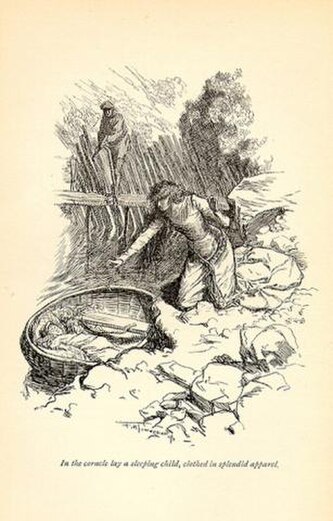
“Elphin of noble generosity,
Do not sorrow at your catch.
Though I am weak on the floor of my basket,
There are wonders on my tongue.”
Do not sorrow at your catch.
Though I am weak on the floor of my basket,
There are wonders on my tongue.”
“Twelve thousand in the convention
Believed through the voice of John.
They worship, they deserve a portion,
In heaven they will not be angry.”
Believed through the voice of John.
They worship, they deserve a portion,
In heaven they will not be angry.”
“Sure-hoofed is my steed impelled by the spur;
The high sprigs of alder are on thy shield;
Bran art thou called, of the glittering branches.”
The high sprigs of alder are on thy shield;
Bran art thou called, of the glittering branches.”
“Pleasant, the heath when it is green;
Also pleasant, the salt marsh for cattle.
Pleasant, the time when calves draw milk;
Also pleasant, foamy horsemanship.”
Also pleasant, the salt marsh for cattle.
Pleasant, the time when calves draw milk;
Also pleasant, foamy horsemanship.”

Taliesin Quotes by Topic
Find exactly what you are looking for by browsing this categorized list of Taliesin quotes by topic.
Taliesin on Inspiration
“While I was held prisoner, sweet inspiration educated me and laws were imparted to me in a speech which had no words...”
Taliesin on 7 (number)
Taliesin on Penance
“A pleasant virtue, extreme penance to an extreme course; Also pleasant, when God is delivering me. Pleasant, the carousal that hinders not mental exertion; Also pleasant, to drink together about horns.”

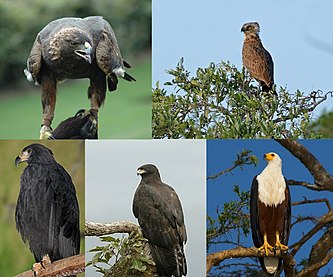
Taliesin on Eagles
“Let them make their war. Whence come night and day? Whence will the eagle become gray? Whence is it that night is dark? Whence is it that the linnet is green? The ebullition of the sea, How is it not seen?”
Quotes About Taliesin
Gain deeper perspective through quotes about Taliesin from others.
Source on Taliesin 5 quotes
“Am I not with hosts making a din? I would not cease, between two hosts, without gore. Am I not he that is called Gorlassar? My belt was a rainbow to my foe.”
This is part of the folk tradition of how the boy Gwion became Taliesin on Taliesin
“The Cauldron of Wisdom and Inspiration must be kept boiling for a year and a day, and then the first three drops from it would impart ultimate knowledge to the one who drank them. But the rest of the liquid would be deadly poison. Long labored Ceridwen, roaming far to find the rare and exotic herbs she required, and so it chanced that she fell asleep on the last day of the spell. The boy Gwion was stirring the brew when three drops flew out onto his thumb, and they were scalding hot, so that he thrust it into his mouth to stop the burning. Instantly, he had the wisdom and inspiration of ages, and the first thing that occurred to him was that Ceridwen would be very angry.”
Thomas Gray on Taliesin
“Hear from the grave, great Taliessin, hear; They breathe a soul to animate thy clay. Bright Rapture calls, and soaring, as she sings, Waves in the eye of Heav'n her many-colour'd wings.”

About Taliesin
Taliesin (or Taliessin; c. 534 – c. 599) is the earliest poet in any Brittonic language whose work has survived. Although he probably composed in Cumbric, since the songs most surely attributed to him are praise poems to Urien Rheged, a warrior monarch of the Old North, these poems survive in Middle Welsh in the so-called Book of Taliesin, written down around the 13th century, along with about forty more of more dubious attribution. His name means "Radiant Brow" (tal iesin in Welsh). The book was translated by Robert Williams and published in The Four Ancient Books of Wales (1858) by W. F. Skene. These translations are notoriously unreliable, but few better have since appeared, due to the obscurity and compression of the verse.