Rainer Maria Rilke Quotes (1875-1926)



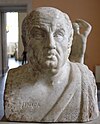




About Rainer Maria Rilke
Best Rainer Maria Rilke Quotes
Explore our curated collection of the most famous and impactful Rainer Maria Rilke quotes.




who have experience of the willow's roots.”


Leg deinen Schatten auf die Sonnenuhren,
und auf den Fluren laß die Winde los.”
verlorne Geliebte, Nimmergekommene,
nicht weiß ich, welche Töne dir lieb sind.
Nicht mehr versuch ich, dich, wenn das Kommende wogt,
zu erkennen.”
Oh Orpheus sings! Oh tall tree in the ear!
And all things hushed. Yet even in that silence
a new beginning, beckoning, change appeared.”
with eyes like ripening fruit. And yet his torso
is still suffused with brilliance from inside,
like a lamp, in which his gaze, now turned to low,
gleams in all its power.”
endliche Taten wie schwache Fontänen,
die sich zeitig und zitternd neigen.
Aber, die sich uns sonst verschweigen,
unsere fröhlichen Kräfte—zeigen
sich in diesen tanzenden Tränen.”


man entwöhnt sich des Irdischen sanft, wie man den Brüsten
milde der Mutter entwächst. Aber wir, die so große
Geheimnisse brauchen, denen aus Trauer so oft
seliger Fortschritt entspringt –: könnten wir sein ohne sie?”
beneath the translucent cascade of the shoulders
and would not glisten like a wild beast's fur:
would not, from all the borders of itself,
burst like a star: for here there is no place
that does not see you. You must change your life.”



Die nächste Flut verwischt den Weg im Watt,
und alles wird auf allen Seiten gleich;
die kleine Insel draußen aber hat
die Augen zu; verwirrend kreist der Deich
um ihre Wohner, die in einem Schlaf
geboren werden, drin sie viele Welten
verwechseln schweigend, denn sie reden selten,
und jeder Satz ist wie ein Epitaph

Ordnungen? und gesetzt selbst, es nähme
einer mich plötzlich ans Herz: ich verginge von seinem
stärkeren Dasein. Denn das Schöne ist nichts
als des Schrecklichen Anfang, den wir noch grade ertragen,
und wir bewundern es so, weil es gelassen verschmäht,
uns zu zerstören. Ein jeder Engel ist schrecklich.”
Niemandes Schlaf zu sein unter soviel
Lidern.
• Translation: Rose, oh pure contradiction, desire,
To be no one's sleep under so many
Lids.
• Rilke wrote his own epitaph sometime before October 27, 1925. He requested that it be inscribed on his gravestone. This was fifteen months before his death. (Translation: John J.L.Mood)”



wirf mir die Ohren zu: ich kann dich hören,
und ohne Füße kann ich zu dir gehn,
und ohne Mund noch kann ich dich beschwören.
Brich mir die Arme ab,ich fasse dich
mit meinem Herzen wie mit einer Hand,
halt mir das Herz zu, und mein Hirn wird schlagen,
und wirfst du in mein Hirn den Brand,
so werd ich dich auf meinem Blute tragen.”
um jede Stunde zu weihen.
Ich bin auf der Welt zu gering und doch nicht klein genug,
um vor dir zu sein wie ein Ding,
dunkel und klug.
Ich will meinen Willen und will meinen Willen begleiten
die Wege zur Tat;
und will in stillen, irgendwie zörgernden Zeiten,
wenn etwas naht,
unter den Wissenden sein
oder allein.”
ach, ich sah sie mit solcher
Hoffnung. Ein offenes Fenster
im Landhaus—, und du tratest beinahe
mir nachdenklich heran. Gassen fand ich,—
du warst sie gerade gegangen,
und die spiegel manchmal der Läden der Händler
waren noch schwindlich von dir und gaben erschrocken
mein zu plötzliches Bild.—Wer weiß, ob derselbe
Vogel nicht hinklang durch uns
gestern, einzeln, im Abend?”

Sterne dir zu, daß du sie spürtest. Es hob
sich eine Woge heran im Vergangenen, oder
da du vorüberkamst am geöffneten Fenster,
gab eine Geige sich hin. Das alles war Auftrag.
Aber bewältigtest du's? Warst du nicht immer
noch von Erwartung zer streut, als kündigte alles
eine Geliebte dir an? (Wo willst du sie bergen,
da doch die großen fremden Gedanken bei dir
aus und ein gehn und öfters bleiben bei Nacht.)”
I am so afraid of people's words.
They describe so distinctly everything:
And this they call dog and that they call house,
here the start and there the end.
I worry about their mockery with words,
they know everything, what will be, what was;
no mountain is still miraculous;
and their house and yard lead right up to God.
I want to warn and object: Let the things be!
I enjoy listening to the sound they are making.
But you always touch: and they hush and stand still.
That's how you kill.

Diese Mühsal, durch noch Ungetanes
schwer und wie gebunden hinzugehen,
gleicht dem ungeschaffnen Gang des Schwanes.
Und das Sterben, dieses Nichtmehrfassen
jenes Grunds, auf dem wir täglich stehen,
seinem ängstlichen Sich-Niederlassen—:
in die Wasser, die ihn sanft empfangen
und die sich, wie glücklich und vergangen,
unter ihm zurückziehn, Flut um Flut;
während er unendlich still und sicher
immer mündiger und königlicher
und gelassener zu ziehn geruht.
sie nicht an deine rührt? Wie soll ich sie
hinheben über dich zu andern Dingen?
Ach gerne möchte ich sie bei irgendetwas
Verlorenem im Dunkel unterbringen
an einer fremden stillen Stelle, die
nicht weiterschwingt, wenn diene Tiefen schwingen.
Doch alles, was uns anrührt, dich und mich,
nimmt uns zusammen wie ein Bogenstrich,
die aus zwei Saiten eine Stimme zieht.
Auf welches Instrument sind wir gespannt?
Und welcher Geiger hat uns in der Hand?
O süßes Lied.”
Verzicht und Ziel. O unbewußte Lust.
Auf einmal Schrecken, Schranke, Schule, Frohne
und Absturtz in Versuchung und Verlust.
Trotz. Der Gebogene wird selber Bieger
und rächt an anderen, daß er erlag.
Geliebt, gefürchtet, Retter, Ringer, Sieger
und Überwinder, Schlag auf Schlag.
Und dann allein im Weiten, Leichten, Kalten.
Doch tief in der errichteten Gestalt
ein Atemholen nach dem Ersten, Alten...
Da stürzte Gott aus seinem Hinterhalt.
”Sein Blick ist vom Vorübergehen der Stäbe
so müd geworden, daß er nichts mehr hält.
Ihm ist, als ob es tausend Stäbe gäbe
und hinter tausend Stäben keine Welt.
Der weiche Gang geschmeidig starker Schritte,
der sich im allerkleinsten Kreise dreht,
ist wie ein Tanz von Kraft um eine Mitte,
in der betäubt ein großer Wille steht.
Nur manchmal schiebt der Vorhang der Pupille
sich lautlos auf—. Dann geht ein Bild hinein,
geht durch der Glieder angespannte Stille—
und hört im Herzen auf zu sein.
To love is good, too: love being difficult. For one human being to love another: that is perhaps the most difficult of all our tasks, the ultimate, the last test and proof, the work for which all other work is but preparation.”
Schon ist mein Blick am Hügel, dem besonnten,
dem Wege, den ich kaum begann, voran.
So fasst uns das, was wir nicht fassen konnten,
voller Erscheinung, aus der Ferne an—
und wandelt uns, auch wenn wirs nicht erreichen,
in jenes, das wir, kaum es ahnend, sind;
ein Zeichen weht, erwidernd unserm Zeichen...
Wir aber spüren nur den Gegenwind.
•
Alternate translation:
My eyes already touch the sunny hill,
going far ahead of the road I have begun.
So we are grasped by what we cannot grasp;
it has its inner light, even from a distance—
and changes us, even if we do not reach it,
into something else, which, hardly sensing it, we already are;
a gesture waves us on, answering our own wave . . .
but what we feel is the wind in our faces.
• Variant: Have patience with everything unresolved in your heart and to try to love the questions themselves as if they were locked rooms or books written in a very foreign language. Don't search for the answers, which could not be given to you now, because you would not be able to live them. And the point is, to live everything. Live the questions now. Perhaps then, someday far in the future, you will gradually, without even noticing it, live your way into the answer. (Translation by Stephen Mitchell)”
Rainer Maria Rilke Quotes by Topic
Find exactly what you are looking for by browsing this categorized list of Rainer Maria Rilke quotes by topic.
Rainer Maria Rilke on God 2 quotes
Rainer Maria Rilke on Ageing 2 quotes

Rainer Maria Rilke on Blame
Rainer Maria Rilke on Professional

What Rainer Maria Rilke Said About Others
Discover personal opinions Rainer Maria Rilke shared regarding contemporaries.
Rainer Maria Rilke on Lou Andreas-Salomé 2 quotes

Rainer Maria Rilke on Maiden
Rainer Maria Rilke on Georg Trakl
Quotes About Rainer Maria Rilke
Gain deeper perspective through quotes about Rainer Maria Rilke from others.
Drunk from the Bitter Truth: The Poems of Anna Margolin on Rainer Maria Rilke
Shirley Kumove on Rainer Maria Rilke
Ursula Le Guin on Rainer Maria Rilke
Rebecca Solnit on Rainer Maria Rilke