Link Copied!
Nagarjuna Quotes (150-250)
Philosopher
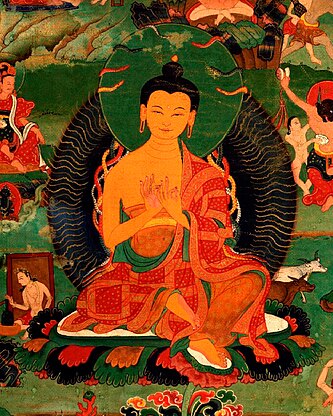






About Nagarjuna
Nāgārjuna (c. 150 – 250), sometimes called the "second Buddha" in Tibetan and East Asian Mahayana traditions, was an Indian Buddhist monk and philosopher. He systematized Mahayana Buddhist philosophy around the central concept of the emptiness (shunyata) of all existents (dharmas).
Best Nagarjuna Quotes
Shortest
Earliest
Explore our curated collection of the most famous and impactful Nagarjuna quotes.
“If you think you see both
Destruction and becoming,
Then you see destruction and becoming
Through impaired vision.”
Destruction and becoming,
Then you see destruction and becoming
Through impaired vision.”
“"I am not, I will not be.
I have not, I will not have."
That frightens all the childish
And extinguishes fear in the wise.”
I have not, I will not have."
That frightens all the childish
And extinguishes fear in the wise.”
“Even three times a day to offer
Three hundred cooking pots of food
Does not match a portion of the merit
In one instant of love.”
Three hundred cooking pots of food
Does not match a portion of the merit
In one instant of love.”
“"I, without grasping will pass beyond sorrow,
And I will attain nirvāṇa," one says.
Whoever grasps like this
Has great grasping.”
And I will attain nirvāṇa," one says.
Whoever grasps like this
Has great grasping.”

“Although you may spend your life killing,
You will not exhaust all your foes.
But if you quell your own anger,
your real enemy will be slain.”
You will not exhaust all your foes.
But if you quell your own anger,
your real enemy will be slain.”
“Even if you seek to harm an enemy,
You should remove your own defects and cultivate good qualities.
Through that you will help yourself,
And the enemy will be displeased.”
You should remove your own defects and cultivate good qualities.
Through that you will help yourself,
And the enemy will be displeased.”
“There is pleasure when a sore is scratched,
But to be without sores is more pleasurable still.
Just so, there are pleasures in worldly desires,
But to be without desires is more pleasurable still.”
But to be without sores is more pleasurable still.
Just so, there are pleasures in worldly desires,
But to be without desires is more pleasurable still.”
“The accomplishments of a teacher of ants
Are but accomplishments for earning a living.
But the study of the termination of earthly incarnation—
Why should that not be the accomplishment?”
Are but accomplishments for earning a living.
But the study of the termination of earthly incarnation—
Why should that not be the accomplishment?”
“To those possessed of breeding, learning, handsome looks,
Who have no wisdom, neither discipline, you need not bow.
But those who do have these two qualities,
Though lacking other virtues, you should revere.”
Who have no wisdom, neither discipline, you need not bow.
But those who do have these two qualities,
Though lacking other virtues, you should revere.”
Nagarjuna Quotes by Topic
Find exactly what you are looking for by browsing this categorized list of Nagarjuna quotes by topic.
Nagarjuna on Discipline
Nagarjuna on Learning
Nagarjuna on Pragmatism
Nagarjuna on Worldliness
Quotes About Nagarjuna
Gain deeper perspective through quotes about Nagarjuna from others.
Massimo Introvigne on Nagarjuna
“Dr. Hong [Tao-Tze, master of the qigong menpai Tai Ji Men,] and his dizi had a very painful experience of what the “lack of conscience” is. The lack of conscience of corrupted bureaucrats and officers created the Tai Ji Men case. The great Buddhist sage Nagarjuna (150–250) wrote in his “Treatise on the Great Perfection of Wisdom” that the greatest master is the one capable of “changing poison into medicine.” It is because they experienced the poison of the lack of conscience that Dr. Hong and his dizi were able to administer to the world the medicine of conscience. That we celebrate today the International Day of Conscience proves that the medicine has been effective.”

About Nagarjuna
Nāgārjuna (c. 150 – 250), sometimes called the "second Buddha" in Tibetan and East Asian Mahayana traditions, was an Indian Buddhist monk and philosopher. He systematized Mahayana Buddhist philosophy around the central concept of the emptiness (shunyata) of all existents (dharmas).