Not from any known translation of the Meditations. Quote is attributed to Marcus Aurelius, e.g. in the 2006 book: Personal Best: 10 lessons to help you achieve your true potential, page 195. The quote could be a paraphrase of a line at Meditations iv. 3: "that things do not take hold upon the mind, but stand without unmoved, and that disturbances come only from the judgement within" (Farquharson translation)
Investigating the source of the quote, Zachary G. Augustine, 2017

You have power over your mind – not outside events. Realize this, and you will find strength.

— Marcus Aurelius

What It Means

This is a placeholder explanation generated by the low-overhead model. It interprets "You have power over your mind – not outside events. Realize this, and you will find strength." in the context of "Not from any known translation of the Meditations. Quote is attributed to Marcus Aurelius, e.g. in the 2006 book: Personal Best: 10 lessons to help you achieve your true potential, page 195. The quote could be a paraphrase of a line at Meditations iv. 3: "that things do not take hold upon the mind, but stand without unmoved, and that disturbances come only from the judgement within" (Farquharson translation)
Investigating the source of the quote, Zachary G. Augustine, 2017" to mean that wisdom is timeless.
Source: Wikiquote: "Marcus Aurelius" (Misattributed) The 'What it means' explanation text was generated by Google Gemini Flash (accessed January 18, 2026). https://gemini.google.com/app
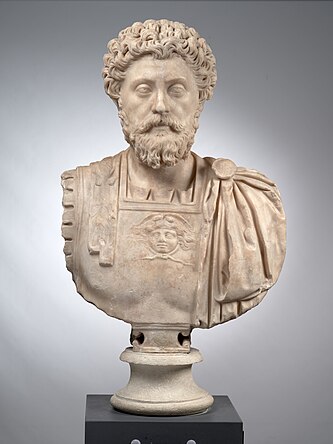
Marcus Aurelius

About Marcus Aurelius

Marcus Aurelius Antoninus (26 April 121 – 17 March 180) was Roman emperor from 161 to 180 and a Stoic philosopher. He was the last of the rulers known as the Five Good Emperors (a term coined some 13 centuries later by Niccolò Machiavelli), and the last emperor of the Pax Romana (27 BC to 180), an age of relative peace and stability for the Roman Empire. He served as Roman consul in 140, 145, and 161.