Link Copied!
Julia Alvarez Quotes (1950-)
Poet, Novelist


About Julia Alvarez
Julia Alvarez (born March 27, 1950) is a Dominican-American poet, novelist, and essayist.
Best Julia Alvarez Quotes
Shortest
Earliest
Explore our curated collection of the most famous and impactful Julia Alvarez quotes.
“...the furious whir of the Singer.”
“My gay friends ask, Well are you gay or what?”
“The pies browned, the pastries puckered
in the cavernous oven I waited to open.”
in the cavernous oven I waited to open.”
“The uncles ate seconds and rose in a chorus
...empty plates glowed like the eyes of the spellbound.”
...empty plates glowed like the eyes of the spellbound.”
“But my house, though protected
with charms, can't block the spell mortality
has cast... I turn thirty-three.”
with charms, can't block the spell mortality
has cast... I turn thirty-three.”
“My friend Carol says aging evens out
the advantage of beautiful women
over plain ones. ...
Where are the girls who were beautiful?”
the advantage of beautiful women
over plain ones. ...
Where are the girls who were beautiful?”
“...the aunts stopped in in the middle of swallows,
heads cocked... as if they had heard
...their own baby crying.
It needed a pinch more of saffron? Paprika?”
heads cocked... as if they had heard
...their own baby crying.
It needed a pinch more of saffron? Paprika?”
“what I know from experience: that writing is a vocation and a practice over a lifetime, with its ups and downs. It teaches me humility, the great democracy of each time having to start over.”

“Gloved with two potholders, I listened
while she told me not long ago
a girl could not marry until she could roll
her dough so transparent her beloved
could read his Bible through it.”
while she told me not long ago
a girl could not marry until she could roll
her dough so transparent her beloved
could read his Bible through it.”
“I dreamed of stretching my pastry dough out
to cover the earth with a crust so fine
my love would think it was nothing
but the world at his feet,
baked by the summer sun,
dusted with cinnamon.”
to cover the earth with a crust so fine
my love would think it was nothing
but the world at his feet,
baked by the summer sun,
dusted with cinnamon.”
“It's UPS
with two parcels! ...
a handsome lad, guesses it's my birthday
and asks how old I am. He acts surprised
he's a decade younger. We linger at the door
one of us is not immortal anymore.”
with two parcels! ...
a handsome lad, guesses it's my birthday
and asks how old I am. He acts surprised
he's a decade younger. We linger at the door
one of us is not immortal anymore.”
“Writing is hard work, a huge commitment of time, energy, faith, passion, and there’s nothing shameful in the attempt, even if the work doesn’t end up succeeding. I’d rather let someone else do the public culling — I’m exacting enough in private.”
“threading her needles, winding her threads;
the spools sat in their rods in the sewing box,
ends tucked in the notch on the flat tops,
a palette of greens, laurel, mint, olive, aquamarine,
shorts, skirts, blouses, dresses, and nightgowns—
better than storebought.”
the spools sat in their rods in the sewing box,
ends tucked in the notch on the flat tops,
a palette of greens, laurel, mint, olive, aquamarine,
shorts, skirts, blouses, dresses, and nightgowns—
better than storebought.”
“I like to start the writing day with poetry; like the choir master sounding a note on his pipe, it sets the standard high (“No approximate words in a poem,” Dickinson says) and puts me in the right register. Novels are great for breaks — a reward and relief from the labors of writing.”
“The tarragon dotted the rice in the cauldron.
And now, as if signaled, the spice jars popped open,
unladened their far east wonders:
cumin, turmeric, saffron, and endives.
The aunts each put in a shake of their favorites.
The steam unwrinkled their frowns from their faces.”
And now, as if signaled, the spice jars popped open,
unladened their far east wonders:
cumin, turmeric, saffron, and endives.
The aunts each put in a shake of their favorites.
The steam unwrinkled their frowns from their faces.”
“I'm watching a romantic play
in Plato's cave; half the time I don't
believe in it...
Other times I'm so addicted I'm one of the mainliners...
hallucinating that in truth a man's
body is one of the Absolute Forms.
I look around when the houselights come on
and see no one!”
in Plato's cave; half the time I don't
believe in it...
Other times I'm so addicted I'm one of the mainliners...
hallucinating that in truth a man's
body is one of the Absolute Forms.
I look around when the houselights come on
and see no one!”
“I’m more in the Faulkner tradition. I’m writing my Spanish in English. Florid, flowing, expansive, rococo sounds, the sonority of Spanish closer to the Latin roots than the English, which has been also infused with Anglo Saxon, Germanic words. Really, it’s part of my English. It’s how I write English.”
“Are we all with acute loneliness,
chronic patients trying to recover
the will to love?
...Sometimes the love
of another wounded one acts like a salve
which soothes the dying self but cannot heal
our lives. And perhaps this is what it feels
like to be human, and we are all well?”
chronic patients trying to recover
the will to love?
...Sometimes the love
of another wounded one acts like a salve
which soothes the dying self but cannot heal
our lives. And perhaps this is what it feels
like to be human, and we are all well?”
“(What moves you most in a work of literature?) JA: Accuracy of language and perception — the writer is not striving for effect and gets out of the way to let us see the world through the lens of language. I love what the poet Stanley Kunitz said about dreaming of “an art so transparent that you can look through and see the world.” That pretty much sums up what I most admire in a work of literature.”

“History, I was learning, is the story we tell ourselves about what really happened. My task as a writer/novelist was to try to get as many versions of that reality and then imaginatively construct the story. The fact that there were so many versions of what really happened should not surprise us: After all, we experience history as individuals through our particular characters, personalities, points of view. This reality of how we live history ideally suits the form of a novel, which focuses on “the truth according to character.”

“I was driving down the mountain, the curves
were bad, I wasn't going slow, the day
was one of those that takes your breath away...
On hilltops, I made believe I'd take off
into the absolute, but as I swerved
again and again...
and as the sun's
autumnal, soporific light shone on...
something gave in me and I let go—
this driving need to make it all mean more.
In time, I turned the wheel back to the road.”
“Even though they’re that unit of four sisters, they’re also individuals. One will find her way of integrating that transition or failing at it, but I think that throughout, the telling of stories – the mother tells stories, the father tells stories and the daughters tell stories to each other – becomes the string in the labyrinth for them. Storytelling. Stories create meaning and structure out of the chaos. They are a blueprint for experience. I think that is part of how they’re all helped, some more successfully than others.”
Julia Alvarez Quotes by Topic
Find exactly what you are looking for by browsing this categorized list of Julia Alvarez quotes by topic.
Julia Alvarez on Labyrinth
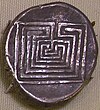
“I remember the whirr and whine of her black Singer, the gold traceries on the cast iron rod by the wheel that lifted and lowered the needle. Threading, eyepieces, winding the turquoise string through hooks, around miniscule wheels, up and down, her Ariadne hands clever in labyrinths,..”
Julia Alvarez on One Thousand and One Nights
“[M]y auntie, Tití, who was the reader in the family, gave me a picture book version of “The Arabian Nights,” and I was smitten. Scheherazade, the young heroine, was a girl who looked Dominican, dark eyed, dark hair, olive skin. Then, the whole idea of a girl saving her life and that of all women in the kingdom and transforming a cruel sultan by telling stories. That book put a luminous bit of information in my head: that stories have power, that they can transform you and save you.”

What Julia Alvarez Said About Others
Discover personal opinions Julia Alvarez shared regarding contemporaries.
Julia Alvarez on Rosario Ferré
Julia Alvarez on Stanley Kunitz
“I love what the poet Stanley Kunitz said about dreaming of “an art so transparent that you can look through and see the world.” That pretty much sums up what I most admire in a work of literature.”
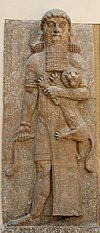
Julia Alvarez on Gilgamesh
“I have a bit of an obsession with Gilgamesh, the earliest surviving work of literature, which comes to us in fragments. Not that people should be surprised if I owned a copy or two by different translators, but I have a whole shelf of adaptations and translations. There’s something I find compelling about the story: what makes a human(e) being, what constitutes bravery, how do we deal with loss, the transformative possibilities of love. I first got hooked with Herbert Mason’s adaptation, then found David Ferry’s excellent translation, Yusef Komunyakaa’s verse play, Gardner/Maier’s translation, Stephen Mitchell’s poetic interpretation. There’s even a graphic novel version by Kent and Kevin Dixon. The fact that the story has survived this long in so many renditions means I’m not the only one captivated by this ancient story.”
Julia Alvarez on Jean Rhys
“of the five collected novels, the one that hit home the hardest was Voyage in the Dark. Reading it was a painful voyage into my own cluelessness and powerlessness, a voyage that many young women of my generation, on the cusp of the women's movement, had embarked upon...Rhys's portrayals of young women who fall prey to rapacious situations, canaries in the mine shaft of patriarchy, smart girls with nowhere to go but the wrong man's arms or Anna Karenina's train tracks, spoke to many of us embarking on our journeys...by allowing her female characters a full range of feelings and not airbrushing them into simple virtuous victimhood, Rhys liberates us all from the danger of a single, monochrome self and story...That ability to imagine a life so intimately and richly is Jean Rhys's gift to us. For that she should have been knighted. Instead, I'd like to imagine her even rather happy (perhaps!) with what her stories have become: food to nourish all our souls.”
Julia Alvarez on Laura Bush
“The White House has disinvited the poets/to a cultural tea in honor of poetry/after the Secret Service got wind of a plot/to fill Mrs. Bush’s ears with anti-war verse./Were they afraid the poets might persuade/a sensitive girl who always loved to read,/a librarian who stocked the shelves with Poe/and Dickinson? Or was she herself afraid/to be swayed by the cooing doves, and live at odds/with the screaming hawks in her family?/The Latina maids are putting away the cups/and the silver spoons, sad to be missing out/on música they seldom get to hear/in the hallowed halls. . . The valet sighs/as he rolls the carpets up and dusts the blinds./Damn but a little Langston would be good/in this dreary mausoleum of a place!/Why does the White House have to be so white?/The chef from Baton Rouge is starved for verse/uncensored by Homeland Security./NO POETRY UNTIL FURTHER NOTICE!/Instead the rooms are vacuumed and set up/for closed-door meetings planning an attack/against the ones who always bear the brunt/of silencing: the poor, the powerless,/the ones who serve, those bearing poems, not arms./So why be afraid of us, Mrs. Bush?/you’re married to a scarier fellow./We bring you tidings of great joy-/not only peace but poetry on earth.”

Quotes About Julia Alvarez
Gain deeper perspective through quotes about Julia Alvarez from others.
Elizabeth Martinez on Julia Alvarez
“In the worlds of film and television, cultural gringoism is almost pathetic. Mainsteam recognition of Chicano and Chicana homegrown authors did not begin until the discovery that the Raza world could be colorful, amusing, exotic, magical. Rarely was that world projected as full of anger at racism, struggles for justice or revolutions of the body and spirit by women as well as men. Now come the new books of Julia Alvarez and Demetria Martínez, both with radical political themes. They have garnered flattering reviews, but profound political or social questions raised in both books have gone ignored; most critics seem happier with the romancing...Julia Alvarez, now a professor at Middlebury College, was brought to the United States at age ten by her family to escape Trujillo's repression. After her first successful and lighter book, How the Garcia Girls Lost Their Accents, Alvarez took up the challenging task of telling the story of the butterflies. Some Dominicans have berated the author for supposed errors. The book isn't perfect reading; it tells almost nothing about issues of class and color or the Afro-Dominican experience, for example. But the book remains a treasure, for Alvarez has told a story unknown to most people in this country and told it unforgettably. In her last message about the butterflies, the author says: "by making them myth, we lost the Mirabals once more, dismissing the challenge of their courage as impossible for us, ordinary men and women." This she seeks to correct by making them real people, whose courage is thus made real, too.”

Luz María Umpierre on Julia Alvarez
“In writing about Margarita and Julia, I received a sign in the fall of 1986 that these poems were complete and ready to emerge. I met two women poets who have these names and who have had an impact in my life: Margaret Randall and Julia Álvarez.”
About Julia Alvarez
Julia Alvarez (born March 27, 1950) is a Dominican-American poet, novelist, and essayist.