Link Copied!
Henry Wadsworth Longfellow Quotes (1807-1882)
Poet
Portrait View:
Copperplate Engraving (#FAF9F6) · Switch to Original or Inspect Full




































































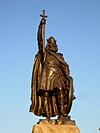




































About Henry Wadsworth Longfellow
Henry Wadsworth Longfellow (27 February 1807 – 24 March 1882) was an American poet and one of the five members of the group known as the Fireside Poets.
Best Henry Wadsworth Longfellow Quotes
Shortest
Earliest
Explore our curated collection of the most famous and impactful Henry Wadsworth Longfellow quotes.
“Books are sepulchres of thought.”
“The star of the unconquered will.”
“Hospitality sitting with Gladness.”


“Into a world unknown,—the corner-stone of a nation.”

“All are architects of Fate,
Working in these walls of Time.”
Working in these walls of Time.”

“He speaketh not; and yet there lies
A conversation in his eyes.”
A conversation in his eyes.”

“But oftentimes celestial benedictions
Assume this dark disguise.”
Assume this dark disguise.”
“The hooded clouds, like friars,
Tell their beads in drops of rain.”
Tell their beads in drops of rain.”
“And in the wreck of noble lives
Something immortal still survives.”
Something immortal still survives.”
“O thou child of many prayers!
Life hath quicksands; life hath snares!”
Life hath quicksands; life hath snares!”
“"Beware the pine tree's withered branch!
Beware the awful avalanche!"”
Beware the awful avalanche!"”
“A traveller, by the faithful hound,
Half-buried in the snow was found.”
Half-buried in the snow was found.”
“A town that boasts inhabitants like me
Can have no lack of good society.”
Can have no lack of good society.”

“Safe from temptation, safe from sin's pollution,
She lives whom we call dead.”
She lives whom we call dead.”
“There is no greater sorrow
Than to be mindful of the happy time
In misery.”
Than to be mindful of the happy time
In misery.”
“For Time will teach thee soon the truth,
There are no birds in last year's nest!”
There are no birds in last year's nest!”

“For his heart was in his work, and the heart
Giveth grace unto every Art.”
Giveth grace unto every Art.”

“Standing, with reluctant feet,
Where the brook and river meet,
Womanhood and childhood fleet!”
Where the brook and river meet,
Womanhood and childhood fleet!”

“We often excuse our own want of philanthropy by giving the name of fanaticism to the more ardent zeal of others.”
“The grave itself is but a covered bridge,
Leading from light to light, through a brief darkness!”
Leading from light to light, through a brief darkness!”

“And as she looked around, she saw how Death the consoler,
Laying his hand upon many a heart, had healed it forever.”
Laying his hand upon many a heart, had healed it forever.”
“Every great poem is in itself limited by necessity, — but in its suggestions unlimited and infinite.”
“Silently one by one, in the infinite meadows of heaven,
Blossomed the lovely stars, the forget-me-nots of the angels.”
Blossomed the lovely stars, the forget-me-nots of the angels.”
“A feeling of sadness and longing,
That is not akin to pain,
And resembles sorrow only
As the mist resembles the rain.”
That is not akin to pain,
And resembles sorrow only
As the mist resembles the rain.”
“Let us, then, be up and doing.
With a heart for any fate;
Still achieving, still pursuing,
Learn to labor and to wait.”
With a heart for any fate;
Still achieving, still pursuing,
Learn to labor and to wait.”

“Not from the grand old masters,
Not from the bards sublime,
Whose distant footsteps echo
Through the corridors of Time.”
Not from the bards sublime,
Whose distant footsteps echo
Through the corridors of Time.”
“In the elder days of Art,
Builders wrought with greatest care
Each minute and unseen part;
For the gods see everywhere.”
Builders wrought with greatest care
Each minute and unseen part;
For the gods see everywhere.”
“Where'er a noble deed is wrought,
Where'er is spoken a noble thought,
Our hearts in glad surprise
To higher levels rise.”
Where'er is spoken a noble thought,
Our hearts in glad surprise
To higher levels rise.”
“A Lady with a Lamp shall stand
In the great history of the land,
A noble type of good,
Heroic womanhood.”
In the great history of the land,
A noble type of good,
Heroic womanhood.”
“Great is the art of beginning, but greater the art is of ending;
Many a poem is marred by a superfluous verse.”
Many a poem is marred by a superfluous verse.”

“Oh, fear not in a world like this,
And thou shalt know erelong,—
Know how sublime a thing it is
To suffer and be strong.”
And thou shalt know erelong,—
Know how sublime a thing it is
To suffer and be strong.”
“My soul is full of longing
For the secret of the Sea,
And the heart of the great ocean
Sends a thrilling pulse through me.”
For the secret of the Sea,
And the heart of the great ocean
Sends a thrilling pulse through me.”

“Chorus of the Eumenides:
With useless endeavour
Forever, forever,
Is Sisyphus rolling
His stone up the mountain!”
With useless endeavour
Forever, forever,
Is Sisyphus rolling
His stone up the mountain!”
“Life is real! Life is earnest!
And the grave is not its goal;
Dust thou art, to dust returnest,
Was not spoken of the soul.”
And the grave is not its goal;
Dust thou art, to dust returnest,
Was not spoken of the soul.”

“It was the schooner Hesperus,
That sailed the wintry sea;
And the skipper had taken his little daughter,
To bear him company.”
That sailed the wintry sea;
And the skipper had taken his little daughter,
To bear him company.”
“The day is done, and the darkness
Falls from the wings of Night,
As a feather is wafted downward
From an eagle in his flight.”
Falls from the wings of Night,
As a feather is wafted downward
From an eagle in his flight.”
“Emigravit is the inscription on the tomb-stone where he lies;
Dead he is not, but departed, — for the artist never dies.”
Dead he is not, but departed, — for the artist never dies.”
“Perseverance is a great element of success. If you only knock long enough and loud enough at the gate, you are sure to wake up somebody.”
“Lives of great men all remind us
We can make our lives sublime,
And departing, leave behind us
Footprints on the sands of time;”
We can make our lives sublime,
And departing, leave behind us
Footprints on the sands of time;”
“She knew the life-long martyrdom,
The weariness, the endless pain
Of waiting for some one to come
Who nevermore would come again.”
The weariness, the endless pain
Of waiting for some one to come
Who nevermore would come again.”
“No one is so accursed by fate,
No one so utterly desolate,
But some heart, though unknown,
Responds unto his own.”
No one so utterly desolate,
But some heart, though unknown,
Responds unto his own.”
“Trust no future, howe'er pleasant!
Let the dead Past bury its dead!
Act, act in the living present!
Heart within, and God o'erhead!”
Let the dead Past bury its dead!
Act, act in the living present!
Heart within, and God o'erhead!”
“Come, read to me some poem,
Some simple and heartfelt lay,
That shall soothe this restless feeling,
And banish the thoughts of day.”
Some simple and heartfelt lay,
That shall soothe this restless feeling,
And banish the thoughts of day.”
“Stronger than steel is the sword of the Spirit;
Swifter than arrows, the light of the truth;
Greater than anger is love that subdueth.”
Swifter than arrows, the light of the truth;
Greater than anger is love that subdueth.”
“Ye are better than all the ballads
That ever were sung or said;
For ye are living poems,
And all the rest are dead.”
That ever were sung or said;
For ye are living poems,
And all the rest are dead.”
“I know a maiden fair to see,
Take care!
She can both false and friendly be,
Beware! Beware!
Trust her not,
She is fooling thee.”
Take care!
She can both false and friendly be,
Beware! Beware!
Trust her not,
She is fooling thee.”
“St. Augustine! well hast thou said,
That of our vices we can frame
A ladder, if we will but tread
Beneath our feet each deed of shame!”
That of our vices we can frame
A ladder, if we will but tread
Beneath our feet each deed of shame!”
“I stood on the bridge at midnight,
As the clocks were striking the hour,
And the moon rose o'er the city,
Behind the dark church-tower.”
As the clocks were striking the hour,
And the moon rose o'er the city,
Behind the dark church-tower.”
“But the great Master said, "I see
No best in kind, but in degree;
I gave a various gift to each,
To charm, to strengthen, and to teach.”
No best in kind, but in degree;
I gave a various gift to each,
To charm, to strengthen, and to teach.”
“Such was the wreck of the Hesperus,
In the midnight and the snow!
Christ save us all from a death like this,
On the reef of Norman's Woe!”
In the midnight and the snow!
Christ save us all from a death like this,
On the reef of Norman's Woe!”

“There is no Death! What seems so is transition;
This life of mortal breath
Is but a suburb of the life elysian,
Whose portal we call Death.”
This life of mortal breath
Is but a suburb of the life elysian,
Whose portal we call Death.”

“Nothing useless is, or low;
Each thing in its place is best;
And what seems but idle show
Strengthens and supports the rest.”
Each thing in its place is best;
And what seems but idle show
Strengthens and supports the rest.”
“Who ne'er his bread in sorrow ate,
Who ne'er the mournful midnight hours
Weeping upon his bed has sate,
He knows you not, ye Heavenly Powers.”
Who ne'er the mournful midnight hours
Weeping upon his bed has sate,
He knows you not, ye Heavenly Powers.”
“There is no flock, however watched and tended,
But one dead lamb is there!
There is no fireside, howsoe'er defended,
But has one vacant chair!”
But one dead lamb is there!
There is no fireside, howsoe'er defended,
But has one vacant chair!”
“Build me straight, O worthy Master!
Stanch and strong, a goodly vessel,
That shall laugh at all disaster,
And with wave and whirlwind wrestle!”
Stanch and strong, a goodly vessel,
That shall laugh at all disaster,
And with wave and whirlwind wrestle!”
“Art is long, and Time is fleeting,
And our hearts, though stout and brave,
Still, like muffled drums, are beating
Funeral marches to the grave.”
And our hearts, though stout and brave,
Still, like muffled drums, are beating
Funeral marches to the grave.”
“I heard the trailing garments of the Night
Sweep through her marble halls!
I saw her sable skirts all fringed with light
From the celestial walls!”
Sweep through her marble halls!
I saw her sable skirts all fringed with light
From the celestial walls!”
“O suffering, sad humanity!
O ye afflicted ones, who lie
Steeped to the lips in misery,
Longing, yet afraid to die,
Patient, though sorely tried!”
O ye afflicted ones, who lie
Steeped to the lips in misery,
Longing, yet afraid to die,
Patient, though sorely tried!”
“Footprints, that perhaps another,
Travelling o'er life's solemn main,
A forlorn and shipwrecked brother,
Seeing, shall take heart again.”
Travelling o'er life's solemn main,
A forlorn and shipwrecked brother,
Seeing, shall take heart again.”
“Something the heart must have to cherish,
Must love and joy and sorrow learn;
Something with passion clasp, or perish
And in itself to ashes burn.”
Must love and joy and sorrow learn;
Something with passion clasp, or perish
And in itself to ashes burn.”
“Between the dark and the daylight,
When the night is beginning to lower,
Comes a pause in the day's occupation,
That is known as the Children's Hour.”
When the night is beginning to lower,
Comes a pause in the day's occupation,
That is known as the Children's Hour.”
“Though the mills of God grind slowly, yet they grind exceeding small;
Though with patience he stands waiting, with exactness grinds he all.”
Though with patience he stands waiting, with exactness grinds he all.”
“What land is this? Yon pretty town
Is Delft, with all its wares displayed:
The pride, the market-place, the crown
And centre of the Potter's trade.”
Is Delft, with all its wares displayed:
The pride, the market-place, the crown
And centre of the Potter's trade.”
“Tell me not, in mournful numbers,
"Life is but an empty dream!"
For the soul is dead that slumbers,
And things are not what they seem.”
"Life is but an empty dream!"
For the soul is dead that slumbers,
And things are not what they seem.”
“And fast through the midnight dark and drear,
Through the whistling sleet and snow,
Like a sheeted ghost the vessel swept
Toward the reef of Norman's Woe.”
Through the whistling sleet and snow,
Like a sheeted ghost the vessel swept
Toward the reef of Norman's Woe.”
“Time has laid his hand
Upon my heart, gently, not smiting it,
But as a harper lays his open palm
Upon his harp, to deaden its vibrations.”
Upon my heart, gently, not smiting it,
But as a harper lays his open palm
Upon his harp, to deaden its vibrations.”
“It is the fate of a woman
Long to be patient and silent, to wait like a ghost that is speechless,
Till some questioning voice dissolves the spell of its silence.”
Long to be patient and silent, to wait like a ghost that is speechless,
Till some questioning voice dissolves the spell of its silence.”
“Build on, and make thy castles high and fair,
Rising and reaching upward to the skies;
Listen to voices in the upper air,
Nor lose thy simple faith in mysteries.”
Rising and reaching upward to the skies;
Listen to voices in the upper air,
Nor lose thy simple faith in mysteries.”
“Our hearts, our hopes, are all with thee,
Our hearts, our hopes, our prayers, our tears,
Our faith triumphant o'er our fears,
Are all with thee,—are all with thee!”
Our hearts, our hopes, our prayers, our tears,
Our faith triumphant o'er our fears,
Are all with thee,—are all with thee!”
“The heights by great men reached and kept
Were not attained by sudden flight,
But they, while their companions slept,
Were toiling upward in the night.”
Were not attained by sudden flight,
But they, while their companions slept,
Were toiling upward in the night.”
“The first pressure of sorrow crushes out from our hearts the best wine; afterwards the constant weight of it brings forth bitterness, — the taste and stain from the lees of the vat.”
“Thou, too, sail on, O Ship of State!
Sail on, O Union, strong and great!
Humanity with all its fears,
With all the hopes of future years,
Is hanging breathless on thy fate!”
Sail on, O Union, strong and great!
Humanity with all its fears,
With all the hopes of future years,
Is hanging breathless on thy fate!”
“The holiest of all holidays are those
Kept by ourselves in silence and apart;
The secret anniversaries of the heart,
When the full river of feeling overflows.”
Kept by ourselves in silence and apart;
The secret anniversaries of the heart,
When the full river of feeling overflows.”
“Spake full well, in language quaint and olden,
One who dwelleth by the castled Rhine,
When he called the flowers, so blue and golden,
Stars, that in earth's firmament do shine.”
One who dwelleth by the castled Rhine,
When he called the flowers, so blue and golden,
Stars, that in earth's firmament do shine.”

“And now, my classmates; ye remaining few
That number not the half of those we knew,
Ye, against whose familiar names not yet
The fatal asterisk of death is set,
Ye I salute!”
That number not the half of those we knew,
Ye, against whose familiar names not yet
The fatal asterisk of death is set,
Ye I salute!”
“O Bells of San Blas in vain
Ye call back the Past again;
The Past is deaf to your prayer!
Out of the shadows of night
The world rolls into light;
It is daybreak everywhere.”
Ye call back the Past again;
The Past is deaf to your prayer!
Out of the shadows of night
The world rolls into light;
It is daybreak everywhere.”
“For age is opportunity no less
Than youth itself, though in another dress,
And as the evening twilight fades away
The sky is filled with stars, invisible by day.”
Than youth itself, though in another dress,
And as the evening twilight fades away
The sky is filled with stars, invisible by day.”
“The tragic element in poetry is like Saturn in alchemy, — the Malevolent, the Destroyer of Nature ; but without it no true Aurum Potabile, or Elixir of Life, can be made.”
“Look not mournfully into the Past. It comes not back again. Wisely improve the Present. It is thine. Go forth to meet the shadowy Future, without fear, and with a manly heart.”

“Three Silences there are: the first of speech,
The second of desire, the third of thought;
This is the lore a Spanish monk, distraught
With dreams and visions, was the first to teach.”
The second of desire, the third of thought;
This is the lore a Spanish monk, distraught
With dreams and visions, was the first to teach.”
“Under a spreading chestnut-tree
The village smithy stands;
The smith, a mighty man is he,
With large and sinewy hands;
And the muscles of his brawny arms
Are strong as iron bands.”
The village smithy stands;
The smith, a mighty man is he,
With large and sinewy hands;
And the muscles of his brawny arms
Are strong as iron bands.”
“The trees are white with dust, that o'er their sleep
Wave their broad curtains in the south-wind's breath,
While underneath such leafy tents they keep
The long, mysterious Exodus of Death.”
Wave their broad curtains in the south-wind's breath,
While underneath such leafy tents they keep
The long, mysterious Exodus of Death.”
“There was a little girl,
Who had a little curl,
Right in the middle of her forehead.
When she was good,
She was very good indeed,
But when she was bad she was horrid.”
Who had a little curl,
Right in the middle of her forehead.
When she was good,
She was very good indeed,
But when she was bad she was horrid.”
“The shades of night were falling fast,
As through an Alpine village passed
A youth, who bore, 'mid snow and ice,
A banner with the strange device,
Excelsior!”
As through an Alpine village passed
A youth, who bore, 'mid snow and ice,
A banner with the strange device,
Excelsior!”
“Were half the power that fills the world with terror,
Were half the wealth bestowed on camps and courts,
Given to redeem the human mind from error,
There were no need of arsenals and forts.”
Were half the wealth bestowed on camps and courts,
Given to redeem the human mind from error,
There were no need of arsenals and forts.”
“Listen, my children, and you shall hear
Of the midnight ride of Paul Revere,
On the eighteenth of April, in Seventy-five;
Hardly a man is now alive
Who remembers that famous day and year.”
Of the midnight ride of Paul Revere,
On the eighteenth of April, in Seventy-five;
Hardly a man is now alive
Who remembers that famous day and year.”
“One, if by land, and two, if by sea;
And I on the opposite shore will be,
Ready to ride and spread the alarm
Through every Middlesex village and farm
For the country folk to be up and to arm.”
And I on the opposite shore will be,
Ready to ride and spread the alarm
Through every Middlesex village and farm
For the country folk to be up and to arm.”
“I like that ancient Saxon phrase, which calls
The burial-ground God's-Acre! It is just;
It consecrates each grave within its walls,
And breathes a benison o'er the sleeping dust.”
The burial-ground God's-Acre! It is just;
It consecrates each grave within its walls,
And breathes a benison o'er the sleeping dust.”
“And see! she stirs!
She starts,—she moves,—she seems to feel
The thrill of life along her keel,
And, spurning with her foot the ground,
With one exulting, joyous bound,
She leaps into the ocean's arms!”
She starts,—she moves,—she seems to feel
The thrill of life along her keel,
And, spurning with her foot the ground,
With one exulting, joyous bound,
She leaps into the ocean's arms!”
“Toiling,—rejoicing,—sorrowing,
Onward through life he goes;
Each morning sees some task begin,
Each evening sees it close;
Something attempted, something done,
Has earned a night's repose.”
Onward through life he goes;
Each morning sees some task begin,
Each evening sees it close;
Something attempted, something done,
Has earned a night's repose.”
“Let him not boast who puts his armor on
As he who puts it off, the battle done.
Study yourselves; and most of all note well
Wherein kind Nature meant you to excel.
Not every blossom ripens into fruit.”
As he who puts it off, the battle done.
Study yourselves; and most of all note well
Wherein kind Nature meant you to excel.
Not every blossom ripens into fruit.”
“Thus, seamed with many scars
Bursting these prison bars,
Up to its native stars
My soul ascended!
There from the flowing bowl
Deep drinks the warrior's soul,
Skoal! to the Northland! skoal!
—Thus the tale ended.”
Bursting these prison bars,
Up to its native stars
My soul ascended!
There from the flowing bowl
Deep drinks the warrior's soul,
Skoal! to the Northland! skoal!
—Thus the tale ended.”
“Don Quixote thought he could have made beautiful bird-cages and toothpicks if his brain had not been so full of ideas of chivalry. Most people would succeed in small things, if they were not troubled with great ambitions.”
“Thine was the prophet's vision, thine
The exaltation, the divine
Insanity of noble minds,
That never falters nor abates,
But labors and endures and waits,
Till all that it foresees it finds
Or what it can not find creates.”
The exaltation, the divine
Insanity of noble minds,
That never falters nor abates,
But labors and endures and waits,
Till all that it foresees it finds
Or what it can not find creates.”
“This is the forest primeval. The murmuring pines and the hemlocks,
Bearded with moss, and in garments green, indistinct in the twilight,
Stand like Druids of eld, with voices sad and prophetic,
Stand like harpers hoar, with beards that rest on their bosoms.”
Bearded with moss, and in garments green, indistinct in the twilight,
Stand like Druids of eld, with voices sad and prophetic,
Stand like harpers hoar, with beards that rest on their bosoms.”
“The scholar and the world! The endless strife,
The discord in the harmonies of life!
The love of learning, the sequestered nooks,
And all the sweet serenity of books;
The market-place, the eager love of gain,
Whose aim is vanity, and whose end is pain!”
The discord in the harmonies of life!
The love of learning, the sequestered nooks,
And all the sweet serenity of books;
The market-place, the eager love of gain,
Whose aim is vanity, and whose end is pain!”

“Talk not of wasted affection, affection never was wasted;
If it enrich not the heart of another, its waters, returning
Back to their springs, like the rain, shall fill them full of refreshment;
That which the fountain sends forth returns again to the fountain.”
If it enrich not the heart of another, its waters, returning
Back to their springs, like the rain, shall fill them full of refreshment;
That which the fountain sends forth returns again to the fountain.”
“In the valley of the Pegnitz, where, across broad meadow-lands,
Rise the blue Franconian mountains, Nuremburg, the ancient, stands.Quaint old town of toil and traffic, quaint old town of art and song,
Memories haunt thy pointed gables, like the rooks that round them throng.”
Rise the blue Franconian mountains, Nuremburg, the ancient, stands.Quaint old town of toil and traffic, quaint old town of art and song,
Memories haunt thy pointed gables, like the rooks that round them throng.”
“I feel a kind of reverence for the first books of young authors. There is so much aspiration in them, so much audacious hope and trembling fear, so much of the heart's history, that all errors and short-comings are for a while lost sight of in the amiable self-assertion of youth.”
“Ye have slept on the ground before,
And started to your feet
At the cannon’s sudden roar,
Or the drum’s redoubling beat. But in this camp of Death
No sound your slumber breaks;
Here is no fevered breath,
No wound that bleeds and aches.”
And started to your feet
At the cannon’s sudden roar,
Or the drum’s redoubling beat. But in this camp of Death
No sound your slumber breaks;
Here is no fevered breath,
No wound that bleeds and aches.”
“Thus departed Hiawatha,
Hiawatha the Beloved,
In the glory of the sunset,
In the purple mists of evening,
To the regions of the home-wind,
Of the Northwest-Wind, Keewaydin,
To the Islands of the Blessed,
To the Kingdom of Ponemah,
To the Land of the Hereafter!”
Hiawatha the Beloved,
In the glory of the sunset,
In the purple mists of evening,
To the regions of the home-wind,
Of the Northwest-Wind, Keewaydin,
To the Islands of the Blessed,
To the Kingdom of Ponemah,
To the Land of the Hereafter!”
“Our ingress into the world
Was naked and bare;
Our progress through the world
Is trouble and care;
Our egress from the world
Will be nobody knows where;
But if we do well here
We shall do well there;
And I could tell you no more,
Should I preach a whole year!”
Was naked and bare;
Our progress through the world
Is trouble and care;
Our egress from the world
Will be nobody knows where;
But if we do well here
We shall do well there;
And I could tell you no more,
Should I preach a whole year!”
“But as he warmed and glowed, in his simple and eloquent language,
Quite forgetful of self, and full of the praise of his rival,
Archly the maiden smiled, and, with eyes over-running with laughter,
Said, in a tremulous voice, "Why don't you speak for yourself, John?"”
Quite forgetful of self, and full of the praise of his rival,
Archly the maiden smiled, and, with eyes over-running with laughter,
Said, in a tremulous voice, "Why don't you speak for yourself, John?"”
“I am more afraid of deserving criticism than of receiving it. I stand in awe of my own opinion. The secret demerits of which we alone, perhaps, are conscious, are often more difficult to bear than those which have been publicly censured in us, and thus in some degree atoned for.”

“Alike were they free from
Fear, that reigns with the tyrant, and envy, the vice of republics.
Neither locks had they to their doors, nor bars to their windows;
But their dwellings were open as day and the hearts of their owners;
There the richest was poor, and the poorest lived in abundance.”
Fear, that reigns with the tyrant, and envy, the vice of republics.
Neither locks had they to their doors, nor bars to their windows;
But their dwellings were open as day and the hearts of their owners;
There the richest was poor, and the poorest lived in abundance.”
“Sail forth into the sea of life,
O gentle, loving, trusting wife,
And safe from all adversity
Upon the bosom of that sea
Thy comings and thy goings be!
For gentleness and love and trust
Prevail o'er angry wave and gust;
And in the wreck of noble lives
Something immortal still survives.”
O gentle, loving, trusting wife,
And safe from all adversity
Upon the bosom of that sea
Thy comings and thy goings be!
For gentleness and love and trust
Prevail o'er angry wave and gust;
And in the wreck of noble lives
Something immortal still survives.”
“Doubtless criticism was originally benignant, pointing out the beauties of a work, rather than its defects. The passions of men have made it malignant, as the bad heart of Procrustes turned the bed, the symbol of repose, into an instrument of torture.”
“Never here, forever there,
Where all parting, pain, and care,
And death, and time shall disappear,—
Forever there, but never here!
The horologe of Eternity
Sayeth this incessantly,—
"Forever — never!
Never — forever!"”
Where all parting, pain, and care,
And death, and time shall disappear,—
Forever there, but never here!
The horologe of Eternity
Sayeth this incessantly,—
"Forever — never!
Never — forever!"”
“Authors have a greater right than any copyright, though it is generally unacknowledged or disregarded. They have a right to the reader's civility. There are favorable hours for reading a book, as for writing it, and to these the author has a claim. Yet many people think that when they buy a book they buy with it the right to abuse the author.”
“When we reflect that all the aspects of Nature, all the emotions of the soul, and all the events of life, have been the subjects of poetry for hundreds and thousands of years, we can hardly wonder that there should be so many resemblances and coincidences of expression among poets, but rather that they are not more numerous and more striking.”
“Art is the child of Nature; yes,
Her darling child, in whom we trace
The features of the mother's face,
Her aspect and her attitude,
All her majestic loveliness
Chastened and softened and subdued
Into a more attractive grace,
And with a human sense imbued.
He is the greatest artist, then,
Whether of pencil or of pen,
Who follows Nature.”
“All is repose and peace,
Untrampled lies the sod;
The shouts of battle cease,
It is the Truce of God! Rest, comrades, rest and sleep!
The thoughts of men shall be
As sentinels to keep
Your rest from danger free. Your silent tents of green
We deck with fragrant flowers;
Yours has the suffering been,
The memory shall be ours.”
“The warriors that fought for their country, and bled,
Have sunk to their rest; the damp earth is their bed;
No stone tells the place where their ashes repose,
Nor points out the spot from the graves of their foes. They died in their glory, surrounded by fame,
And Victory's loud trump their death did proclaim;
They are dead; but they live in each Patriot's breast,
And their names are engraven on honor's bright crest.”
“The Laws of Nature are just, but terrible. There is no weak mercy in them. Cause and consequence are inseparable and inevitable. The elements have no forbearance. The fire burns, the water drowns, the air consumes, the earth buries. And perhaps it would be well for our race if the punishment of crimes against the Laws of Man were as inevitable as the punishment of crimes against the Laws of Nature, — were Man as unerring in his judgments as Nature.”
“Chorus of the Eumenides:
Never by lapse of time
The soul defaced by crime
Into its former self returns again;
For every guilty deed
Holds in itself the seed
Of retribution and undying pain.Never shall be the loss
Restored, till Helios
Hath purified them with his heavenly fires;
Then what was lost is won,
And the new life begun,
Kindled with nobler passions and desires.”
“"Let us build such a church, that those who come after us shall take us for madmen," said the old canon of Seville, when the great cathedral was planned. Perhaps through every mind passes some such thought, when it first entertains the design of a great and seemingly impossible action, the end of which it dimly foresees. This divine madness enters more or less into all our noblest undertakings.”
“Round about what is, lies a whole mysterious world of might be, — a psychological romance of possibilities and things that do not happen. By going out a few minutes sooner or later, by stopping to speak with a friend at a corner, by meeting this man or that, or by turning down this street instead of the other, we may let slip some great occasion of good, or avoid some impending evil, by which the whole current of our lives would have been changed. There is no possible solution to the dark enigma but the one word, "Providence".”
“"Ah! this beautiful world!" said Flemming, with a smile. "Indeed, I know not what to think of it. Sometimes it is all gladness and sunshine, and Heaven itself lies not far off. And then it changes suddenly; and is dark and sorrowful, and clouds shut out the sky. In the lives of the saddest of us, there are bright days like this, when we feel as if we could take the great world in our arms and kiss it. Then come the gloomy hours, when the fire will neither burn on our hearths nor in our hearts; and all without and within is dismal, cold, and dark. Believe me, every heart has its secret sorrows, which the world knows not, and oftentimes we call a man cold, when he is only sad."”

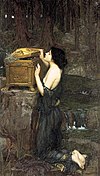
“Pandora: [waking]
I am alone. These faces in the mirrors
Are but the shadows and phantoms of myself;
They cannot help nor hinder. No one sees me,
Save the all-seeing Gods...
She lifts the lid. A dense mist rises from the chest
and fills the room. Pandora falls senseless on
the floor. Storm without. Chorus of Dreams from the Gate of Horn:
Fever of the heart and brain,
Sorrow, pestilence, and pain,
Moans of anguish, maniac laughter,
All the evils that hereafter
Shall afflict and vex mankind,
All into the air have risen
From the chambers of their prison;
Only Hope remains behind.”
“Ah, how wonderful is the advent of spring! — the great annual miracle of the blossoming of Aaron's rod, repeated on myriads and myriads of branches! — the gentle progression and growth of herbs, flowers, trees, — gentle and yet irrepressible, — which no force can stay, no violence restrain, like love, that wins its way and cannot be withstood by any human power, because itself is divine power. If spring came but once in a century, instead of once a year, or burst forth with the sound of an earthquake, and not in silence, what wonder and expectation there would be in all hearts to behold the miraculous change! But now the silent succession suggests nothing but necessity. To most men only the cessation of the miracle would be miraculous and the perpetual exercise of God's power seems less wonderful than its withdrawal would be.”

“I think I have proved, by profound researches,
The error of all those doctrines so vicious
Of the old Areopagite Dyonisius,
That are making such terrible work in the churches,
By Michael the Stammerer sent from the East,
And done into Latin by that Scottish beast,
Erigena Johannes, who dares to maintain,
In the face of the truth, the error infernal,
That the universe is and must be eternal;
At first laying down, as a fact fundamental,
That nothing with God can be accidental;
Then asserting that God before the creation
Could not have existed, because it is plain
That, had he existed, he would have created;
Which is begging the question that should be debated,
And moveth me less to anger than laughter.
All nature, he holds, is a respiration
Of the Spirit of God, who, in breathing hereafter
Will inhale it into his bosom again,
So that nothing but God alone will remain.”
Henry Wadsworth Longfellow Quotes by Topic
Find exactly what you are looking for by browsing this categorized list of Henry Wadsworth Longfellow quotes by topic.
Henry Wadsworth Longfellow on Love 12 quotes
View all 12 quotes on Love →Henry Wadsworth Longfellow on Death 10 quotes
View all 10 quotes on Death →Henry Wadsworth Longfellow on Poetry about love 9 quotes
View all 9 quotes on Poetry about love →Henry Wadsworth Longfellow on Nature 8 quotes
View all 8 quotes on Nature →Henry Wadsworth Longfellow on Time 7 quotes
View all 7 quotes on Time →What Henry Wadsworth Longfellow Said About Others
Discover personal opinions Henry Wadsworth Longfellow shared regarding contemporaries.
Henry Wadsworth Longfellow on Women 3 quotes
“Like a fair lily on a river floating She floats upon the river of his thoughts.”

Henry Wadsworth Longfellow on Wives 2 quotes
View all 2 quotes on Wives →Henry Wadsworth Longfellow on Mother Nature 2 quotes
“Nature with folded hands seemed there, Kneeling at her evening prayer!”

Henry Wadsworth Longfellow on Florence Nightingale 2 quotes
“A Lady with a Lamp shall stand In the great history of the land, A noble type of good. Heroic womanhood.”

Quotes About Henry Wadsworth Longfellow
Gain deeper perspective through quotes about Henry Wadsworth Longfellow from others.
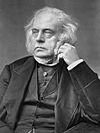
John Bright on Henry Wadsworth Longfellow
“I would like to ask you if you have ever read what I consider the greatest of poems of the United States—that is, Longfellow's Song of Hiawatha ... And then through that poem you have descriptions of Indian life and Indian legends which to me are of inexpressible beauty; and I do not hesitate to say, as far as my reading has led me to judge, that that is a poem that deserves to live, and will live; and at this moment it is the finest poem of any length that has been produced by any writer of the United States.”
Naomi Shihab Nye on Henry Wadsworth Longfellow
“I wish I had known you, Longfellow, but truly I did, as a small reader with a book cracked wide, speaking aloud on the old wooden stairs of my grandparents' home, saying your words, between the daylight and the dark, swinging them like small lanterns which have brought me to this place by your bed on a late day in June, in your yellow house by the giant linden tree, still wondering at words and the length of a mattress.”

Katherine D. Tillman on Henry Wadsworth Longfellow
“Another poem that appeals to all bold, courageous souls in "The Warning," by Henry Wadsworth Longfellow, who, some critics aver, won more English hearts over to the anti-slavery cause than did the "Quaker Poet.”

About Henry Wadsworth Longfellow
Henry Wadsworth Longfellow (27 February 1807 – 24 March 1882) was an American poet and one of the five members of the group known as the Fireside Poets.