Gerard Manley Hopkins, letter to Robert Bridges (6 November 1887)
“
What is there in Dryden? Much, but above all this: he is the most masculine of our poets; his style and his rhythms lay the strongest stress of all our literature on the naked thew and sinew of the English language.
— Gerard Manley Hopkins on John Dryden
What It Means
This is a placeholder explanation generated by the low-overhead model. It interprets "What is there in Dryden? Much, but above all this: he is the most masculine of our poets; his style and his rhythms lay the strongest stress of all our literature on the naked thew and sinew of the English language." in the context of "Gerard Manley Hopkins, letter to Robert Bridges (6 November 1887)" to mean that wisdom is timeless.

Source: Wikiquote: "John Dryden" (Quotes about Dryden)
The 'What it means' explanation text was generated by Google Gemini Flash (accessed January 18, 2026). https://gemini.google.com/app
Tags
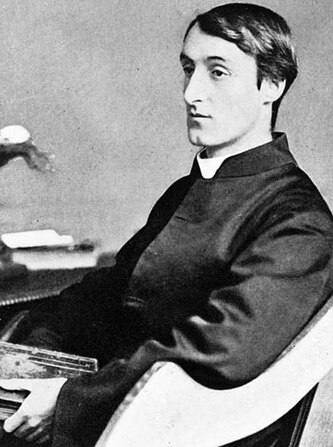
About Gerard Manley Hopkins
Gerard Manley Hopkins (28 July 1844 – 8 June 1889) was a Jesuit priest and English poet whose posthumous, 20th-century fame established him among the finest Victorian poets. His experimental explorations in prosody (especially in regard to sprung rhythm) and his vibrant use of imagery established him as both an original and daring innovator in a period of largely traditional verse.
View all quotes →