Link Copied!
Geoffrey Chaucer Quotes (1343-1400)
Author, Poet, Artist


























About Geoffrey Chaucer
Geoffrey Chaucer (c. 1343 – 25 October 1400) was an English poet, author, and civil servant. Chaucer is most famous as the author of The Canterbury Tales. He is sometimes credited with being the first author to demonstrate the artistic legitimacy of the vernacular English language, rather than French or Latin.
Best Geoffrey Chaucer Quotes
Shortest
Earliest
Explore our curated collection of the most famous and impactful Geoffrey Chaucer quotes.

“My lady cometh, that al this may disteyne.”
“Hard is his herte that loveth nought
In May.”
In May.”
“And if that olde bokes were a-weye,
Y-loren were of remembraunce the keye.”
Y-loren were of remembraunce the keye.”
“Ful craftier to pley she was
Than Athalus, that made the game
First of the ches: so was his name.”
Than Athalus, that made the game
First of the ches: so was his name.”
“For I am shave as nye as any frere.
But yit I pray un-to youre curtesye:
Beth hevy ageyn, or elles mot I die.”
But yit I pray un-to youre curtesye:
Beth hevy ageyn, or elles mot I die.”
“Your yën two wol slee me sodenly,
I may the beautè of hem not sustene,
So woundeth hit through-out my herte kene.”
I may the beautè of hem not sustene,
So woundeth hit through-out my herte kene.”
“That wel by reson men hit calle may
The 'dayesye' or elles the 'ye of day,'
The emperice and flour of floures alle.”
The 'dayesye' or elles the 'ye of day,'
The emperice and flour of floures alle.”
“Now welcom somer, with thy sonne softe,
That hast this wintres weders over-shake,
And driven awey the longe nightes blake!”
That hast this wintres weders over-shake,
And driven awey the longe nightes blake!”
“Now purs, that be to me my lyves light,
And saveour, as doun in this worlde here,
Out of this toune help me through your might.”
And saveour, as doun in this worlde here,
Out of this toune help me through your might.”
“Madame, ye ben of al beautè shryne
As fer as cercled is the mappemounde;
For as the cristal glorious ye shyne,
And lyke ruby ben your chekes rounde.”
As fer as cercled is the mappemounde;
For as the cristal glorious ye shyne,
And lyke ruby ben your chekes rounde.”
“Therwith ye ben so mery and so jocounde,
That at a revel whan that I see you daunce,
It is an oynement unto my wounde,
Thogh ye to me ne do no daliaunce.”
That at a revel whan that I see you daunce,
It is an oynement unto my wounde,
Thogh ye to me ne do no daliaunce.”
“ Of all the floures in the mede,
Than love I most these floures whyte and rede,
Swiche that men callen daysies in our toun.”
Than love I most these floures whyte and rede,
Swiche that men callen daysies in our toun.”
“The lyf so short, the craft so long to lerne,
Th' assay so hard, so sharp the conquering,
The dredful joy, that alwey slit so yerne,
Al this mene I by love.”
Th' assay so hard, so sharp the conquering,
The dredful joy, that alwey slit so yerne,
Al this mene I by love.”
“For out of olde feldes, as men seith,
Cometh al this newe corn fro yeer to yere;
And out of olde bokes, in good feith,
Cometh al this newe science that men lere.”
Cometh al this newe corn fro yeer to yere;
And out of olde bokes, in good feith,
Cometh al this newe science that men lere.”
“Flee fro the prees, and dwelle with sothfastnesse,
Suffyce unto thy good, though hit be smal;
For hord hath hate, and climbing tikelnesse,
Prees hath envye, and wele blent overal.”
Suffyce unto thy good, though hit be smal;
For hord hath hate, and climbing tikelnesse,
Prees hath envye, and wele blent overal.”
“Forth, pilgrim, forth! Forth, beste, out of thy stal!
Know thy contree, look up, thank God of al;
Hold the hye wey, and lat thy gost thee lede:
And trouthe shal delivere, hit is no drede.”
Know thy contree, look up, thank God of al;
Hold the hye wey, and lat thy gost thee lede:
And trouthe shal delivere, hit is no drede.”

“And as for me, thogh that I can but lyte,
On bokes for to rede I me delyte,
And to hem yeve I feyth and ful credence,
And in myn herte have hem in reverence
So hertely, that ther is game noon
That fro my bokes maketh me to goon,
But hit be seldom, on the holyday;
Save, certeynly, whan that the month of May
Is comen, and that I here the foules singe,
And that the floures ginnen for to springe,
Farwel my book and my devocioun!”

“A thousand tymes have I herd men telle,
That ther is joye in heven, and peyne in helle;
And I acorde wel that hit is so;
But natheles, yit wot I wel also,
That ther nis noon dwelling in this contree,
That either hath in heven or helle y-be,
Ne may of hit non other weyes witen,
But as he hath herd seyd, or founde hit writen;
For by assay ther may no man hit preve.
But god forbede but men shulde leve
Wel more thing then men han seen with yë!
Men shal nat wenen every-thing a lyë
But-if him-self hit seeth, or elles dooth;
For, god wot, thing is never the lasse sooth,
Thogh every wight ne may hit nat y-see.
Bernard the monk ne saugh nat al, parde!”
Geoffrey Chaucer Quotes by Topic
Find exactly what you are looking for by browsing this categorized list of Geoffrey Chaucer quotes by topic.
Geoffrey Chaucer on Books 4 quotes
“Go, litel boke! go litel myn tregedie!”
Geoffrey Chaucer on Appearance 3 quotes
“Hyt is not al golde that glareth.”

Geoffrey Chaucer on Medieval II: Total War: Kingdoms 3 quotes
“In his owen grese I made him frie.”
Geoffrey Chaucer on Cuckold 3 quotes
“Who hath no wyf, he is no cokewold.”

Geoffrey Chaucer on Birds 3 quotes
“The false lapwynge, full of trecherye.”

Geoffrey Chaucer on Gold 3 quotes
“Every honest miller has a golden thumb.”
Geoffrey Chaucer on Chickens 3 quotes
“His comb was redder than the fyn coral, And batailed, as it were a castel-wal. His bile was blak, and as the jeet it shoon; Lyk asur were his legges, and his toon; His nayles whytter than the lilie flour, And lyk the burned gold was his colour.”
Geoffrey Chaucer on English proverbs (alphabetically by proverb) 2 quotes
“Many a smale maketh a grate.”

Geoffrey Chaucer on Pity 2 quotes
“For pitee renneth soone in gentil herte.”
Geoffrey Chaucer on Necessity 2 quotes
View all 2 quotes on Necessity →Geoffrey Chaucer on Work 2 quotes
“Nowher so besy a man as he ther was, And yet he semed bisier than he was.”

Geoffrey Chaucer on Female genitalia 2 quotes
“And trewely, as myne housbondes toldë me, I had the bestë quoniam mightë be.”

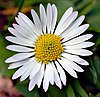
Geoffrey Chaucer on Daisies 2 quotes
“That men by reason will it calle may The daisie or elles the eye of day The emperice, and floure of floures alle.”
Geoffrey Chaucer on Punishment
“Frieth in his own grease.”

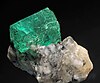
Geoffrey Chaucer on Emerald
“This gem of chastity, this emeraud.”
Geoffrey Chaucer on Gentleness
“He is gentil that doth gentil dedis.”
Geoffrey Chaucer on Poets
“He koude songes make and wel endite.”

Geoffrey Chaucer on Fire
“Yet in oure asshen olde is fyr yreke.”

Geoffrey Chaucer on The Bible
“His studie was but litel on the Bible.”

Geoffrey Chaucer on Vision
“And for to se, and eek for to be seye.”

Geoffrey Chaucer on Homicide
“Mordre wol out, that see we day by day.”
Geoffrey Chaucer on Choice
“Of harmes two the less is for to chose.”

Geoffrey Chaucer on Character
“He was a verray perfight gentil knight.”
What Geoffrey Chaucer Said About Others
Discover personal opinions Geoffrey Chaucer shared regarding contemporaries.
Geoffrey Chaucer on Women 4 quotes
View all 4 quotes on Women →Geoffrey Chaucer on Wives 2 quotes
View all 2 quotes on Wives →Geoffrey Chaucer on John Gower
“O moral Gower!”

Geoffrey Chaucer on Statius
“And kis the steppes, wher-as thou seest pace Virgile, Ovyde, Omer, Lucan, and Stace.”

Geoffrey Chaucer on Dante Alighieri
“Redeth the grete poete of Itaille, That highte Dant, for he can al devyse Fro point to point, nat o word wol he faille.”

Geoffrey Chaucer on Virgil
“For thou shalt, by thyn owene experience, Konne in a chayer rede of this sentence Bet than Virgile, while he was on lyve.”

Quotes About Geoffrey Chaucer
Gain deeper perspective through quotes about Geoffrey Chaucer from others.
Lord Byron on Geoffrey Chaucer
“Chaucer, notwithstanding the praises bestowed on him, I think obscene and contemptible;—he owes his celebrity, merely to his antiquity, which he does not deserve so well as Pierce Plowman, or Thomas of Ercildoune.”
William Caxton on Geoffrey Chaucer
G. K. Chesterton on Geoffrey Chaucer
“Chaucer was one of the most original men who ever lived. There had never been anything like the lively realism of the ride to Canterbury done or dreamed of in our literature before. He is not only the father of all our poets, but the grandfather of all our hundred million novelists.”

John Dryden on Geoffrey Chaucer 2 quotes
“As he is the Father of English Poetry, so I hold him in the same Degree of Veneration as the Grecians held Homer, or the Romans Virgil: He is a perpetual Fountain of good Sense; learn'd in all Sciences; and, therefore speaks properly on all Subjects: As he knew what to say, so he knows also when to leave off; a Continence which is practis'd by few Writers, and scarcely by any of the Ancients, excepting Virgil and Horace. ... Chaucer follow'd Nature every where, but was never so bold to go beyond her.”
Michael Drayton on Geoffrey Chaucer

Henry Wadsworth Longfellow on Geoffrey Chaucer
“He is the poet of the dawn, who wrote The Canterbury Tales, and his old age Made beautiful with song; and as I read I hear the crowing cock, I hear the note Of lark and linnet, and from every page Rise odors of ploughed field or flowery mead.”

James Russell Lowell on Geoffrey Chaucer

Lewis Mumford on Geoffrey Chaucer
“One... characteristic of medieval space must be noted: space and time form two relatively independent systems. First: the medieval artist introduced other times within his own spatial world, as when he projected the events of Christ's life within a contemporary Italian city, without the slightest feeling that the passage of time has made a difference, just as in Chaucer the classical legend of Troilus and Cressida is related as if it were a contemporary story. When a medieval chronicler mentions the King... it is sometimes difficult to find out whether he is talking about Caeser or Alexander the Great or his own monarch: each is equally near to him. ...the word anachronism is meaningless when applied to medieval art... in Botticelli's The Three Miracles of St. Zenobius, three different times are presented upon a single stage.”

Alexander Pope on Geoffrey Chaucer
“I read Chaucer still with as much pleasure as almost any of our poets. He is a master of manners, of description, and the first tale-teller in the true enlivened natural way.”

Edmund Spenser on Geoffrey Chaucer 2 quotes
“Dan Chaucer, well of English undefiled On Fame's eternal beadroll worthy to be filed.”

Alfred on Geoffrey Chaucer
“The morning star of song, who made His music heard below; Dan Chaucer, the first warbler, whose sweet breath Preluded those melodious bursts that fill The spacious times of great Elizabeth With sounds that echo still.”
P. G. Wodehouse on Geoffrey Chaucer
“It is pretty generally admitted that Geoffrey Chaucer, the eminent poet of the fourteenth century, though obsessed with an almost Rooseveltian passion for the new spelling, was there with the goods when it came to profundity of thought.”

Misattributed Quotes
Quotes mistakenly credited to Geoffrey Chaucer
About Geoffrey Chaucer
Geoffrey Chaucer (c. 1343 – 25 October 1400) was an English poet, author, and civil servant. Chaucer is most famous as the author of The Canterbury Tales. He is sometimes credited with being the first author to demonstrate the artistic legitimacy of the vernacular English language, rather than French or Latin.