Link Copied!
Diogenes of Sinope Quotes (-412--323)
Philosopher






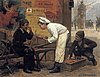
About Diogenes of Sinope
Diogenes of Sinope (or Diogenes the Cynic; c. 412 BC – 323 BC) was the most famous of the Cynic philosophers of ancient Greece. No writings of his survive, but his sayings are recorded by Diogenes Laërtius and others.
Best Diogenes of Sinope Quotes
Shortest
Earliest
Explore our curated collection of the most famous and impactful Diogenes of Sinope quotes.
“Poverty is a virtue which one can teach oneself.”

Unsourced — Primary work/page citation not yet verified in the QuotesCosmos archive. Per our Unnamed Sources & Verification Policy, quotes without confirmed primary editions are explicitly marked Unsourced while under editorial review.
“Virtue cannot dwell with wealth either in a city or in a house.”
Unsourced — Primary work/page citation not yet verified in the QuotesCosmos archive. Per our Unnamed Sources & Verification Policy, quotes without confirmed primary editions are explicitly marked Unsourced while under editorial review.
“Asked where he came from, he said, "I am a citizen of the world."”
Unsourced — Primary work/page citation not yet verified in the QuotesCosmos archive. Per our Unnamed Sources & Verification Policy, quotes without confirmed primary editions are explicitly marked Unsourced while under editorial review.
“Boasting, like gilded armour, is very different inside from outside.”

Unsourced — Primary work/page citation not yet verified in the QuotesCosmos archive. Per our Unnamed Sources & Verification Policy, quotes without confirmed primary editions are explicitly marked Unsourced while under editorial review.
“It is not that I am mad, it is only that my head is different from yours.”
Unsourced — Primary work/page citation not yet verified in the QuotesCosmos archive. Per our Unnamed Sources & Verification Policy, quotes without confirmed primary editions are explicitly marked Unsourced while under editorial review.
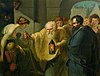
“He lit a lamp in broad daylight and said, as he went about, "I am looking for a human."”
Unsourced — Primary work/page citation not yet verified in the QuotesCosmos archive. Per our Unnamed Sources & Verification Policy, quotes without confirmed primary editions are explicitly marked Unsourced while under editorial review.
“When the slave auctioneer asked in what he was proficient, he replied, "In ruling people."”
Unsourced — Primary work/page citation not yet verified in the QuotesCosmos archive. Per our Unnamed Sources & Verification Policy, quotes without confirmed primary editions are explicitly marked Unsourced while under editorial review.
“To the question what wine he found pleasant to drink, he replied, "That for which other people pay."”

Unsourced — Primary work/page citation not yet verified in the QuotesCosmos archive. Per our Unnamed Sources & Verification Policy, quotes without confirmed primary editions are explicitly marked Unsourced while under editorial review.
“Being asked where in Greece he saw good men, he replied, "Good men nowhere, but good boys at Sparta."”
Unsourced — Primary work/page citation not yet verified in the QuotesCosmos archive. Per our Unnamed Sources & Verification Policy, quotes without confirmed primary editions are explicitly marked Unsourced while under editorial review.
“He once begged alms of a statue, and, when asked why he did so, replied, "To get practice in being refused."”
Unsourced — Primary work/page citation not yet verified in the QuotesCosmos archive. Per our Unnamed Sources & Verification Policy, quotes without confirmed primary editions are explicitly marked Unsourced while under editorial review.
“Thieves and fighters do not come from eaters of barley-bread; but informers and tyrants come from meat-eaters.”
Unsourced — Primary work/page citation not yet verified in the QuotesCosmos archive. Per our Unnamed Sources & Verification Policy, quotes without confirmed primary editions are explicitly marked Unsourced while under editorial review.
“To one who asked what was the proper time for lunch, he said, "If a rich man, when you will; if a poor man, when you can."”

Unsourced — Primary work/page citation not yet verified in the QuotesCosmos archive. Per our Unnamed Sources & Verification Policy, quotes without confirmed primary editions are explicitly marked Unsourced while under editorial review.
“When some one boasted that at the Pythian games he had vanquished men, Diogenes replied, "Nay, I defeat men, you defeat slaves."”
Unsourced — Primary work/page citation not yet verified in the QuotesCosmos archive. Per our Unnamed Sources & Verification Policy, quotes without confirmed primary editions are explicitly marked Unsourced while under editorial review.
“If you are to be kept right, you must possess either good friends or red-hot enemies. The one will warn you, the other will expose you.”

Unsourced — Primary work/page citation not yet verified in the QuotesCosmos archive. Per our Unnamed Sources & Verification Policy, quotes without confirmed primary editions are explicitly marked Unsourced while under editorial review.
“The noblest people are those despising wealth, learning, pleasure and life; esteeming above them poverty, ignorance, hardship and death.”
Unsourced — Primary work/page citation not yet verified in the QuotesCosmos archive. Per our Unnamed Sources & Verification Policy, quotes without confirmed primary editions are explicitly marked Unsourced while under editorial review.
“Self-taught poverty is a help toward philosophy, for the things which philosophy attempts to teach by reasoning, poverty forces us to practice.”
Unsourced — Primary work/page citation not yet verified in the QuotesCosmos archive. Per our Unnamed Sources & Verification Policy, quotes without confirmed primary editions are explicitly marked Unsourced while under editorial review.
“When Alexander the Great addressed him with greetings, and asked if he wanted anything, Diogenes replied "Yes, stand a little out of my sunshine."”
Unsourced — Primary work/page citation not yet verified in the QuotesCosmos archive. Per our Unnamed Sources & Verification Policy, quotes without confirmed primary editions are explicitly marked Unsourced while under editorial review.
“One day, observing a child drinking out of his hands, he cast away the cup from his wallet with the words, "A child has beaten me in plainness of living."”
Unsourced — Primary work/page citation not yet verified in the QuotesCosmos archive. Per our Unnamed Sources & Verification Policy, quotes without confirmed primary editions are explicitly marked Unsourced while under editorial review.
“He was going into a theatre, meeting face to face those who were coming out, and being asked why, "This," he said, "is what I practise doing all my life."”

Unsourced — Primary work/page citation not yet verified in the QuotesCosmos archive. Per our Unnamed Sources & Verification Policy, quotes without confirmed primary editions are explicitly marked Unsourced while under editorial review.
Unsourced — Primary work/page citation not yet verified in the QuotesCosmos archive. Per our Unnamed Sources & Verification Policy, quotes without confirmed primary editions are explicitly marked Unsourced while under editorial review.
“To Xeniades, who had purchased Diogenes at the slave market, he said, "Come, see that you obey orders."”
Unsourced — Primary work/page citation not yet verified in the QuotesCosmos archive. Per our Unnamed Sources & Verification Policy, quotes without confirmed primary editions are explicitly marked Unsourced while under editorial review.
“When asked why people give to beggars but not to philosophers, he replied, 'Because they expect they may become lame and blind, but never that they will become philosophers.'”
Unsourced — Primary work/page citation not yet verified in the QuotesCosmos archive. Per our Unnamed Sources & Verification Policy, quotes without confirmed primary editions are explicitly marked Unsourced while under editorial review.
“Once he saw the officials of a temple leading away some one who had stolen a bowl belonging to the treasurers, and said, "The great thieves are leading away the little thief."”
Unsourced — Primary work/page citation not yet verified in the QuotesCosmos archive. Per our Unnamed Sources & Verification Policy, quotes without confirmed primary editions are explicitly marked Unsourced while under editorial review.
“Plato had defined Man as an animal, biped and featherless, and was applauded. Diogenes plucked a fowl and brought it into the lecture-room with the words, "Behold Plato's man!"”
Unsourced — Primary work/page citation not yet verified in the QuotesCosmos archive. Per our Unnamed Sources & Verification Policy, quotes without confirmed primary editions are explicitly marked Unsourced while under editorial review.
“He used to reason as follows: 'Everything belongs to the gods; the wise are friends of the gods; friends hold all things in common; ergo, everything belongs to the wise.'”
Unsourced — Primary work/page citation not yet verified in the QuotesCosmos archive. Per our Unnamed Sources & Verification Policy, quotes without confirmed primary editions are explicitly marked Unsourced while under editorial review.
“He was breakfasting in the marketplace, and the bystanders gathered round him with cries of "dog." "It is you who are dogs," cried he, "when you stand round and watch me at my breakfast."”
Unsourced — Primary work/page citation not yet verified in the QuotesCosmos archive. Per our Unnamed Sources & Verification Policy, quotes without confirmed primary editions are explicitly marked Unsourced while under editorial review.
“He was seized and dragged off to King Philip, and being asked who he was, replied, "A spy upon your insatiable greed."”
Unsourced — Primary work/page citation not yet verified in the QuotesCosmos archive. Per our Unnamed Sources & Verification Policy, quotes without confirmed primary editions are explicitly marked Unsourced while under editorial review.
“When some one reminded him that the people of Sinope had sentenced him to exile, he said, "And I sentenced them to stay at home."”

Unsourced — Primary work/page citation not yet verified in the QuotesCosmos archive. Per our Unnamed Sources & Verification Policy, quotes without confirmed primary editions are explicitly marked Unsourced while under editorial review.
“When scolded for masturbating in public, he said "I wish it were as easy to banish hunger by rubbing my belly."
• Variant: If only it were as easy to banish hunger by rubbing the belly as it is to masturbate.”
• Variant: If only it were as easy to banish hunger by rubbing the belly as it is to masturbate.”

Unsourced — Primary work/page citation not yet verified in the QuotesCosmos archive. Per our Unnamed Sources & Verification Policy, quotes without confirmed primary editions are explicitly marked Unsourced while under editorial review.
“When people laughed at him because he walked backward beneath the portico, he said to them: "Aren't you ashamed, you who walk backward along the whole path of existence, and blame me for walking backward along the path of the promenade?"”

Unsourced — Primary work/page citation not yet verified in the QuotesCosmos archive. Per our Unnamed Sources & Verification Policy, quotes without confirmed primary editions are explicitly marked Unsourced while under editorial review.
“Perdiccas threatened to put him to death unless he came to him, "That's nothing wonderful," Diogenes said, "for a beetle or a tarantula would do the same."”
Unsourced — Primary work/page citation not yet verified in the QuotesCosmos archive. Per our Unnamed Sources & Verification Policy, quotes without confirmed primary editions are explicitly marked Unsourced while under editorial review.
“οἱ μὲν ἄλλοι κύνες τοὺς ἐχθροὺς δάκνουσιν, ἐγὼ δὲ τοὺς φίλους, ἵνα σώσω.
• Other dogs bite only their enemies, whereas I bite also my friends in order to save them.”
• Other dogs bite only their enemies, whereas I bite also my friends in order to save them.”
Unsourced — Primary work/page citation not yet verified in the QuotesCosmos archive. Per our Unnamed Sources & Verification Policy, quotes without confirmed primary editions are explicitly marked Unsourced while under editorial review.
“On reaching Athens he fell in with Antisthenes. Being repulsed by him, because he never welcomed pupils, by sheer persistence Diogenes wore him out. Once when he stretched out his staff against him, the pupil offered his head with the words, "Strike, for you will find no wood hard enough to keep me away from you, so long as I think you've something to say."”

Unsourced — Primary work/page citation not yet verified in the QuotesCosmos archive. Per our Unnamed Sources & Verification Policy, quotes without confirmed primary editions are explicitly marked Unsourced while under editorial review.
“Diogenes the cynic, seeing one of the so-called freedmen pluming himself, while many heartily congratulated him, marveled at the absence of reason and discernment. “A man might as well,” he said, “proclaim that one of his servants became a grammarian, a geometrician, or musician, when he has no idea whatever of the art.” For as the proclamation cannot make them men of knowledge, so neither can it make them free.”
Unsourced — Primary work/page citation not yet verified in the QuotesCosmos archive. Per our Unnamed Sources & Verification Policy, quotes without confirmed primary editions are explicitly marked Unsourced while under editorial review.
Diogenes of Sinope Quotes by Topic
Find exactly what you are looking for by browsing this categorized list of Diogenes of Sinope quotes by topic.
Diogenes of Sinope on Poverty 3 quotes
“Poverty is a virtue which one can teach oneself.”
Unsourced — Primary work/page citation not yet verified in the QuotesCosmos archive. Per our Unnamed Sources & Verification Policy, quotes without confirmed primary editions are explicitly marked Unsourced while under editorial review.
Diogenes of Sinope on Hunger 2 quotes
“When scolded for masturbating in public, he said "I wish it were as easy to banish hunger by rubbing my belly."”
Unsourced — Primary work/page citation not yet verified in the QuotesCosmos archive. Per our Unnamed Sources & Verification Policy, quotes without confirmed primary editions are explicitly marked Unsourced while under editorial review.
Diogenes of Sinope on Honesty
“I am looking for a human.”
Unsourced — Primary work/page citation not yet verified in the QuotesCosmos archive. Per our Unnamed Sources & Verification Policy, quotes without confirmed primary editions are explicitly marked Unsourced while under editorial review.
Diogenes of Sinope on Agnosticism
“I do not know whether there are gods, but there ought to be.”
Unsourced — Primary work/page citation not yet verified in the QuotesCosmos archive. Per our Unnamed Sources & Verification Policy, quotes without confirmed primary editions are explicitly marked Unsourced while under editorial review.
Diogenes of Sinope on Education
“The foundation of every state is the education of its youth.”

Unsourced — Primary work/page citation not yet verified in the QuotesCosmos archive. Per our Unnamed Sources & Verification Policy, quotes without confirmed primary editions are explicitly marked Unsourced while under editorial review.
What Diogenes of Sinope Said About Others
Discover personal opinions Diogenes of Sinope shared regarding contemporaries.
Diogenes of Sinope on Albert Pike
“A man should live with his superiors as he does with his fire: not too near, lest he burn; nor too far off, lest he freeze.”

Unsourced — Primary work/page citation not yet verified in the QuotesCosmos archive. Per our Unnamed Sources & Verification Policy, quotes without confirmed primary editions are explicitly marked Unsourced while under editorial review.
Diogenes of Sinope on Plato
“Plato had defined Man as an animal, biped and featherless, and was applauded. Diogenes plucked a fowl and brought it into the lecture-room with the words, "Behold Plato's man!"”

Unsourced — Primary work/page citation not yet verified in the QuotesCosmos archive. Per our Unnamed Sources & Verification Policy, quotes without confirmed primary editions are explicitly marked Unsourced while under editorial review.
Quotes About Diogenes of Sinope
Gain deeper perspective through quotes about Diogenes of Sinope from others.
Alexander the Great on Diogenes of Sinope
“If I were not Alexander, I should wish to be Diogenes.”

Unsourced — Primary work/page citation not yet verified in the QuotesCosmos archive. Per our Unnamed Sources & Verification Policy, quotes without confirmed primary editions are explicitly marked Unsourced while under editorial review.
Antiphilus of Byzantium on Diogenes of Sinope
“Even bronze is aged by time, but not all the ages, Diogenes, shall destroy thy fame, since you alone did show to mortals the rule of self-sufficiency and the easiest path of life.”
Unsourced — Primary work/page citation not yet verified in the QuotesCosmos archive. Per our Unnamed Sources & Verification Policy, quotes without confirmed primary editions are explicitly marked Unsourced while under editorial review.
Basil of Caesarea on Diogenes of Sinope
“As for Diogenes, Basil never ceased admiring him, the philosopher who was so set upon being content with nothing but the gifts of nature that he even threw away his drinking-cup, after he had learned from a boy how to bend over and drink from the hollow of his hands.”

Unsourced — Primary work/page citation not yet verified in the QuotesCosmos archive. Per our Unnamed Sources & Verification Policy, quotes without confirmed primary editions are explicitly marked Unsourced while under editorial review.
Dio Chrysostom on Diogenes of Sinope 4 quotes
“When some people urged that it is impossible for man to live like the animals owing to the tenderness of his flesh and because he is naked and unprotected, [Diogenes] would say in reply that men are so very tender because of their mode of life. ... Man’s ingenuity and his discovering and contriving so many helps to life had not been altogether advantageous to later generations, since men do not employ their cleverness to promote courage or justice, but to procure pleasure.”

Unsourced — Primary work/page citation not yet verified in the QuotesCosmos archive. Per our Unnamed Sources & Verification Policy, quotes without confirmed primary editions are explicitly marked Unsourced while under editorial review.
Diogenes Laërtius on Diogenes of Sinope
“When [Diogenes of Sinope] was sold as a slave, he endured it most nobly. For on a voyage to Aegina he was captured by pirates under the command of Scirpalus, conveyed to Crete and exposed for sale. When the auctioneer asked in what he was proficient, he replied, "In ruling men." Thereupon he pointed to a certain Corinthian with a fine purple border to his robe, the man named Xeniades above-mentioned, and said, “Sell me to this man; he needs a master.””
Unsourced — Primary work/page citation not yet verified in the QuotesCosmos archive. Per our Unnamed Sources & Verification Policy, quotes without confirmed primary editions are explicitly marked Unsourced while under editorial review.
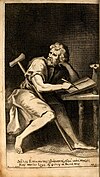


About Diogenes of Sinope
Diogenes of Sinope (or Diogenes the Cynic; c. 412 BC – 323 BC) was the most famous of the Cynic philosophers of ancient Greece. No writings of his survive, but his sayings are recorded by Diogenes Laërtius and others.