B. R. Ambedkar, Pakistan or The Partition of India (1946)
“
Another illustration would be the attitude of the Muslims towards the problem of the Untouchables. The Muslims have always been looking at the Depressed Classes with a sense of longing, and much of the jealousy between Hindus and Muslims arises out of the fear of the latter that the former might become stronger by assimilating the Depressed Classes. In 1909 the Muslims took the bold step of suggesting that the Depressed Classes should not be enrolled in the census as Hindus.
— B. R. Ambedkar on Dalit
What It Means
This is a placeholder explanation generated by the low-overhead model. It interprets "Another illustration would be the attitude of the Muslims towards the problem of the Untouchables. The Muslims have always been looking at the Depressed Classes with a sense of longing, and much of the jealousy between Hindus and Muslims arises out of the fear of the latter that the former might become stronger by assimilating the Depressed Classes. In 1909 the Muslims took the bold step of suggesting that the Depressed Classes should not be enrolled in the census as Hindus." in the context of "B. R. Ambedkar, Pakistan or The Partition of India (1946)" to mean that wisdom is timeless.
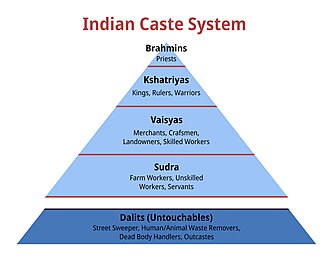
Source: Wikiquote: "Dalit" (Quotes)
The 'What it means' explanation text was generated by Google Gemini Flash (accessed January 18, 2026). https://gemini.google.com/app
Tags

About B. R. Ambedkar
Bhimrao Ramji Ambedkar (April 14, 1891 – December 6, 1956), an Indian polymath: jurist, economist, politician, and writer. He pioneered revival of Buddhism in India and inspired the modern Buddhist movement. He was independent India's first law minister, and the major architect of the Constitution of India.
View all quotes →