Link Copied!
Andrew Marvell Quotes (1621-1678)
Poet, King
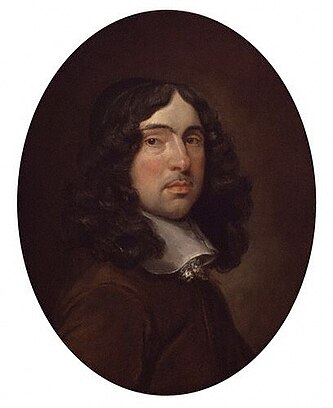










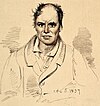

About Andrew Marvell
Andrew Marvell (March 31, 1621 – August 16, 1678) was an English metaphysical poet, and the son of an Anglican clergyman. As a metaphysical, he is associated with John Donne and George Herbert. He was the first assistant of John Milton.
Best Andrew Marvell Quotes
Shortest
Earliest
Explore our curated collection of the most famous and impactful Andrew Marvell quotes.

“...the inglorious arts of peace...”



“Orange bright,
Like golden lamps in a green light.”
Like golden lamps in a green light.”

“This indigested vomit of the Sea,
Fell to the Dutch by Just Propriety.”
Fell to the Dutch by Just Propriety.”
“No creature loves an empty space;
Their bodies measure out their place.”
Their bodies measure out their place.”

“To make a bank was a great plot of state;
Invent a shovel, and be a magistrate.”
Invent a shovel, and be a magistrate.”

“The world in all doth but two nations bear —
The good, the bad; and these mixed everywhere.”
The good, the bad; and these mixed everywhere.”

“My love is of a birth as rare
As 'tis for object strange and high;
It was begotten by Despair
Upon Impossibility.”
As 'tis for object strange and high;
It was begotten by Despair
Upon Impossibility.”

“As lines, so loves oblique may well
Themselves in every angle greet;
But ours so truly parallel,
Though infinite, can never meet.”
Themselves in every angle greet;
But ours so truly parallel,
Though infinite, can never meet.”
“Therefore the love which us doth bind,
But Fate so enviously debars,
Is the conjunction of the mind,
And opposition of the stars.”
But Fate so enviously debars,
Is the conjunction of the mind,
And opposition of the stars.”


“I would
Love you ten years before the Flood,
And you should, if you please, refuse
Till the conversion of the Jews.
My vegetable love should grow
Vaster than empires and more slow.”
Love you ten years before the Flood,
And you should, if you please, refuse
Till the conversion of the Jews.
My vegetable love should grow
Vaster than empires and more slow.”

“What wondrous life in this I lead!
Ripe apples drop about my head;
The luscious clusters of the vine
Upon my mouth do crush their wine;
The nectarine and curious peach
Into my hands themselves do reach;
Stumbling on melons, as I pass,
Ensnared with flowers, I fall on grass.”
Ripe apples drop about my head;
The luscious clusters of the vine
Upon my mouth do crush their wine;
The nectarine and curious peach
Into my hands themselves do reach;
Stumbling on melons, as I pass,
Ensnared with flowers, I fall on grass.”
“Thy beauty shall no more be found;
Nor, in thy marble vault shall sound
My echoing song; then worms shall try
That long preserved virginity,
And your quaint honor turn to dust,
And into ashes all my lust.
The grave's a fine and private place,
But none, I think, do there embrace.”
Nor, in thy marble vault shall sound
My echoing song; then worms shall try
That long preserved virginity,
And your quaint honor turn to dust,
And into ashes all my lust.
The grave's a fine and private place,
But none, I think, do there embrace.”
“While thus he threw his Elbow round,
Depopulating all the Ground,
And, with his whistling Sythe, does cut
Each stroke between the Earth and Root,
The edged Stele by careless chance
Did into his own Ankle glance;
And there among the Grass fell down,
by his own Sythe, the Mower mown.”
Depopulating all the Ground,
And, with his whistling Sythe, does cut
Each stroke between the Earth and Root,
The edged Stele by careless chance
Did into his own Ankle glance;
And there among the Grass fell down,
by his own Sythe, the Mower mown.”
“Now therefore while the youthful hue
Sits on thy skin like morning dew,
And while thy willing soul transpires
At every pore with instant fires,
Now let us sport us while we may,
And now, like amorous birds of prey,
Rather at once our time devour
Than languish in his slow-chapped power.”
Sits on thy skin like morning dew,
And while thy willing soul transpires
At every pore with instant fires,
Now let us sport us while we may,
And now, like amorous birds of prey,
Rather at once our time devour
Than languish in his slow-chapped power.”
“Meanwhile the mind from pleasure less
Withdraws into its happiness;
The mind, that ocean where each kind
Does straight its own resemblance find;
Yet it creates, transcending these,
Far other worlds, and other seas;
Annihilating all that's made
To a green thought in a green shade.”
Withdraws into its happiness;
The mind, that ocean where each kind
Does straight its own resemblance find;
Yet it creates, transcending these,
Far other worlds, and other seas;
Annihilating all that's made
To a green thought in a green shade.”
“
Since juliana here is come,
For she my mind hath so displaced
That I shall never find my home.”
Ye living lamps, by whose dear light
The nightingale does sit so late
And studying all the summer night
Her matchless songs does meditate;
Ye country comets, that portend
No war, nor prince's funeral,
Shining unto no higher end
Than to presage the grasses's fall;
Ye glow-worms whose officious flame
To wandering mowers shows the way,
That in the night have lost their aim
And after foolish fires do stray;
Since juliana here is come,
For she my mind hath so displaced
That I shall never find my home.”
“Popery is such a thing as cannot, but for want of a word to express it, be called a religion; nor is it to be mentioned with that civility which is otherwise decent to be used in speaking about the differences of human opinion about divine matters...There has now for divers years a design been carried on, to change the lawful government of England into an absolute tyranny, and to convert the established Protestant religion into downright Popery...If under his present Majesty we have as yet seen no more visible effects of the same spirit than the firing of London...it is not to be attributed to the good nature or better principles of that sect, but to the wisdom of his Holiness, who observes that we are not of late so dangerous Protestants as to deserve any special mark of his indignation, but that we may be made better use of to the wrecking of those that are of our religion, and that if he do not disturb us, there are those amongst ourselves that are leading us into a fair way of reconciliation with him.”

Andrew Marvell Quotes by Topic
Find exactly what you are looking for by browsing this categorized list of Andrew Marvell quotes by topic.
Andrew Marvell on Action 2 quotes
View all 2 quotes on Action →Andrew Marvell on Glowworms 2 quotes
“Ye country comets, that portend No war nor princes' funeral Shining unto no other end Than to presage the grass's fall.”
Andrew Marvell on Gardens 2 quotes
“How well the skilful Gardner drew Of flow’rs and herbs this Dial new; Where from above the milder Sun Does through a fragrant Zodiack run; And, as it works, th’ industrious Bee Computes its time as well as we. How could such sweet and wholsome Hours Be reckon’d but with herbs and flow’rs!”

Andrew Marvell on Peace
“In the inglorious arts of peace.”
What Andrew Marvell Said About Others
Discover personal opinions Andrew Marvell shared regarding contemporaries.
Andrew Marvell on Oliver Cromwell
“So restless Cromwell could not cease In the inglorious Arts of Peace, But through adventrous war, Urged his active star... To ruine the great work of time, And cast the kingdom old Into another Mold...”

About Andrew Marvell
Andrew Marvell (March 31, 1621 – August 16, 1678) was an English metaphysical poet, and the son of an Anglican clergyman. As a metaphysical, he is associated with John Donne and George Herbert. He was the first assistant of John Milton.