William Shakespeare, Julius Caesar, Act III, scene 1, line 254.
“
O, pardon me, thou bleeding piece of earth, That I am meek and gentle with these butchers! Thou art the ruins of the noblest man That ever lived in the tide of times. Woe to the hand that shed this costly blood Over thy wounds now do I prophesy.
— William Shakespeare on Homicide
What It Means
This is a placeholder explanation generated by the low-overhead model. It interprets "O, pardon me, thou bleeding piece of earth, That I am meek and gentle with these butchers! Thou art the ruins of the noblest man That ever lived in the tide of times. Woe to the hand that shed this costly blood Over thy wounds now do I prophesy." in the context of "William Shakespeare, Julius Caesar, Act III, scene 1, line 254." to mean that wisdom is timeless.
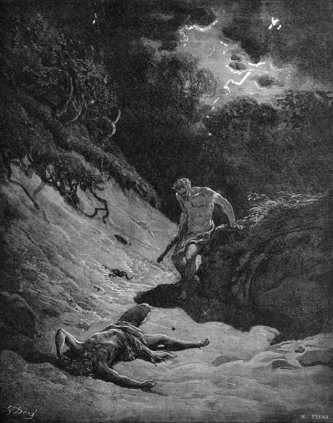
Source: Wikiquote: "Homicide" (Quotes, S)
The 'What it means' explanation text was generated by Google Gemini Flash (accessed February 05, 2026). https://gemini.google.com/app
Tags

About William Shakespeare
William Shakespeare (26 April 1564 (baptised) – 23 April 1616) was an English poet, playwright, and actor, widely regarded as the greatest writer in the English language and the world's pre-eminent dramatist.
About William Shakespeare
William Shakespeare (26 April 1564 (baptised) – 23 April 1616) was an English poet, playwright, and actor, widely regarded as the greatest writer in the English language and the world's pre-eminent dramatist.
View all quotes →