Walter R. Borneman on Ernest King
← Back to Walter R. Borneman Profile
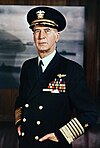
“Diplomacy, tact, and forbearance were not words to be associated with Ernest King, even at a young age. When his mother once scolded him for expressing his dislike in front of the hostess, seven-year-old Ernest held his ground. "It's true," he insisted, "I don't like it." Absolute candor, no matter how rude or insulting, became his trademark. "If I didn't agree," King later reminisced, "I said so."”
“Ironically, during four years of war, MacArthur may have owed the most to the very people he was certain were out to discredit and disparage him. While never among his fans, Franklin Roosevelt and George Marshall nonetheless consistently supported MacArthur within the framework of their global priorities, from the first efforts to resupply the Philippines to MacArthur's appointment as Allied supreme commander. Even then, where would MacArthur's Southwest Pacific Area have been had not Ernie King urged the Joint Chiefs to pour resources into the Pacific and wage a two-front war?”
“Whereas Leahy was stern, reserved, and even dour, King was nothing short of bombastic. Throughout his career, King's personality was routinely commented upon- and frequently feared- by his contemporaries and junior officers alike. His seniors usually found it merely annoying, although many- Forrestal was clearly an exception- tended to overlook his grating manner because there was no question that this demanding and strong-willed individual was also highly intelligent and capable of delivering results. King simply had no tolerance for subordinates who failed to carry out his orders to his satisfaction. Considering King's satisfaction was a very high bar, many failed to clear it. "On the job" wrote historian Robert Love in his history of the chiefs of naval operations, "[King] seemed always to be angry or annoyed." But some of that anger or annoyance may well have been a mask that was best breached when one stood up to him or took the initiative in doing what King likely would have done had he been in the other's shoes.”