Matthew Arnold on Thomas Gray
← Back to Thomas Gray Profile
“Gray, a born poet, fell upon an age of prose. He fell upon an age whose task was such as to call forth in general men's powers of understanding, wit and cleverness, rather than their deepest powers of mind and soul.”
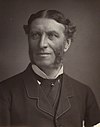
“Gray's production was scanty, and scanty, as we have seen, it could not but be. Even what he produced is not always pure in diction, true in evolution. Still, with whatever drawbacks, he is alone, or almost alone (for Collins has something of the like merit) in his age. Gray said himself that "the style he aimed at was extreme conciseness of expression, yet pure, perspicuous, and musical." Compared, not with the work of the great masters of the golden ages of poetry, but with the poetry of his own contemporaries in general, Gray's may be said to have reached, in style, the excellence at which he aimed; while the evolution also of such a piece as his Progress of Poesy must be accounted not less noble and sound than its style.”
“Gray is our poetical classic of that literature and age; the position of Gray is singular, and demands a word of notice here. He has not the volume or the power of poets who, coming in times more favourable, have attained to an independent criticism of life. But he lived with the great poets, he lived, above all, with the Greeks, through perpetually studying and enjoying them; and he caught their poetic point of view for regarding life, caught their poetic manner. The point of view and the manner are not self-sprung in him, he caught them of others; and he had not the free and abundant use of them. But whereas Addison and Pope never had the use of them, Gray had the use of them at times. He is the scantiest and frailest of classics in our poetry, but he is a classic.”