Thomas Babington Macaulay on Lucan
← Back to Thomas Babington Macaulay Profile
“When I consider that Lucan died at twenty-six, I cannot help ranking him among the most extraordinary men that ever lived.”
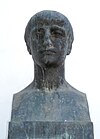
“When Lucan's age is considered, it is impossible not to allow that the poem is a very extraordinary one: more extraordinary, perhaps, than if it had been of a higher kind; for it is more common for the imagination to be in full vigor at an early time of life than for a young man to obtain a complete mastery of political and philosophical rhetoric. I know no declamation in the world, not even Cicero's best, which equals some passages in the Pharsalia. As to what were meant for bold poetical flights,—the sea-fight at Marseilles, the Centurion who is covered with wounds, the snakes in the Libyan desert,—it is all as detestable as Cibber's Birthday Odes. The furious partiality of Lucan takes away much of the pleasure which his talents would otherwise afford. A poet who is, as has often been said, less a poet than a historian, should to a certain degree conform to the laws of history. The manner in which he represents the two parties is not to be reconciled with the laws even of fiction. The senators are demigods; Pompey, a pure lover of his country; Cato, the abstract idea of virtue; while Caesar, the finest gentleman, the most humane conqueror, and the most popular politician that Rome ever produced, is a bloodthirsty ogre. If Lucan had lived, he would probably have improved greatly.”