Roger Ebert on War Horse (film)
← Back to Roger Ebert Profile
“Joey meets a series of masters, most of them on both sides men who respected horses. Yet war is no place for sentiment, and as an officer explains with brutal realism, a horse is a weapon and must either be used or destroyed.”
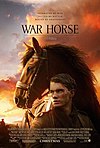
“Spielberg ennobles Joey and provides an ending for the film that is joyous, uplifting, and depends on a surely unbelievable set of coincidences. I suppose it must be that way for us to even bear watching such a story. I am reminded of Schindler's List. Six million Jews were exterminated in the World War II, but in focusing on a few hundred who miraculously survived, Spielberg made his story bearable. Among the horses of World War I, it can only be said that Joey's good luck was extraordinary. The film is made with superb artistry. Spielberg is the master of an awesome canvas. Most people will enjoy it, as I did. But not included in the picture is the level of sheer hopeless tragedy that is everywhere just out frame. '''It is the same with life, and if you consider the big picture, all of us, men and beasts, have extraordinary good luck.”
“The closing shots of Steven Spielberg's War Horse will stir emotions in every serious movie lover. The sky is painted with a deeply red-orange sunset. A lone rider is seen far away on the horizon. The rider approaches and dismounts. He embraces a woman and a man. They all embrace the horse's head. Music swells. This footage, with the rich colors and dramatic framing on what is either a soundstage or intended to look like one, could come directly from a John Ford Western. It is Spielberg's homage, I believe, to Ford and to a Hollywood tradition of broad, uplifting movies intended for all audiences. The performances and production values throughout the film honor that tradition. '''''War Horse'' is bold, not afraid of sentiment and lets out all the stops in magnificently staged action sequences. Its characters are clearly defined and strongly played by charismatic actors. Its message is a universal one, about the horror of war in which men and animals suffer and die, but for the animals there is no reason: They have cast their lot with men who have betrayed them.'''”