Link Copied!
Richard Wilbur Quotes (1921-2017)
Poet
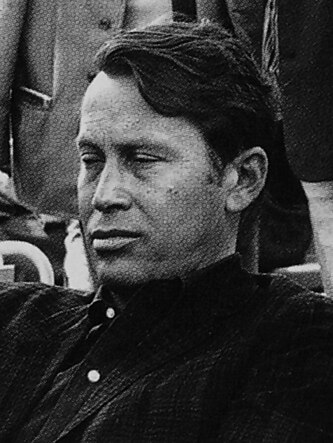

About Richard Wilbur
Richard Purdy Wilbur (1 March 1921 – 14 October 2017) was an American poet and literary translator. He was appointed the second Poet Laureate Consultant in Poetry to the Library of Congress in 1987, and twice received the Pulitzer Prize for Poetry, in 1957 and again in 1989.
Best Richard Wilbur Quotes
Shortest
Earliest
Explore our curated collection of the most famous and impactful Richard Wilbur quotes.
“What is the opposite of two? A lonely me, a lonely you.”

“The soul descends once more in bitter love
To accept the waking body”
To accept the waking body”
“The beacon-blaze unsheathing turns
The face of darkness pale
And now with one grand chop gives clearance to
Our human visions . . .”
The face of darkness pale
And now with one grand chop gives clearance to
Our human visions . . .”
“A thrush, because I'd been wrong,
Burst rightly into song
In a world not vague, not lonely,
Not governed by me only.”
Burst rightly into song
In a world not vague, not lonely,
Not governed by me only.”
“Founded on rock and facing the night-fouled sea
A beacon blinks at its own brilliance,
Over and over with cutlass gaze
Solving the Gordian waters ...”
A beacon blinks at its own brilliance,
Over and over with cutlass gaze
Solving the Gordian waters ...”
“Well, I was ten and very much afraid.
In my kind world the dead were out of range
And I could not forgive the sad or strange
In beast or man.”
In my kind world the dead were out of range
And I could not forgive the sad or strange
In beast or man.”
“Wisely watch for the sight
Of the supernova burgeoning over the barn,
Lampshine blurred in the steam of beasts, the spirit's right
Oasis, light incarnate.”
Of the supernova burgeoning over the barn,
Lampshine blurred in the steam of beasts, the spirit's right
Oasis, light incarnate.”
“The eyes open to a cry of pulleys,
And spirited from sleep, the astounded soul
Hangs for a moment bodiless and simple
As false dawn.
Outside the open window
The morning air is all awash with angels.”
And spirited from sleep, the astounded soul
Hangs for a moment bodiless and simple
As false dawn.
Outside the open window
The morning air is all awash with angels.”
“I started in to cry and call his name,
Asking forgiveness of his tongueless head.
... I dreamt the past was never past redeeming:
But whether this was false or honest dreaming
I beg death's pardon now. And mourn the dead.”
Asking forgiveness of his tongueless head.
... I dreamt the past was never past redeeming:
But whether this was false or honest dreaming
I beg death's pardon now. And mourn the dead.”
“O connoisseurs of thirst,
Beasts of my soul who long to learn to drink
Of pure mirage, those prosperous islands are accurst
That shimmer on the brink
Of absence; auras, lustres,
And all shinings need to be shaped and borne.”
Beasts of my soul who long to learn to drink
Of pure mirage, those prosperous islands are accurst
That shimmer on the brink
Of absence; auras, lustres,
And all shinings need to be shaped and borne.”
“Your hands hold roses always in a way that says
They are not only yours; the beautiful changes
In such kind ways,
Wishing ever to sunder
Things and things' selves for a second finding, to lose
For a moment all that it touches back to wonder.”
They are not only yours; the beautiful changes
In such kind ways,
Wishing ever to sunder
Things and things' selves for a second finding, to lose
For a moment all that it touches back to wonder.”
“The tall camels of the spirit
Steer for their deserts, passing the last groves loud
With the sawmill shrill of the locust, to the whole honey of the
arid
Sun. They are slow, proud,
And move with a stilted stride
To the land of sheer horizon...”
Steer for their deserts, passing the last groves loud
With the sawmill shrill of the locust, to the whole honey of the
arid
Sun. They are slow, proud,
And move with a stilted stride
To the land of sheer horizon...”
“What you hope for
Is that at some point of the pointless journey,
Indoors or out, and when you least expect it,
Right in the middle of your stride, like that,
So neatly that you never feel a thing,
The kind assassin Sleep will draw a bead
And blow your brains out.”
Is that at some point of the pointless journey,
Indoors or out, and when you least expect it,
Right in the middle of your stride, like that,
So neatly that you never feel a thing,
The kind assassin Sleep will draw a bead
And blow your brains out.”
“The soul shrinks
From all that it is about to remember,
From the punctual rape of every blessed day,
And cries,
"Oh, let there be nothing on earth but laundry,
Nothing but rosy hands in the rising steam
And clear dances done in the sight of heaven."”
From all that it is about to remember,
From the punctual rape of every blessed day,
And cries,
"Oh, let there be nothing on earth but laundry,
Nothing but rosy hands in the rising steam
And clear dances done in the sight of heaven."”
“My dog lay dead five days without a grave
In the thick of summer, hid in a clump of pine
And a jungle of grass and honey-suckle vine.
I who had loved him while he kept alive
Went only close enough to where he was
To sniff the heavy honeysuckle-smell
Twined with another odor heavier still
And hear the flies' intolerable buzz.”
In the thick of summer, hid in a clump of pine
And a jungle of grass and honey-suckle vine.
I who had loved him while he kept alive
Went only close enough to where he was
To sniff the heavy honeysuckle-smell
Twined with another odor heavier still
And hear the flies' intolerable buzz.”
“Writing poetry, then, is an unsocial way of manufacturing a thoroughly social product. Because he must shield his poetry in its creation, the poet, more than other writers, will write without recognition. And because his product is not in great demand, he is likely to look on honors and distinctions with the feigned indifference of the wallflower. Yet of course he is pleased when recognition comes; for what better proof is there that for some people poetry is still a useful and necessary thing — like a shoe.”

“Try to remember this: what you project
Is what you will perceive; what you perceive
With any passion, be it love or terror,
May take on whims and powers of its own.
Therefore a numb and grudging circumspection
Will serve you best — unless you overdo it,
Watching your step too narrowly, refusing
To specify a world, shrinking your purview
To a tight vision of your inching shoes,
Which may, as soon as you come to think, be crossing
An unseen gorge upon a rotten trestle.”

“When a poet is being a poet — that is, when he is writing or thinking about writing — he cannot be concerned with anything but the making of a poem. If the poem is to turn out well, the poet cannot have thought of whether it will be saleable, or of what its effect on the world should be; he cannot think of whether it will bring him honor, or advance a cause, or comfort someone in sorrow. All such considerations, whether silly or generous, would be merely intrusive; for, psychologically speaking, the end of writing is the poem itself.”
“In each art the difficulty of the form is a substitution for the difficulty of direct apprehension and expression of the object. The first difficulty may be more or less overcome, but the second is insuperable; thus every poem begins, or ought to, by a disorderly retreat to defensible positions. Or, rather, by a perception of the hopelessness of direct combat, and a resort to the warfare of spells, effigies, and prophecies. The relation between the artist and reality is an oblique one, and indeed there is no good art which is not consciously oblique. If you respect the reality of the world, you know that you can approach that reality only by indirect means.”
“It is true that the poet does not directly address his neighbors; but he does address a great congress of persons who dwell at the back of his mind, a congress of all those who have taught him and whom he has admired; that constitute his ideal audience and his better self. To this congress the poet speaks not of peculiar and personal things, but of what in himself is most common, most anonymous, most fundamental, most true of all men. And he speaks not in private grunts and mutterings but in the public language of the dictionary, of literary tradition, and of the street. Writing poetry is talking to oneself; yet it is a mode of talking to oneself in which the self disappears; and the products something that, though it may not be for everybody, is about everybody.”
Richard Wilbur Quotes by Topic
Find exactly what you are looking for by browsing this categorized list of Richard Wilbur quotes by topic.
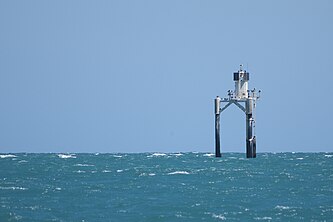
Richard Wilbur on Beacon 2 quotes
“The beacon-blaze unsheathing turns The face of darkness pale And now with one grand chop gives clearance to Our human visions . . .”

Richard Wilbur on Angels
Richard Wilbur on Amphibian
“Toward misted and ebullient seas And cooling shores, toward lost Amphibia’s emperies.”

What Richard Wilbur Said About Others
Discover personal opinions Richard Wilbur shared regarding contemporaries.
About Richard Wilbur
Richard Purdy Wilbur (1 March 1921 – 14 October 2017) was an American poet and literary translator. He was appointed the second Poet Laureate Consultant in Poetry to the Library of Congress in 1987, and twice received the Pulitzer Prize for Poetry, in 1957 and again in 1989.