Peter Drucker on Knowledge worker
← Back to Peter Drucker Profile
“To make the right decision the knowledge-worker must know what performance and results are needed... He cannot be supervised. He must direct, manage and motivate himself.”
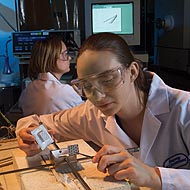
“What we will need from now on are, increasingly, "effectiveness centers"', that is, organized efforts to make fully effective and productive the new workers, the knowledge worker, the employed middle-class professional.”
“This society in which knowledge workers dominate is in danger of a new "class conflict" between the large minority of knowledge workers and the majority of workers who will make their livings through traditional ways, either by manual work... or by service work. The productivity of knowledge work - still abysmally low - will predictably become the economic challenge of the knowledge society. On it will depend the ability of the knowledge society to give decent incomes, and with them dignity and status, to non knowledge people.”
“This new knowledge economy will rely heavily on knowledge workers. ...the most striking growth will be in “knowledge technologists:” computer technicians, software designers, analysts in clinical labs, manufacturing technologists, paralegals. ...They are not, as a rule, much better paid than traditional skilled workers, but they see themselves as “professionals.” Just as unskilled manual workers in manufacturing were the dominant social and political force in the 20th century, knowledge technologists are likely to become the dominant social—-and perhaps also political—-force over the next decades.”
“The knowledge worker is paid extremely well. He gets to do interesting work. Yet no group is more subject to job dissatisfaction and "alienation." Why? Direct production workers — machinists, bricklayers, farmers — are a steadily declining portion of the work force in a developed economy. consists of “knowledge workers” — accountants, engineers, social workers, nurses, computer experts of all kinds, teachers and researchers. And the fastest growing group among knowledge workers themselves are managers. People who are paid for putting knowledge to work rather than brawn or manual skill are today the largest single group in the American labor force — and the most expensive one. The incomes of these people are not, as a rule, determined either by supply or demand or by their productivity. Their wages and fringe benefits go up in step with those of manual direct-production workers.”