The way the anima initially manifests in an individual man usually bears the stamp of his mother's character. If he experienced her in a negative way, then his anima often takes the form of depressive moods, irritability, perpetual malcontent, and excessive sensitivity. If the man is able to overcome these, precisely these things can strengthen his manliness. Such a negative mother anima will endlessly whisper within a man: "I'm a nothing," "It doesn't make sense anyhow," "It's different for other people," "Nothing * gives me any pleasure," and so on. Continual fear of disease, impotence, or accidents are her work, and she constellates a general sense of gloom. Troubled moods like these can intensify to the point of temptations to suicide; thus the anima can become a demoness of death. She appears in this role in Cocteau's film Orpheus.
What It Means
This is a placeholder explanation generated by the low-overhead model. It interprets "The way the anima initially manifests in an individual man usually bears the stamp of his mother's character. If he experienced her in a negative way, then his anima often takes the form of depressive moods, irritability, perpetual malcontent, and excessive sensitivity. If the man is able to overcome these, precisely these things can strengthen his manliness. Such a negative mother anima will endlessly whisper within a man: "I'm a nothing," "It doesn't make sense anyhow," "It's different for other people," "Nothing * gives me any pleasure," and so on. Continual fear of disease, impotence, or accidents are her work, and she constellates a general sense of gloom. Troubled moods like these can intensify to the point of temptations to suicide; thus the anima can become a demoness of death. She appears in this role in Cocteau's film Orpheus." in the context of "" to mean that wisdom is timeless.

Tags
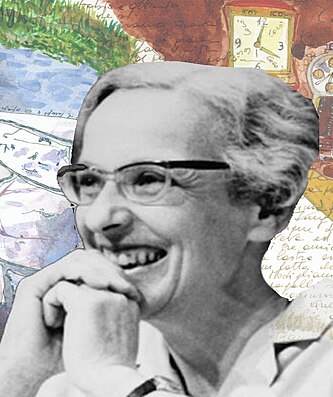
About Marie-Louise von Franz