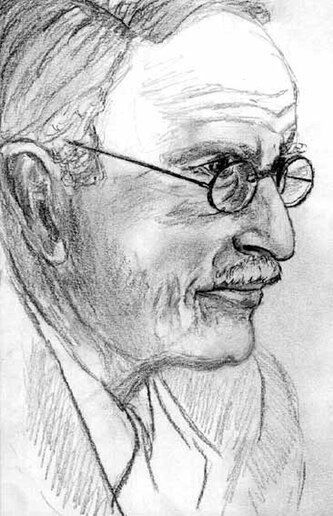
The "ultimate" questions referred to above do not always come up in the encounter with the shadow. Much more often behind him or her another inner figure emerges as a personification of the unconscious. This takes the form of a woman in a man, and in a woman, that of a man. Often it is they who are at work behind the shadow, throwing up new problems. C. G. Jung called them anima and animus. The anima embodies all feminine psychic qualities in a man-moods, feelings, intuitions, receptivity to the irrational, his personal capacity for love, his sense of nature, and most important of all, his relationship to the unconscious.
What It Means
This is a placeholder explanation generated by the low-overhead model. It interprets "The "ultimate" questions referred to above do not always come up in the encounter with the shadow. Much more often behind him or her another inner figure emerges as a personification of the unconscious. This takes the form of a woman in a man, and in a woman, that of a man. Often it is they who are at work behind the shadow, throwing up new problems. C. G. Jung called them anima and animus. The anima embodies all feminine psychic qualities in a man-moods, feelings, intuitions, receptivity to the irrational, his personal capacity for love, his sense of nature, and most important of all, his relationship to the unconscious." in the context of "" to mean that wisdom is timeless.
Tags
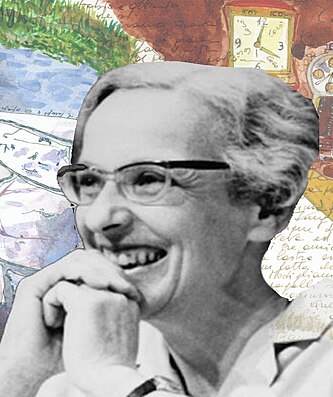
About Marie-Louise von Franz