• VIII, 52
He who does not know what the world is, does not know where he is. And he who does not know for what purpose the world exists, does not know who he is, nor what the world is. But he who has failed in any one of these things could not even say for what purpose he exists himself. What then dost thou think of him who [avoids or] seeks the praise of those who applaud, of men who know not either where they are or who they are?
What It Means
This is a placeholder explanation generated by the low-overhead model. It interprets "He who does not know what the world is, does not know where he is. And he who does not know for what purpose the world exists, does not know who he is, nor what the world is. But he who has failed in any one of these things could not even say for what purpose he exists himself. What then dost thou think of him who [avoids or] seeks the praise of those who applaud, of men who know not either where they are or who they are?" in the context of "He that knows not what the world is, knows not where he is himself. He that knows not for what he was made, knows not what he is nor what the world is.
• VIII, 52" to mean that wisdom is timeless.

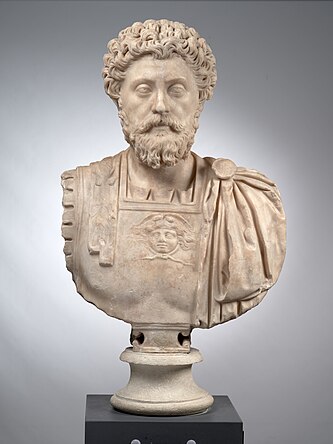
About Marcus Aurelius