• Ὄρθρου, ὅταν δυσόκνως ἐξεγείρῃ, πρόχειρον ἔστω ὅτι ἐπὶ ἀνθρώπου ἔργον ἐγείρομαι· ἔτι οὖν δυσκολαίνω, εἰ πορεύομαι ἐπὶ τὸ ποιεῖν ὧν ἕνεκεν γέγονα καὶ ὧν χάριν προῆγμαι εἰς τὸν κόσμον; ἢ ἐπὶ τοῦτο κατεσκεύασμαι, ἵνα κατακείμενος ἐν στρωματίοις ἐμαυτὸν θάλπω;
• V, 1
At dawn, when you have trouble getting out of bed, tell yourself: ‘I have to go to work – as a human being. What do I have to complain of, if I’m going to do what I was born for – the things I was brought into the world to do? Or is this what I was created for? To huddle under the blankets and stay warm?’ (Hays translation)
What It Means
This is a placeholder explanation generated by the low-overhead model. It interprets "At dawn, when you have trouble getting out of bed, tell yourself: ‘I have to go to work – as a human being. What do I have to complain of, if I’m going to do what I was born for – the things I was brought into the world to do? Or is this what I was created for? To huddle under the blankets and stay warm?’ (Hays translation)" in the context of "At dawn of day, when you dislike being called, have this thought ready: "I am called to man's labour; why then do I make a difficulty if I am going out to do what I was born to do and what I was brought into the world for?(Farquharson translation)
• Ὄρθρου, ὅταν δυσόκνως ἐξεγείρῃ, πρόχειρον ἔστω ὅτι ἐπὶ ἀνθρώπου ἔργον ἐγείρομαι· ἔτι οὖν δυσκολαίνω, εἰ πορεύομαι ἐπὶ τὸ ποιεῖν ὧν ἕνεκεν γέγονα καὶ ὧν χάριν προῆγμαι εἰς τὸν κόσμον; ἢ ἐπὶ τοῦτο κατεσκεύασμαι, ἵνα κατακείμενος ἐν στρωματίοις ἐμαυτὸν θάλπω;
• V, 1" to mean that wisdom is timeless.

Tags
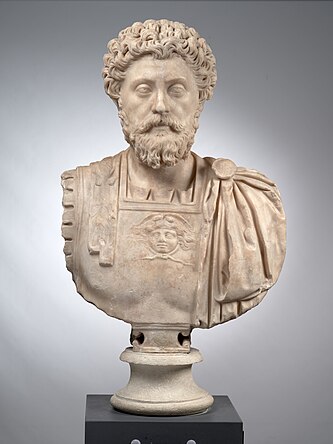
About Marcus Aurelius