The historian should be fearless and incorruptible; a man of independence, loving frankness and truth; one who, as the poet says, calls a fig a fig and a spade a spade. He should yield to neither hatred nor affection, but should be unsparing and unpitying. He should be neither shy nor deprecating, but an impartial judge, giving each side all it deserves but no more. He should know in his writings no country and no city; he should bow to no authority and acknowledge no king. He should never consider what this or that man will think, but should state the facts as they really occurred.
What It Means
This is a placeholder explanation generated by the low-overhead model. It interprets "The historian should be fearless and incorruptible; a man of independence, loving frankness and truth; one who, as the poet says, calls a fig a fig and a spade a spade. He should yield to neither hatred nor affection, but should be unsparing and unpitying. He should be neither shy nor deprecating, but an impartial judge, giving each side all it deserves but no more. He should know in his writings no country and no city; he should bow to no authority and acknowledge no king. He should never consider what this or that man will think, but should state the facts as they really occurred." in the context of "Lucian, How History Should Be Written (De Historia Conscribenda); in George Seldes, ed., The Great Thoughts (1985), p. 251." to mean that wisdom is timeless.
Tags
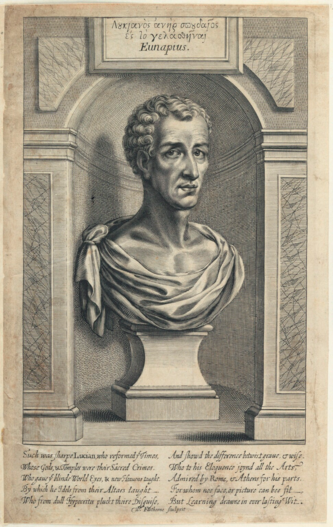
About Lucian