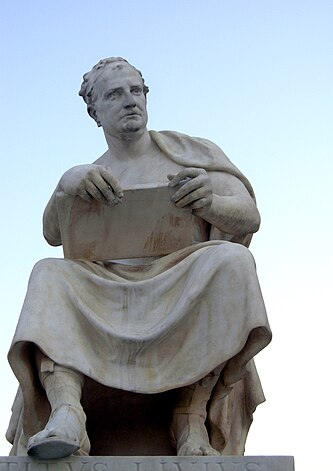
By semblance advertisements shall a noble heart be trained to delight in histories. And then, according to the counsel of Quintilian, it is best that he begin with Titus Livius, not only for his elegance of writing, which floweth in him like a fountain of sweet milk: but also forasmuch as by reading that author he may know how the most noble city of Rome, of a small and poor beginning, by prowess and virtue little and little came to the empire and dominion of all the world.
What It Means
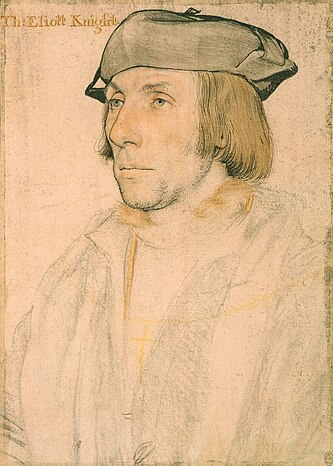
This is a placeholder explanation generated by the low-overhead model. It interprets "By semblance advertisements shall a noble heart be trained to delight in histories. And then, according to the counsel of Quintilian, it is best that he begin with Titus Livius, not only for his elegance of writing, which floweth in him like a fountain of sweet milk: but also forasmuch as by reading that author he may know how the most noble city of Rome, of a small and poor beginning, by prowess and virtue little and little came to the empire and dominion of all the world." in the context of "Thomas Elyot, The Book Named the Governor (1531), quoted in John C. Hunter (ed.), Renaissance Literature: An Anthology of Poetry and Prose (2010), p. 73" to mean that wisdom is timeless.
Tags
About Livy