Chapter 2, p. 53
“
The force of custom or habits even proverbial; and accordingly we take advantage of the magnified representation in which we have been pleased to paint its effects, to veil our eyes from the sufferings of others, of mankind as well as of brutes; and whatever be their lots, if they suffer from over exertion, from being flogged, from exposure in danger, from want, from cold, from heat, etc., we lull our imagination with the idea that they do not feel those evils: custom we say is second nature.
— Lewis Gompertz
What It Means
This is a placeholder explanation generated by the low-overhead model. It interprets "The force of custom or habits even proverbial; and accordingly we take advantage of the magnified representation in which we have been pleased to paint its effects, to veil our eyes from the sufferings of others, of mankind as well as of brutes; and whatever be their lots, if they suffer from over exertion, from being flogged, from exposure in danger, from want, from cold, from heat, etc., we lull our imagination with the idea that they do not feel those evils: custom we say is second nature." in the context of "Chapter 2, p. 53" to mean that wisdom is timeless.
Source: Wikiquote: "Lewis Gompertz" (Quotes, Moral Inquiries on the Situation of Man and of Brutes (1824): Full text online at the Internet Archive, edited by Peter Singer (Fontwell: Centaur Press, 1992).)
The 'What it means' explanation text was generated by Google Gemini Flash (accessed January 18, 2026). https://gemini.google.com/app
Tags
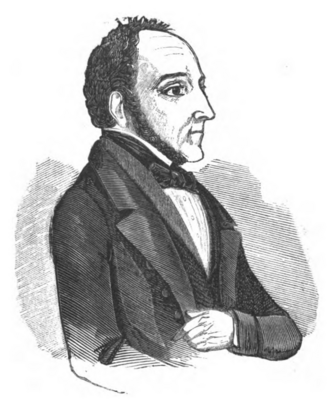
About Lewis Gompertz
Lewis Gompertz (1783/4 – 2 December 1861) was an English philosopher, writer, inventor, and social reformer. He was best known for his pioneering advocacy of the moral consideration of animals, early veganism, and opposition to animal exploitation. A founding member of the Society for the Prevention of Cruelty to Animals (later the RSPCA), he later established the Animals' Friend Society to promote a more comprehensive ethical stance toward animals. His 1824 treatise, Moral Inquiries on the Situation of Man and of Brutes, offered one of the first systematic critiques of animal use, combining philosophical argument with proposals for social reform. He also supported causes including women's rights, anti-slavery, and the welfare of the poor. In addition to his activism, Gompertz was an accomplished mechanical inventor who sought to develop alternatives to animal labour.
View all quotes →