Link Copied!
Ken McLeod Quotes (1948-)
Writer
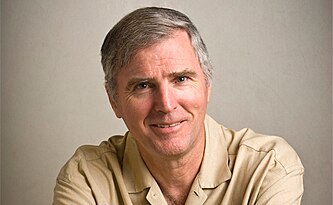

About Ken McLeod
Ken McLeod (born 1948) is a Buddhist teacher, writer, translator, and management consultant now retired and living in Northern California.
Best Ken McLeod Quotes
Shortest
Earliest
Explore our curated collection of the most famous and impactful Ken McLeod quotes.
“When you experience things completely, then you know what they are.”


“To see what you've done, look at what you are. To see what you'll be, look at your actions.”
“The importance of conventional life is greatly exaggerated and a good death can do wonders.”

“We're going to have to retire the word mindfulness. It's been hopelessly corrupted in English.”

“Each time you sit down to practice, take a few minutes to feel in your heart why this is important to you.”

“When you read sutras don't seek to understand them. Stay in touch with precisely what they are eliciting in terms of experience in you.”
“The fundamental effort in Buddhist practice is to develop a sufficient capacity in attention so that you can experience your own non-existence.”
“Study void. Void is what makes everything possible. If there is no emptiness or open space in your life then very very few things are possible.”
“When people thank and tell you how much you've helped them, what they say has nothing to do with you. This is just their way of expressing joy in their own experience. Remember this, too, when people complain or criticize.”
“Greed for results, for something dramatic, undermines practice completely. The effects of meditation are subtle and take time to mature. When we are constantly looking for some kind of sign or attainment from our practice, we are essentially looking outside ourselves.”
“What's the dominant emotion associated with purity? Anger. The most aggressive people are the ones who insist on being utterly pure. It's responsible for countless wars at all levels of society. Far better to have no aspiration, no hope and relate to things just as they are.”
“Attention, attention, the key to practice, so many teachers have said. It’s true. When we come to know, even a little, this truly miraculous and open nature of our being, we begin to appreciate the jewels and riches in these very simple instructions that come down to us through our teachers.”

“By just taking a breath you're moving into attention a little bit and so you get much less caught up in reactivity. A practical application of this in your life is, never say anything before you've taken one breath. It's a very simple practice--changes the dynamics of conversation with other people completely.”

“As you become more awake you actually find yourself with less and less choice about what you do in any given situation. And you have less choice because you see more clearly. This is a very important point. Clarity doesn’t create more options. It eliminates options because you see that they aren’t appropriate or they don’t work.”

“If you don't clearly understand what you are looking for in a teacher or in internal work, you will inevitably accept someone else's agenda as your own. While you may start internal transformative work on the suggestion or advice of another person, at some point your practice has to become a response to your own questions about life and being.”
“As compassion deepens, we find ourselves developing a nobility of the heart. Increasingly, and often to our surprise, we respond to difficult situations with calmness, clarity and directness. A quiet fearlessness or confidence is present as we no longer fear that we will compromise our own integrity. We find, too, a joy, a joy which arises from the knowledge that our every act is meaningful and helpful to the world.”

“Some find they can practice effectively by bringing attention to the arising of like, dislike and indifference in their meditation practice and daily life. Others are able to use the power of loving kindness, compassion, equanimity, or devotion to change the way they experience things. And still others develop or naturally have enough capacity in awareness that they experience attraction as delight, aversion as clarity, and indifference as non-thought.”
“The vast array of methods and techniques which comprise Buddhism, particularly the Tibetan tradition, are all to help us come to know simply what we are, buddha, awake and aware. Time and time again, we are told that we are buddha, that the buddha qualities are present now, but that we just don’t know it. The problem, for many of us, is that this knowing is not a form of knowing that we are used to. We need tools and methods to dismantle the emotional blocks, the habitual patterns, the worries, concerns, expectations, and hopes that keep us from trusting and knowing what we are.”
Ken McLeod Quotes by Topic
Find exactly what you are looking for by browsing this categorized list of Ken McLeod quotes by topic.
Ken McLeod on Clarity
“Increasingly, and often to our surprise, we respond to difficult situations with calmness, clarity and directness. A quiet fearlessness or ...”

About Ken McLeod
Ken McLeod (born 1948) is a Buddhist teacher, writer, translator, and management consultant now retired and living in Northern California.