The Constitution unavoidably deals in general language. It did not suit the purposes of the people, in framing this great charter of our liberties, to provide for minute specifications of its powers, or to declare the means by which those powers should be carried into execution. It was foreseen that this would be a perilous and difficult, if not an impracticable, task. The instrument was not intended to provide merely for the exigencies of a few years, but was to endure through a long lapse of ages, the events of which were locked up in the inscrutable purposes of Providence.
What It Means
This is a placeholder explanation generated by the low-overhead model. It interprets "The Constitution unavoidably deals in general language. It did not suit the purposes of the people, in framing this great charter of our liberties, to provide for minute specifications of its powers, or to declare the means by which those powers should be carried into execution. It was foreseen that this would be a perilous and difficult, if not an impracticable, task. The instrument was not intended to provide merely for the exigencies of a few years, but was to endure through a long lapse of ages, the events of which were locked up in the inscrutable purposes of Providence." in the context of "Martin v. Hunter's Lessee, 14 U.S. 304 (1816)" to mean that wisdom is timeless.
Tags
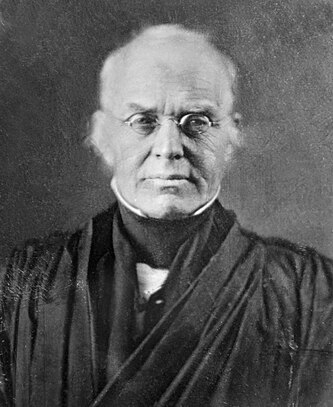
About Joseph Story