We have far more people selling derivatives, index funds and mutual funds (as we call them) than there is intelligence for the task. I am cautious about prediction; I discovered years ago that my correct predictions are forgotten, the others meticulously remembered. But some things are definite; when you hear it being said that we have entered a new economy of permanent prosperity with prices of financial instruments reflecting that happy fact, you should take cover. This has been the standard justification of speculative excess for several centuries — for a good part of the millennium. My one time Harvard colleague Joseph Schumpeter thought inevitable and even beneficial what he called “creative destruction” — the cyclical process by which the system eliminates the people and institutions which are mentally too vulnerable for useful economic service. Unfortunately the process has larger and less benign effects, including the possibility of painful recession or depression.
What It Means
This is a placeholder explanation generated by the low-overhead model. It interprets "We have far more people selling derivatives, index funds and mutual funds (as we call them) than there is intelligence for the task. I am cautious about prediction; I discovered years ago that my correct predictions are forgotten, the others meticulously remembered. But some things are definite; when you hear it being said that we have entered a new economy of permanent prosperity with prices of financial instruments reflecting that happy fact, you should take cover. This has been the standard justification of speculative excess for several centuries — for a good part of the millennium. My one time Harvard colleague Joseph Schumpeter thought inevitable and even beneficial what he called “creative destruction” — the cyclical process by which the system eliminates the people and institutions which are mentally too vulnerable for useful economic service. Unfortunately the process has larger and less benign effects, including the possibility of painful recession or depression." in the context of "John Kenneth Galbraith, "The Unfinished Business of the Century" (1999)" to mean that wisdom is timeless.

Tags
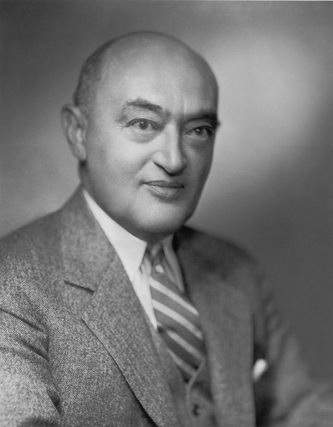
About Joseph Schumpeter