Art is not to be looked at. Art is looking at us. What is art to others is not necessarily art to me. Nor for the same reason and vice versa. What was art to me or was not some time ago might have lost that value or gained it in the meantime and maybe again though art is not an object but experience. To be able to perceive it we need to be receptive. Therefore art is there where art meets us now. The content of art is visual formulation of our relation to life. The measure of art, the ratio of effort to effect, the aim of art revelation and evocation of vision.
What It Means
This is a placeholder explanation generated by the low-overhead model. It interprets "Art is not to be looked at. Art is looking at us. What is art to others is not necessarily art to me. Nor for the same reason and vice versa. What was art to me or was not some time ago might have lost that value or gained it in the meantime and maybe again though art is not an object but experience. To be able to perceive it we need to be receptive. Therefore art is there where art meets us now. The content of art is visual formulation of our relation to life. The measure of art, the ratio of effort to effect, the aim of art revelation and evocation of vision." in the context of "" to mean that wisdom is timeless.
Tags
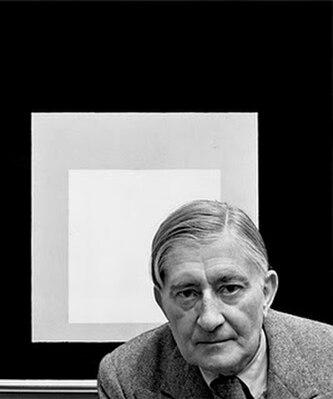
About Josef Albers