W.H. Auden's poem, Spain, is fit to stand beside great predecessors in its moving, yet serene expression of contemporary feeling towards the heart-rending events of the political world. The theme of the poem lies in the comparison between the secular achievements of the past and the hope which is possible for the future with the horrors of the present and the sacrifices which perhaps it demands from those of this generation who think and feel rightly.
What It Means
This is a placeholder explanation generated by the low-overhead model. It interprets "W.H. Auden's poem, Spain, is fit to stand beside great predecessors in its moving, yet serene expression of contemporary feeling towards the heart-rending events of the political world. The theme of the poem lies in the comparison between the secular achievements of the past and the hope which is possible for the future with the horrors of the present and the sacrifices which perhaps it demands from those of this generation who think and feel rightly." in the context of "John Maynard Keynes, "British Foreign Policy", New Statesman, 10th July 1937. Reprinted in Stephen Howe, Lines of dissent: writings from the New statesman, 1913-1988, Verso Books, 1988." to mean that wisdom is timeless.

Tags
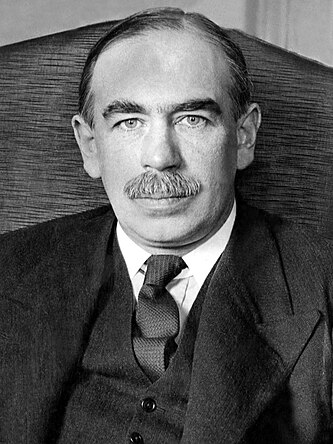
About John Maynard Keynes