Link Copied!
John Coltrane Quotes (1926-1967)
Musician, King, Composer

About John Coltrane
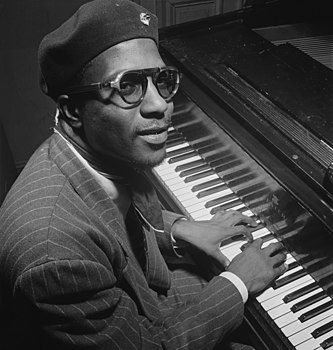
John William Coltrane, also known as "Trane" (September 23, 1926 – July 17, 1967), was an American jazz saxophonist and composer. Working in the bebop and hard bop idioms early in his career, Coltrane helped pioneer the use of modes in jazz and was later at the forefront of free jazz. He led at least fifty recording sessions during his career, and appeared as a sideman on many albums by other musicians, including trumpeter Miles Davis and pianist Thelonious Monk.
Best John Coltrane Quotes
Shortest
Earliest
Explore our curated collection of the most famous and impactful John Coltrane quotes.
“Rushin' Lullaby.”

“Q: What would you like to be in 10 years?
A: I'd like to be a saint.”
A: I'd like to be a saint.”
“My goal is to live the truly religious life and express it in my music. If you live it, when you play there's no problem because the music is just part of the whole thing. To be a musician is really something. It goes very, very deep. My music is the spiritual expression of what I am—my faith, my knowledge, my being.”

“I thought about this question. I answered it as best I could [at the press conference]. I felt I didn't tell [the reporter] what I really wanted to say. He thought I was Christian. And I am by birth; my parents were and my early teachings were Christian. But as I look upon the world, I feel all men know the truth. If a man was a Christian, he could know the truth and he could not. The truth itself does not have any name on it. And each man has to find it for himself, I think.”

“[T]he main thing a musician would like to do is to give a picture to the listener of the many wonderful things he knows of and senses in the universe. That's what music is to me—it's just another way of saying this is a big, beautiful universe we live in, that's been given to us, and here's an example of just how magnificent and encompassing it is. That's what I would like to do. I think that's one of the greatest things you can do in life, and we all try to do it in some way. The musician's is through his music.”

What John Coltrane Said About Others
Discover personal opinions John Coltrane shared regarding contemporaries.
John Coltrane on Thelonious Monk 2 quotes
“Working with Monk is like falling down a dark elevator shaft.”

Quotes About John Coltrane
Gain deeper perspective through quotes about John Coltrane from others.
Albert Ayler on John Coltrane
“John [Coltrane] was like a visitor to this planet. He came in peace and he left in peace; but during his time here, he kept trying to reach new levels of awareness, of peace, of spirituality. That's why I regard the music he played as spiritual music — John's way of getting closer and closer to the Creator.”
Marion Brown on John Coltrane
“I was playing this concert, and when I finished a solo, I backed offstage. There was Coltrane with the lights behind him, beatified. He held out his arms and took me in and I wept like a child. I'd been through so much, and held so much in, but I didn't cry until Coltrane told me it was alright.”
Patti Smith on John Coltrane
“I think the most interesting thing about Coltrane, besides his tone and his sense of improvisation, was his deep spiritual centre. You really felt his relationship with God in his playing.”

Joy Harjo on John Coltrane
“...you pick up the saxophone again, I suppose it's like writing poetry, you are picking up the history of that. Playing saxophone is like honoring a succession of myths. I never thought of this before but: the myth of saxophone and here comes Billie Holiday and there's Coltrane. I love his work dearly, especially "A Love Supreme." That song has fed me. And all of that becomes. When you play you're a part of that, you have to recognize those people.”

Steve Kuhn on John Coltrane
“[W]hen I was with him, he was as straight as a pin, but he had this sugar addiction and he loved these butter rum lifesavers. So he'd be pop—when he didn't have the horn in his mouth, he would be popping these lifesavers in, which satisfied his sugar craving, I guess. But he always had that... his breath always smelled of butter rum lifesavers.”

About John Coltrane
John William Coltrane, also known as "Trane" (September 23, 1926 – July 17, 1967), was an American jazz saxophonist and composer. Working in the bebop and hard bop idioms early in his career, Coltrane helped pioneer the use of modes in jazz and was later at the forefront of free jazz. He led at least fifty recording sessions during his career, and appeared as a sideman on many albums by other musicians, including trumpeter Miles Davis and pianist Thelonious Monk.