James Mackintosh on Thomas Gray
← Back to James Mackintosh Profile
“Almost all his poetry was lyrical—that species which, issuing from a mind in the highest state of excitement, requires an intensity of feeling which for a long composition the genius of no poet could support. Those who complained of its brevity and rapidity only confessed their own inability to follow the movements of poetical inspiration. Of the two grand attributes of the Ode, Dryden had displayed the enthusiasm, Gray exhibited the magnificence. He is also the only modern English writer whose Latin verses deserve general notice; but we must lament that such difficult trifles had diverted his genius from its natural objects. In his letters he has shown the descriptive powers of a poet, and in new combinations of generally familiar words, which he seems to have caught from Madame de Sevigné (though it must be owned he was somewhat quaint), he was eminently happy. It may be added, that he deserves the comparatively trifling praise of having been the most learned poet since Milton.”
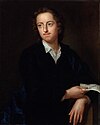
“Of all English poets he was the most finished artist. He attained the highest degree of splendour of which poetical style seems to be capable, if Virgil and his scholar Racine may be allowed to have united somewhat more ease with their elegance, no other poet approaches Gray in this kind of excellence. The degree of poetical invention diffused over such a style, the balance of taste and of fancy necessary to produce it, and the art with which an offensive boldness of imagery is polished away, are not indeed always perceptible to the common reader, nor do they convey to any mind the same species of gratification which is felt from the perusal of those poems which seem to be the unpremeditated effusions of enthusiasm; but to the eye of the critic, and more especially to the artist, they afford a new kind of pleasure, not incompatible with a distinct perception of the art employed, and somewhat similar to the grand emotions excited by the reflection on the skill and toil exerted in the construction of a magnificent palace. They can only be classed among the secondary pleasures of poetry, but they never can exist without a great degree of its higher excellencies.”